Why the Nash-TKO conflict misses the modern professional wrestling point
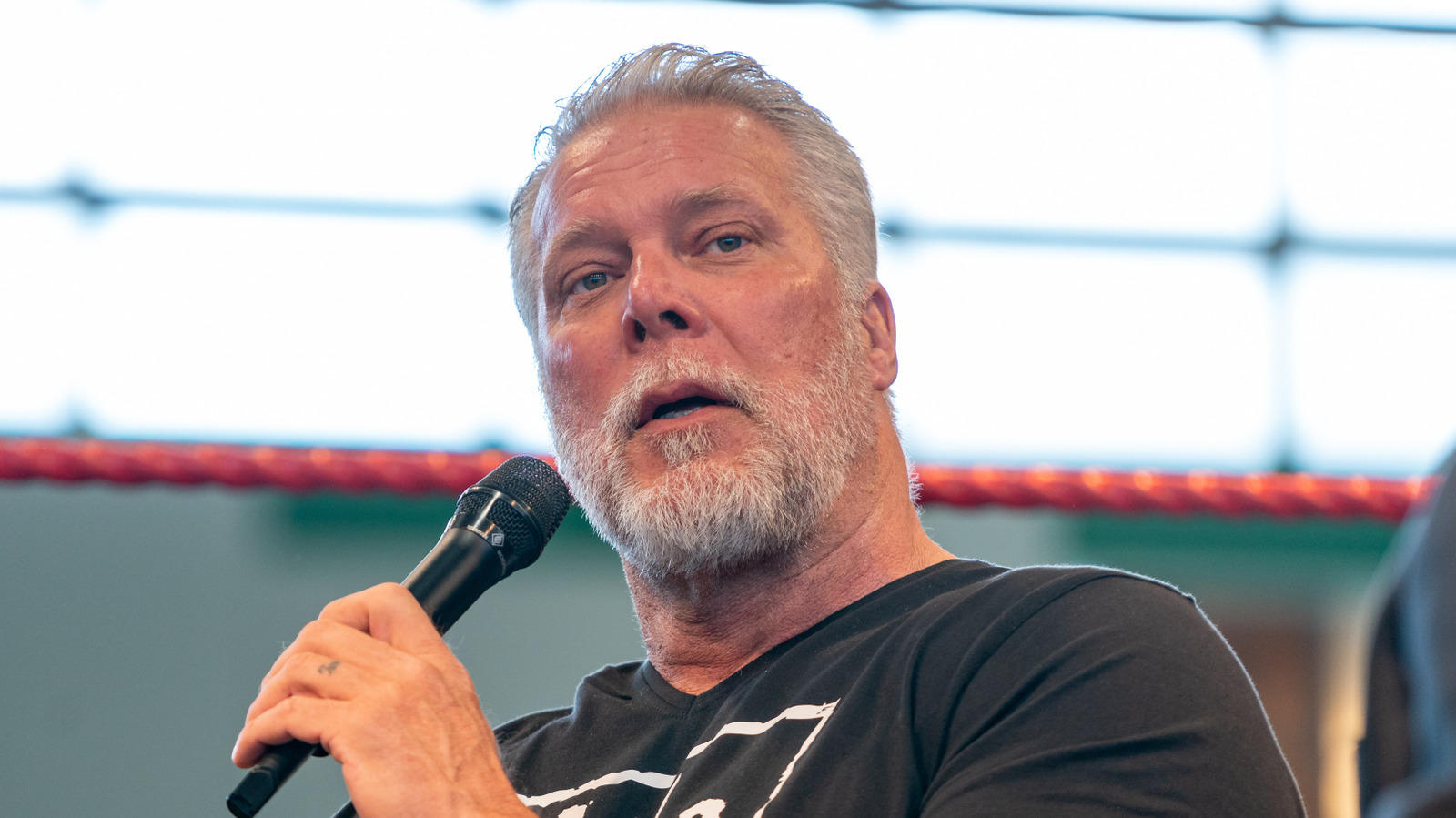
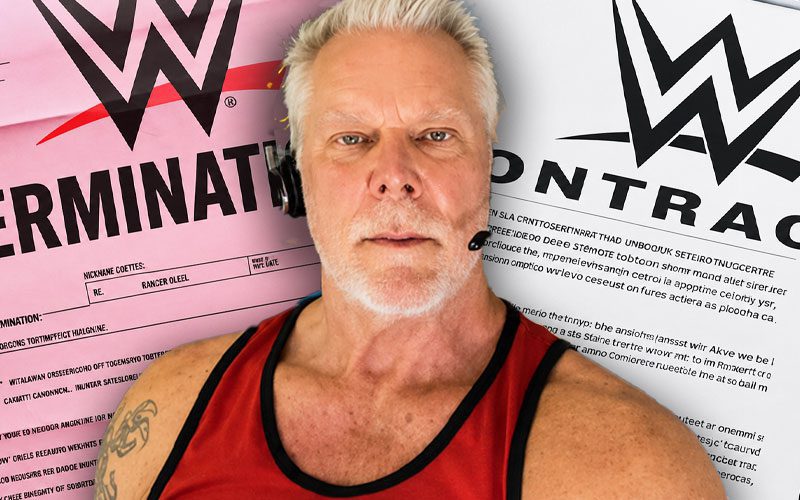
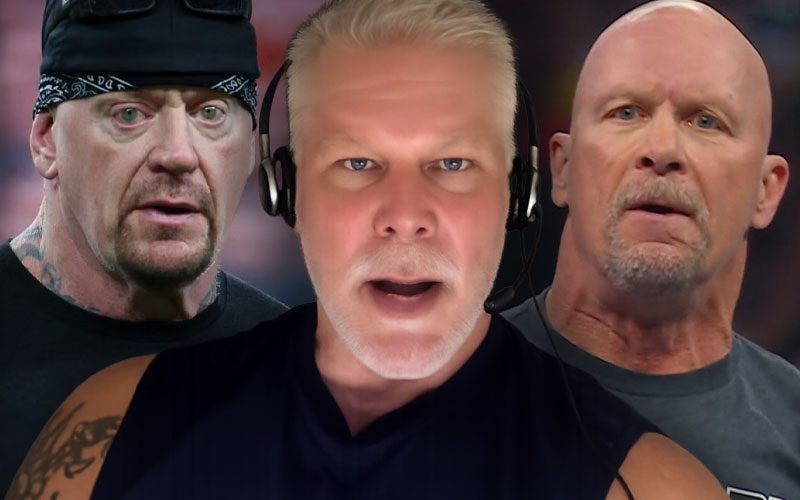
Kevin Nash has spent the better part of the spring acting as the loudest voice of dissent regarding WWE's corporate restructuring. From his recent public outbursts toward TKO executives over executive bonuses versus talent pay, to his demand that they stop interfering in the creative process, Nash is playing the character of the old-school industry veteran guarding the gates.
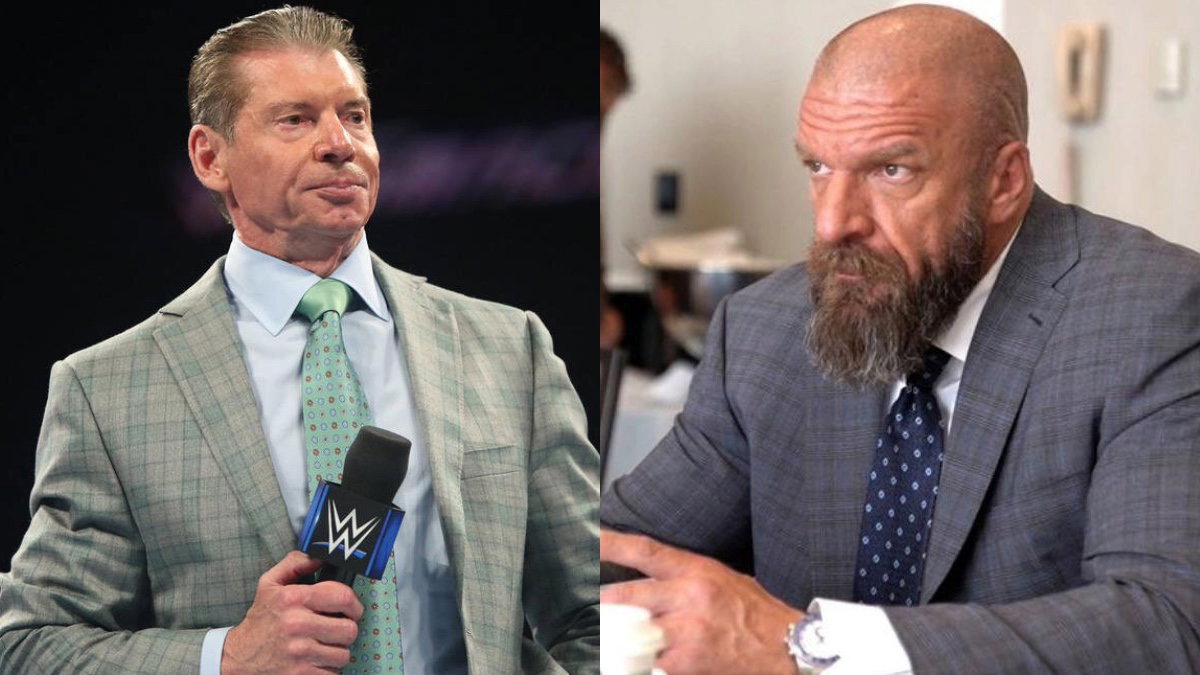
The issue is that Nash's grievances, while emotionally resonant for anyone who remembers the WCW era he helped define, are entirely incompatible with how TKO operates. When he tells shareholders to let Triple H run the company, he is ignoring the reality of a publicly traded entity where financial performance metrics dictate creative direction.
The creative bottleneck of the Oba Femi push
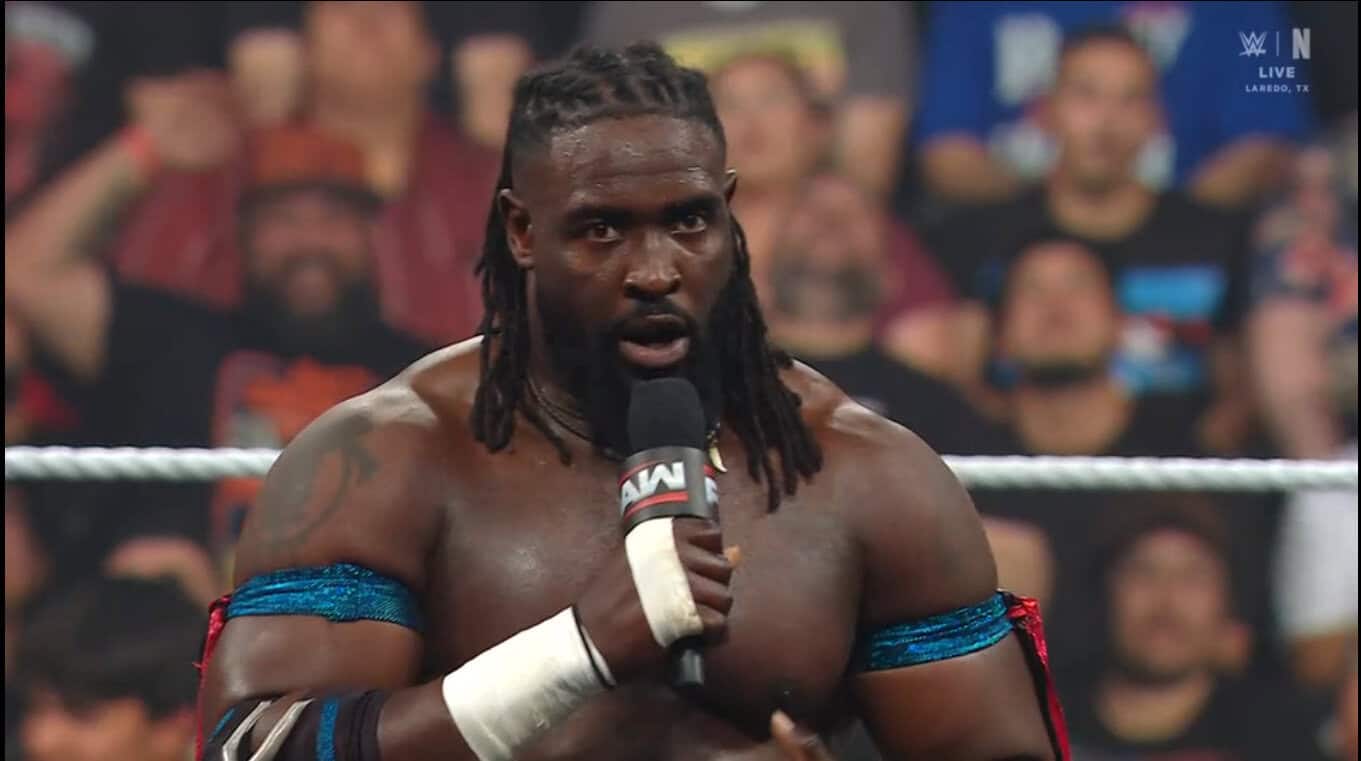
Nash recently suggested that Oba Femi's open challenge should involve legitimate outside talent to spice up the mid-card. It is a smart tactical suggestion that would offer a spike in viewership interest and freshen up the NXT flow. Yet, it ignores the primary directive of modern developmental: brand isolation.
WWE does not want to integrate outside talent because it dilutes their proprietary intellectual property. Femi is a powerhouse prospect, but keeping him within the NXT ecosystem allows the company to protect his 80% win rate while maintaining strict control over his trajectory. Opening that door creates a legal and logistical nightmare that a corporate Board of Directors will block every single time.
The shadow of WCW budgeting
Nash often references the past, specifically the era of Kip Frey where wrestlers received a 10% bonus for passing drug tests, as reported by WrestlingNews.co. This comparison is nostalgic, but largely irrelevant to mid-2026 contract valuations.
The critique of executive compensation is valid on a moral level, but as a prediction for the company's future, it is a non-starter. TKO is maximizing operating margins to satisfy institutional investors, not to cultivate locker room morale. Nash is right about the toxicity, but wrong about the outcome.
Predicting the inevitable compromise
Triple H is currently stuck in the middle, attempting to maintain high-quality in-ring product while TKO demand tighter fiscal discipline. My prediction is that we will see a further decline in fringe talent pay over the next 18 months, leading to a exodus of mid-card performers that mirrors the departure of other industry pillars recently.
We are likely to see a period of stagnant creative booking as WWE prioritizes low-cost, high-engagement talent over expensive veteran acquisitions. Nash can keep shouting, but his influence is limited to podcasts and appearances like the upcoming Rochester Red Wings event. The board will continue to prioritize dividends over cultural legacy, and for a wrestling analyst, that is the most depressing trend of the decade.