The Next Generation of the Steiner Legacy
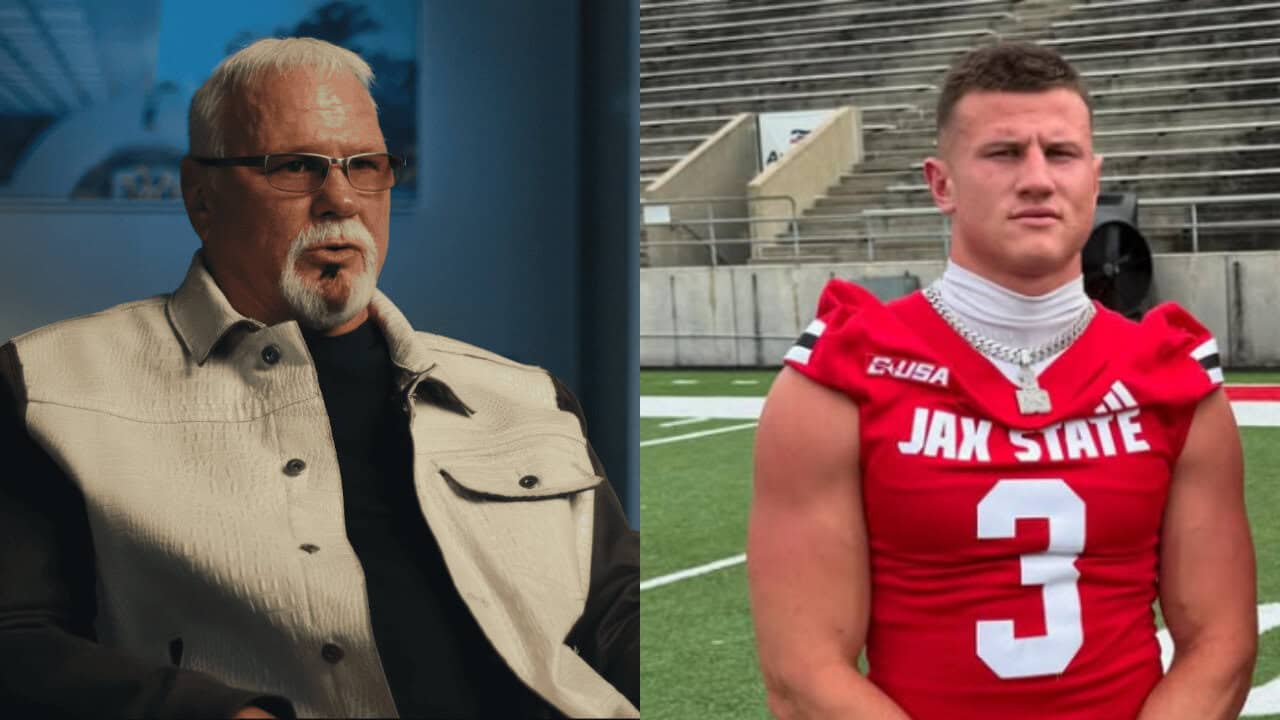
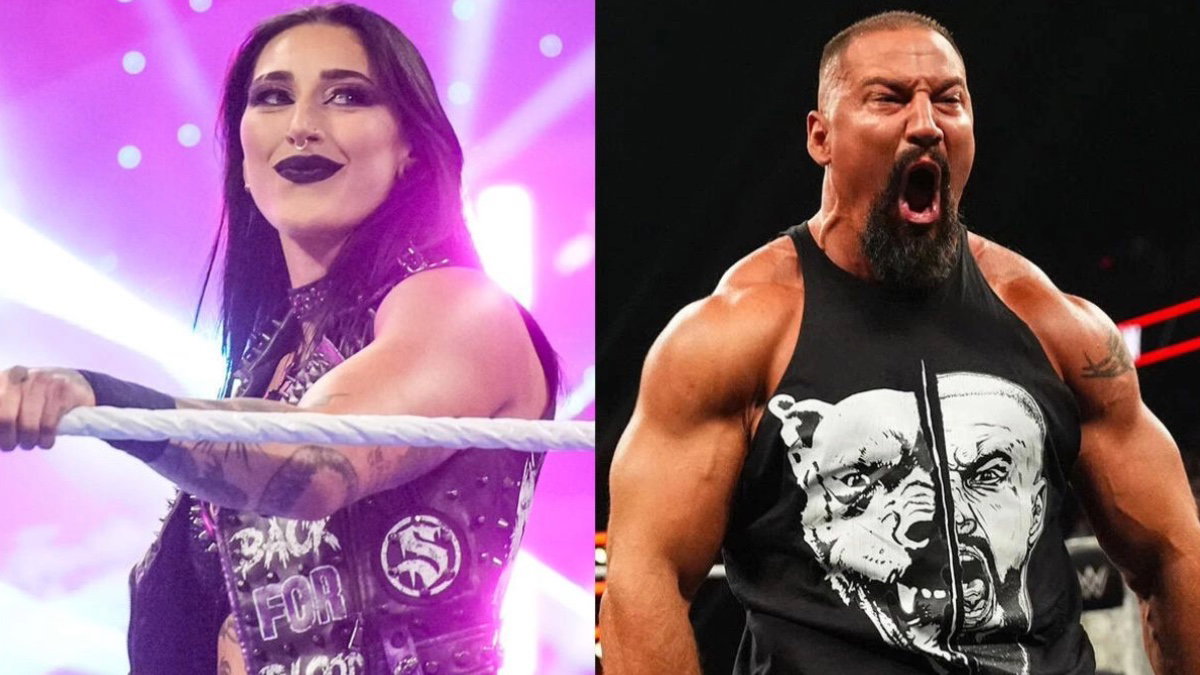
The industry is buzzing about the future of the Steiner family within WWE. Following the ascent of Bron Breakker, recent reports indicate that Brock Steiner is mapping out a path toward professional wrestling. This is not merely a rumor of interest but a long-term developmental trajectory.
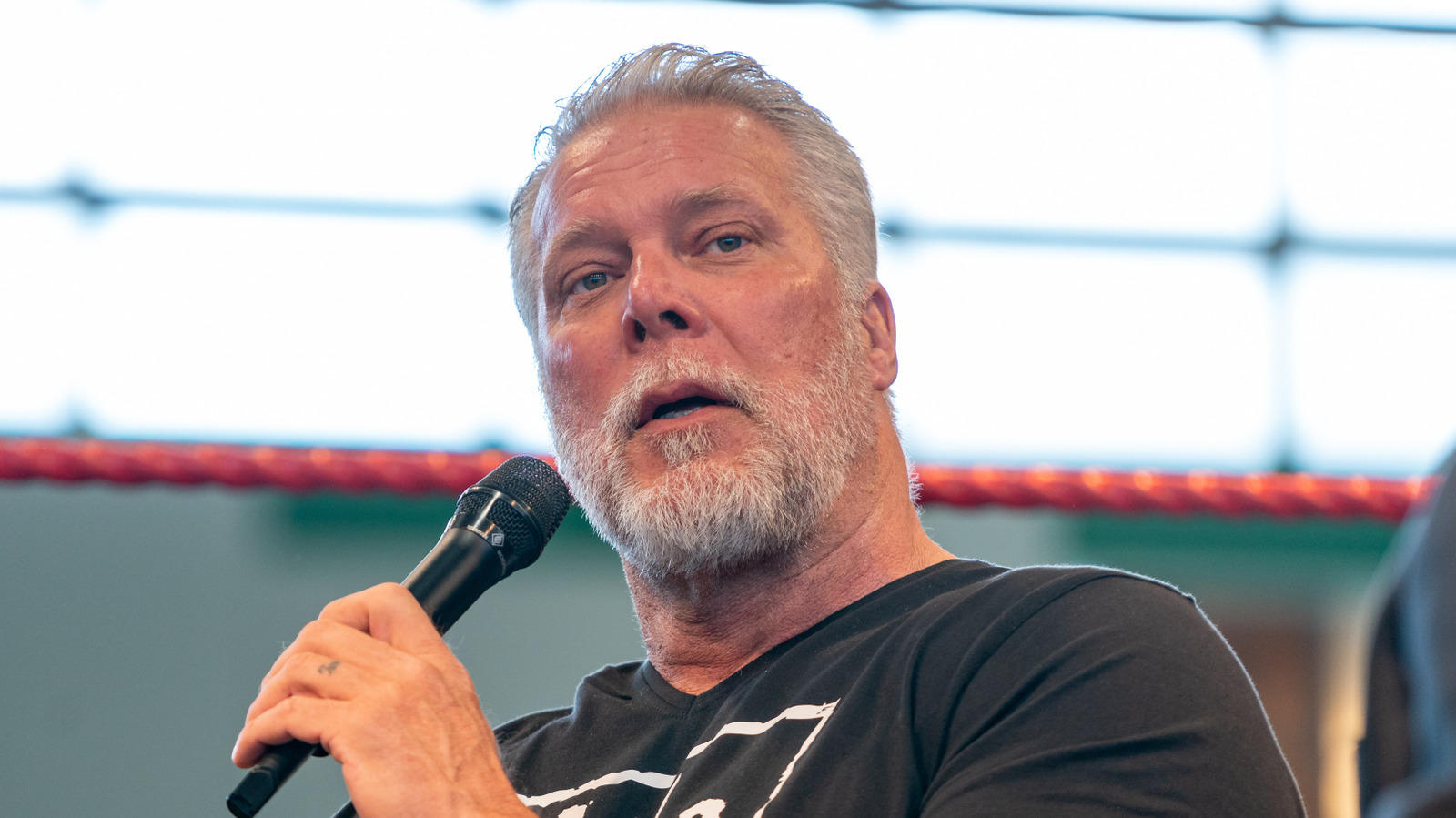
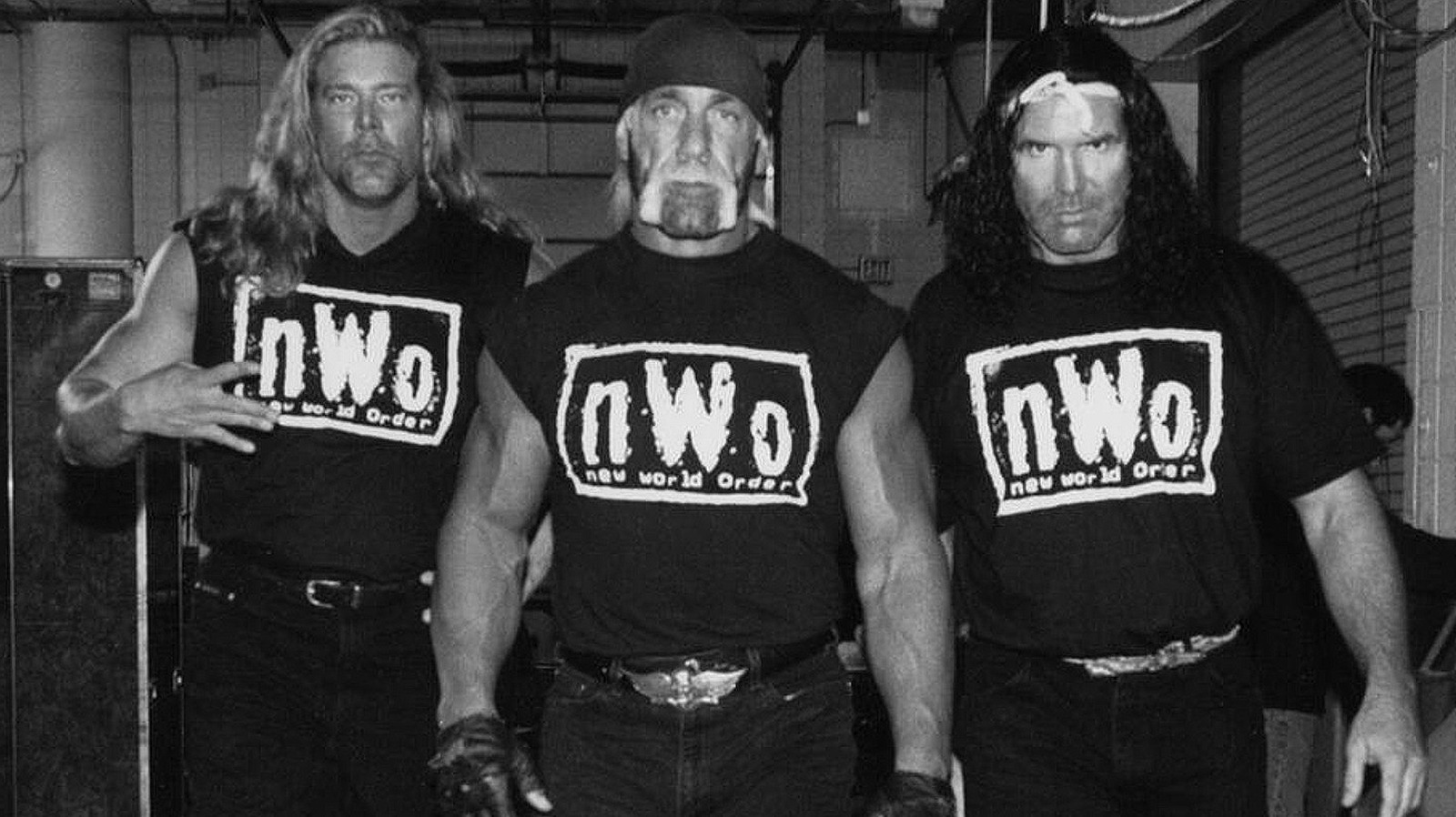
Bron Breakker has already set a high standard for this transition. Kevin Nash, whose insights on the lineage remain a bellwether for industry sentiment, has repeatedly emphasized that WWE needs to fully lean into the Steiner heritage. As Wrestling Inc recently documented, the narrative potential of the Steiner name remains a primary asset for the company.
Creative Constraints and Corporate Oversight
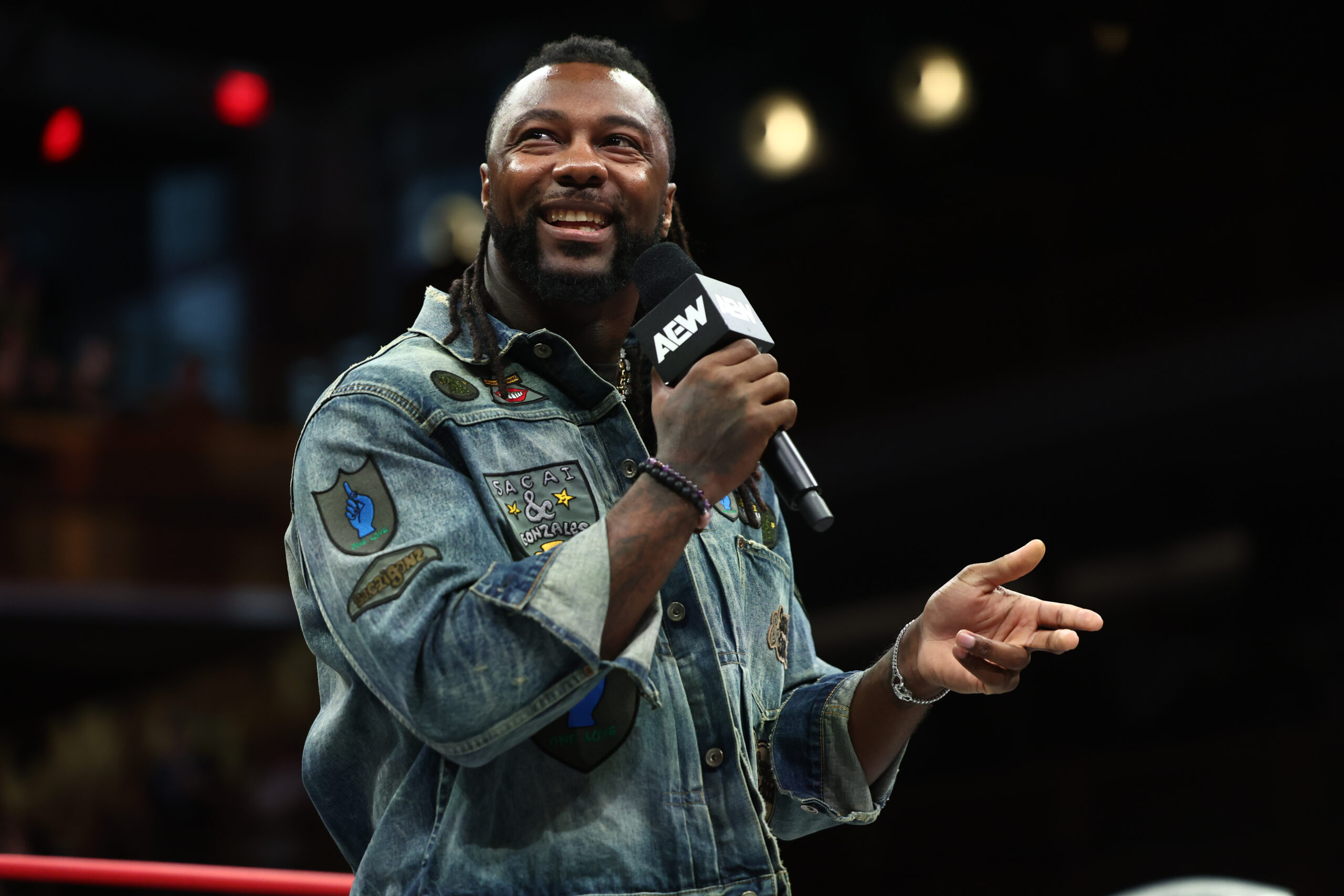
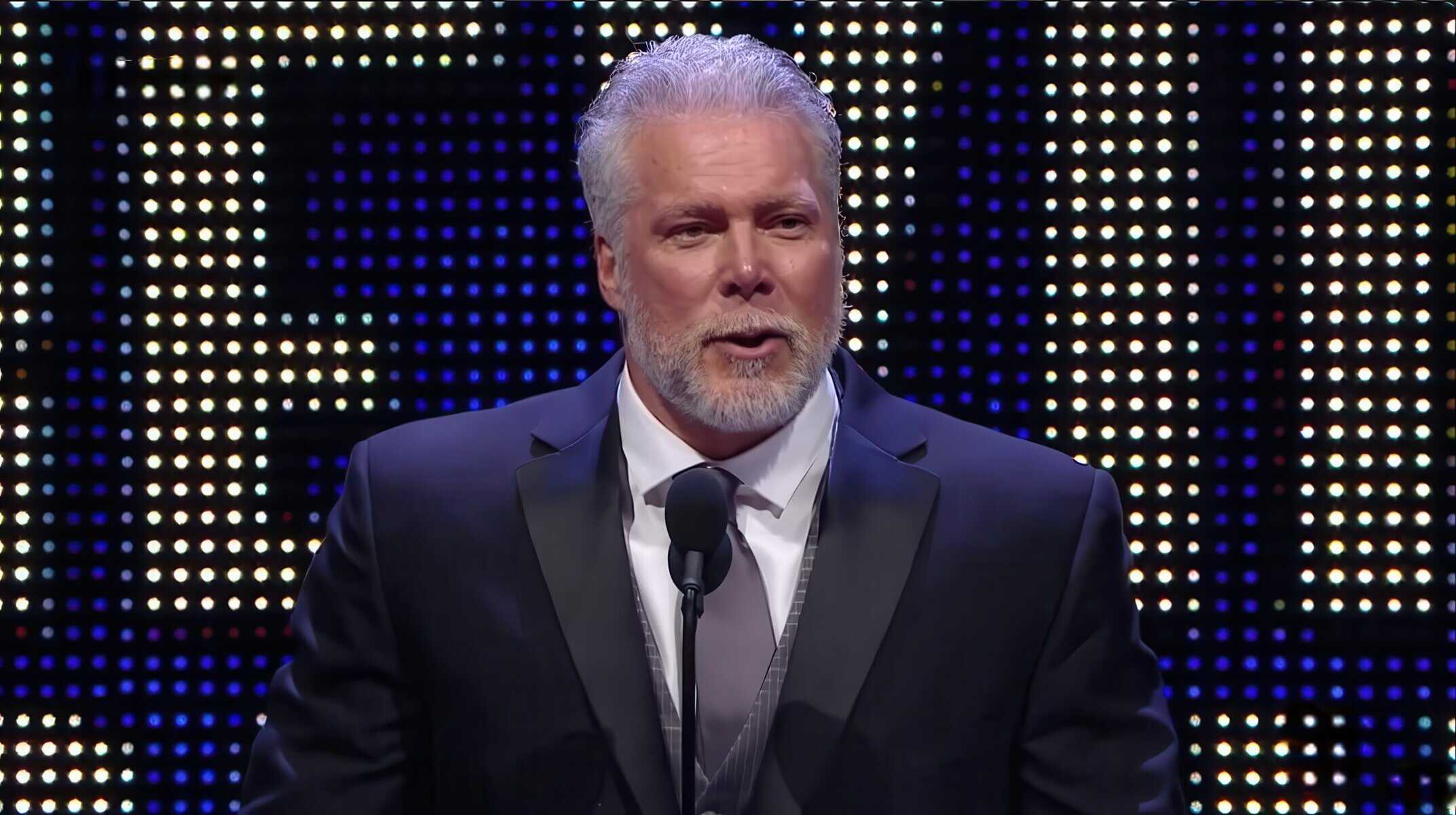
The transition for any incoming prospect is complicated by the shifting power dynamics between Triple H and TKO leadership. Kevin Nash has been vocal about the friction, telling executives to remove themselves from the creative process. His recent comments, as reported by WrestlingNews.co, suggest that the future success of these prospects depends on maintaining a clear line between boardrooms and booking.
If TKO continues to tighten its grip, there is a legitimate risk of talent being misused. Creative interference is a perennial issue in the industry, and historical data from the WCW era—including oddities like the 10% bonus for drug test compliance—highlights how quickly corporate incentives can diverge from on-screen quality. A move to the main roster for a talent like Brock Steiner will require a delicate balance of brand recognition and character agency.
Trajectory and Strategic Fit
Brock Steiner’s eventual career progression will likely mirror the performance center pipeline. Bron Breakker proved that an explosive, athletic build excels in the current high-octane environment. However, the reliance on family names is a double-edged sword. Fans have grown tired of legacy acts that fail to evolve, so any debut will be scrutinized for original character work.
There is also the matter of booking consistency. If the company attempts to force a pairing too early, it could alienate a fanbase that prefers organic character growth. We witnessed this friction when Kevin Nash critiqued TKO oversight, noting that the product suffers when the focus shifts from in-ring psychology to corporate mandates.
Probability and Operational Outlook
The probability of this transition remains high, albeit on a multi-year horizon. WWE has shown success in integrating legacy talent, and the Steiner brand holds significant equity. We assign this a 75% probability for a developmental sign-on within the next twenty-four months.
Critics point to the lack of original gimmicks for modern legacy wrestlers as the primary hurdle. If Brock enters simply as a secondary version of his family counterparts, his ceiling will be limited by the repetition of move sets like the bulldog or the belly-to-belly suplex. WWE needs to prioritize developing a distinct personality that differentiates him from the current roster.
The Bottom Line
The impact of this potential arrival would be felt most in the mid-card scene. A focused push for another Steiner would likely inject intensity into the rotation, provided the creative team avoids the pitfalls of corporate meddling. The timeline for an official start date remains flexible based on his individual training progress at the performance center.
We expect the debut to be positioned around a major summer event schedule, avoiding the congestion of the early-year calendar. Whether it results in another championship run for the family or a flash-in-the-pan mid-card stint depends entirely on how much room the front office provides for authentic character development.