Before AEW existed, before the Wednesday Night Wars dominated our timelines, and before the forbidden door was kicked open on a monthly basis, there was the summer of 2018. Professional wrestling was experiencing a bizarre, fragmented boom period. The Elite—Kenny Omega, Matt Jackson, and Nick Jackson—were the hottest act outside of Stamford, Connecticut. They were dominating New Japan Pro-Wrestling and Ring of Honor. They hijacked mall culture with Bullet Club t-shirts filling every Hot Topic across America.
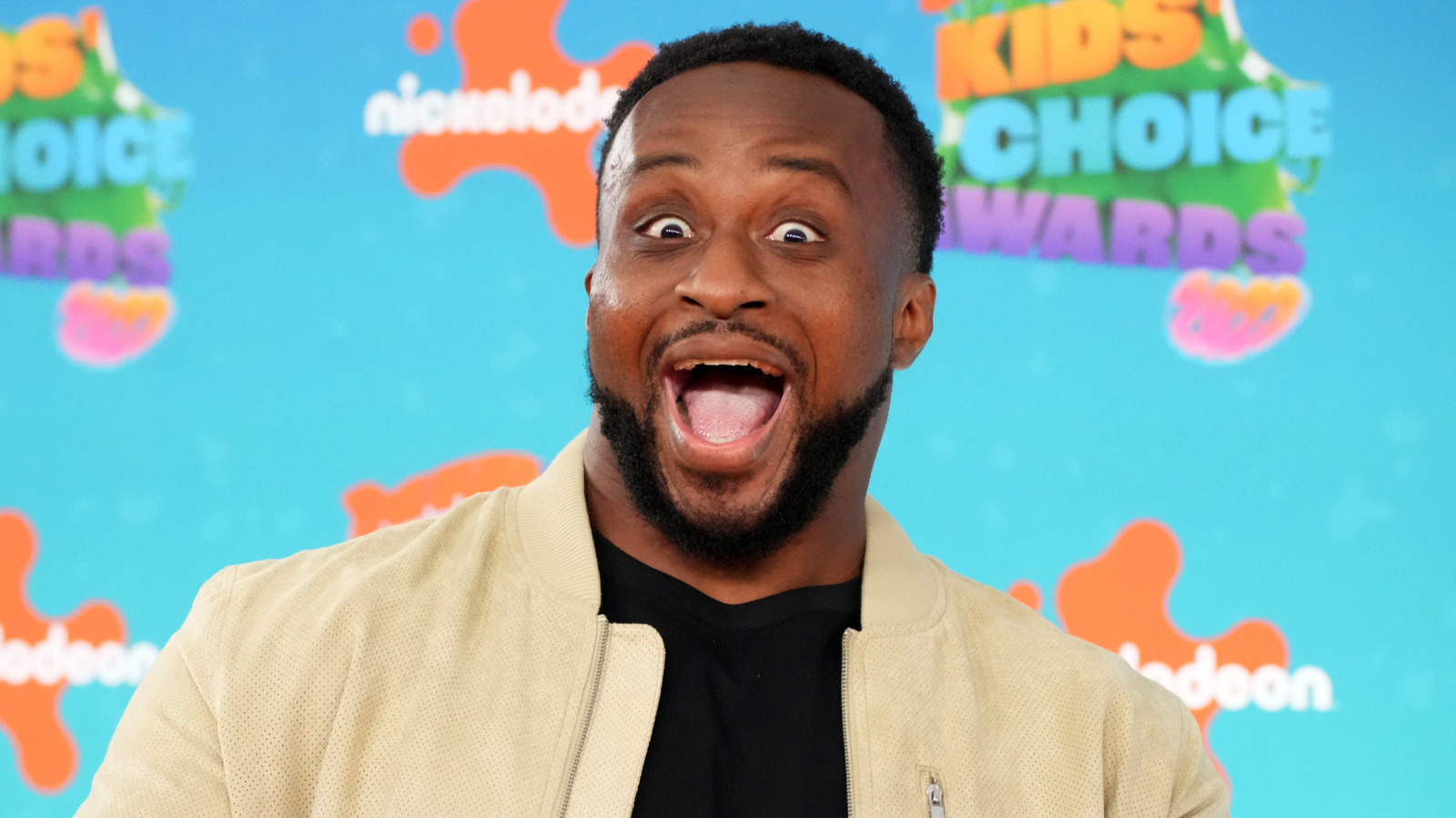
On the other side stood The New Day. Xavier Woods, Kofi Kingston, and Big E were the undisputed kings of WWE's tag team division. They had broken the all-time record for the longest tag team championship reign. They were moving mountains of merchandise, throwing pancakes into crowds, and playing the trombone on national television. They were massive mainstream stars constrained by WWE's rigid, heavily scripted environment.
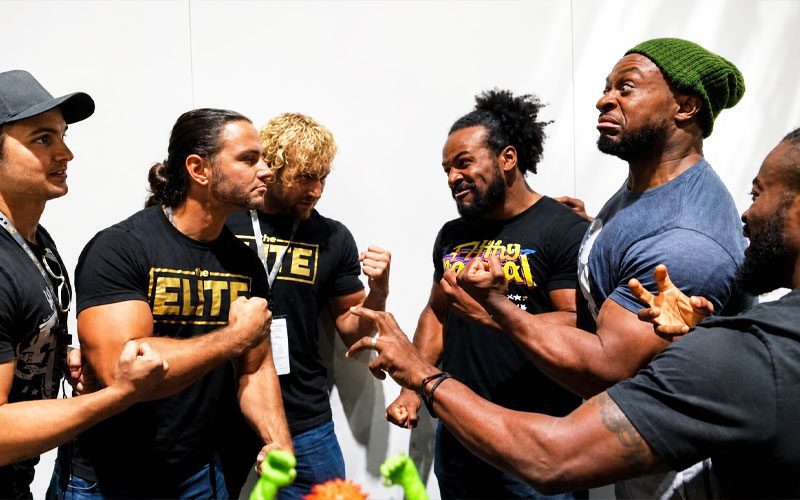
These two factions were worlds apart contractually. But the internet brought them together. A rivalry began brewing organically on Twitter and YouTube. It crossed the streams between The Young Bucks' wildly popular "Being The Elite" series and Xavier Woods' "UpUpDownDown" gaming channel. This wasn't a standard wrestling angle. It was a grassroots digital feud built by the talent themselves, bypassing the traditional television writers' room completely.
This digital animosity culminated in a highly publicized Street Fighter V showdown at the Electronic Entertainment Expo in June 2018. Capcom hosted the event on a massive stage, treating it like a legitimate main event. Big E cut a blistering, arena-ready promo that blew the roof off the convention center. The crowd was packed with diehard wrestling fans wearing both Bullet Club and New Day gear. Kenny Omega famously defeated Xavier Woods in the digital clash, cementing his status as the superior gamer. Fans ate up the crossover. Everyone assumed a physical wrestling match was a logistical impossibility. WWE simply did not play well with others.
We were entirely wrong about their ambitions. The Elite didn't just want a virtual fight over a console. They wanted to step between the ropes with The New Day. And they took the idea straight to the executive suites of WWE's talent relations department.
The Audacious Pitch to Paul Levesque
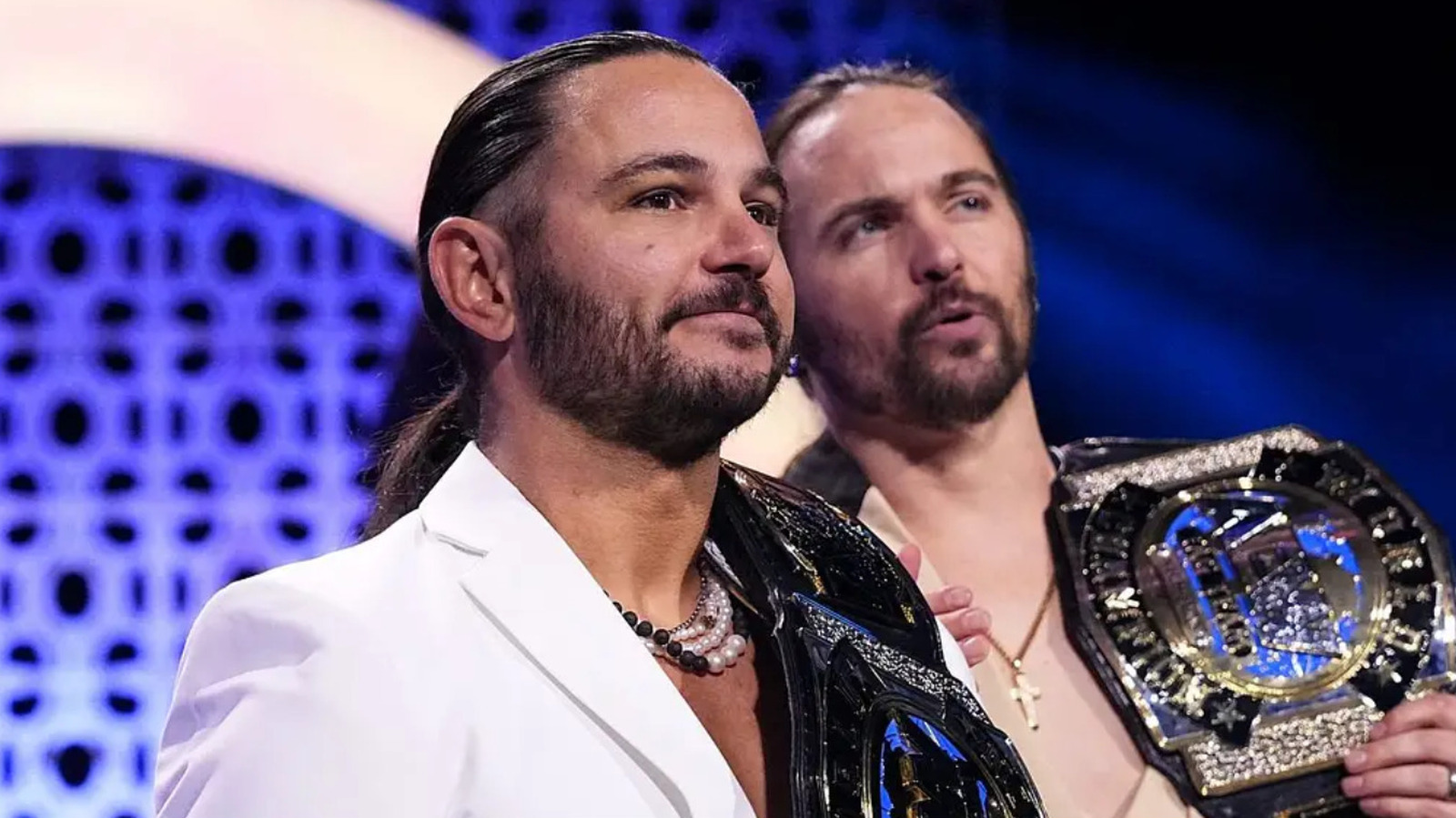
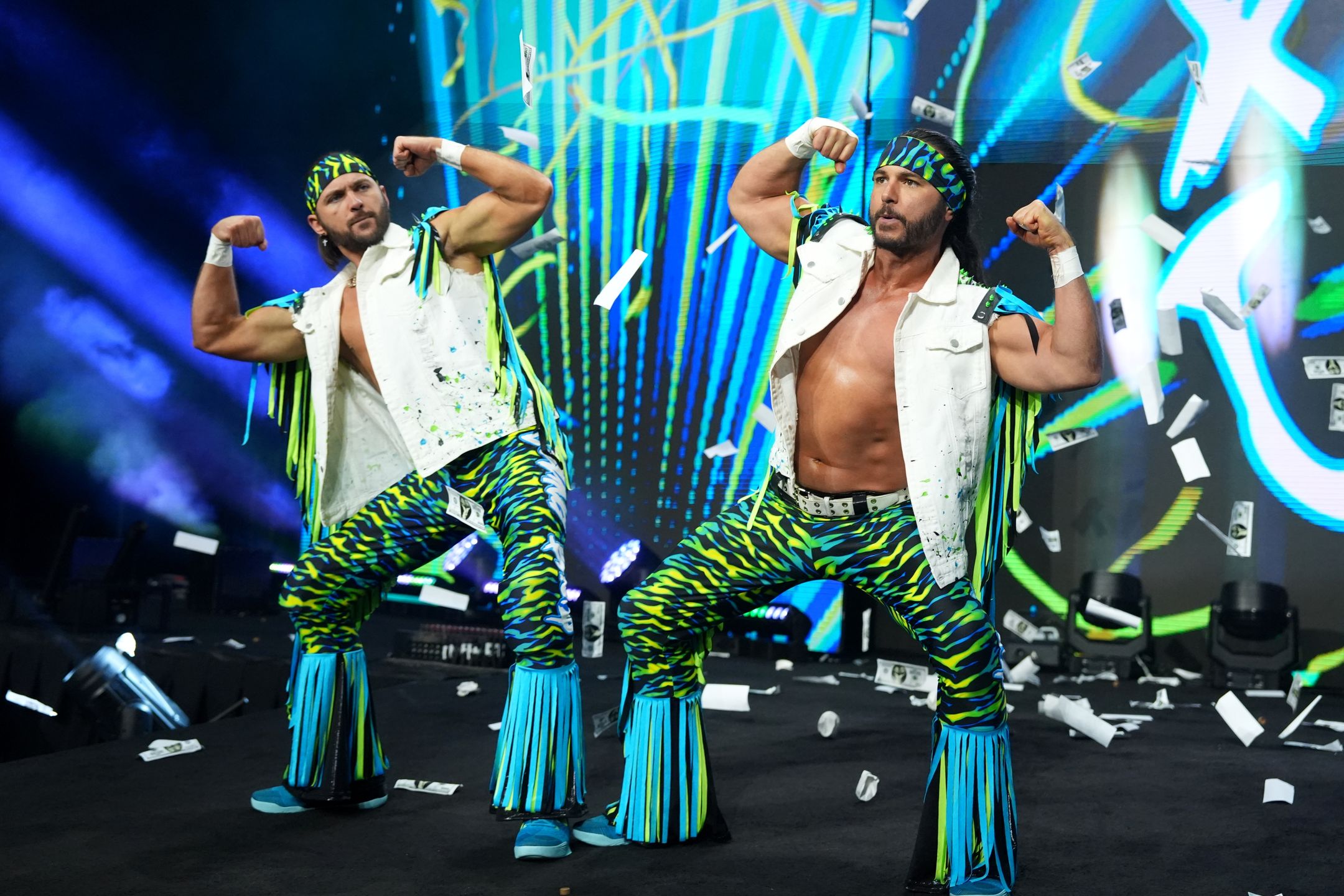
According to a shocking new interview with Matt Jackson, covered today by WrestleTalk, the Young Bucks actually picked up the phone and called Paul Levesque. They aggressively pitched a legitimate, sanctioned six-man tag team match between The Elite and The New Day. They had a concrete plan to make it happen.
"We were serious about doing the match, and we thought we'd probably be able to do it."
Read that quote from Matt Jackson again. Let the absurdity sink in. They genuinely thought they could pull this off. In 2018, Vince McMahon was firmly entrenched in the Gorilla Position. WWE operated as a walled garden. The idea of acknowledging contracted talent from outside promotions on WWE programming was considered corporate heresy.
Yet, Matt and Nick Jackson believed Levesque was their golden ticket. Levesque was running the black-and-gold era of NXT. He was aggressively recruiting independent darlings like Kevin Owens and Finn Balor. The Bucks likely assumed Levesque saw the massive financial upside in a cross-promotional dream match. The factions already had a built-in feud. They just needed a ring.
As F4WOnline reported, the discussions went much further than anyone previously realized. The mere fact that Triple H took the call and entertained the proposal shows a crack in WWE's isolationist armor. But entertaining a radical idea and successfully executing it under McMahon's watch are two entirely different beasts.
A Brutal Clash of Styles
Let's analyze this critically. What would have actually happened if Levesque managed to push this dream match through McMahon's office? The bout almost certainly would have been a massive disappointment.
WWE's main roster agenting in 2018 was notoriously rigid. The Elite were accustomed to calling their matches on the fly. They relied on frantic pacing, dangerous apron bumps, and complex tandem offense. A WWE-sanctioned match against The New Day would have been heavily policed by road agents who despised independent wrestling tropes. It likely would have featured a plodding five-minute heat segment isolating Kofi Kingston to build a painfully slow hot tag. We would have suffered through a commercial break immediately following a standard suicide dive.
Furthermore, WWE's banned move list would have neutered The Elite's arsenal. Piledrivers were strictly forbidden. That means the Meltzer Driver—a springboard spike tombstone and the Bucks' signature finisher—would have been absolutely vetoed by the front office. The chaotic energy that defined Matt and Nick Jackson would have been completely suffocated by WWE's sterile television format.
Then there is the issue of the finish. There is zero chance McMahon was going to let his champions lose clean to guys who refused to sign exclusive contracts. The Elite would have been forced to stare at the lights. Kenny Omega might have hit a spectacular V-Trigger on Big E, but the match was always going to end with a Midnight Hour on Matt Jackson. It would have been booked to explicitly prove WWE's superiority.
Getting pinned in a restricted WWE match would have killed their independent momentum dead in its tracks. Instead, they took that massive frustration and channeled it into their own historic project. They realized the old system was entirely broken.
The Catalyst for an Industry Revolution
If Triple H had agreed to the match, the trajectory of professional wrestling changes forever. A working relationship with WWE might have satisfied The Elite's creative itch. There might never have been an All In pay-per-view in September 2018.
All In was the direct result of the Bucks and Cody Rhodes realizing they had to create their own platform. They booked the Sears Centre Arena and sold it out in less than 30 minutes. That independent show proved the absolute viability of an alternative mainstream wrestling product. It was the proof of concept that led directly to Tony Khan stepping in and funding All Elite Wrestling.
By rejecting the New Day crossover, WWE inadvertently laid the groundwork for their first billionaire-backed competitor since WCW folded. The Elite realized they could not rely on McMahon to facilitate their dream matches. They had to build their own stadium.
Cody Rhodes was also a massive factor during this specific timeframe. Having recently left WWE out of sheer creative frustration, he was operating as the ultimate independent wrestling renegade. If Levesque had successfully brokered this New Day match, it would have forced WWE to acknowledge Rhodes' immense success outside their system. They simply weren't ready to do that in 2018. Now, Rhodes is the undisputed face of WWE. The irony of that power shift cannot be overstated.
Today, as we sit weeks away from AEW Double or Nothing on May 24, 2026, the industry is permanently altered. AEW is an entrenched television property. The New Day are still iconic veterans in WWE. The crossover match never actually happened in a wrestling ring. But that failed phone call shaped the modern industry.
It highlights the immense stubbornness of WWE's old guard. They left money on the table because they refused to share the spotlight. Levesque might be running the main roster with an open mind today, but in 2018, his hands were tied. A simple "yes" from Stamford could have prevented the birth of AEW entirely.
Instead, we got the Street Fighter match. Omega picked Akuma. Woods picked Ken. They fought on a digital screen while the real battle for the future of the professional wrestling business was being fought in boardrooms. In the end, The Elite won both. They proved that true power in wrestling comes from owning the ring, not just stepping into someone else's.