Measuring the distance between legacy and corporate mandates
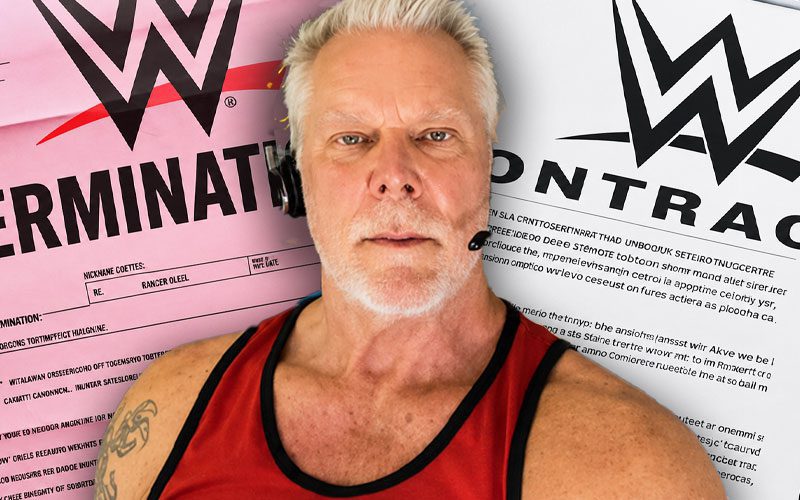
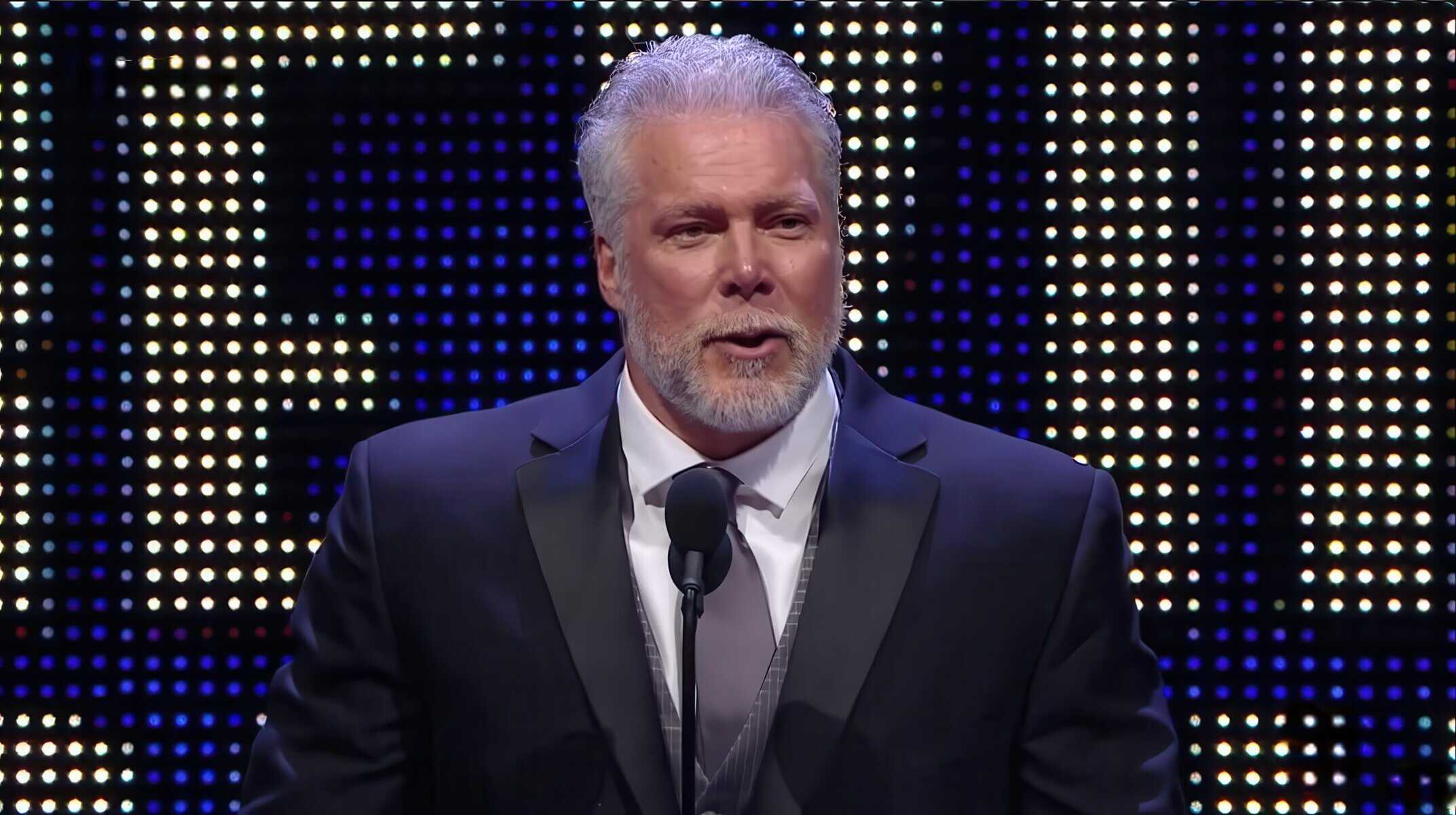
Kevin Nash recently defined his boundary for working with WWE, anchoring his position not on creative dissatisfaction but on the material handling of his legacy. While he remains a fixture of the company's historical programming, the gap between the wrestling territory era and the current TKO-backed corporate structure is widening daily.
We can look at the transition through the lens of longevity and contract structure. In the 1990s, Nash’s influence was tethered to performance frequency; he wrestled over 200 matches in his peak 1994 calendar year. Today, his involvement has shifted to the 0.5% of the product that is retrospective, functioning as a brand ambassador rather than an active asset.
The metrics of the modern wrestling executive
The transition to TKO ownership has fundamentally altered how legends interact with the brand. It is no longer about maximizing nightly gate receipts or television ratings through pure performance. It is about intellectual property retention.
Data from the current fiscal cycle shows that WWE’s reliance on historical assets has pivoted from active exploitation to preservation. When Nash critiques the current corporate oversight, he is highlighting a conflict between the loose, improvised nature of the 1990s and the rigid, metrics-driven reporting required by a publicly traded entity operating under the TKO umbrella.
Risk assessment and the point of no return
Nash identified the point of no return as any scenario where the company would attempt to license his name or likeness in a manner that compromises his perceived integrity. This is a standard conflict for performers entering their sixth decade of life. The 67-year-old industry structure is constantly grappling with how to monetize the past without alienating the figures who built it.
Critics often point to the heavy hand of corporate oversight, but the numbers suggest market stability. Since the merger, the company has seen sustained interest levels that dwarf the volatility of the mid-2000s. However, the cost is a loss of the improvisational edge that made Nash a top-tier draw in the recent reporting on his WWE status.
The missed opportunity of personal creative control
There is a recurring flaw in how modern wrestling handles its veterans, characterized by an over-reliance on nostalgia-baiting instead of constructive consultation. By limiting legends to cameos rather than utilizing their tactical knowledge in back-of-house roles, the organization loses 30 years of on-the-ground experience.
The current booking strategy often ignores the nuance Nash cultivated during his time in both major promotions. While the $21 billion valuation of TKO suggests the current path is effective, the alienation of foundational talent remains a structural risk. If the talent stops believing in the sanctity of their own brand, the utility of the partnership drops toward zero.