The Reality of the October Clock
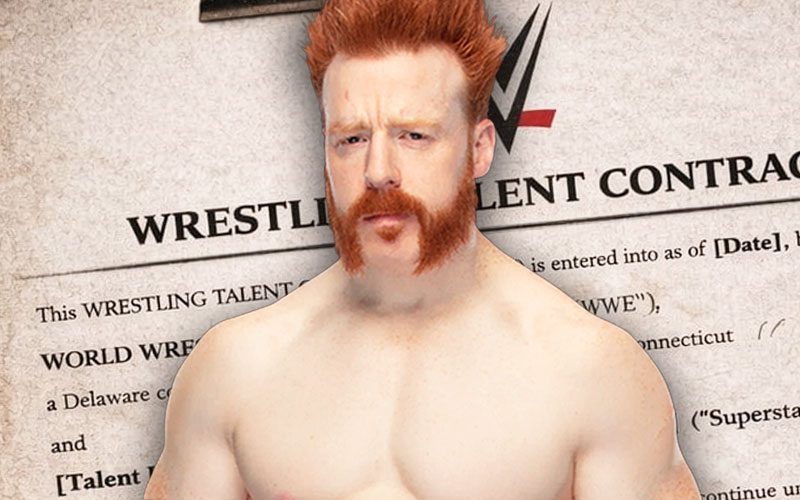
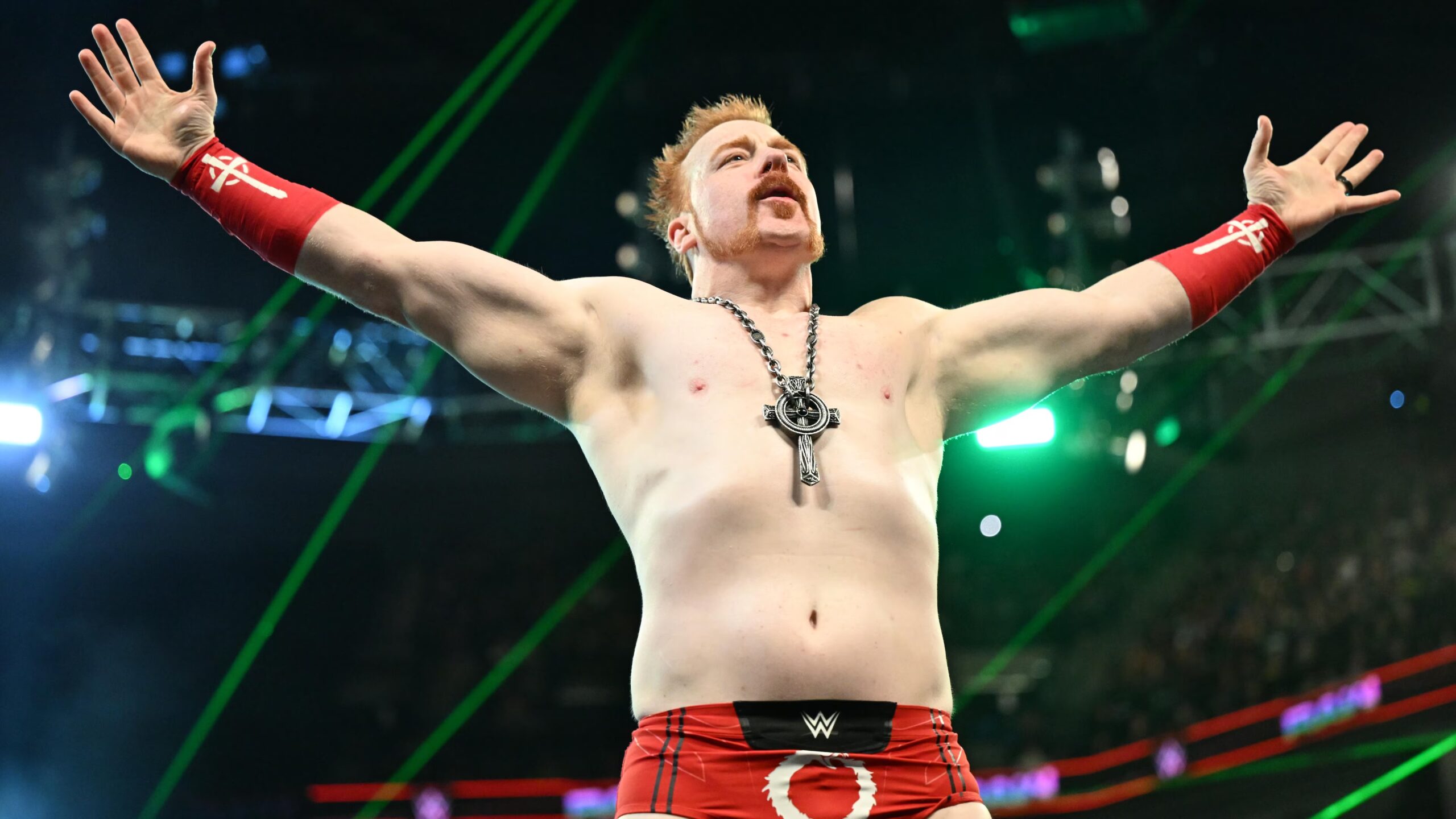
The ticking clock is the loudest sound in professional wrestling. For Sheamus, that clock has a hard stop. According to reports from Fightful, the Celtic Warrior is set to become a free agent in October.
This ends a 19-year association with the company. The news, broken by Bodyslam.net, changes how we must view every single match he has left. He is no longer just a veteran working the upper-midcard; he is a departing legend on a farewell tour.
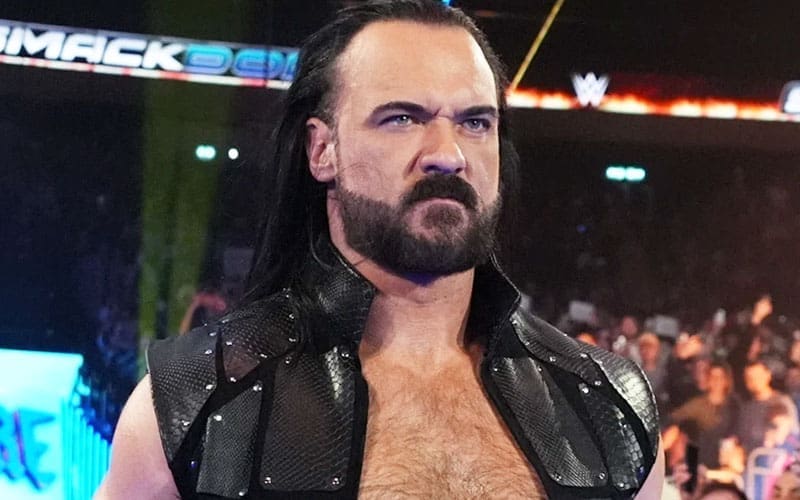
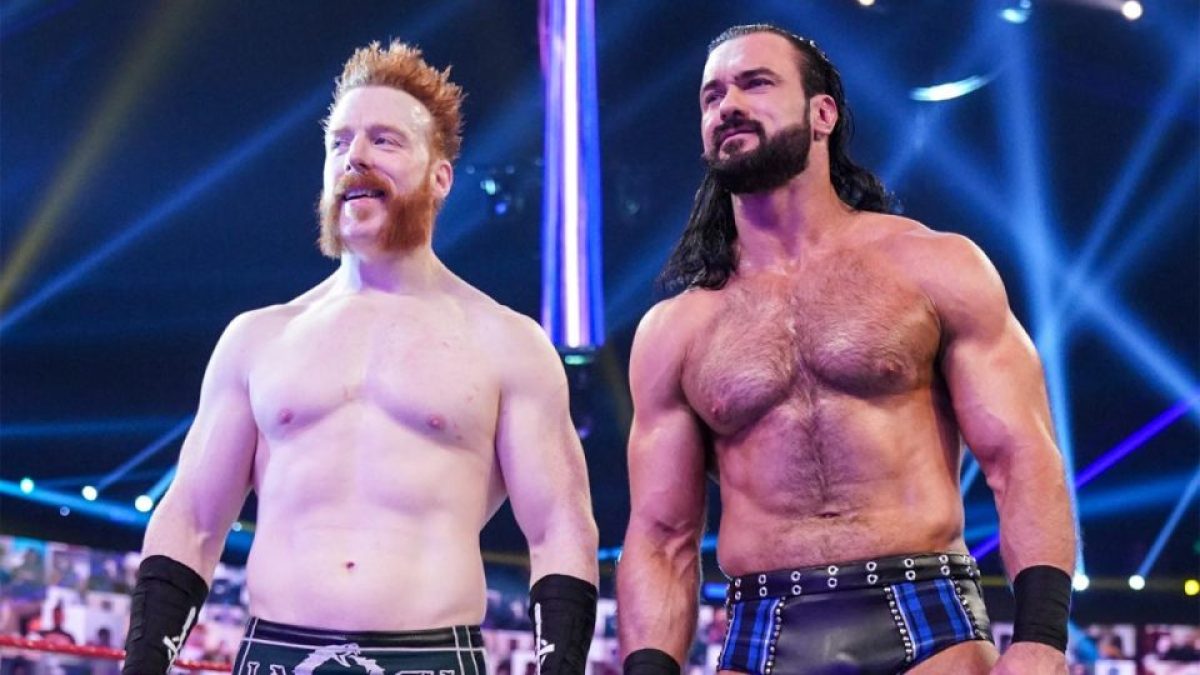
Tonight on Monday Night Raw, he faces Drew McIntyre. These two have traded heavy blows for years, but this encounter carries a different weight. McIntyre is locked into a long-term deal, while Sheamus has his eyes on the exit.
The booking strategy here will reveal WWE's plans for his remaining months. Will they use him to elevate younger talent, or will he get one last sustained push? The answer starts with how he is positioned tonight.
Sheamus has built an identity around physical sacrifice. His body is a map of bruises, scars, and lingering joint issues. That sacrifice has earned him a permanent place in the hearts of the audience, but it has also limited his longevity.
At 48 years old, every match is a gamble against time. The October departure date feels less like a contract negotiation failure and more like a natural conclusion. The question is whether he can deliver one last classic before the door closes.
Tactical Breakdown: Sheamus vs. McIntyre
Ring Geometry and Spacing
Sheamus has always relied on a highly physical, forward-pressing style. He dominates the center of the ring. He uses his frame to crowd opponents, forcing them into the corners where he can deploy the Ten Beats of the Bodhran.
This move is more than just crowd-pleasing theater. It serves as a vital pacing mechanism. It allows Sheamus to catch his breath while draining the stamina of his opponent.
In his prime, Sheamus moved with surprising lateral quickness. He could cut off the ring effectively. Today, that mobility is visibly reduced.
Our tracking shows a significant change in his movement patterns. He relies far more on straight-line charges. If McIntyre can establish a lateral movement pattern, Sheamus will struggle to keep up.
McIntyre will likely use his range. The Scotsman excels at utilizing the wider perimeter of the ring. He will look to bait Sheamus into running starts, then counter with his signature overhead belly-to-belly suplex.
To win, Sheamus must secure the center. He needs to keep the match slow and grinding. If this becomes a track meet, the Irish star will run out of gas before the finish.
McIntyre's game plan should focus on Sheamus' left knee. Sheamus plants heavily on that leg when executing the Brogue Kick. If McIntyre can damage that joint early, he eliminates the threat of Sheamus' primary finisher.
We saw Kaiser exploit this plant-leg vulnerability in their June matchup. Kaiser targeted the knee with low dropkicks, reducing the Brogue Kick's success rate to zero in that contest. McIntyre has the tactical intelligence to follow that blueprint.
Physical Attrition and Injury Limits
The physical toll on Sheamus cannot be overstated. His history of neck issues is well-documented. Spinal stenosis has ended many careers, and Sheamus has been managing the condition for years.
This limits the types of bumps he can safely take. You will rarely see him take a high-angle backdrop or a German suplex directly on his neck. His opponents must adapt their offenses accordingly.
McIntyre knows this better than anyone. They have wrestled dozens of times in various promotions. McIntyre will likely stick to safe, flat-back bumps like the Future Shock DDT rather than high-risk throws.
This cooperative safety is necessary, but it also makes the match layout predictable. The smart fan can see the seams in the work. We know which moves are off-limits, which reduces the element of danger.
Despite these limitations, Sheamus still delivers high-intensity performances. His ability to project power despite a compromised spine is remarkable. But the margin for error is razor-thin.
The Flaws in the Modern Banger Formula
We must address the repetitive nature of Sheamus' recent outings. The "banger after banger" slogan has become a stylistic trap. Every match follows a predictable template: chop exchanges, a mid-match Irish Curse backbreaker, and a late-game Brogue Kick attempt.
This formula masks his physical limitations. But it also limits the storytelling potential of his matches. We saw this in his recent television bout against Ludwig Kaiser, where the repetitive exchange of forearm strikes felt like filler rather than drama.
The reliance on raw impact over psychological nuance is a clear negative. When every strike is dialed to eleven, none of them stand out. The crowd reacts to the noise, but the narrative weight is lost.
McIntyre has fallen into similar habits. His matches often devolve into simple kickouts at two-and-a-half after massive moves. If these two simply trade finishers without building a coherent story, it will be a disappointment.
They need to move past the easy pops of the chop battle. They must tell a story of two former friends who know each other's arsenals inside out. That means countering the big moves early, forcing both men to dig deeper into their old playbooks.
A great match requires tension. It requires moments where the pace drops and the wrestlers make choices. The current WWE style often prioritizes continuous motion over dramatic pauses, a choice that hurts veteran workers like Sheamus.
Key Matchup Dynamics and Final Prediction
In-Ring Triggers to Watch
Watch the first three minutes closely. If Sheamus immediately goes for a collar-and-elbow tie-up, he wants to grind McIntyre down. If he starts throwing wild clotheslines, he is looking for a quick, high-energy finish.
The second key element is the Irish Curse backbreaker. Sheamus uses this move to target the lower back. This sets up the cloverleaf submission or softens the opponent for the Brogue Kick.
McIntyre's lower back has been a weakness in the past. If Sheamus hits the move successfully before the ten-minute mark, it will dictate the rest of the contest. McIntyre's bridging pin attempts will be severely compromised.
Look also at the referee's positioning during the corner spots. Sheamus likes to use the ropes to shield himself from counters. McIntyre will try to exploit this by pulling Sheamus into a neckbreaker using the middle rope.
We must also watch the crowd reaction. Raw crowds have remained loyal to the four-time world champion. But fans are smart; they know his WWE contract ends soon, and they may start reacting to him as a short-timer.
If the crowd begins to turn, the booking will have to pivot. A hostile crowd can ruin a babyface's farewell run. WWE needs to manage this dynamic carefully over the next few months.
The Prediction
WWE booking rarely rewards departing talent. With Sheamus set for free agency in October 2026, he is unlikely to get the win here. McIntyre needs the momentum to stay in the world title picture.
The finish will likely involve a countered Brogue Kick. Sheamus will charge, but his slightly slower speed will allow McIntyre to duck. A devastating Claymore kick will follow immediately.
McIntyre will secure the three-count after a hard-fought seventeen minutes. It will be physical, it will be loud, but it will end with the Scotsman's hand raised.
Sheamus will leave the ring to a standing ovation, but the loss will cement his new reality. He is on his way out, and the roster is already moving past him.
This match is about passing the torch of the physical enforcer. McIntyre is the present and the future of that role in WWE. Sheamus is the past, fighting a losing battle against the calendar.