The Big Picture
Kevin Nash is the ultimate wrestling realist. He never pretended the business was anything more than a way to maximize a paycheck while minimizing physical toll. While purists loathe his booking decisions, Nash understands the power of leverage better than anyone who ever stepped through the ropes.
10. The 8-Second Massacre of Bob Backlund
In November 1994, the Diesel character officially moved from sidekick to center stage. Nash dropped Bob Backlund in eight seconds at Madison Square Garden to win the WWF Championship. It was a statement move by Vince McMahon, signaling the end of the technical wrestling era and the birth of the giant-led New Generation. While the match lacked any actual wrestling, it proved that Nash possessed the specific kind of presence that didn't require a 20-minute clinic. It also set the stage for one of the lowest-drawing title reigns in history, proving that look isn't everything.
9. The Quad Tear Heard 'Round the World
Wrestling fans can be cruel, and nothing defines the latter half of Nash's career more than his 2002 return to Raw. In a ten-man tag match, Nash tagged in, delivered a few big boots, and promptly tore his quad while walking across the ring. It became the ultimate meme before memes were a currency, symbolizing the physical fragility of the Kliq's heavy hitter. This moment earns a spot because it forced a pivot in how veterans were used on television. It showed that even a 7-foot giant has a shelf life that no amount of charisma can extend.
8. The Vinnie Vegas Experiment
Before he was Big Sexy, Nash was stuck in the doldrums of early 90s WCW as Vinnie Vegas. This period is often overlooked, but it was where Nash learned to talk. Playing a gambling-themed powerhouse, he realized that his dry wit was a more potent weapon than a sidewalk slam. He was surrounded by gimmicks like Oz, which featured a lime-green castle and a cape that cost more than some wrestlers made in a year. Vinnie Vegas was the first time we saw the real Kevin Nash peeking through the corporate branding.
7. The MSG Curtain Call
In May 1996, the Kliq decided to kill kayfabe in front of a live crowd. Nash and Scott Hall were leaving for WCW, and they shared a public embrace with Triple H and Shawn Michaels. It was a middle finger to the traditionalists who believed wrestlers should hate their rivals even at the airport. This moment changed the industry by proving that fans cared more about the people behind the characters than the characters themselves. It was an act of massive ego, but it paved the way for the reality-based storytelling of the Attitude Era.
6. The TKO Reality Check
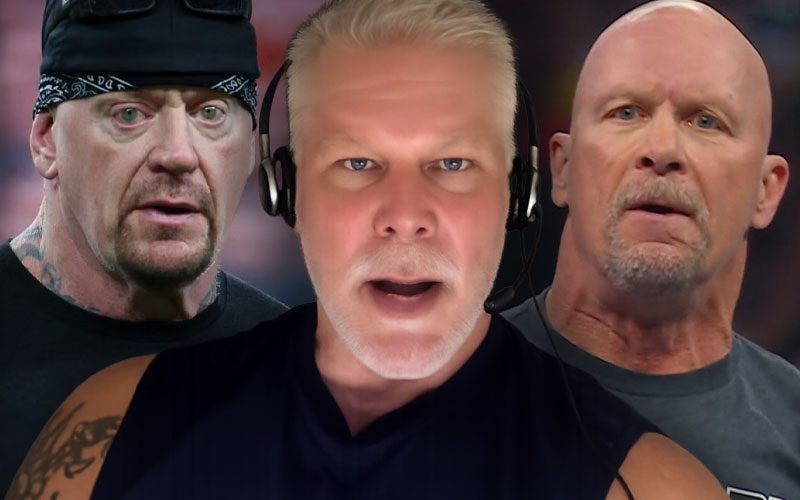
Nash hasn't mellowed with age, and his recent comments about the TKO merger are some of his most biting work. According to Ringside News, Nash believes the new regime fails to respect the legends who built the foundation of the company. He specifically pointed out the treatment of icons like Steve Austin and The Undertaker during the recent WrestleMania 41 weekend in Las Vegas. Nash argued that the corporate atmosphere has become sterilized, losing the grit that made wrestling a cultural phenomenon in the first place. It is a critical perspective that suggests the business is becoming a spreadsheet rather than a spectacle.
5. Ending the Goldberg Streak
Starrcade '98 remains one of the most controversial nights in wrestling history. Nash, as the head booker of WCW, decided he was the right man to end Goldberg's 173-0 winning streak. The finish involved a cattle prod, a taser, and a Powerbomb, leaving a sour taste in the mouths of thousands in attendance. It was a classic Nash move: prioritizing a shocking moment over a long-term babyface investment. While it gave Nash the title, it effectively neutered Goldberg's aura and began the slow decline of WCW's dominance. This was Nash at his most selfish and his most impactful.
4. Calling Out the Soulless Corporate Era
Building on his TKO criticisms, Nash recently described the WrestleMania 41 weekend as feeling entirely soulless. As F4WOnline reported, Nash felt the weekend lacked the camaraderie and history that usually defines the biggest event of the year. He noted that the focus has shifted toward VIP hospitality packages and corporate synergy rather than the locker room brotherhood. Nash is one of the few veterans with the financial security to speak this truth without fear of losing a Legends contract. His willingness to burn bridges with the current office makes him a rare, authentic voice in a sea of corporate shills.
3. The Fingerpoke of Doom
On January 4, 1999, Nash stood across from Hulk Hogan on Nitro and went down after a single finger to the chest. It was the night the nWo reunited, but it was also the night WCW died for many fans. The logic was to consolidate power, but the execution was an insult to the audience's intelligence. Nash has defended the move for decades, claiming it was meant to set up a bigger payoff that never came. In reality, it was a moment of peak Kliq hubris that sent thousands of viewers flipping the channel to see Mankind win the WWF title on Raw. It is the gold standard for how not to book a main event.
2. The Outsiders Invade Nitro
When Nash walked through the crowd and stood on the entrance ramp in June 1996, the world thought the WWF was invading WCW. He looked like a legitimate threat, a man who didn't belong in the bright, colorful world of Ted Turner's wrestling company. Along with Scott Hall, Nash brought a sense of danger that had been missing for a decade. They weren't there to cut promos about 'hustle' or 'loyalty'; they were there to take over. This arrival was the spark that led to the 83-week winning streak in the ratings and the most successful period in wrestling history.
1. The Formation of the nWo
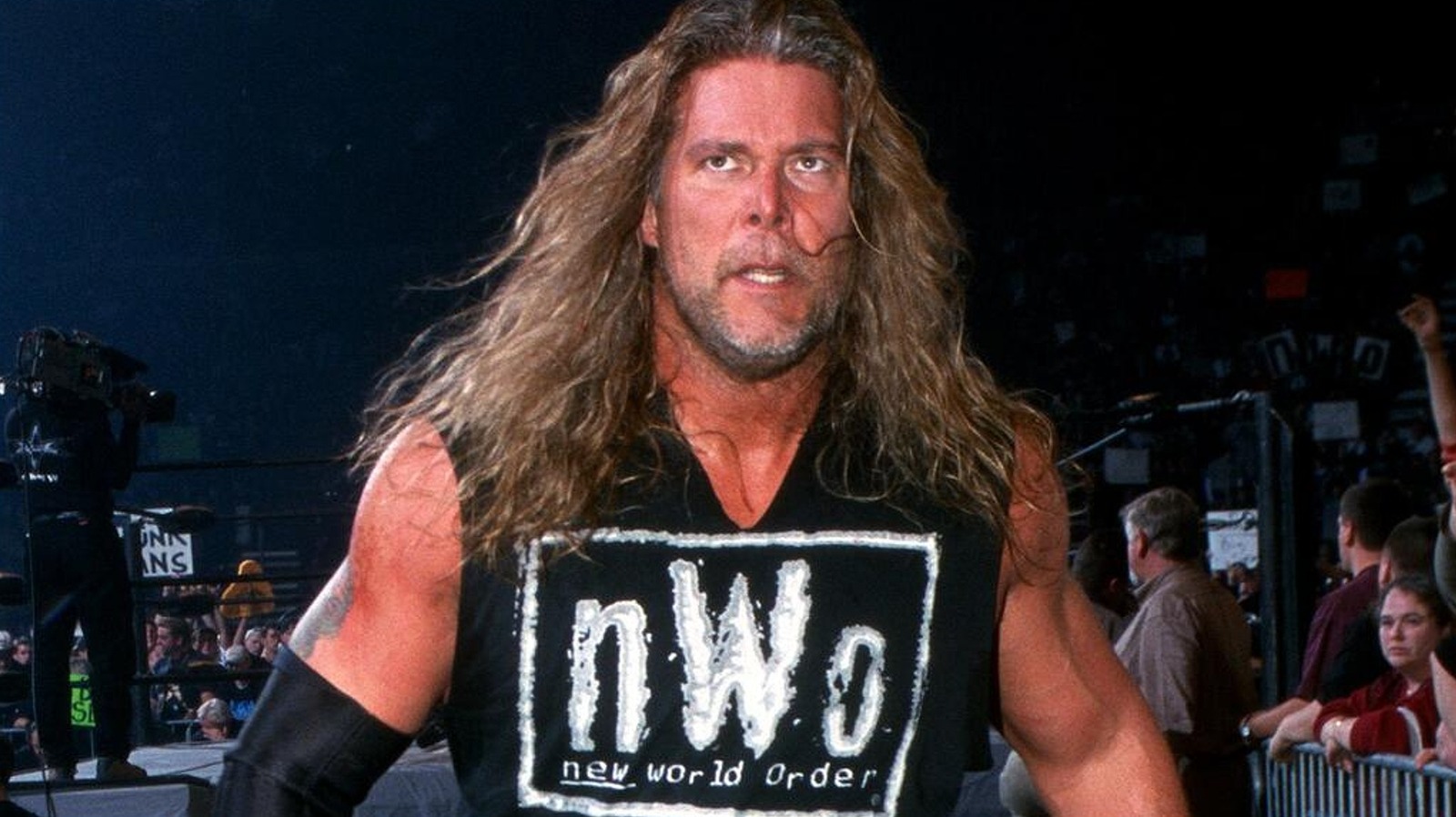
The Bash at the Beach 1996 is the most important night of Kevin Nash's career. When he stood next to Hulk Hogan and Scott Hall as the 'Third Man' was revealed, the New World Order was born. Nash provided the cool factor that Hogan lacked and the size that Hall didn't have. He was the enforcer of the group that changed everything from merchandise sales to how contracts were negotiated. Without Nash, the nWo would have just been a Hogan heel turn; with him, it was a cultural revolution. It remains the peak of his career and the reason he still carries weight in the industry today.
Honorable Mentions
Nash’s run in TNA as the mentor to the Paparazzi Championship Series deserves a nod for showing his comedic range. His 'Sloppy Joe' commentary and interaction with Alex Shelley proved he didn't need to be in the main event to be entertaining. Additionally, his role in the Magic Mike films showed he could successfully transition to Hollywood, something many of his peers failed to do. Despite his flaws as a booker, Nash remains one of the most influential figures to ever lace up a pair of boots.