The transition reality
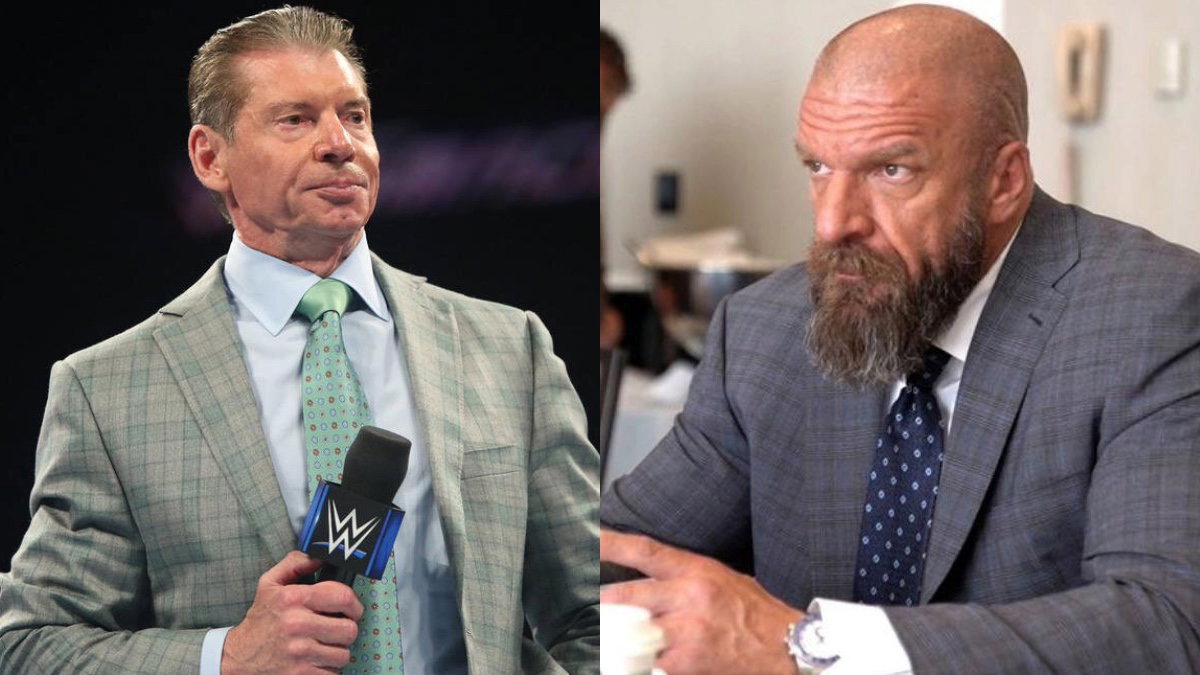
Two years removed from the July 2022 pivot point, the professional wrestling landscape is defined less by radical reinvention and more by incremental adjustment. When Vince McMahon retired, fans expected a total rupture of the status quo. Instead, the current creative direction under Triple H serves as a laboratory for balancing legacy booking with modern, movement-focused in-ring transitions.
We are watching a product that values internal continuity over high-concept shock. For observers, the shift is visible in the pacing of main events. Where matches previously anchored themselves around signature moments, the current format leans into technical sequences. Yet, there remains a persistent criticism regarding the lack of sustained narrative follow-through for lower-card performers.
Tactical friction in the boardroom
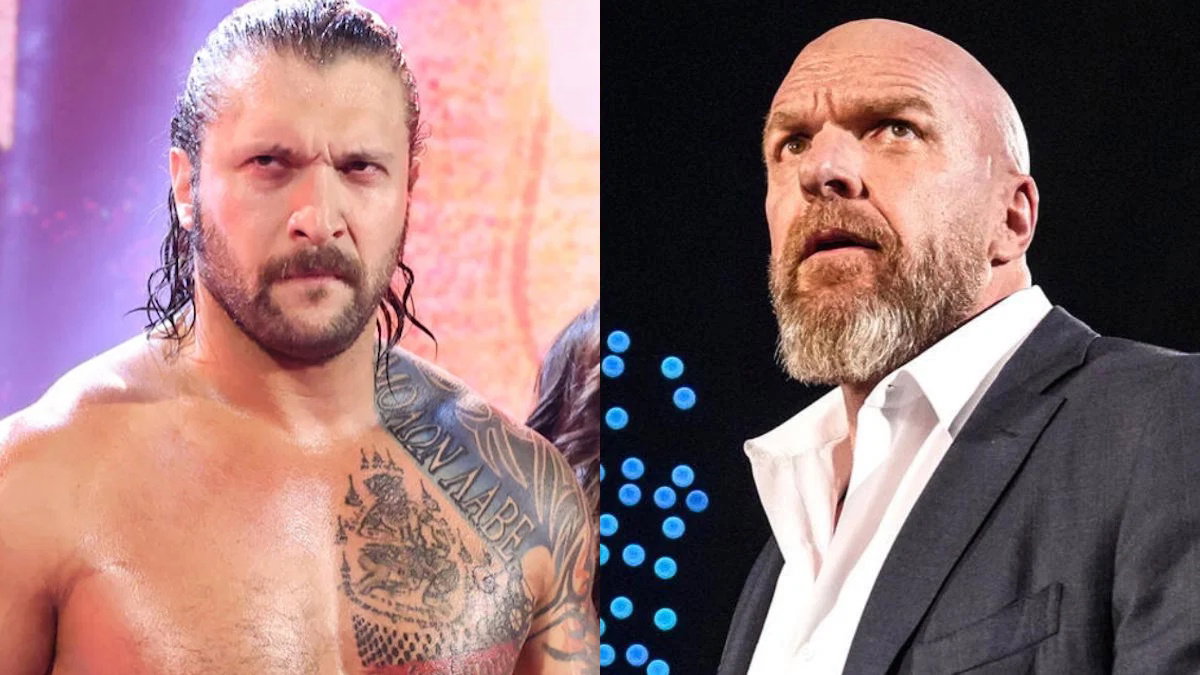
The recent recollections from former talent regarding conversations with Triple H during the takeover underscore a specific tension. The internal directive prioritized stability during a period of massive corporate upheaval. Maintaining the bottom line necessitated a shift away from the erratic booking patterns that defined the final years of the previous regime.
However, that stability comes at a cost of creative friction. If the front office is not listening to the specific feedback of veterans, the roster risks stagnation. Wrestlers who thrive on improvisational freedom are finding their ceilings lowered by pre-planned choreography. The data from recent shows indicates a decrease in average match length, with many bouts hitting a hard cap of 14 minutes, often compromising the storytelling flow.
The upcoming test of consistency
Looking ahead, the focus must shift to how the creative team handles the mid-card churn. The current rhythm feels stuck. If booking continues to isolate performers from their natural crowd reactions, the audience will eventually disengage. Wrestlers like those featured in the recent reporting were seeking a collaborative dialogue that appears absent.
My prediction for the remainder of the quarter is modest: expect a reliance on legacy stars to bridge the gap while younger talent is relegated to sub-10 minute showcases. Without a fundamental change in how the creative team integrates feedback, the product will remain technically sound but emotionally sterile. It is a calculated, safe approach that wins the quarter but risks losing the long-term momentum that defined the industry’s better eras.