The Big Picture
Triple H sits firmly at the center of modern wrestling history, both as a physical force in the ring and an executive architect backstage. His career is defined by strategic shifts—from the rebellious spirit of D-Generation X to the iron-fisted control of The Authority and his current corporate oversight.
10. The 2018 Negotiations with The Elite
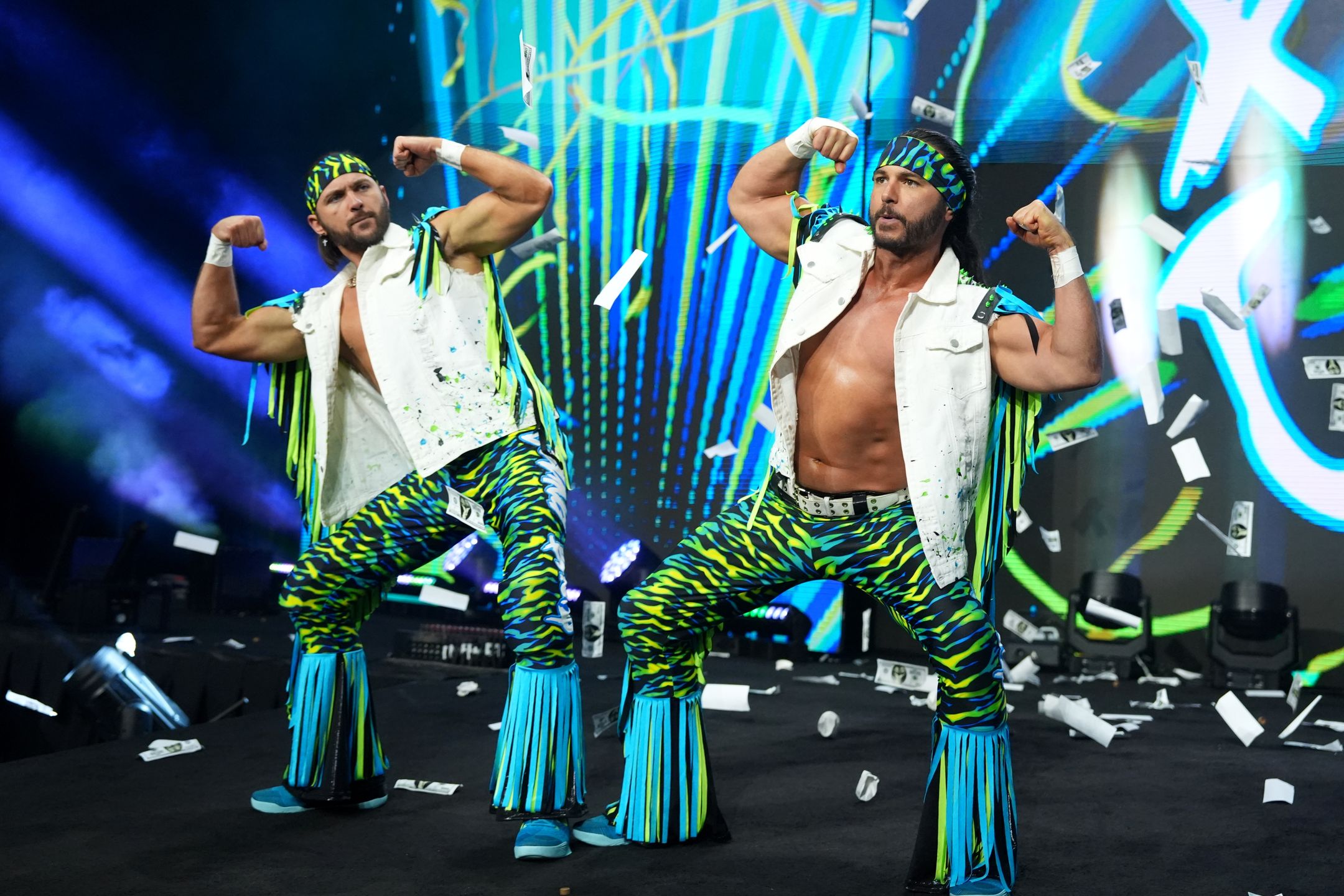
In mid-2018, the wrestling world buzzed with the potential for a massive inter-promotional clash. The Young Bucks reached out to Paul Levesque to pitch a dream match between The Elite and The New Day. This was a rare instance of a handshake deal culture meeting corporate reality at Titan Tower.
While the match never occurred, the willingness of all parties to talk highlights how Triple H managed talent relationships during that window. It represents a missed opportunity that fans still debate as a potential bridge between WWE and AEW. The rigid structure of professional contracts ultimately killed the momentum of this potential crossover event.
9. Forming The Authority
The dawn of the Authority in 2013 shifted WWE from a chaotic era to a sterile, corporate-dominated machine. It worked initially, generating massive heat for Bryan Danielson during his ascent to the main event at WrestleMania XXX. The angle solidified Levesque’s evolution into a suit who could still throw a pedigree.
However, the gimmick overstayed its welcome by years. By 2015, the constant interference in main events drained viewers and slowed down the product. It remains the most divisive period of his late-career creative input.
8. The Transition to NXT
Triple H redefined the developmental pipeline in 2012 by turning NXT into a legitimate brand. He moved away from the reality-show style of FCW and prioritized work-rate heavy wrestling. This pivot brought in top-tier indie talent like Sami Zayn, Kevin Owens, and Finn Balor.
This era created a distinct product that functioned as a counterpoint to the raw show. It was a golden age of booking that proved Levesque could build a promotion from the ground up. This was his most successful period regarding talent development and brand identity.
7. The Birth of Evolution
In 2003, Evolution established Triple H as the gatekeeper of the industry. By pairing himself with Ric Flair, Randy Orton, and Batista, he built the premier stable of the Ruthless Aggression era. The faction was designed to keep the World Heavyweight Championship around his waist while simultaneously grooming future stars for the top spot.
Orton and Batista both became mega-stars because of this rub. It was classic politicking executed with precision. The only flaw was the recurring issue of Triple H going over younger talent when they were at their hottest peak.
6. The 2002 Return from Injury
Triple H tore his quadriceps in a tag team match in May 2001, sidelining him for eight months. His return at Madison Square Garden in January 2002 remains one of the loudest pops in history. It reset the trajectory of the Raw brand immediately.
He navigated the post-WCW landscape as the primary face of the company during the brand split. This run solidified his position as the main protagonist after the Austin and Rock era began to wind down. He cemented his status as the cornerstone of the company for the next decade.
5. D-Generation X
The formation of DX in 1997 saved Levesque’s career and injected necessary adrenaline into the late-90s product. By abandoning the Connecticut Blueblood persona, he found a character that matched his real-life edge. It was the perfect vehicle for the transition into the Attitude Era.
The group’s irreverent promos and segments pushed the boundaries of television standards. It was the launching pad for his main event run. Being the primary antagonist to the Hart Foundation made him a star.
4. The Iron Man Match at Judgment Day 2000
The rivalry against The Rock defined 2000 for WWE, and the 60-minute Iron Man match at Judgment Day was the pinnacle. Losing the fall to The Rock, 6-5, in the dying seconds of the match showed exactly how to lose to get an opponent over. It was a technical masterclass that displayed high-end stamina and storytelling.
This match proved that Triple H could carry the company as the primary heel anchor. It remains a blueprint for how to execute long-form matches without feeling stale for an hour. It solidified the rivalry between two of the top stars of the decade.
3. The Reign of Terror
From 2002 to 2005, the World Heavyweight Championship stayed attached to Triple H almost exclusively. This period, known as the 'Reign of Terror', was heavy on long, over-produced promos opening every show. It was a slog for viewers, but it established him as the final boss of the organization.
Critics point to this time as a major creative bottleneck that stunted popular babyfaces like Booker T and RVD. While dominant, it highlighted a lack of foresight regarding the long-term health of the roster. It remains the most controversial tenure of his in-ring career.
2. The Evolution of The Game Persona
Moving from 'Hunter Hearst Helmsley' to simply 'The Game' was a masterclass in character rebranding. He stripped away the pretense and became a gritty, self-serious brawler. It allowed him to match up against anyone from Mick Foley to The Undertaker.
This shift made him believable as a multi-time champion. Without this pivot, he likely would have remained a mid-card staple forever. It is the single most important personal development he made as a performer.
1. The Head of Creative Promotion
Stepping into the head of creative role in 2022 drastically altered the output of the weekly product. He shifted the focus toward long-form stories and internal consistency across Raw and SmackDown. The product became more athletic, grounded, and focused on in-ring logic.
While some fans argue the pacing has become too deliberate, the stability brought to the company is undeniable. It is his legacy move—moving from the man throwing the pedigree to the man calling the shots. He is now the architect of almost every major program on television.
Honorable Mentions
The debut of the Pedigree is the easy honorable mention for its sheer longevity as a finishing move. The 2011 pipebomb segment involvement also deserves a nod for how he played the straight man to CM Punk's chaos. Finally, his 2001 tag-team run with Stone Cold Steve Austin remains a fun, albeit short-lived, blip in his timeline.