The Only Number That Matters?
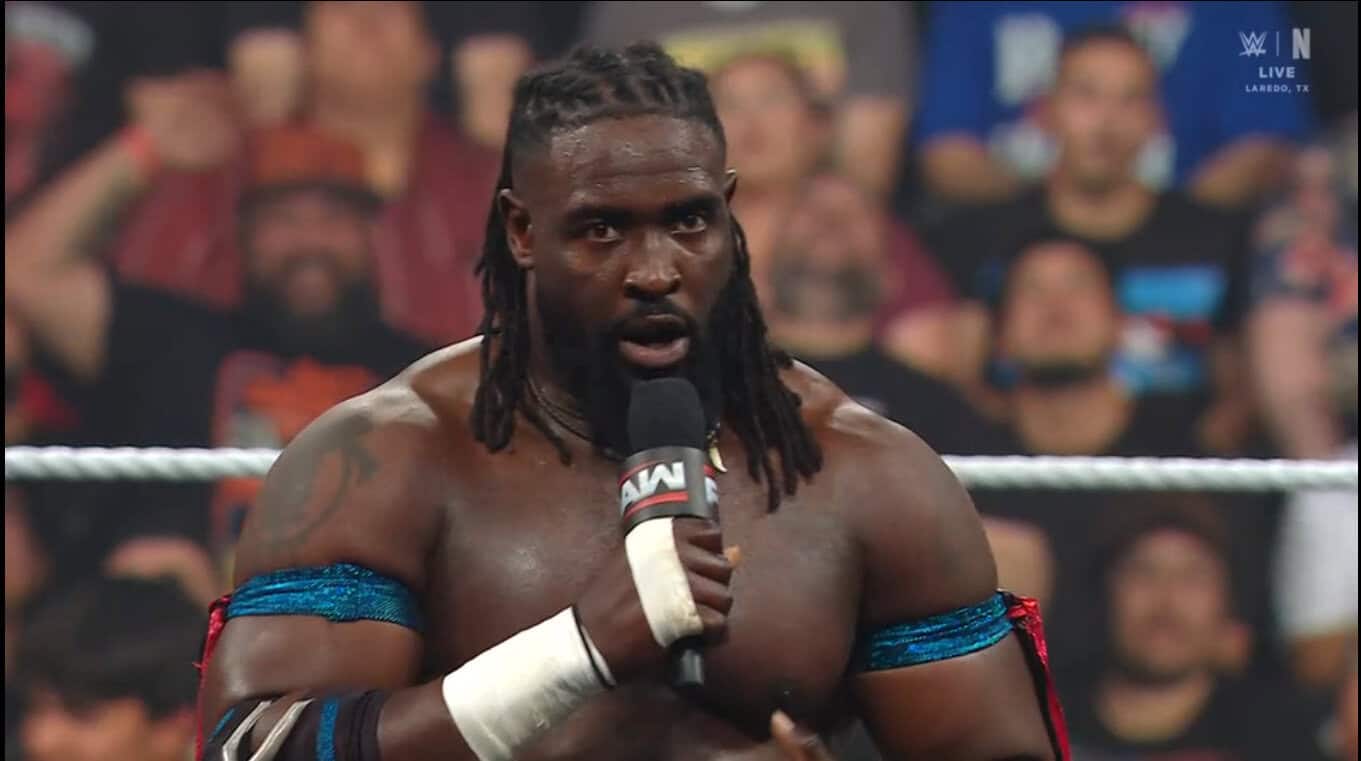
There's a fascinating tension at the heart of modern professional wrestling. It's a clash of generations, styles, and philosophies, all boiling down to one question: what truly measures a wrestler's success? Is it wins and losses? Is it the five-star matches? Or is it, as NXT's Je'Von Evans recently suggested, something else entirely?
When confronted with criticism from WWE Hall of Famer Kevin Nash, Evans didn't debate the in-ring specifics. He didn't point to his record or his move-set. According to Wrestling Inc., his response was to the point: some people, he stated, just have to do that for the views. It's a sharp, modern rebuttal that reframes the entire conversation. It suggests the criticism isn't about wrestling, it's about content.
A Generational Disconnect in Analytics
The critique from a figure like Nash, a giant who was a top draw during one of wrestling's most successful eras, often centers on believability and a perceived lack of psychological depth in today's fast-paced, athletic style. Veterans from the 90s were taught that size, selling, and telling a story with every hold were paramount. The product was built on the idea of larger-than-life titans who could believably dominate.
The modern style, exemplified by athletes like Evans, is a different beast. The data points aren't just about size, but about speed, agility, and a dizzying offensive arsenal. It's a style optimized for a different audience, one that consumes content in short, shareable bursts. A GIF of a spectacular springboard cutter generates engagement in a way a 20-minute masterclass in limb-selling might not. Evans's comeback implies he's focused on the metrics that drive relevance in 2026, and those metrics are measured in clicks, shares, and views.
The Risk of Dismissing The Past
Herein lies the critical observation. While Evans is likely correct that controversy generates traffic for wrestling podcasts and social media accounts, it's a dangerous game to dismiss all veteran criticism as mere clout-chasing. The foundational principles of storytelling, pacing, and making a crowd invest emotionally in a match are timeless. They are the skills that separate a flash-in-the-pan from a decade-long main eventer.
If the new generation writes off every piece of advice from the old guard as a cynical play for engagement, they risk throwing out decades of hard-won knowledge. The challenge for a rising star like Je'Von Evans isn't just to rack up views with highlight-reel moves, but to integrate the wisdom of the past with the demands of the present. The most successful wrestlers have always been able to do both, creating a style that is both athletically impressive and emotionally resonant. That is the statistical high score to which all should aspire.