The ghost of the 1996 revolution
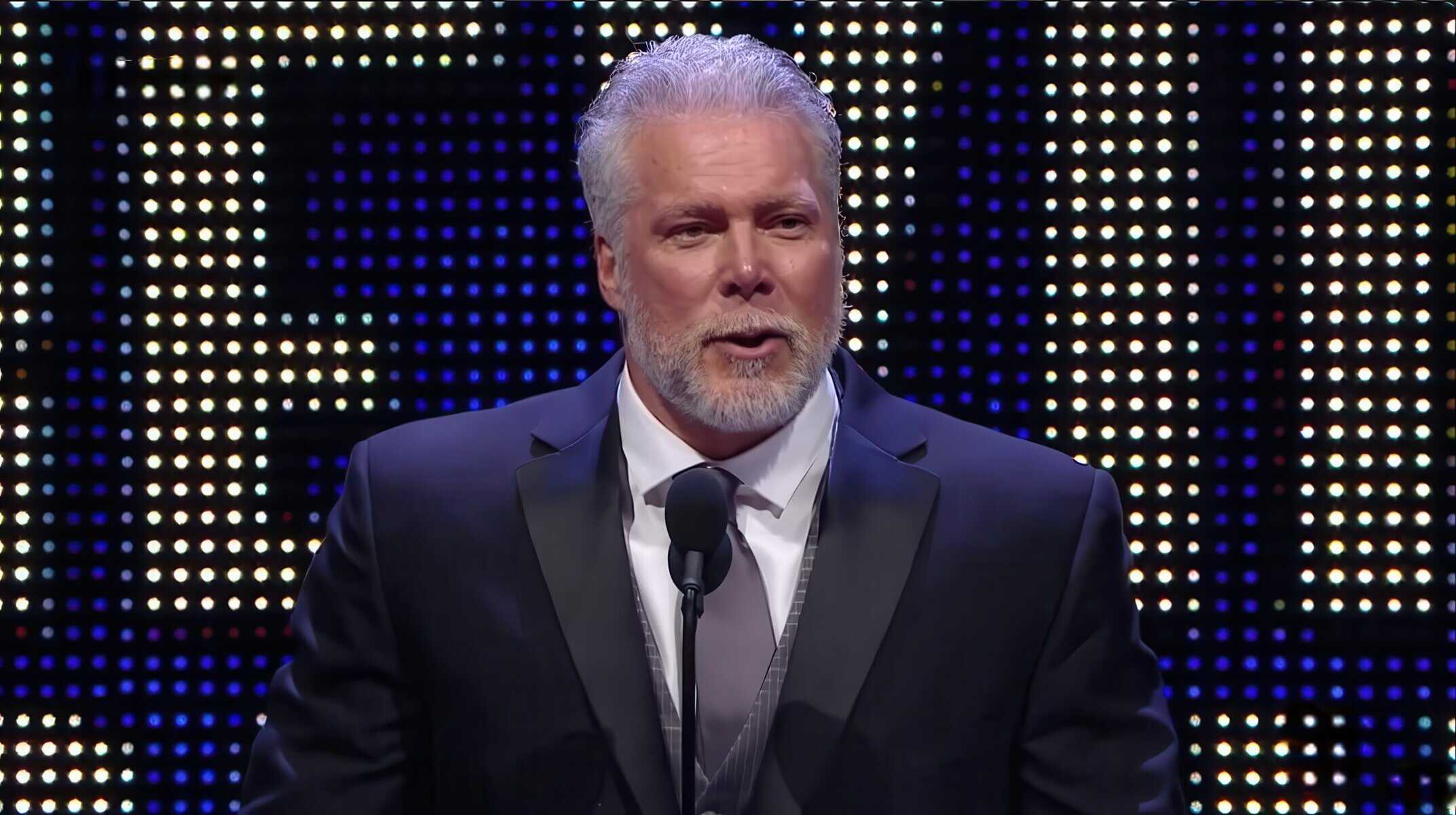
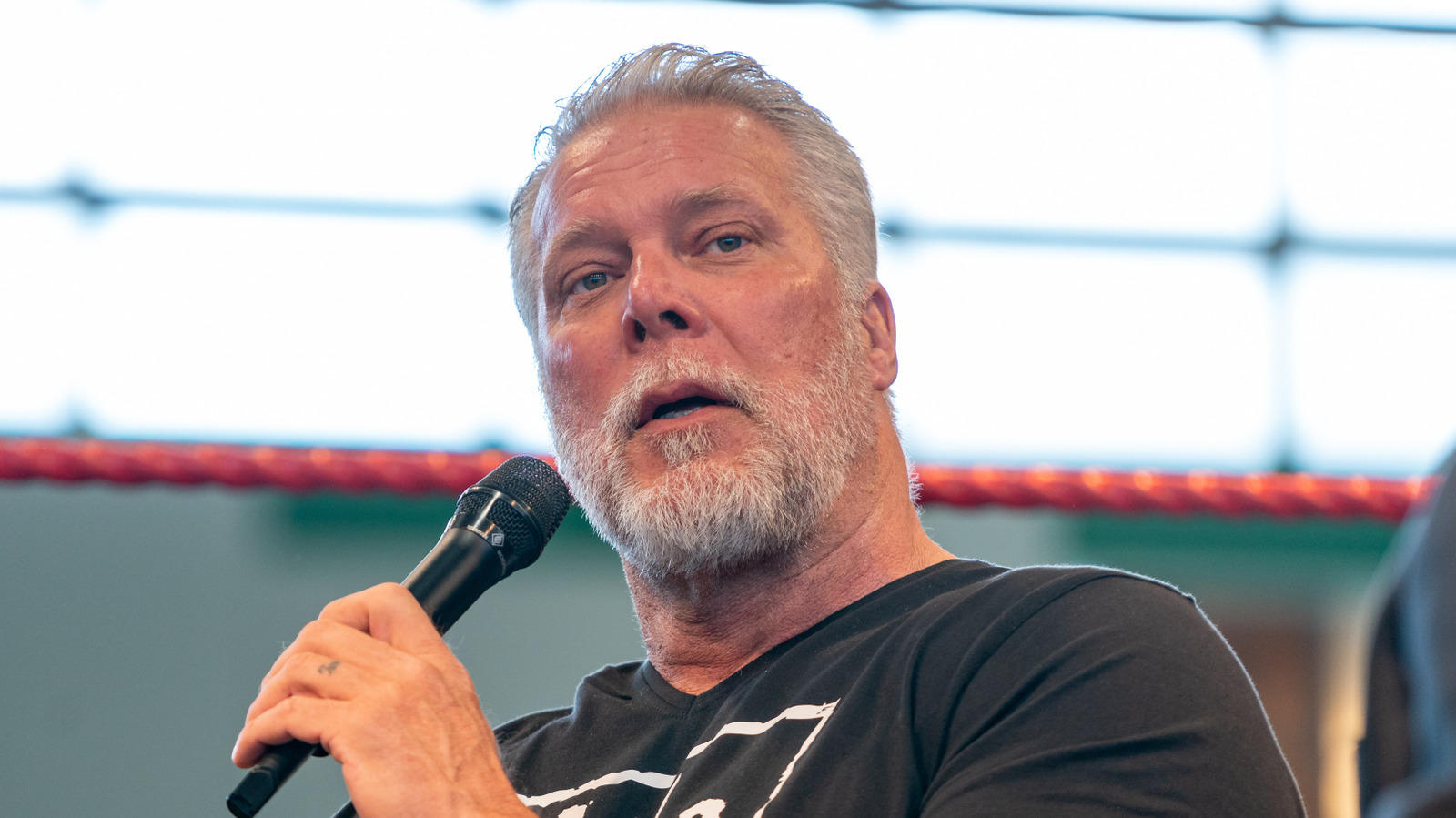
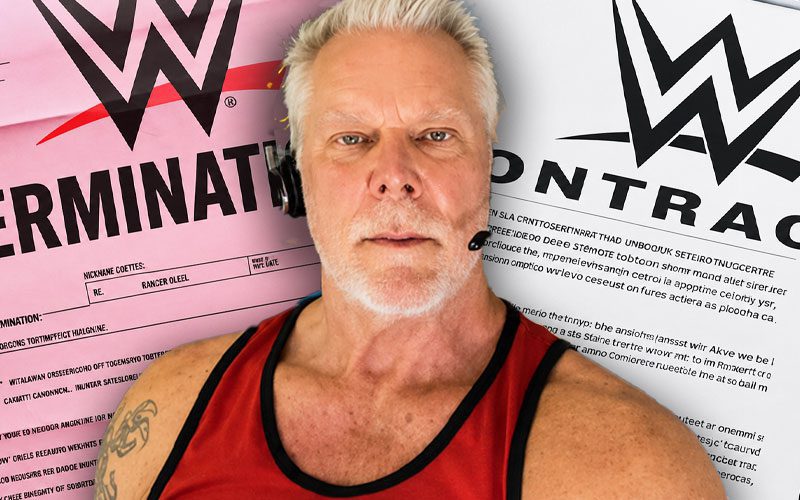
Kevin Nash knows exactly how much a wrestler is worth because he was the first man to successfully break the internal logic of the industry. In 1996, he and Scott Hall leveraged a bidding war into guaranteed contracts that changed the tax bracket of every performer in the business. Thirty years later, Nash is watching the ladder he built being systematically dismantled by the TKO corporate machine. His recent comments regarding one-sided contract clauses aren't just the grumblings of a veteran; they are a forensic analysis of how talent leverage has evaporated since the Endeavor merger.
The fundamental issue Nash identifies is the lack of reciprocal risk. In a standard TKO-era WWE contract, the company maintains the right to terminate an agreement with a 90-day notice for almost any reason. However, the performer is locked in for the duration of the term, often three to five years, with no mechanism to trigger an exit if their creative direction or market value shifts. This creates a scenario where the athlete is an independent contractor for tax purposes but an exclusive employee for every other practical application.
As Ringside News recently detailed, Nash is targeting the specific way these clauses suppress market value. When a wrestler is released, they enter a mandatory cooling-off period where their brand is essentially frozen. By the time they hit the open market, the momentum they built on national television has often dissipated, forcing them to sign for less with a competitor or return to the indies at a lower rate.
The infrastructure of corporate exclusivity
The tactical shift under TKO has been to move away from the 'superstar' model and toward the 'IP' model. The brand is the draw, not the individual. This is why we see names like Bron Breakker or Gunther—names the company owns entirely—pushed over established indie identities. Nash sees this as a trap. If you don't own your name, and you can't leave of your own volition, you have zero leverage when your contract comes up for renewal. You are essentially a tenant on your own property.
Consider the current roster heading into the summer of 2026. We are seeing fewer high-profile jumps between promotions because the legal costs of challenging these non-compete clauses are prohibitive. The 'independent contractor' status should, in theory, allow a wrestler to work multiple dates or control their own merchandise. Instead, WWE takes a massive cut of third-party platforms like Twitch or Cameo, often as high as 80% of the gross revenue after administrative fees. Nash is pointing out that this isn't a partnership; it's a licensing agreement where the athlete is the product.
This corporate lockdown has a direct impact on the quality of the product. When wrestlers are afraid to push back on creative because they are tied to a one-sided deal, the matches become formulaic. We see the same transition spots and the same safe, 'TV-style' work because nobody wants to risk an injury that could lead to a 'force majeure' clause being triggered. These clauses can freeze a contract indefinitely during an injury, meaning a three-year deal can effectively become a five-year sentence.
The AEW factor and the Double or Nothing ceiling
We are currently six days away from AEW Double or Nothing on May 24, 2026. For a long time, Tony Khan’s promotion was seen as the escape hatch for wrestlers trapped in these TKO deals. However, the reality is starting to look different. AEW has begun adopting its own versions of these restrictive clauses to protect its investment. While Khan might be more 'talent-friendly' in his rhetoric, the business reality of a massive television rights deal means he cannot afford to let top stars walk away easily.
The upcoming Double or Nothing card is a perfect example of this stagnation. Many of the featured performers are individuals who have been in the same spots for years because there is no 'third way' in the industry. You are either in the TKO ecosystem or the AEW ecosystem. There is no middle ground where a wrestler can truly be independent and still make a main-event living. Nash's critique highlights that without a third major player with deep pockets, the market is essentially a duopoly that keeps wages artificially capped.
Nash himself is a complicated messenger for this news. There is a specific hypocrisy in a man who spent decades collecting massive checks from the corporate machine now acting as the voice of the labor movement. Nash didn't care about 'one-sided clauses' when he was getting paid to stay home during the dying days of WCW. His current crusade feels partly like a way to keep his podcast metrics high by feeding the 'us vs. them' narrative that wrestling fans crave.
The flaw in the Big Sexy manifesto
The most frustrating part of Nash’s analysis is that he offers no solution other than 'don't sign.' For a mid-card wrestler in 2026, not signing with WWE or AEW isn't a viable career path—it’s professional suicide. The independent scene in 2026 is a shadow of its former self, decimated by years of talent raids and the rising costs of insurance and travel. Nash is speaking from the perspective of a multi-millionaire who already has his money in escrow and his legacy secured.
Furthermore, Nash fails to acknowledge that the guaranteed contracts he pioneered are the reason these restrictive clauses exist. When companies started paying millions regardless of ticket sales, they protected that investment with legal armor. You cannot have the security of a $1.2 million downside guarantee without the company demanding total control in return. Nash wants the 1996 money with the 1970s freedom, and that world simply doesn't exist in a post-merger, publicly traded landscape.
There is also the issue of the 'no-cut' clause. Very few wrestlers in 2026 have them. Even top-tier talent can be gone tomorrow if a quarterly earnings report looks weak. This constant state of anxiety makes it impossible for performers to build long-term characters. They are always looking over their shoulders, wondering if a 90-day clock is about to start ticking on their career. Nash is right to call it out, but he’s calling out a fire while standing next to the guy who held the match thirty years ago.
The Prediction: A summer of legal friction
I predict that before the end of 2026, we will see the first major legal challenge to the 'Independent Contractor' status in the TKO era. A top-five talent—someone on the level of an MJF or a Roman Reigns—will attempt to void their contract based on the 'one-sided' nature of the termination clauses Nash is talking about. This won't be settled in a wrestling ring; it will be settled in a Delaware court of chancery.
When this happens, it will force a total restructuring of how these deals are written. We will see the end of the 90-day no-compete as we know it, replaced by more traditional European-style labor contracts with fixed terms and clear exit fees. It won't be because Kevin Nash complained on a podcast, but because the corporate overreach has finally become so heavy that the talent has no choice but to break the machine. For now, the locker room stays quiet, but the resentment is 100% real, and it’s only a matter of time before someone decides they have enough money to finally say 'no' to the TKO trap.
Read Next
- Tony Khan is playing a dangerous game of rope-a-dope with WWE
- Why AEW's quiet Paul Wight extension explains their entire 2026 strategy
- Double or Nothing needs a serious injection of reality
- Kofi Kingston's WWE exit feels inevitable after Jim Ross's latest comments
- 🎲 AEW Double or Nothing 2026 — Full Coverage Hub