Broken bridges and missed opportunities
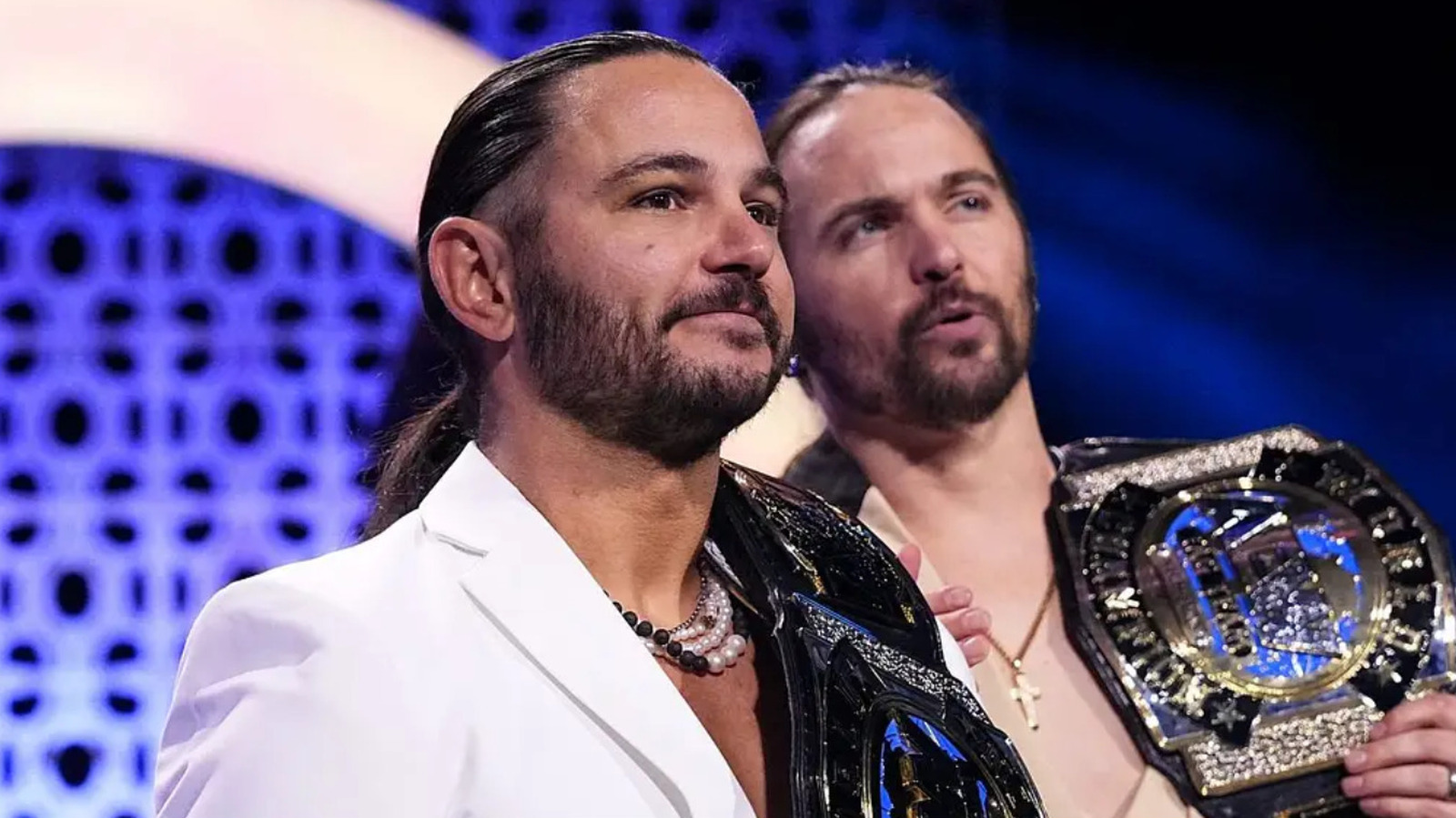
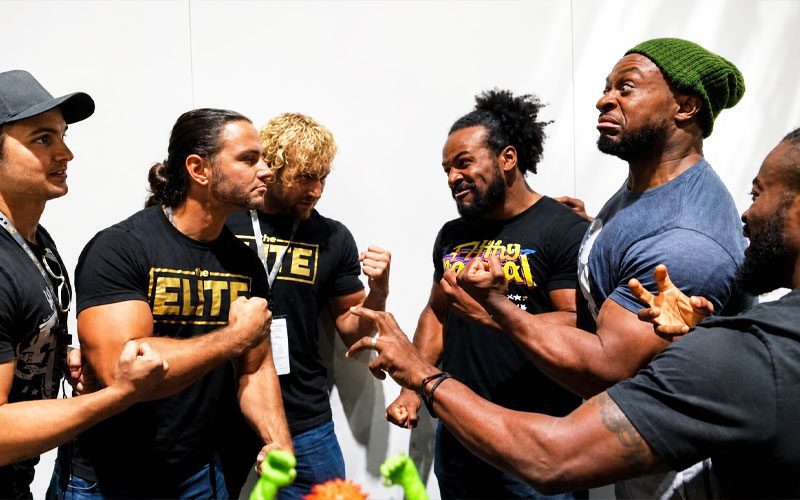
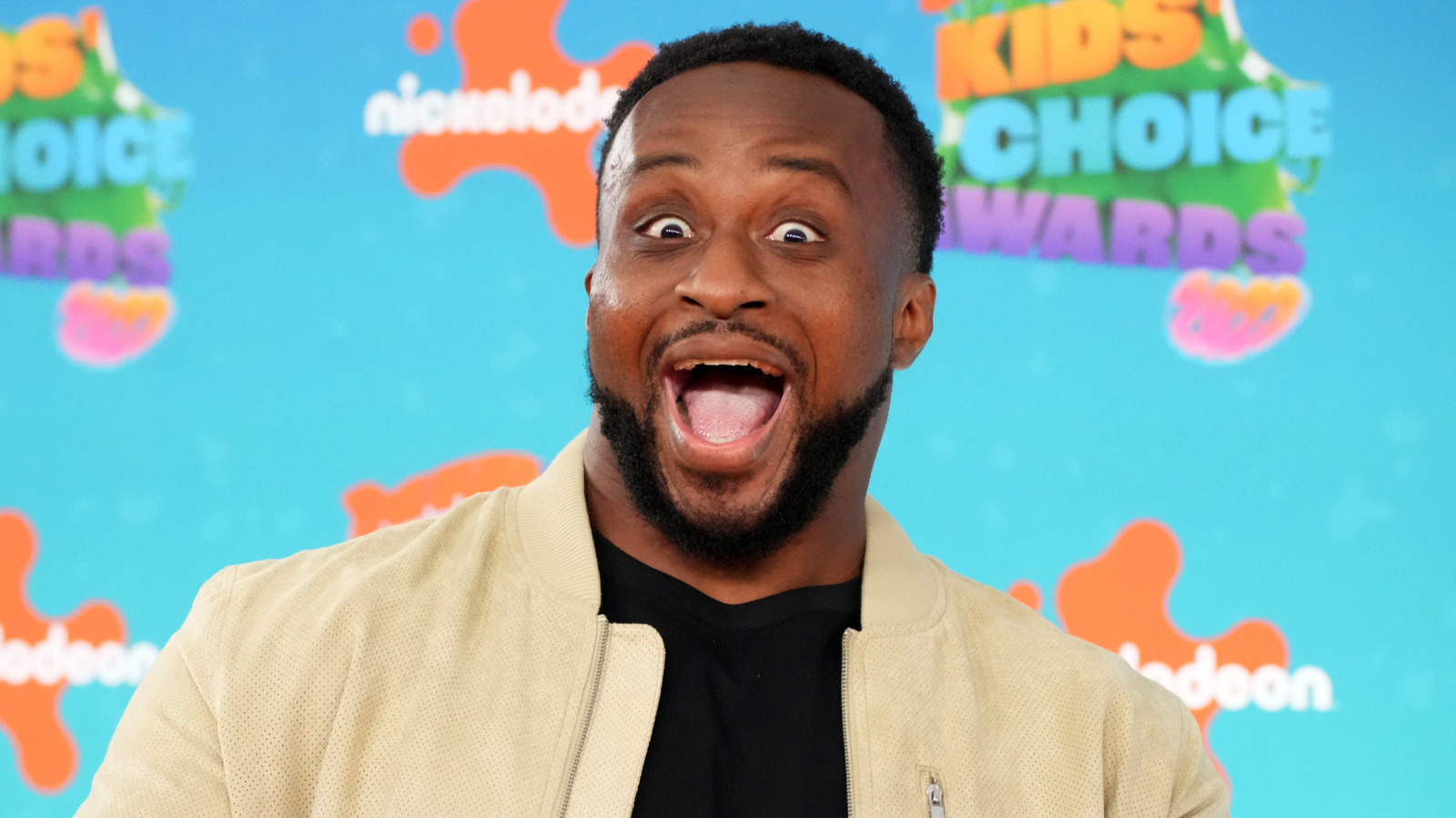
The wrestling business operates on the currency of "what if." Few scenarios carry more weight than the proposed 2018 crossover between the Young Bucks and The New Day. Matt Jackson recently confirmed that the talks were not mere social media posturing but a legitimate attempt at a business arrangement.
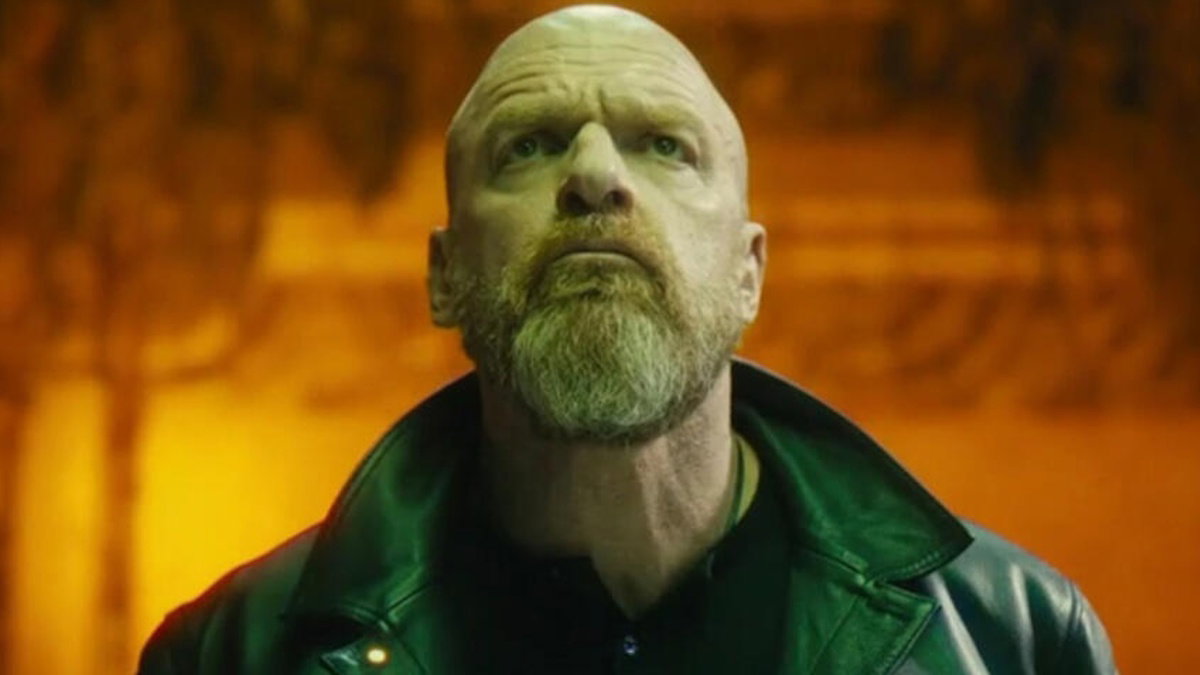
As reported by F4WOnline, the Jacksons went as far as initiating a direct phone call with Triple H. These weren't just two sets of guys looking to swap shirts; this was a move to redefine how the industry handles talent sharing.
The mechanics of a pipe dream
The logistics of the 2018 discussions were surprisingly granular. Matt Jackson noted that his team was prepared to go forward, believing the crossover was feasible. The strategy seemed simple: maximize the market value of two of the most popular tag teams in the world through a singular, high-profile exhibition.
Yet, the reality of the 2018 corporate structure within WWE made this a non-starter. WrestlingNews.co clarifies that the call was placed during a period of immense growth for the independent scene and the nascent growth of what would become All Elite Wrestling. Triple H, acting as the primary gatekeeper for talent relations, effectively closed the door on a cross-promotional endeavor that would have required a total realignment of corporate exclusivity agreements.
Tactical friction and the booking ceiling
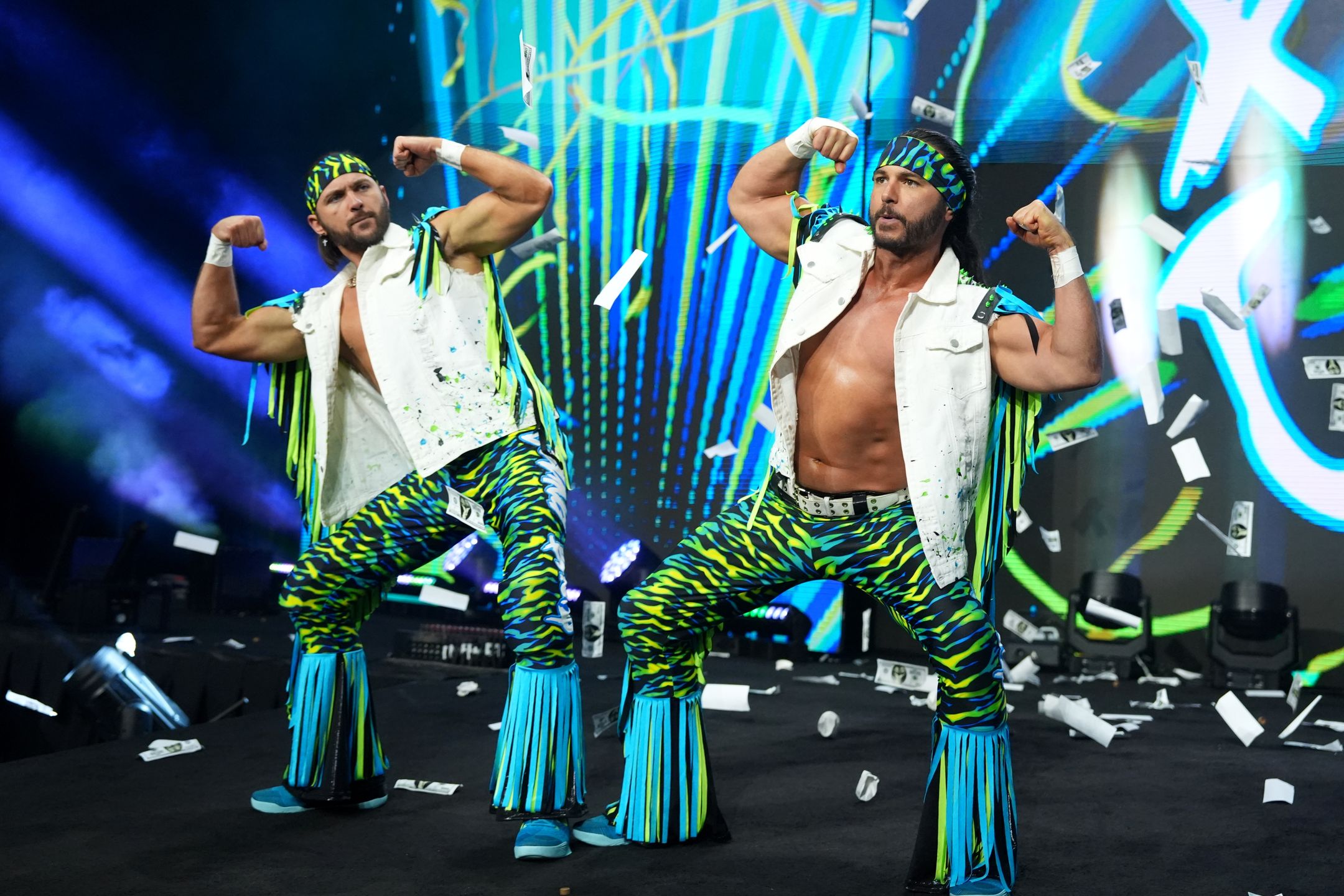
From an analytical standpoint, the failure of these talks exposes the restrictive nature of modern booking. The New Day defined the WWE tag team division through their ability to draw massive merchandise figures and sustain long, complex storylines. The Young Bucks utilized a rapid-fire, high-impact style—relying on Superkicks and tandem dives—that prioritizes aesthetic momentum over methodical pacing.
Combining these styles could have been a disaster for the purists. When you place two teams with such distinct in-ring philosophies in the ring without a long-term buildup, you risk a clash that favors spots over psychology. The Young Bucks’ high-octane sequences often leave little room for the character-driven vignettes that turned The New Day into a household name.
Reflecting on the missed mark
Critics of this potential match point to the inherent imbalance in creative control. Would a WWE-produced match allow for the choreographed chaos that characterizes a typical Young Bucks main event? As WrestleTalk noted, the Jacksons claimed they were serious, but they likely underestimated the rigidity of the opposition’s business model.
Looking back from May 2026, the prospect feels even more distant. The industry has solidified into two distinct silos. While this keeps the product focused, it deprives the audience of the only thing that actually matters: the highest quality matches possible across every banner. This remains a significant indictment of a business that prefers internal competition to global collaboration.
Predicting the impact of future crossovers
Do not expect this kind of cooperation to become standard anytime soon. While some smaller promotions have opened their doors to share talent, the big-money players are content with their independent bubbles. This serves only to protect their own rosters while the fans continue to be the ones who lose out on the most significant marquee bouts imaginable.
I predict that even if the industry landscape shifts, corporate pride will continue to veto any potential crossover for at least the next 5 years. Keep your expectations low for major events like the upcoming Double or Nothing. We are locked into this era of segregation, and the Elite vs. New Day window has effectively slammed shut.