History in professional wrestling is written by the people who agree to sit in front of the camera. We saw it with WWE's Monday Night War documentaries. The winners dictate the narrative.
Now, we are about to see it happen to TNA Wrestling. Vice's Dark Side of the Ring is producing a massive three-part series on the company. According to recent reports from PWInsider, Dixie Carter declined multiple requests to participate.
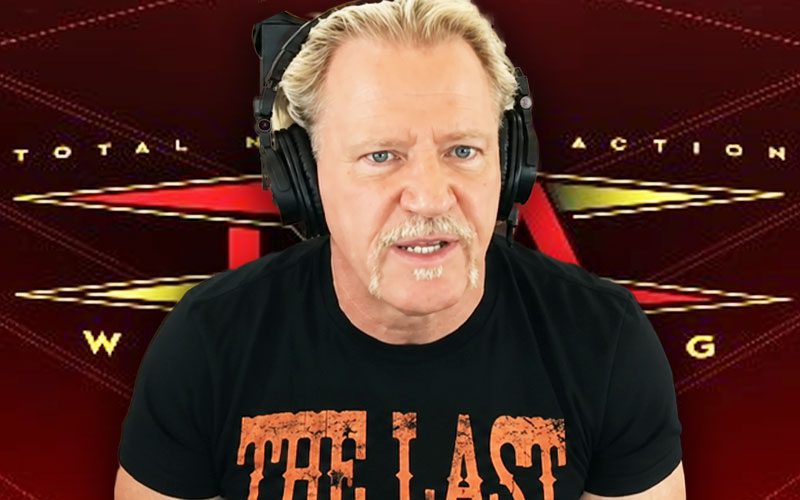
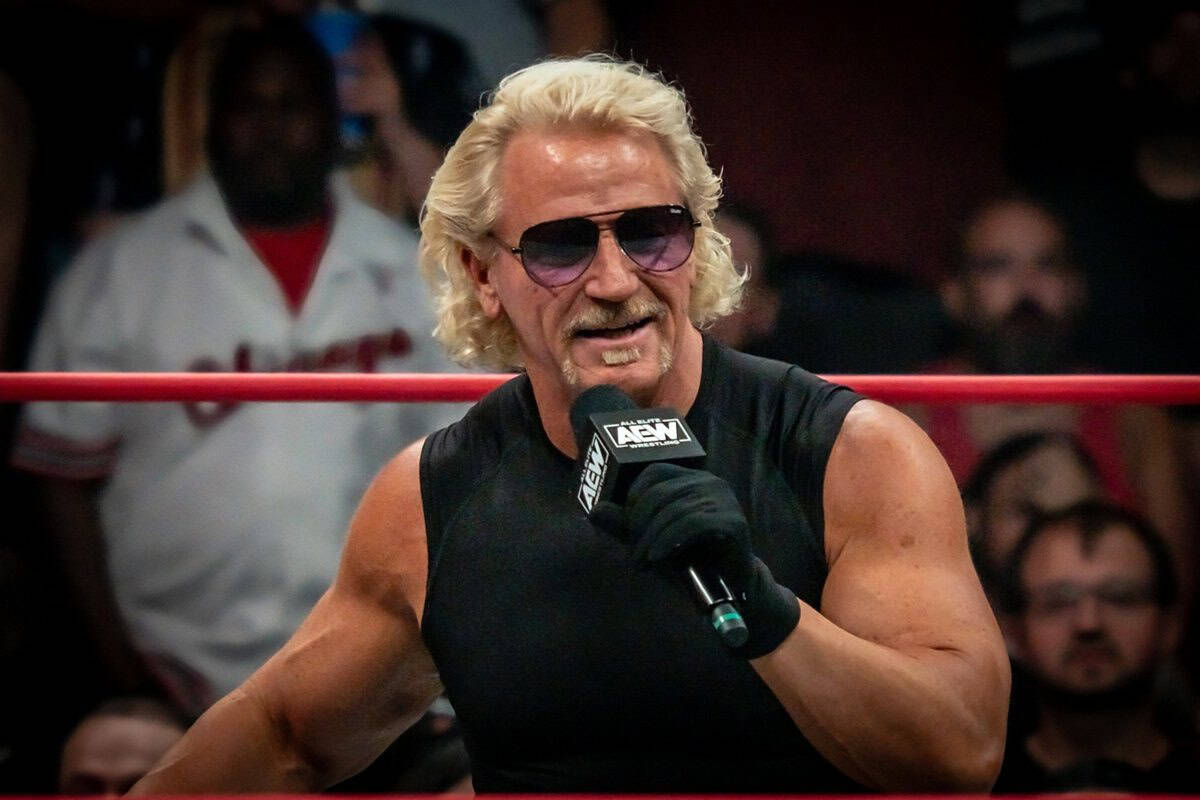
She decided to stay home. Jeff Jarrett, meanwhile, is fully participating and opening up about his version of events. That should terrify anyone who wants an objective look at the promotion's chaotic run.
By refusing to speak, Carter has effectively handed Jarrett the pen. He gets to write the definitive history of TNA for a mainstream audience.
My prediction is simple. This three-part television series will permanently destroy Carter’s remaining reputation. It will cement Jarrett as the tragic genius who had his creation ruined by a billionaire's clueless daughter.
The danger of the empty chair
Dark Side of the Ring relies heavily on talking heads to drive the emotional weight of their episodes. When a major figure refuses to participate, the producers do not just skip over them. They build an episode around their absence.
Carter likely thinks she is avoiding a hit piece. The Vice series is notorious for highlighting the absolute worst aspects of the wrestling business. It thrives on tragedy, incompetence, and scandal.
She probably has zero desire to answer questions about Victory Road 2011. Nobody wants to defend the decision to let an incapacitated Jeff Hardy walk down the ramp to wrestle Sting.
It was the darkest moment in the company's history. Eric Bischoff had to legitimately interrupt the pay-per-view, walk to the ring, and call an audible. Sting hit a Scorpion Death Drop and pinned Hardy in 88 seconds.
Carter was the boss. It happened on her watch. The Vice producers will absolutely eviscerate her for allowing Hardy to even approach the curtain.
But avoiding the camera is a massive flaw in her strategy. The hit piece happens anyway. The only difference is whether you are there to defend your decisions.
The peak and the plunge
Look at the actual history of TNA. Carter was at the helm for the highest highs and the lowest lows. By refusing to speak, her side of the story vanishes completely.
She won't be there to remind people that it was her family's Panda Energy money that kept the lights on when Jarrett's initial funding collapsed in 2002. She will not get credit for the Spike TV deal.
At its peak, TNA was drawing nearly 2 million viewers a week. They were moving merchandise, signing massive names like Kurt Angle and Christian Cage, and running highly profitable UK tours that sold out Wembley Arena.
Nobody else was doing that at the time. She managed to secure a prime-time slot on a major cable network and kept the company afloat during an era when WWE had a complete monopoly over the industry.
Instead, the documentary will focus on the catastrophic unforced errors. The producers will spend significant time on Vince Russo.
Carter famously kept Russo on the payroll in secret, communicating with him via email even after Spike TV executives explicitly demanded his removal. When those emails inevitably leaked, it destroyed TNA's relationship with their network partner.
It was a fatal business error. Vice will spend 20 minutes tearing that single decision apart.
The world according to Double J
Jeff Jarrett is the ultimate survivor. He is currently working in AEW, maintaining his relevance in his late fifties. He has his own podcast where he meticulously shapes his past.
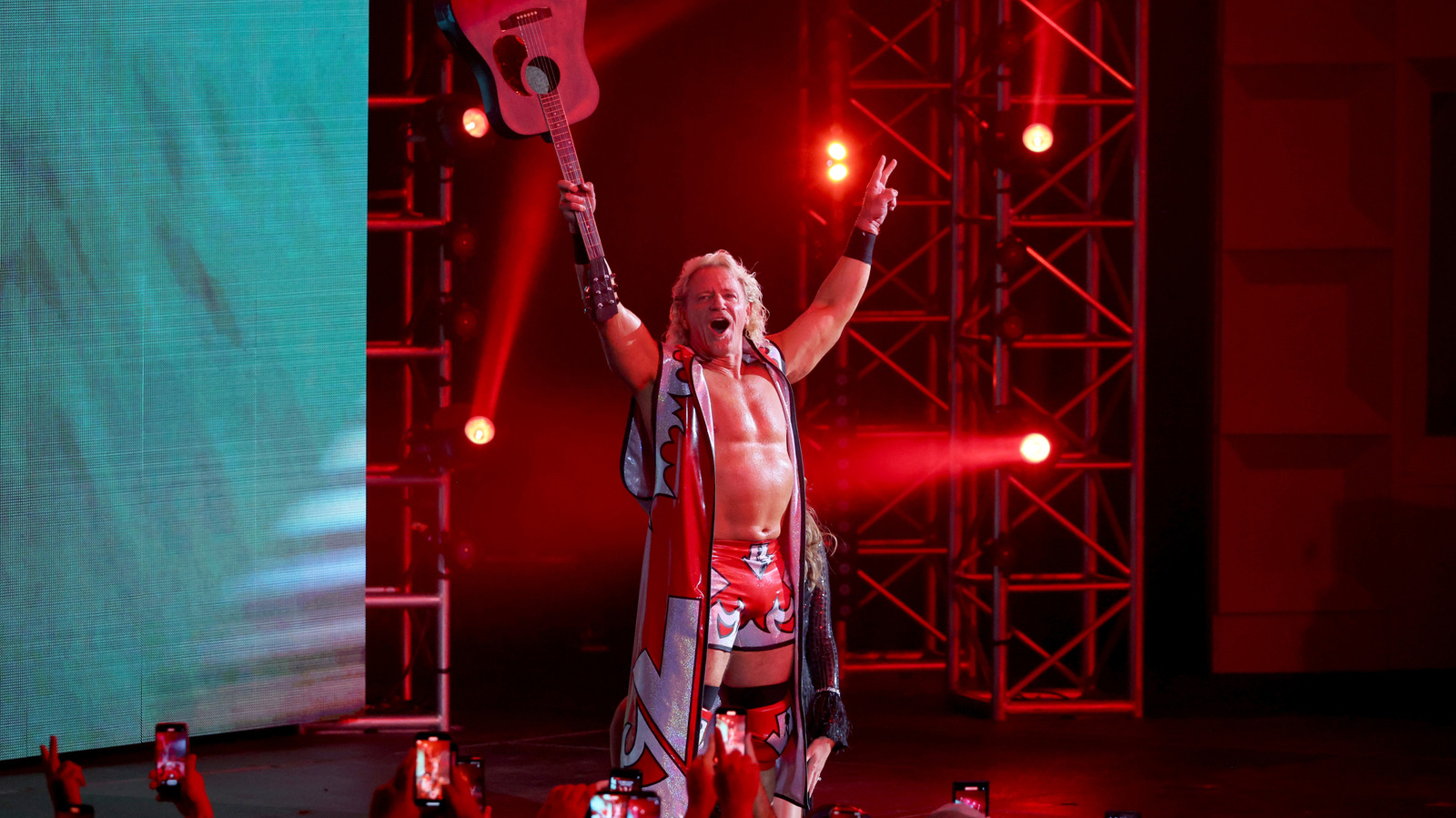
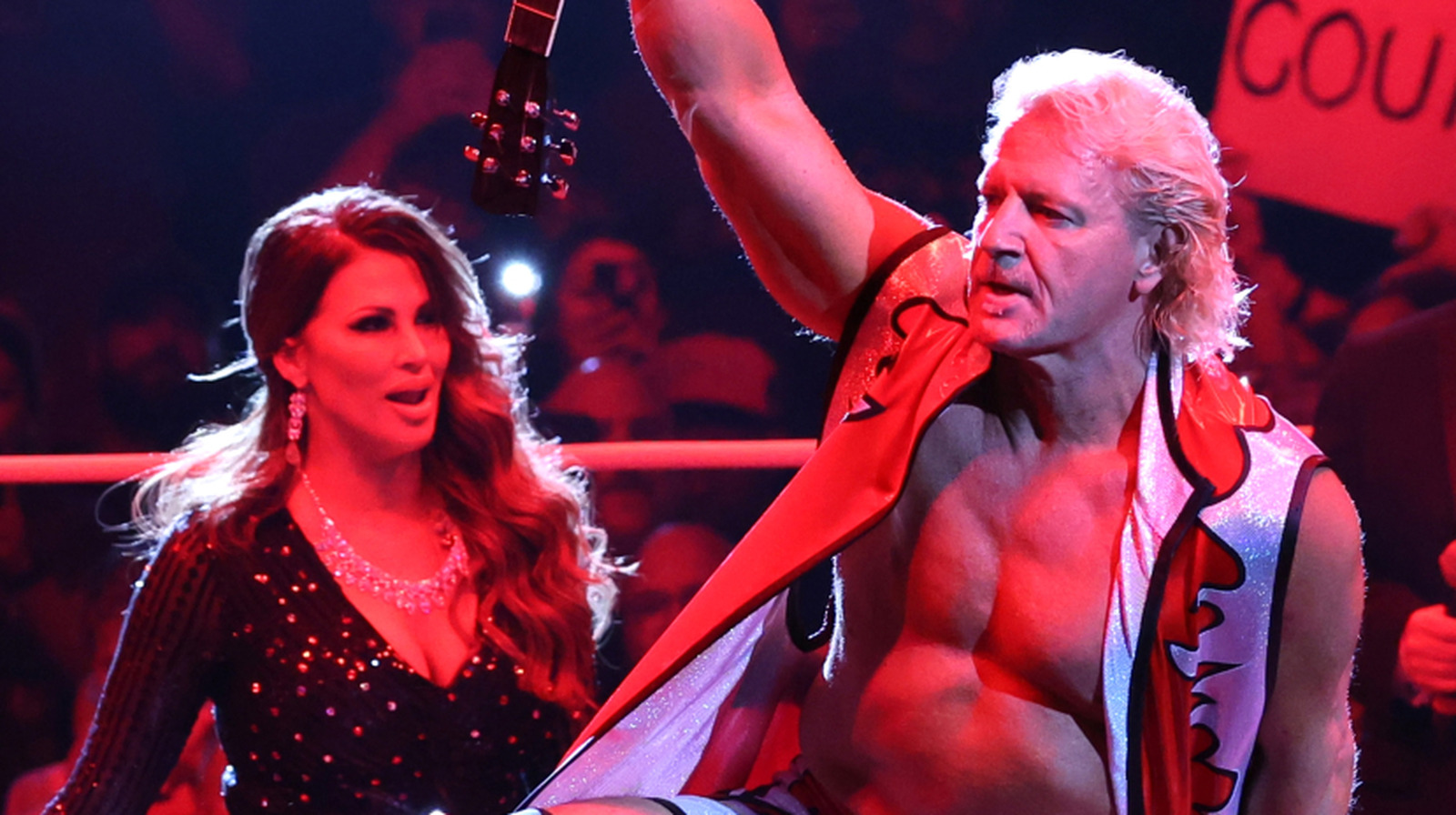
Now, he gets a three-part platform on national television. Jarrett is going to position himself as the visionary. He will talk about discovering AJ Styles.
He will take credit for giving Samoa Joe a national platform. He will frame Carter's involvement as a necessary financial evil that eventually poisoned his baby. This is where the documentary will fail as journalism, even if it succeeds as television.
Jarrett was notoriously booking himself to win the NWA World Heavyweight Championship constantly during the early years. He ran a southern-fried version of the Reign of Terror in the Impact Zone.
He buried emerging talent to keep the main event spotlight on himself, often relying on endless guitar shots and dusty finishes to retain his title.
Without Carter there to push back, the narrative becomes entirely one-sided. The producers will lean into the tired trope of the brilliant wrestling mind battling the clueless corporate suit.
It is a proven television formula. It is also wildly inaccurate. TNA's failures were a deeply collaborative effort.
Jarrett was just as responsible for the terrible creative decisions as Carter was for the terrible business decisions. They enabled each other for years before the relationship completely fractured.
Life after the machine: The Joseph Sawyer pivot
While the Vice documentary will focus heavily on the past, we are seeing the modern reality of wrestling careers play out right now. Former WWE star Joe Gacy was released in the recent April cuts and is already moving on.
Gacy is reverting to the name Joseph Sawyer. He has been announced for a Wyatt Sicks reunion at WrestleCon. This is the exact hustle that defined the early days of TNA.
When a massive corporate machine spits you out, you rely on the community and your established IP to survive. Sawyer is doing exactly what he needs to do to keep his career alive.
The Wyatt Sicks storyline was polarizing on Monday Night Raw. Some fans loved the deep lore and horror movie aesthetics. Others found it unwatchable and entirely out of place on a sports broadcast.
But it undeniably built a dedicated cult following. By immediately booking a reunion at WrestleCon, Sawyer is monetizing that niche audience before the heat dissipates.
TNA was built on the backs of guys who were cast aside by WWE or WCW. It was an island of misfit toys. Some of them did the best work of their careers there.
Others just showed up for an easy paycheck and dragged the product down. Sawyer is clearly aiming to be the former.
He understands that you cannot sit around and wait for another major company to call. You have to create your own momentum.
By tapping into the Wyatt Sicks fanbase, he is ensuring his independent dates will be highly profitable. That proactive approach is exactly what saved so many careers when WCW folded.
Predicting the final cut
This three-part series is going to be the most discussed wrestling media of the year. Here is exactly how I see the episodes breaking down.
- Part 1 covers the early days in the Nashville Asylum. Jarrett will look like an innovative pioneer who birthed the X-Division out of thin air.
- Part 2 covers the Spike TV era. The rapid growth brings massive stars, but Carter will be introduced strictly as the money mark. Expect scathing interviews from former talent.
- Part 3 covers the inevitable collapse. The Hogan era, the disastrous move to Monday nights, and the financial ruin. Carter will bear the entire brunt of the blame.
Dixie Carter could have changed this. She could have sat in the chair, looked into the camera, and defended her record.
She could have pointed out that under her watch, TNA was the clear number two promotion in the world for an entire decade. She could have brought receipts.
She could have forced the producers to acknowledge the massive financial risks she took to keep the doors open. Instead, she declined.
History belongs to those who speak up. Jeff Jarrett is holding the microphone, the cameras are rolling, and we all know exactly how this ends.