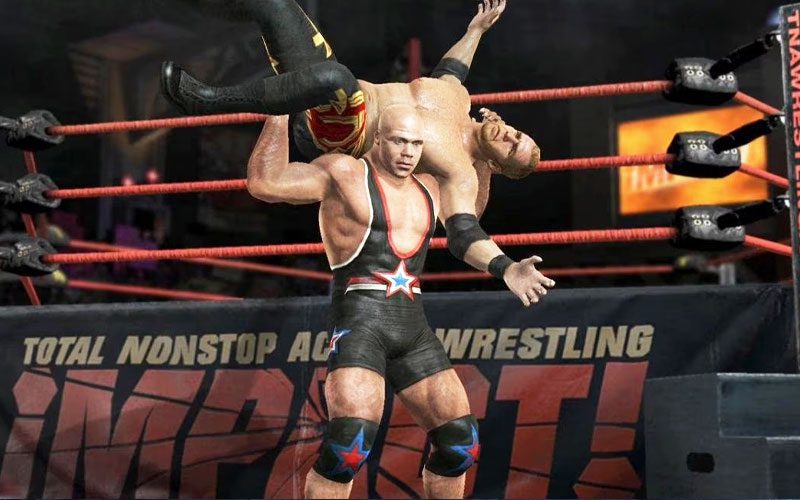
Why the TNA documentaries missed the mark
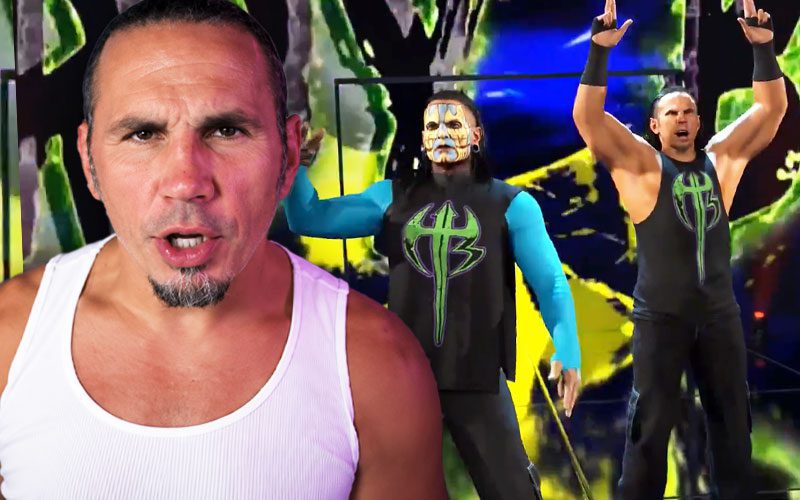
We keep eating up these retrospective documentaries like they are the gospel truth. We watch three hours of talking heads and dramatic music, then walk away thinking we just received the Rosetta Stone for the mid-2000s wrestling boom. Then Matt Hardy comes out to note that Dark Side of the Ring left out major chunks of the TNA story. If you exclude the actual grit of the performers, you aren't doing history; you're doing fan fiction with a higher budget.
Hardy knows a thing or two about the TNA experiment. He saw the company when it was a lean, mean, indie-adjacent machine and when it turned into a bizarre billionaire's playground. When the cameras focus on the booking decisions or the locker room politics but skip the genuine financial strain that almost buried the roster, the narrative loses its teeth.
The human cost behind the curtain
Let's talk about the grit. The industry has this habit of romanticizing the grind, but the reality is usually just ugly. Look at the story of Shelly Martinez quitting TNA back in the day. It wasn't about creative differences or a disagreement over a top-rope spot. She was staring down an eviction notice while working for a national promotion. That is the kind of reality check that documentaries skip because it doesn't fit the 'glamour of the ring' aesthetic.
We glorify these athletes for taking a ladder bump or enduring a 450 splash. Meanwhile, the actual, boring, soul-crushing stuff like paying rent remains a footnote. It makes the sport look like a fever dream where nobody actually has bills or real-life problems. That is a disservice to everyone lacing up boots today.
The filter-free reality of being online
Then we have the state of social media. It is somehow even worse than the corporate gaslighting. You have guys like CM Punk basically deciding that the entire platform is radioactive because of the filth fans spew. When CM Punk quit Twitter, he didn't care about a critique of his standing senton or a breakdown of his mic work. He walked away because of the absolute sickness that people feel comfortable typing out when they are hidden behind an avatar.
It is exhausting. We want access to these guys, but then we act like entitled toddlers the second they exist in the same digital space as us. Wrestling fans have a reputation for being the most passionate group on the planet. Sometimes that passion just looks like a dumpster fire at 3 a.m.
The booking of real life
The biggest problem is how we refuse to see the wrestlers as actual humans who have an expiration date on their bodies and their patience. We treat their retirements like they are choosing to walk out on us, rather than acknowledging that their knees are made of Swiss cheese and their bank accounts might not match the merch revenue. It is the 8th inning of a long career, and we are still booing for a pinch hitter.
The business model is failing the people who carry it. If we can't be honest about why someone actually left a promotion, we are just consuming a polished version of the truth to feel better about supporting the machine. It is time to stop eating the PR line and start asking about the eviction notices and the toxic noise. The truth is much more violent than anything happening on a broadcast.