TNA's revisionist history is missing the point

The myth of the TNA white knights
Professional wrestling does not do nuance well. When the latest installment of the Dark Side of the Ring documentary series dropped, covering the rise and chaotic evolution of TNA, the wrestling bubble reacted exactly how you would expect. It instantly devolved into a binary battle of heroes and villains.
On one side, you have the historical narrative that Dixie Carter was the sole architect of the promotion's decline. On the other, we have a recent, concerted effort by figures like Eric Bischoff to rehabilitate her image. Bischoff essentially argues that Carter deserves more credit than she is typically afforded, suggesting she has been unfairly cast as the primary antagonist of the TNA saga.
This re-evaluation feels convenient. It ignores the reality that TNA functioned as a series of compounding errors rather than a singular failure of personality. Focusing on whether Carter was a misunderstood executive or a liability misses the structural fragility that defined the company from its earliest days.
The Jarretts and the ownership puzzle
Jeff Jarrett has spent the last week actively untangling the web of rumors surrounding his exit and the sale of the promotion. Jarrett recently addressed the speculation regarding a potential buyback, yet he maintains the story told about his departure remains largely misunderstood by the public. It is a classic wrestling stalemate: the performers remember the booking room, the executives remember the bottom line, and the fans are left to pick a side based on incomplete information.
The root of this dysfunction stretches back to the transition of control from Jerry Jarrett to the new administration. According to accounts provided by Jeff, the relationship between his father and Carter started on unstable ground. This initial friction set a tone that proved impossible to shake. That early distrust manifested in long-term booking inertia that stunted the growth of a brand that once held genuine promise.
Even when Jim Cornette steps in to defend the Jarretts against accusations of having archaic, carny business mentalities, the focus is placed on personal grievances rather than the health of the television product. It is a tiresome loop where the history of TNA is mediated through who insulted whom in a podcast studio.
The cost of the documentary format
The Dark Side of the Ring project, as reported by PWInsider, acts as a filter that inherently simplifies complex corporate failure into a narrative of interpersonal drama. Jarrett’s attempts to secure Carter’s participation for the series were a clear effort to balance the scales, but her absence looms large. If the central figure in the acquisition refuses to engage, the story defaults to a one-sided chronicle of bitterness.
Ultimately, the refusal to accept that multiple parties contributed to the decay of the TNA brand is the real failure. Claiming one person—or even one family—was the sole cause of the misery is a failure of analytical rigor. During the mid-2000s, TNA relied on high-profile signings that rarely yielded a consistent return on investment.
The peak viewership for impact-era television remains a 1.5 rating point during their most successful windows, a number that was never sustained because the infrastructure was built on hype cycles rather than long-term story management. Whether Carter was a villain or a victim is secondary. The promotion prioritized short-term heat over building a foundation that could survive the departure of its original founders.
We are watching a cycle of revisionist history that serves nobody. When the participants focus on defending their reputations, they prevent a real accounting of why a viable secondary promotion could not maintain its momentum. TNA had the talent to compete. They didn't lack star power; they lacked the institutional stability to harness it.
WWE Cody Rhodes Signature "American Nightmare" Weight Belt Replica
The ultimate fan accessory to complete your American Nightmare look.
Frequently Asked Questions
What did Eric Bischoff say about Dixie Carter's role in TNA's history?
How did the relationship between Jerry Jarrett and Dixie Carter impact TNA?
Who tried to get Dixie Carter to participate in Dark Side of the Ring?
How did Jim Cornette defend the Jarretts regarding their TNA business style?
What is Jeff Jarrett's stance on his departure from TNA?
More Coverage
Why wrestling fan media is stuck in a loop of clickbait
an hour ago
Why Test will never get a Dark Side of the Ring episode
10 hours ago
Gail Kim getting snubbed by Dark Side of the Ring feels like a bad joke
14 hours ago
The complicated legacy of Drew McIntyre
18 hours agoJeff Jarrett's TNA exit was a masterclass in how to burn a multi-million dollar bridge
19 hours ago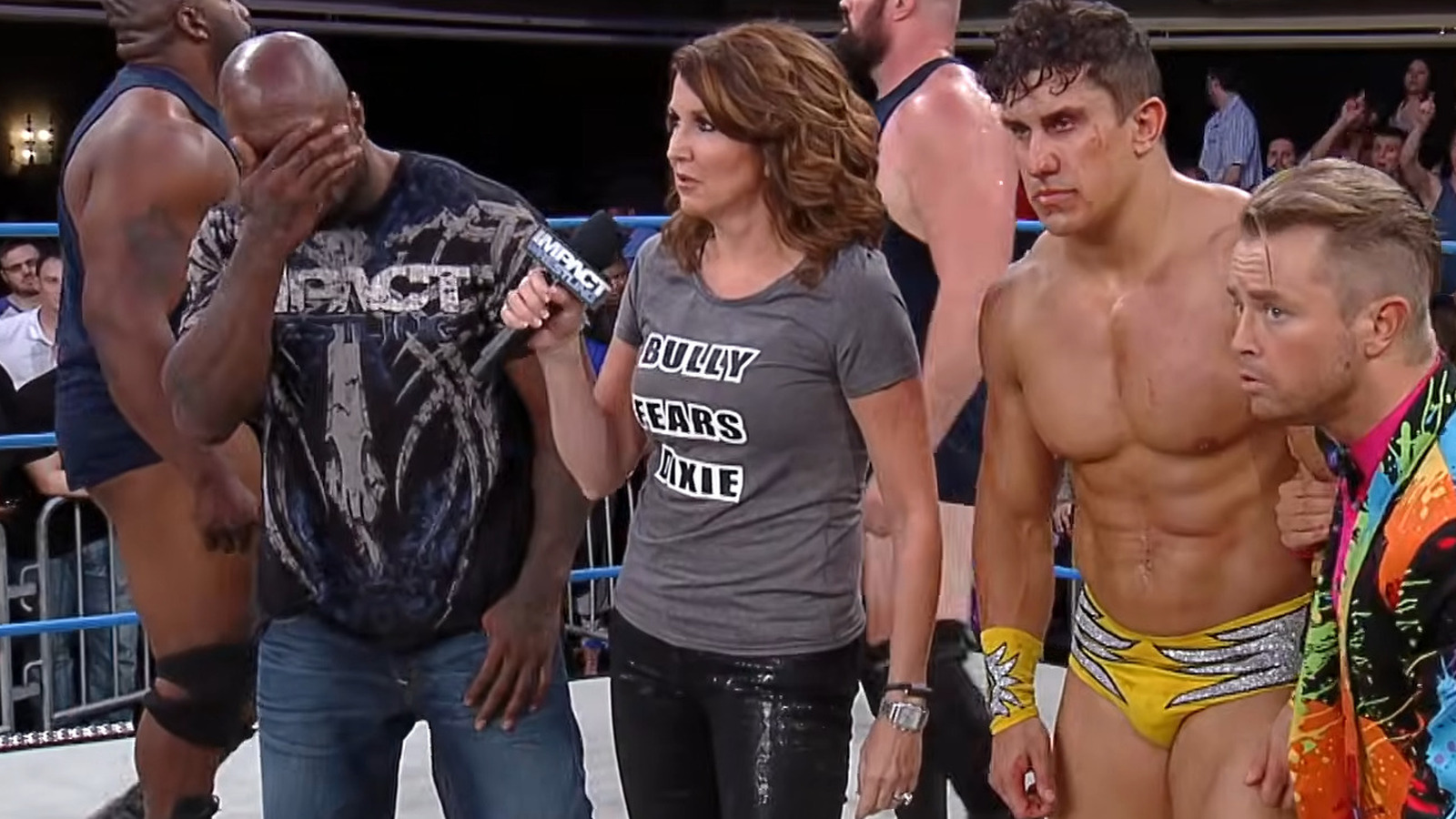
Mapping the fiscal erosion of TNA's early years
20 hours agoMore Analysis

Sheamus and the attrition of the WWE midcard veteran
an hour ago
WWE’s revolving door is leaving talent in the cold
an hour ago
The Vision is the most toxic stable in WWE history
an hour ago
Why wrestling fan media is stuck in a loop of clickbait
an hour ago
Brock Lesnar returns to Raw as NXT finds its footing
an hour ago