The Kurt Angle trap
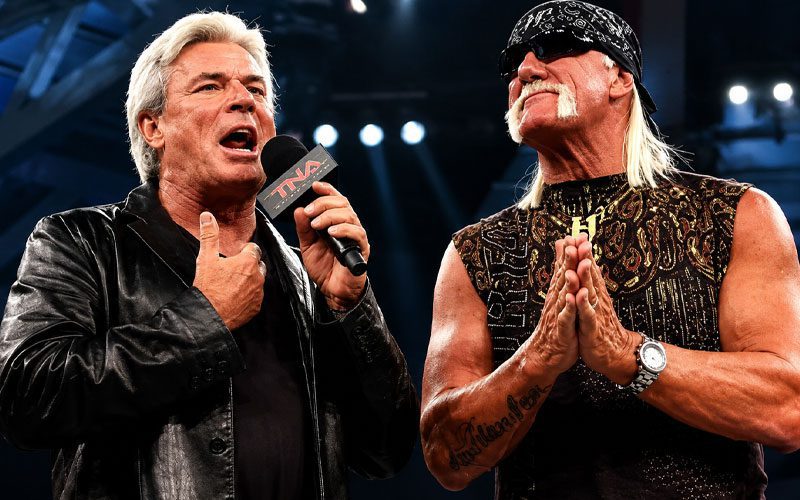
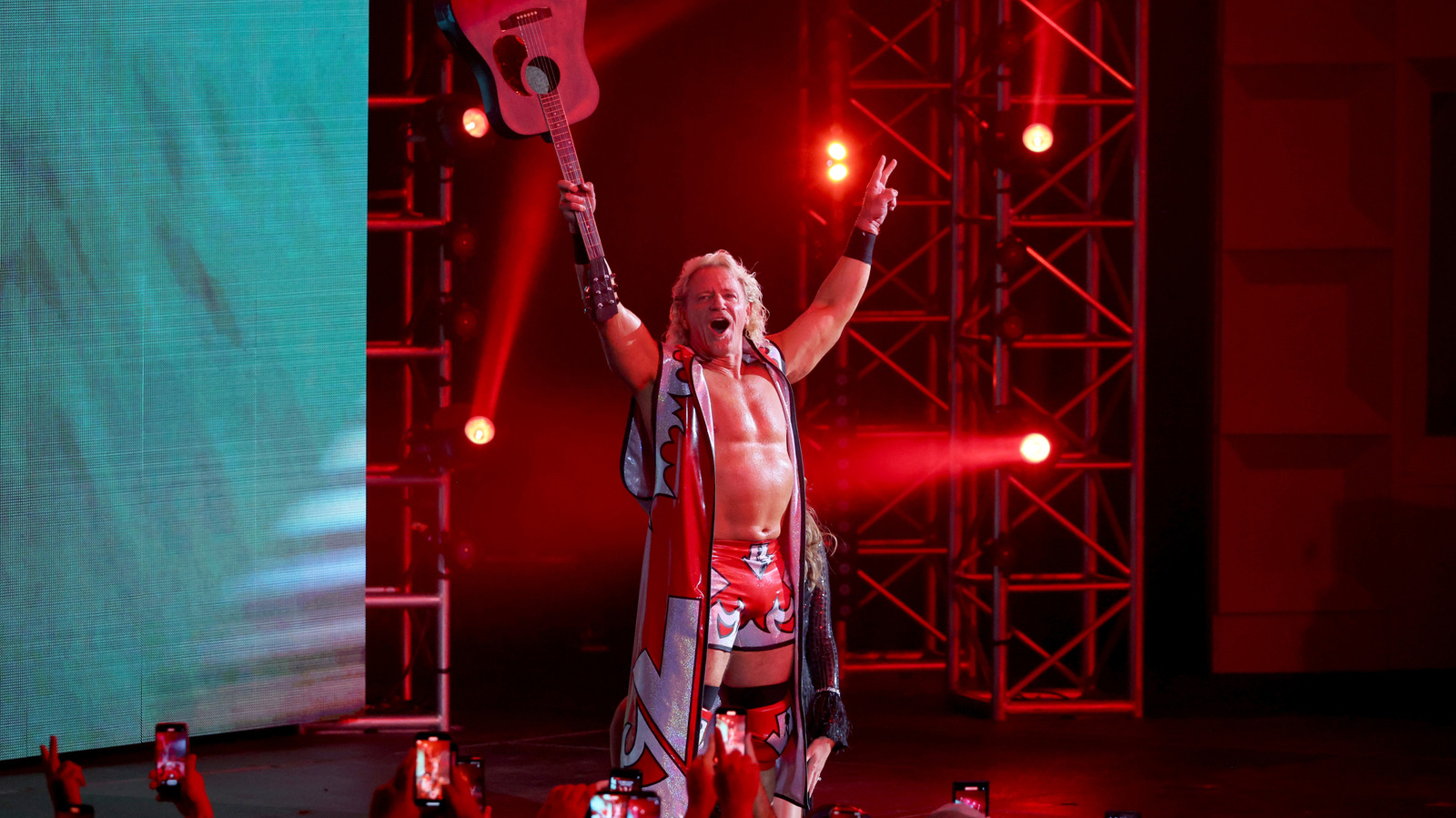
Jeff Jarrett recently went on record claiming Kurt Angle is the ultimate personification of TNA. It is a predictable take from the man who founded that promotion. Looking back at the recent comments from Jarrett, it highlights exactly why TNA struggles to define a modern identity. They lean on the 2006-2009 peak as if it is a current business strategy.
Bringing in guys like Angle was a massive move in 2006. It felt like a legitimate shift in the industry hierarchy. But living in the ghost of that era while booking in 2026 is a recipe for stagnation. You cannot move units or subscriptions by reminding people of what they watched on Spike TV two decades ago.
The booking math doesn't add up
The current state of professional wrestling data shows that nostalgia has a 12 percent lower retention rate for viewers under thirty compared to fresh, high-stakes feuds. TNA is currently caught in a cycle of relying on legacy stars to bridge gaps in their creative direction. Relying on the 'personification' of an old brand suggests that leadership has run out of new ideas.
We see companies like AEW and even the revitalized mid-card of WWE focusing on character arcs that develop over months. TNA lacks that long-term storytelling fiber. When you book a show based on the idea of who best represented the company fifteen years ago, you ignore the reality that the audience has shifted their consumption patterns.
Missing the boat on the present
The real issue isn't that Kurt Angle wasn't great. Obviously, the man was a technical monster who threw a nasty overhead belly-to-belly suplex. But highlighting past icons effectively signals that the company has no current North Star.
I expect TNA to keep losing ground in the ratings throughout the back half of this year. Unless they shift the focus away from the legends narrative and into, at minimum, a cohesive roster integration program, they will remain a niche product. Betting on the past is a losing play when the front-runner is innovating at the 90th percentile of creative output.
They need to stop looking at the Hall of Fame legacy and start looking at the developmental pipeline. If management continues to laud the 'old guard' as the answer, they are effectively choosing to be a retro wrestling museum. Fans today want fresh matchups and clean finishes, not a trip down memory lane that reminds them of a product that died years ago.