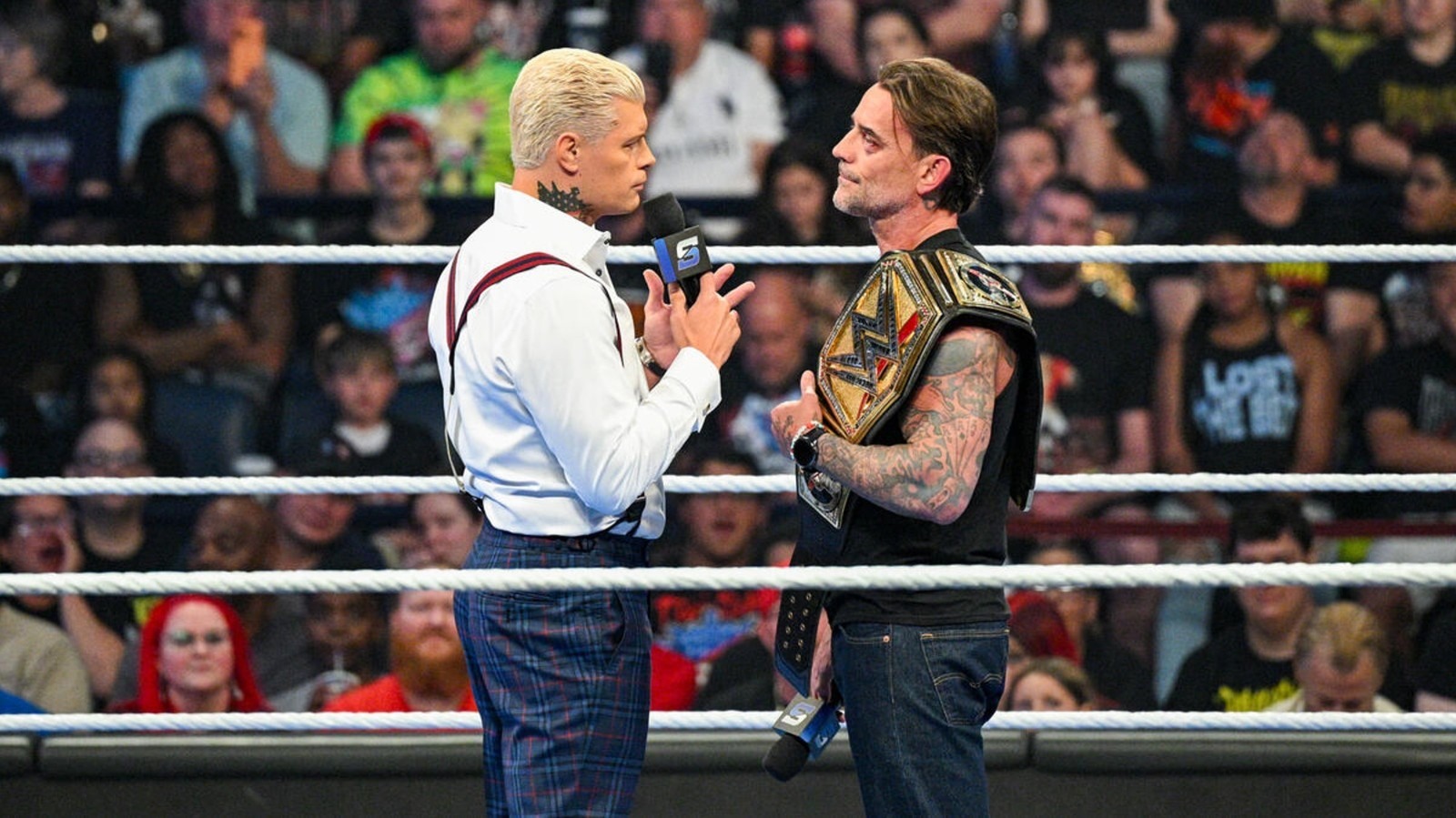
Jeff Jarrett is right about the TNA history books remaining closed

The myth of the complete TNA chronicle
When Dark Side of the Ring shifts its lens toward the chaotic, shoestring-budget origin of TNA, the wrestling public instinctively reaches for the popcorn. We love the narrative of failure and hubris. Yet, listening to Jeff Jarrett discuss the series, a distinct counter-narrative emerges. The documentary series, which concluded its look at his tenure recently, according to PWInsider reporting, barely scratched the surface of what actually occurred in the Asylum era.
Jarrett’s critique is technically sharp. He notes that the commercial constraints of television production force a reductionist view. When a docuseries tackles a decade of promotion history in two or three hours, the nuance of daily operation is the first casualty. You lose the granular, day-to-day decisions that actually defined the company's trajectory, replacing them with sensationalist cliffhangers.
The professional courtesy of a veteran
What remains fascinating is the shift in Jarrett’s own public persona. The man who once built a company specifically to spite the establishment is now offering public backing to the current architect of the competition. His recent comments, as highlighted by Wrestling Inc, emphasize the sheer level of pressure Triple H faces as WWE’s chief content officer. It is an interesting pivot from the man who founded an alternative.
Jarrett understands that managing a massive corporate machine is a fundamentally different game than booking a promotion in a mid-sized event center. He respects the weight of the chair, even if he spent years trying to kick the legs out from under it. This isn't just nostalgia; it is professional recognition of the difficulty inherent in scaling a wrestling product to a global audience.
The looming shadow of the Netflix deal
The conversation inevitably turns to how these corporate entities evolve, particularly with TKO Group’s massive move toward a long-term Netflix partnership. Jarrett, in his analysis of the shifting industry, correctly identifies that the broadcast strategy has fundamentally changed. The goal is no longer just local gate receipts or pay-per-view buys; it is about platform stability.
However, this transition creates a sterile environment for performers. We witnessed the departure of veteran talent like Sheamus, which, as reported by Wrestling Inc, signals a larger trend of roster churn in professional wrestling. When the bottom line is dictated by streaming metrics and corporate holding value, individual legacies often feel precarious. The industry is trading the grit of the 2000s for a refined, data-driven consistency that feels increasingly distant from the fans.
The missed opportunity of documentary storytelling
My criticism of the recent Dark Side of the Ring coverage is purely creative. By sticking to the established legends of the TNA locker room, they ignored the structural mechanics of the time. We needed less focus on the hyperbolic backstage drama and more on the business logistics—the mid-week venue selection, the specific struggle of cable clearance in the early 2000s, and the shifting reality of the roster’s pay structure.
Jarrett is correct when he says their history remains largely unwritten. As long as we continue to lean on the same tropes—the "lost company" or the "wrestling outlaw" archetype—we miss the actual tactical reality of how a promotion attempts to survive against an immovable monopoly. We are looking for heroes and villains, but the real story was always in the spreadsheets. Until a filmmaker decides to prioritize the fiscal history over the locker-room anecdotes, the genuine story of TNA will remain in the dark.
Instead, we are left with a polished summary that satisfies sentimentality without providing historical utility. It is efficient, profitable, and ultimately safe. Wrestling fans deserve a forensic accounting of these eras, not just a recap of the greatest hits and the lowest points. We are hovering at a **75 percent** saturation point in terms of historical coverage, yet we are arguably no closer to understanding the operational failure of 2005 than we were a decade ago.
Funko Pop! WWE: Cody Rhodes (Diamond Collection)
The American Nightmare, but with extra sparkle. What's not to love?
Frequently Asked Questions
What is Jeff Jarrett's main criticism of TNA documentaries?
How does Jarrett view Triple H’s current role in WWE?
Why does Jarrett claim television documentaries lack nuance?
How has the wrestling industry shifted regarding broadcast strategy?
What impact does modern corporate strategy have on wrestling talent?
More Coverage

Ethan Page is turning his chip on the shoulder into a dangerous WWE run
an hour ago
Finn Balor’s scars and the Judgment Day name that never was
an hour ago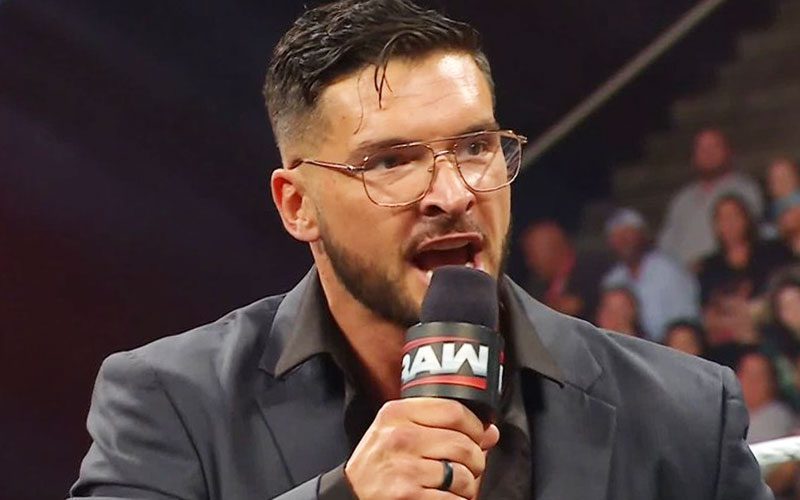
Why Ethan Page is wrong to police fan singalongs
an hour ago
Maxxine Dupri's pivot is absolute chaos and I am living for it
an hour ago
Jinder Mahal's career deserves more than the meme status it earned
2 hours ago
IYO SKY bleeds for the cause and the internet loses its collective mind
2 hours agoMore Analysis
Ethan Page is turning his chip on the shoulder into a dangerous WWE run
an hour ago
Finn Balor’s scars and the Judgment Day name that never was
an hour ago
Top 10: Next AEW World Champions After Kenny Omega
an hour ago
Why Ethan Page is wrong to police fan singalongs
an hour ago