The cost of the Hogan era
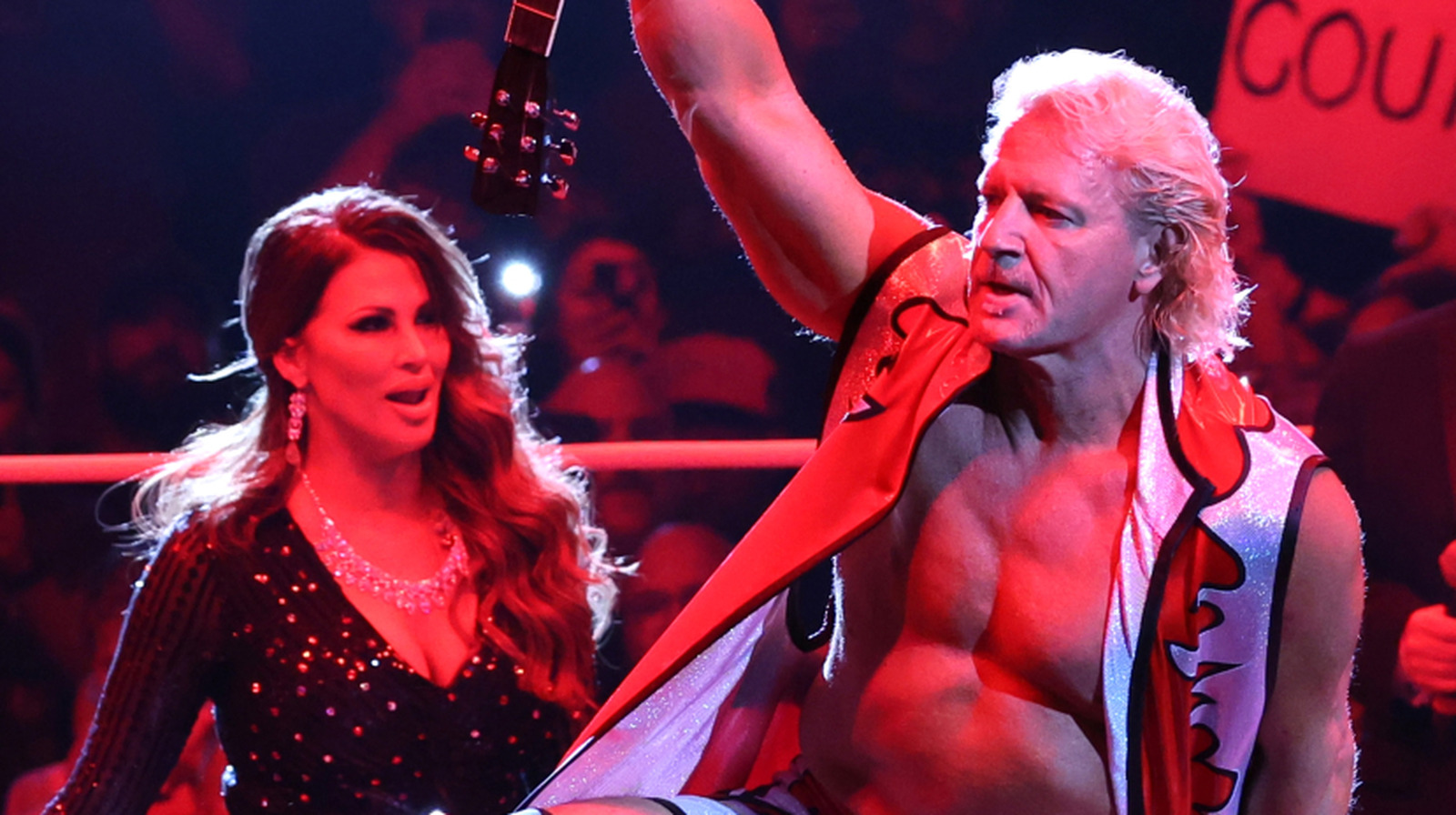
Jeff Jarrett finally opened up on the financial death spiral that swallowed TNA during the 2010 transition. The arrival of Hulk Hogan and Eric Bischoff didn't just alter creative direction; it triggered a massive budgetary hemorrhage. Revenue stalled while overhead skyrocketed to accommodate the former WCW brass.
Jarrett points to this period as the moment TNA lost its identity. The company pivoted away from the X-Division athleticism that built its foundation, chasing mainstream relevance that never materialized. Wrestling history shows this playbook rarely ends well: WCW made a similar mistake in 1999, sacrificing mid-card depth for fading star power.
Reframing the internal toxicity
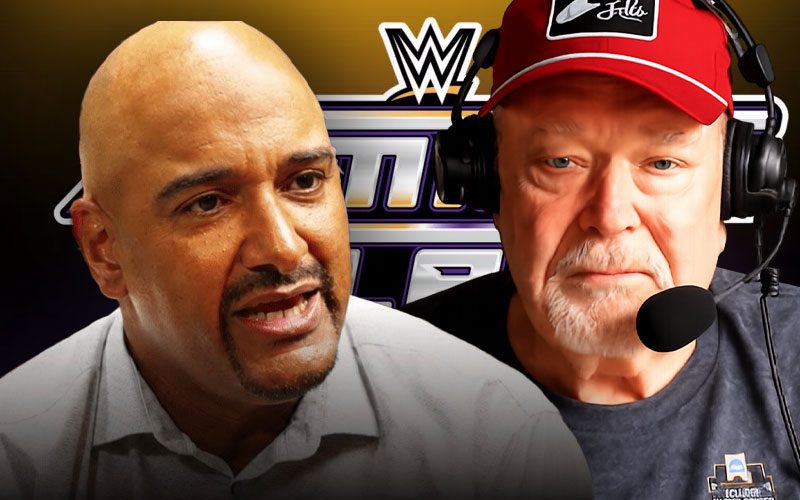
The fallout from the Hogan era wasn't just fiscal; it was personal. JBL recently discussed the Dark Side of the Ring episode detailing the turmoil surrounding Jeff and Karen Jarrett. The narrative highlights how blurred lines between backstage reality and on-screen storylines crippled organizational culture.
Jeff and Karen Jarrett recently reflected on their integration into TNA programming. Proponents argued it drew heat, but long-term industry watchers view the move as a major booking misstep. By making their personal lives the centerpiece of the product, the promotion invited unnecessary scrutiny that overshadowed the actual wrestling.
Why TNA lost the war
Booking choices during this window ignored the core audience. Fans who signed up for AJ Styles and Christopher Daniels didn't want a reenactment of the NWO. When the top of the card creates an impenetrable wall, new talent development flatlines. That remains a primary failure of 2010s TNA leadership.
Business-wise, the numbers don't lie. Between 2010 and 2012, TNA’s weekly attendance hovered around 1,200 fans according to industry tracking reports from that era. They were bleeding cash while trying to run arena shows that lacked the ticket revenue to sustain a touring schedule.
The human cost of mismanagement
This injury to TNA’s reputation wasn't temporary. It created a perception of instability that kept sponsors away for years. Every time the promotion tried to pivot back to its roots, the baggage from the 2010 period acted as a lead weight on their growth metrics.
There is a lesson here for modern promoters. When you prioritize buzz over stability, the return on investment is nearly always net negative. The Hogan arrival at TNA was a masterclass in how to accelerate an organizational collapse through short-sighted ego-driven hiring.
The creative decisions made during this period fundamentally damaged the brand image. Wrestling fans are forgiving of bad angles or short-term booking misses. They are rarely forgiving when they sense the promotion has stopped caring about the actual product in favor of chasing a fleeting audience that will never stick around.
Looking back at the current state of wrestling media, these stories are surfacing with clarity now that enough time has passed. The retrospective analysis doesn't make the pain of the lost years any less significant for those involved. It simply proves that in professional wrestling, honesty is almost always the best medicine for a broken legacy.
The financial reports confirm that by late 2011, the company was cutting pay-per-view operations to the bone to stay floating. This wasn't just a creative dip; it was a total breakdown. For Jarrett, the recovery process has taken over a decade to distance himself from the TNA collapse narrative.
Ultimately, the Hogan experiment cost TNA its best chance at being a legitimate number two. By the time they realized the mistake, their audience was already tuned into other shows. Wrestling is a game of momentum, and they handed theirs to the competition on a silver platter for zero long-term gain.