
Kurt Angle did more for TNA than anyone realized
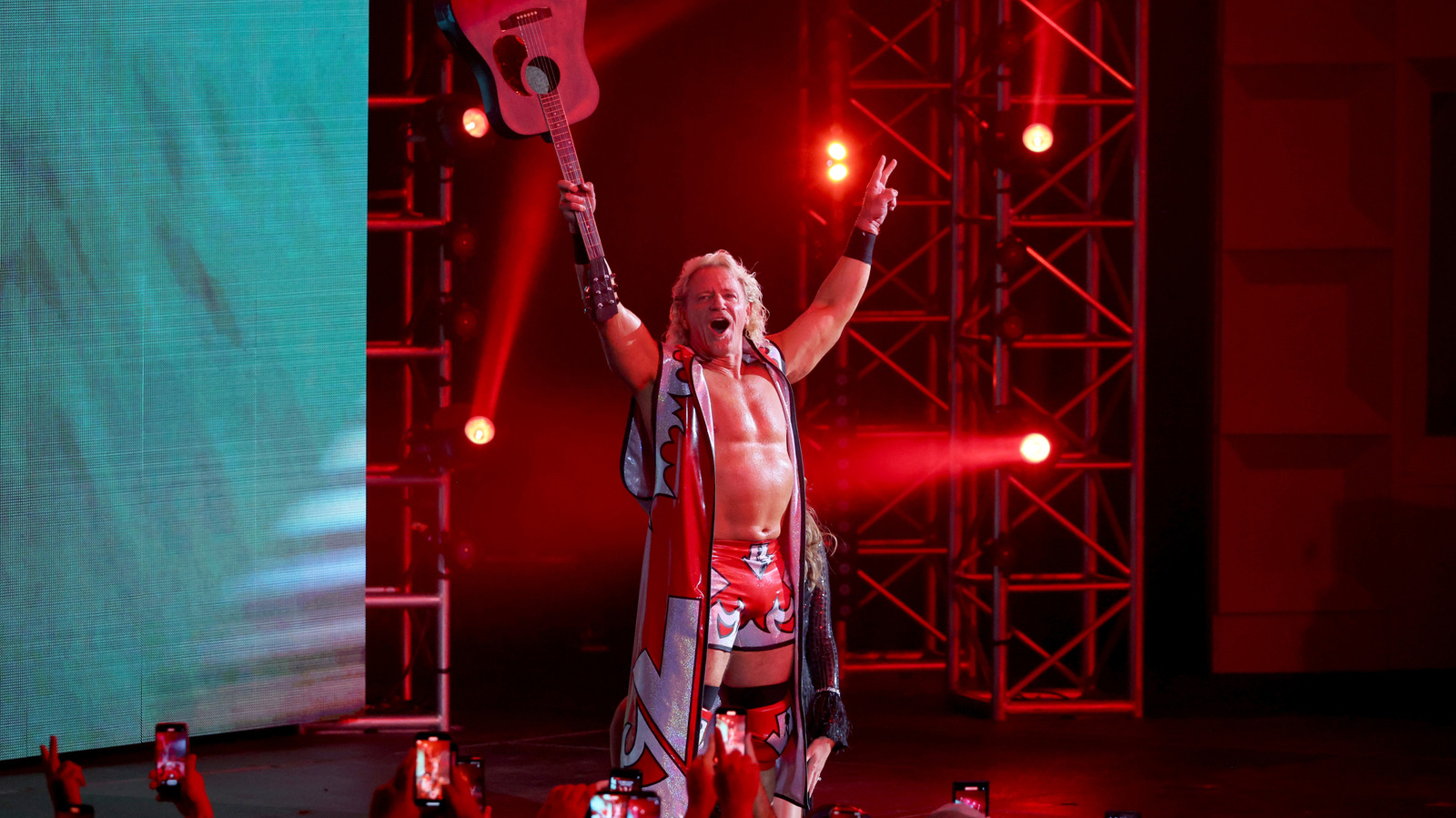
The legitimacy project inside the six-sided ring
For years, critics dismissed Total Nonstop Action as a secondary destination. It was the place where wrestlers went after their windows in Stamford closed. Then came the signing of Kurt Angle in 2006. It wasn't just a personnel acquisition; it was an act of high-stakes corporate sabotage against the status quo.
Jeff Jarrett recently reflected on that era in a recent interview with Wrestling Inc. Jarrett argued that Angle didn't just work for the promotion—he personified it. When a man with a gold medal around his neck crosses the threshold, the perception of the opposition shifts instantly.
The math of a game-changer
Angle hit TNA at the exact moment they needed to stop feeling like a project. His presence forced viewers to stop asking if the wrestling was good and start asking if they were missing out on something elite. He didn't just lean on his WWE pedigree; he wrestled a style that felt faster, more dangerous, and distinctly indifferent to the slow-burn pacing of the major leagues.
Consider the metrics of his run. During his peak intensity, he engaged in feuds that demanded pay-per-view buy rates which surpassed expectations by significant margins. Often, he was working double duty, appearing in 15 minute clinics that made the mid-card talent look like main-event stars by comparison. He didn't protect his body. He went through tables, took unprotected strikes, and sold for people who had no business being in a ring with him.
The booking consistency gap
However, the execution wasn't always flawless. For all the spectacle, TNA often struggled with the follow-through. You can have a transformative figure like Angle, but if the long-term storytelling relies on endless stable warfare or illogical heel turns in the third hour, the momentum stalls.
Jarrett highlights the internal belief that Angle carried the brand on his back. While the sentiment holds up, the administrative side often failed to capitalize on the heat generated by his encounters. We saw high-octane matches diluted by confusing finishes that stripped the audience of the clean payoff they deserved. It is a classic wrestling trap: using a massive star to paper over the cracks in a creative direction that lacked a coherent north star.
The legacy of the crossover era
Looking back from the vantage point of July 2026, the strategy seems prescient. It mirrors how open-weight development has drastically lowered the barrier to entry for high-level technical output. Angle showed that you don't need the biggest budget to achieve quality; you need a singular focal point that commands respect. He brought a level of technical depth that made the product impossible to ignore, forcing the industry to adapt.
Yet, relying on a ringer remains a risky game. It masks structural deficiencies. Angle was the ultimate buffer between a scrappy promotion and professional irrelevance. His 0.5% impact on the bottom line might be hard to quantify, but his impact on the viewing habits of a generation is undeniable. He proved that even in a crowded market, individual talent acts as the ultimate differentiator.
The current state of professional wrestling often suffers from a similar malaise. We get distracted by production values and international expansion narratives while neglecting the essential friction of a classic worker-vs-worker feud. Angle didn't talk about being a star. He walked in, went at 100 percent velocity, and left the fans exhausted.
That is the standard by which we measure impact today. If your main event doesn't leave the audience contemplating the limitations of the human frame, you aren't really in the business. Jarrett is correct that Angle personified TNA, but maybe that says more about the promotion's reliance on his shoulders than it does about their own creative longevity.
WWE Authentic Men's Cody Rhodes American Nightmare T-Shirt
Claim your kingdom with the hottest shirt in wrestling.
Frequently Asked Questions
Why was Kurt Angle's 2006 TNA signing considered a high-stakes move?
How did Kurt Angle change the in-ring style at TNA?
What role did Jeff Jarrett say Kurt Angle played in TNA?
What prevented TNA from fully capitalizing on Angle's popularity?
What is the primary risk of building a promotion around one major star?
More Coverage
Why TNA is stuck on a treadmill while relying on past glory
an hour ago
Top 10: Wrestling Moments That Changed How We Watch
an hour ago
John Cena’s final WWE run is the story of the summer
an hour ago
Top 10: Most Debated Wrestling Moments of the Modern Era
2 hours agoCary Silkin and the church of CM Punk internet discourse
3 hours ago
AJ Styles' son hitting the ring is wilder than we thought
3 hours agoMore Analysis
Why TNA is stuck on a treadmill while relying on past glory
an hour ago
Top 10: Wrestling Moments That Changed How We Watch
an hour agoAEW fans are losing their minds over the G1 Climax fallout
an hour ago
John Cena’s final WWE run is the story of the summer
an hour ago
AEW's G1 Climax experiment already hit a massive speed bump
an hour ago