The corporate hubris was bound to hit a wall eventually. Since the Endeavor acquisition, TKO has operated with a ruthless, spreadsheet-first mentality. Every premium live event is squeezed for maximum site fees. Every ticket is dynamically priced to the absolute limit.
But you can only ask a fan to empty their savings account so many times before they just stay home.
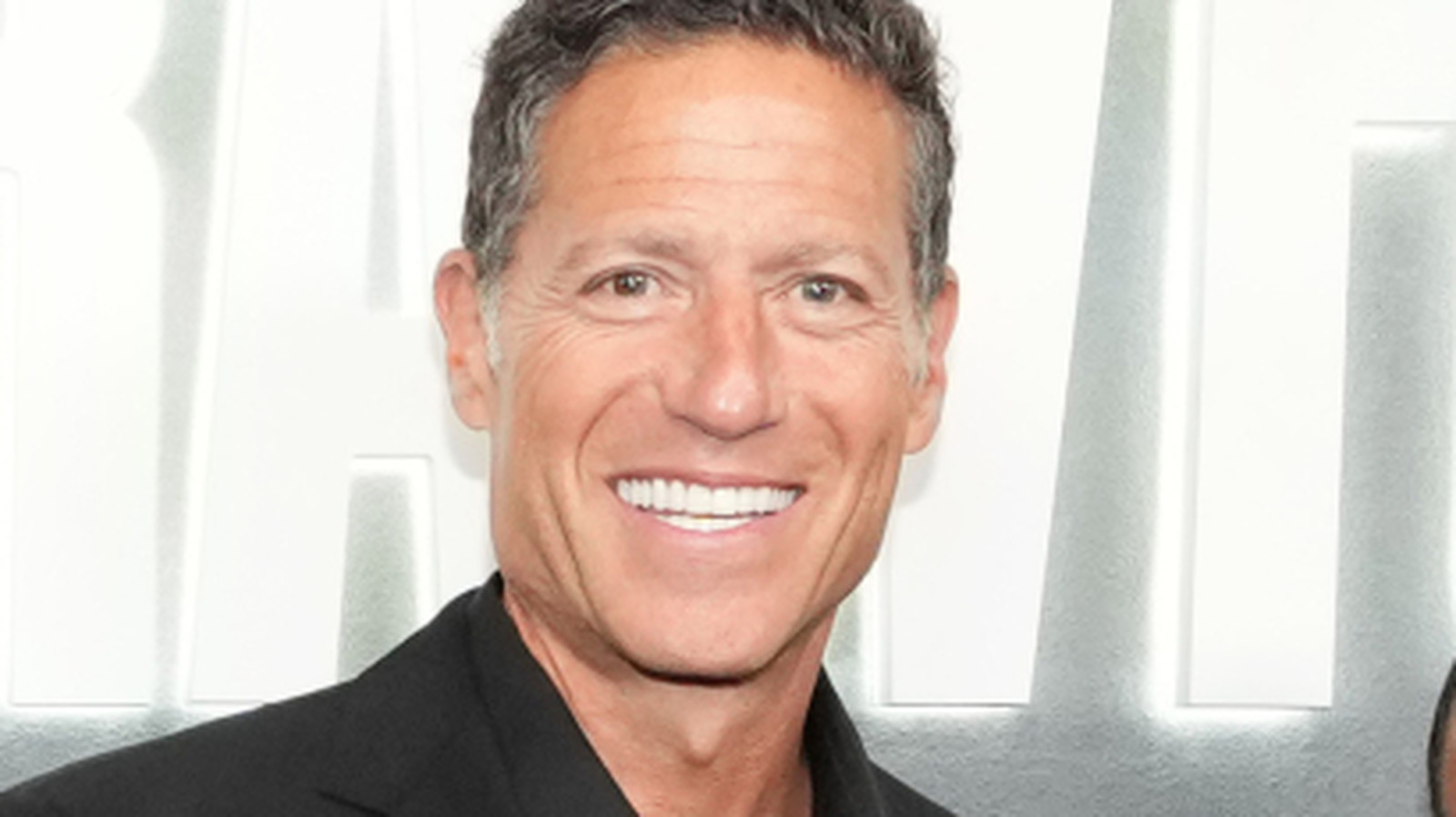
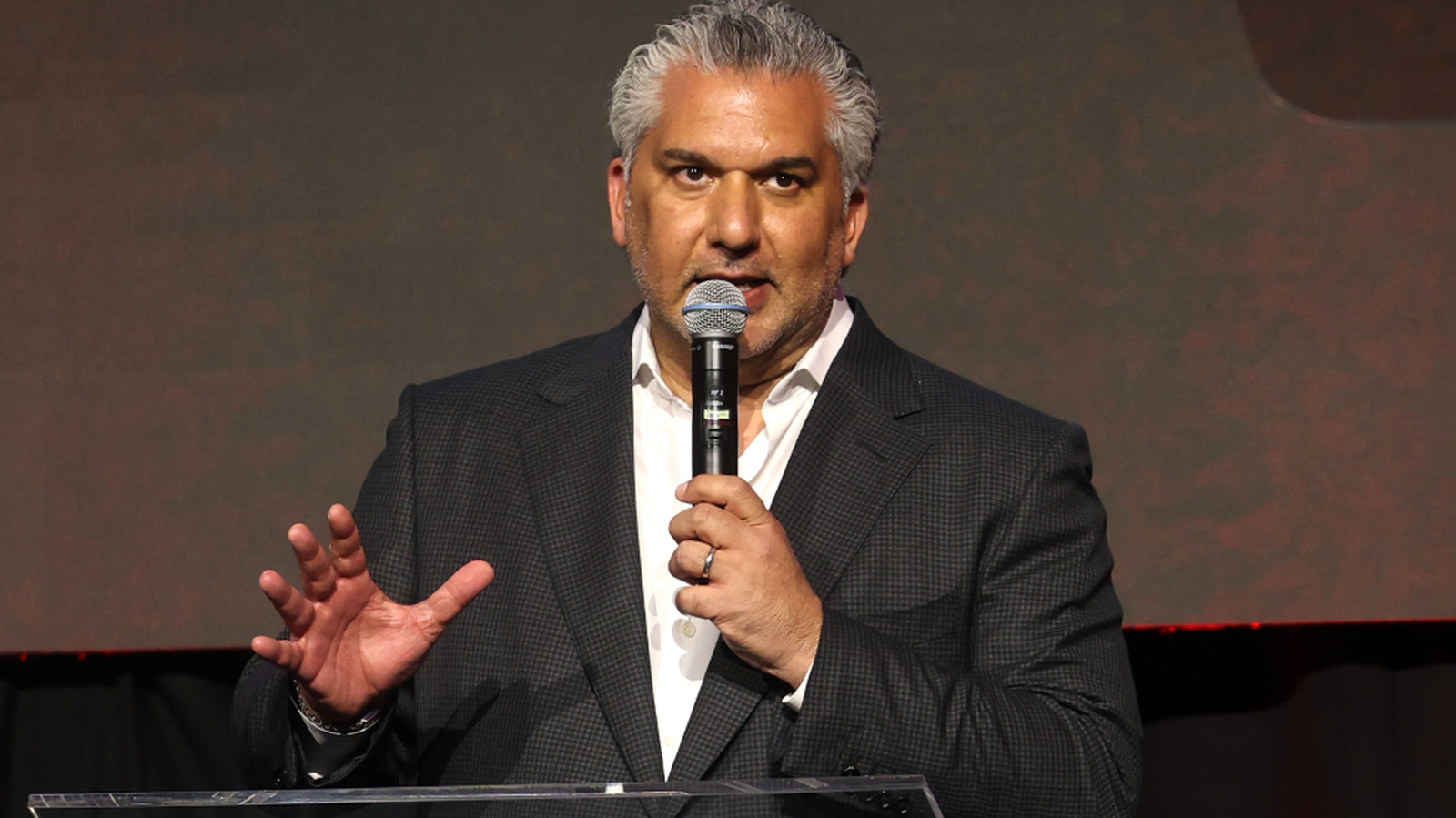
Marc Shapiro finally said the quiet part out loud. As PWInsider reported, TKO’s acknowledgment that returning to Las Vegas in consecutive years was a mistake is a stunning concession. This management team almost never admits fault publicly. For a high-ranking executive to walk back a core scheduling strategy means the internal data must be terrifying.
They thought the Las Vegas money printing machine was invincible. They were wrong.
The hidden cost of the Vegas residency
On paper, the strategy made perfect business sense. Las Vegas offers massive site fees, infinite hotel capacity, and unparalleled corporate hospitality options. You lock down Allegiant Stadium, setup the Superstore at a major convention center, and let the tourists flood the strip.
But wrestling tourism operates on a completely different economic model than the Super Bowl or a stadium rock tour. The core WWE audience isn't composed of corporate executives with unlimited expense accounts. They are working-class fans saving up for an annual pilgrimage.
When you ask that demographic to absorb Las Vegas resort fees, surge-priced flights, and exorbitant nosebleed tickets two years in a row, the math breaks. A family of four cannot justify a $6,000 weekend twice in a 12-month span.
The warning signs were blindingly obvious last month. WrestleMania 41 in April delivered on in-ring quality, but the economic strain was visible everywhere. The secondary ticket market collapsed in the final 48 hours before the event. Scalpers were eating massive losses just to dump inventory.
Look at the merchandise lines. Traditionally, a fan attending their first WrestleMania will buy everything in sight. A fan attending their second Vegas WrestleMania in a row has already bought the commemorative t-shirt. The per-capita spending inevitably drops.
An atmosphere sterilized by pricing
The most damaging side effect of the Vegas obsession isn't just financial. It is the active destruction of the live atmosphere.
Wrestling relies on crowd heat more than any other live entertainment medium. You need the rabid, screaming diehards to create the television product. When you price out the working-class fans and fill the lower bowl with casual tourists, the energy dies entirely.
Take Night 1 of WrestleMania 41. John Cena's farewell match was a deeply emotional, historic milestone. The booking was virtually flawless from start to finish. Cena hit the Attitude Adjustment, the crowd popped, and he left his boots in the ring. It should have been deafening.
Instead, the noise level in the lower sections of Allegiant Stadium felt shockingly muted. The fans sitting in the high-priced VIP seats weren't the ones who grew up idolizing the Doctor of Thuganomics. They were high-rollers who got comped tickets through a casino host.
Night 2 suffered from the exact same dynamic. Cody Rhodes defending the WWE Championship against the Bloodline was a masterclass in psychological storytelling. The near-falls were perfectly timed. The interference spots were entirely logical.
But when you re-watch the broadcast, the acoustic response simply doesn't match the stakes. Compare the Allegiant Stadium crowd to the feral energy of the fans in Philadelphia or Puerto Rico. The difference is staggering. TKO traded atmospheric magic for guaranteed casino site fees.
The subsidy pivot
Shapiro’s admission signals a massive, immediate shift in TKO's touring strategy. They have realized that the domestic stadium market is rapidly approaching a saturation point. You cannot keep going back to the same four American cities and expecting record-breaking grosses every single time.
My prediction is absolute. TKO is going to radically abandon the American West Coast for its major stadium events over the next 18 to 24 months. The Las Vegas experiment is officially over.
Instead, WWE will pivot entirely to international markets that are willing to pay massive government subsidies to host events. We have already seen the blueprint with Clash at the Castle and the Saudi Arabia deal. Now, they are going to put that strategy on steroids.
Expect the next three massive WWE events to take place outside of North America. London is desperate for a major stadium show. The local government has practically begged for a premium live event of this scale. TKO will gladly take that taxpayer money.
Australia and the Middle East will also see an increase in major shows. These international markets haven't been bled dry by dynamic pricing yet. The fans there are starving for the product and will pay whatever it takes to get in the building.
The end of the domestic mega-gate
This pivot will have major ramifications for the North American fan. If you live in California or Nevada, you are going to be starved of major stadium shows for the foreseeable future.
TKO knows they pushed the American fan too far. They broke the unspoken social contract between the promotion and the audience. You can charge a premium for a premium product, but you cannot treat your most loyal customers like a limitless revenue stream.
The consecutive Vegas bookings were an arrogant overreach. Shapiro looking at the numbers and admitting it was a mistake is the first step toward correcting the ship. But the damage to the domestic market is already done.
WWE will not return to Allegiant Stadium until at least 2030. The brand needs a serious cooling-off period in the Nevada desert. When they do finally bring a massive event back to the United States, look for it to land in a traditional wrestling stronghold.
A city like Chicago, Philadelphia, or Toronto will get the nod because TKO needs to guarantee a rabid, deafening crowd to reset the television aesthetic. The era of booking Vegas purely for the corporate optics is completely dead.
It took a near-disaster in the secondary ticket market for TKO to wake up. They finally realize that a sold-out stadium means nothing if the crowd is sitting on their hands. The product is the atmosphere, and you cannot manufacture atmosphere in a corporate luxury suite.