TKO's Vegas Takeover is Getting Complicated
Mark Shapiro is not known for his public apologies. As TKO's President, he operates with the cold, calculated swagger of an executive who knows his company essentially prints money. But his latest media tour revealed a surprising crack in the armor regarding WWE's stadium strategy.
The core issue is Las Vegas. TKO absolutely loves the city. They love the endless tax breaks, the built-in tourist economy, and the sheer corporate excess of it all. It has become the undisputed capital of combat sports. But Shapiro just publicly admitted that locking in consecutive WrestleMania events in Sin City might have been a severe miscalculation by the higher-ups.
"Maybe it's a mistake that I made because Vegas was so huge last year."
He conceded that the original plan was to take the biggest show of the year to New Orleans. That is a city that practically built its modern tourism economy around hosting massive sporting events. The Superdome has a legendary history with WWE, hosting iconic moments at both WrestleMania 30 and 34. The French Quarter turns into a dedicated wrestling festival for a week. Instead, TKO pivoted hard to Vegas.
Now, the booking fatigue is showing. Putting consecutive WrestleManias in the exact same domestic market is a massive, unnecessary gamble. The novelty completely wears off. The local market gets financially saturated by the exorbitant ticket prices. And the hardcore fans who travel internationally are significantly less likely to book the exact same expensive desert trip twice in a row. It was a greedy decision, and Shapiro is finally acknowledging the blowback.
The Raiders Connection
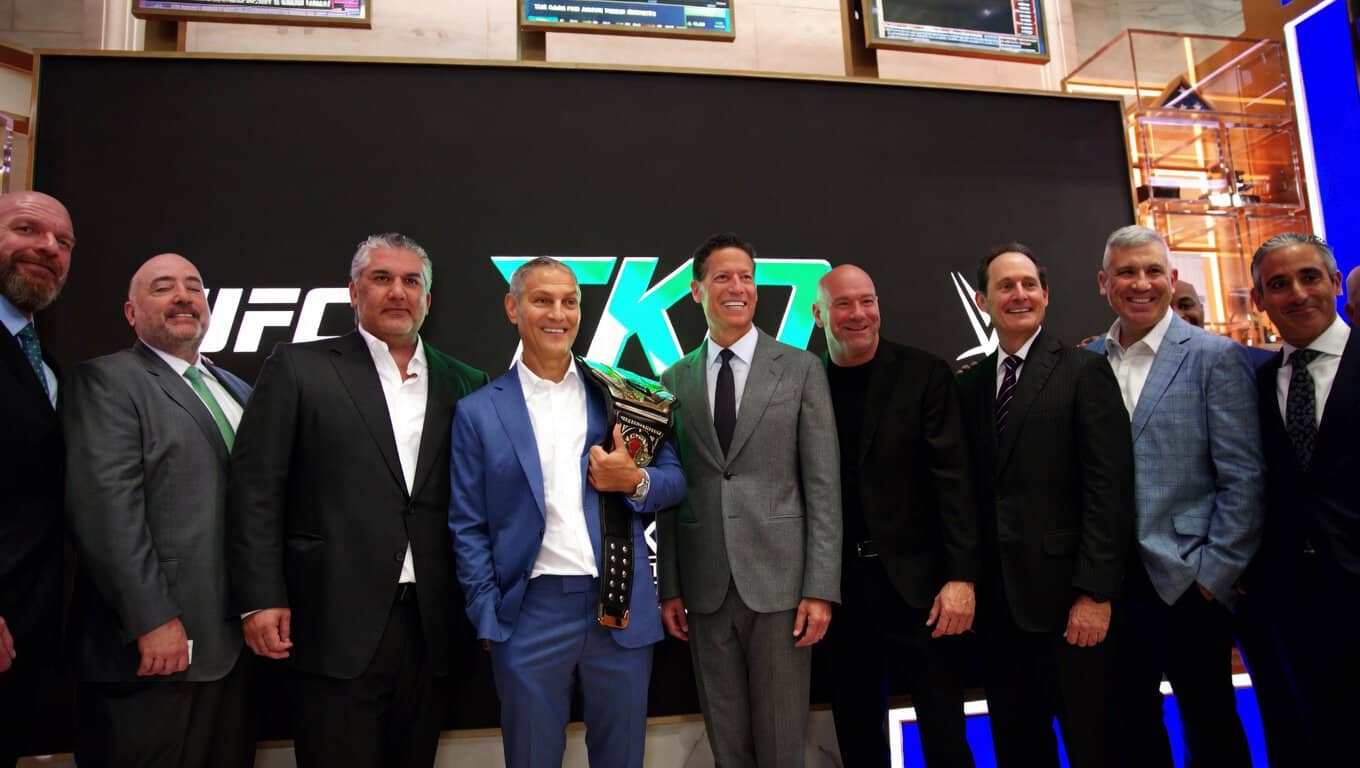
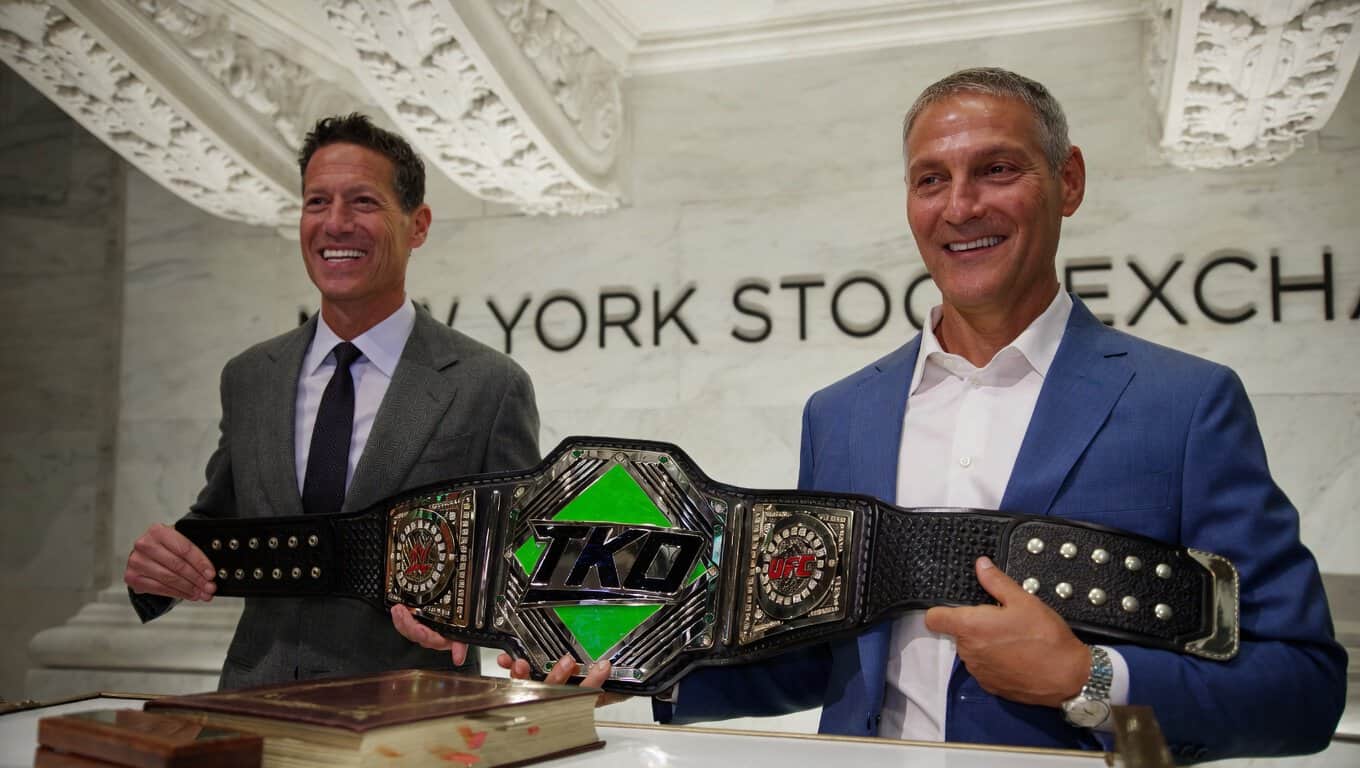
While Shapiro might be second-guessing his wrestling logistics, his personal portfolio in the city is expanding rapidly. Reports confirmed this week that both Shapiro and Emanuel are officially joining the ownership group of the Las Vegas Raiders.
This is where the corporate maneuvering starts to look a bit grotesque. TKO executives holding equity in an NFL franchise that plays in the very stadium WWE and UFC rely on for their biggest stadium shows creates an undeniable, glaring conflict of interest. It completely explains the magnetic pull Allegiant Stadium has on TKO's booking strategy. They aren't just renting a building for a weekend; they are enriching a business network they are actively buying into.
The Raiders purchase is the ultimate executive flex. It puts Emanuel and Shapiro in the most exclusive billionaire boys club in North American sports. But for wrestling fans, it should be a bright red warning sign. When the guys running the promotion own a piece of the local NFL team, expect more premium live events to be forcefully routed through that specific market, regardless of fan fatigue or terrible sightlines in the stadium.
Burying the Netflix Stunt
Shapiro didn't just limit his controversial takes to WWE's touring schedule during this run of interviews. He also took a surprisingly vicious swing at the recent Ronda Rousey vs. Gina Carano fight.
The bout, which took place just four days ago on May 16 at the Intuit Dome, was broadcast globally on Netflix. It was aggressively billed as a dream match, a historic clash of the two most important pioneers in women's mixed martial arts. It ended in exactly 17 seconds. Rousey mercilessly bulldozed Carano, and the heavily hyped spectacle fizzled out before the crowd could even settle into their expensive seats.
Instead of defending the spectacle or offering basic corporate spin to protect the promoters, Shapiro absolutely buried it.
He explicitly called the fight "more of a stunt than a meaningful event." That is a brutal, unvarnished assessment from the man running the company that essentially relies on high-profile stunts to drive quarterly earnings and appease shareholders.
But he is entirely right on the money. The Rousey and Carano fight was a desperate, hollow nostalgia play. It felt like a cynical attempt to farm easy engagement from a casual Netflix audience that scrolls through sports documentaries rather than paying for actual pay-per-views. Carano had been out of high-level competition since the Cris Cyborg fight in 2009. Rousey's untouchable aura was violently shattered years ago by Holly Holm and Amanda Nunes. Putting them in a cage in 2026 was a pure promotional gimmick, and the 17-second finish violently exposed it.
By publicly calling it a stunt, Shapiro is drawing a firm line in the sand. He is trying to fiercely distance TKO's premium UFC product from the sideshow circus fights that have recently infected combat sports. He wants to protect the brand equity of actual, legitimate title fights. But the statement is a bit hypocritical coming from an executive who happily sanctions celebrity gimmick matches in WWE whenever the television ratings need a quick, artificial bump.
The Rock's Influence in the Boardroom
While Shapiro was perfectly willing to throw the Netflix fight under the bus, he was full of effusive praise for the newest, most famous power player in the TKO boardroom: Dwayne "The Rock" Johnson.
Johnson's addition to the board was a strategic move that coincided perfectly with his massive on-screen return and his sprawling heel run heading into WrestleMania 41. But Shapiro made it abundantly clear that Johnson isn't just a smiling mascot for the executives. He is wielding actual, tangible influence behind closed doors.
Shapiro pointed out the very specific strengths Johnson brings to the corporate table. He is an absolute master of brand positioning. He understands the lucrative combination of Hollywood, live sports, and digital merchandise. When TKO negotiates international distribution deals or pitches sponsorships, having the biggest movie star on the planet sitting at the table is an unbelievable cheat code.
But Johnson's looming presence also radically complicates the creative hierarchy. When a television performer is also technically the boss of the writers, the dynamic gets inherently weird. Johnson can dictate his own storylines. He can completely commandeer main event spots. He operates completely outside the normal, established chain of command.
Shapiro views this unique setup as a feature, not a bug. He sees Johnson as a valuable bridge between the chaotic locker room and the sterile C-suite. But history repeatedly tells us that whenever a professional wrestler gains sweeping executive power, the on-screen product eventually suffers from their unchecked ego. Johnson managed to walk the tightrope perfectly during the Bloodline saga this spring, but maintaining that delicate balance long-term will be the real test of his corporate value.
The Bottom Line on TKO's Strategy
This coordinated media blitz from Shapiro tells us exactly where TKO is heading as the chaotic summer of 2026 approaches. They are aggressive, completely unapologetic, and heavily invested in dominating the traditional power centers of global sports.
Buying into the Raiders proves they view themselves on the exact same level as legacy NFL owners. Trashing the Carano fight proves they desperately want to maintain a veneer of sporting legitimacy for the UFC brand. And admitting the Vegas WrestleMania mistake proves they are at least somewhat self-aware when their stadium greed inevitably backfires on them.
But the overriding theme here is absolute control. TKO wants to own the actual venues, dictate the mainstream media narratives, and use massive, transcendent stars like The Rock to bully their way into bigger, more lucrative television deals. They aren't just trying to put on wrestling shows or MMA fights anymore. They are actively trying to build an inescapable content monopoly. And right now, despite a few logistical missteps in Nevada, absolutely nobody is strong enough to stop them.