The McIntyre timeline becomes a major headache
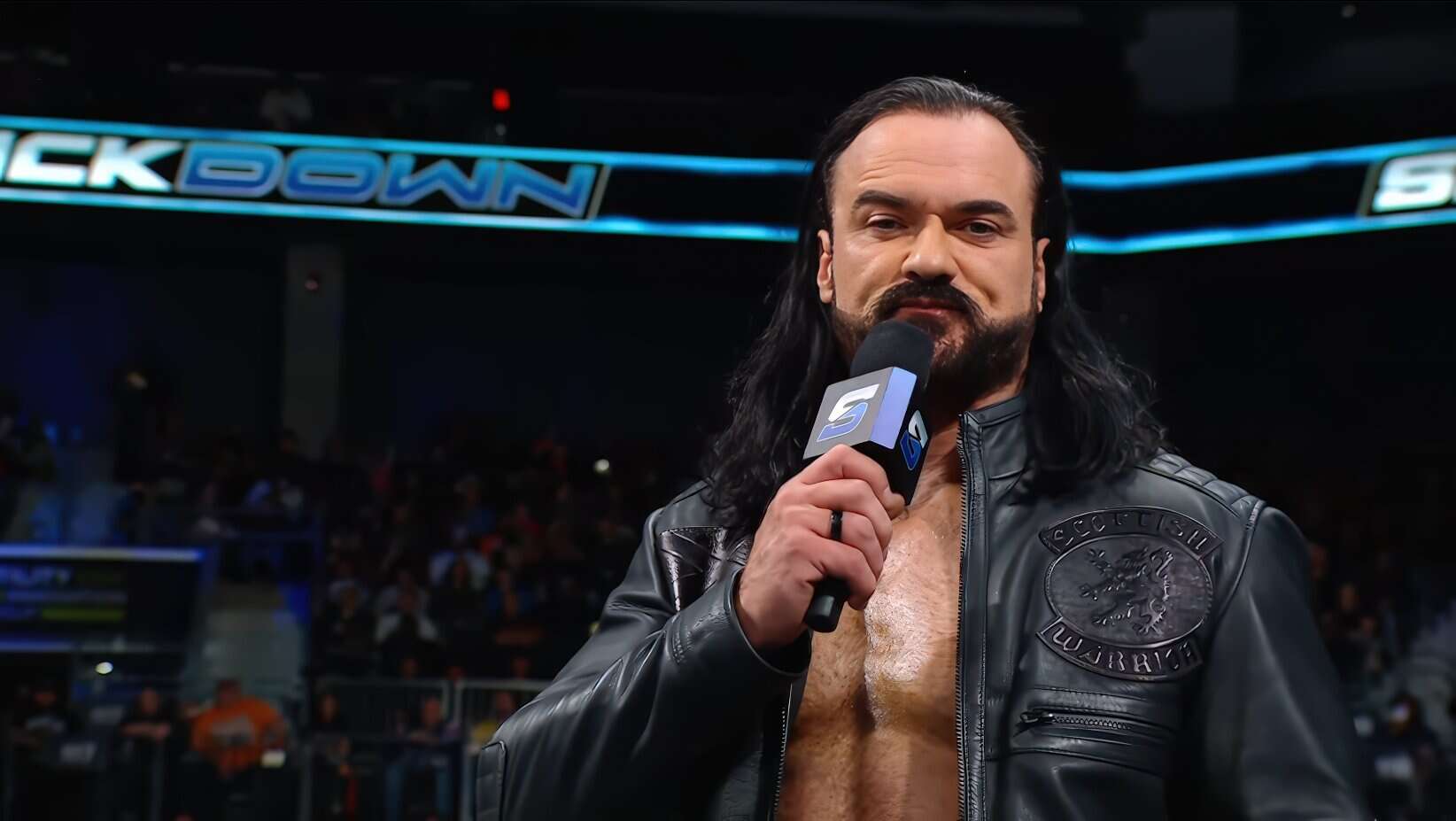
Drew McIntyre has been pulled from all immediate television bookings following his intense physical confrontation on the July 17 episode of SmackDown. Medical staff have diagnosed a grade two medial collateral ligament sprain in his left knee. This injury occurred during the closing minutes of his contest against Solo Sikoa, specifically during a landing gone wrong following a top-rope overhead belly-to-belly suplex.
Initial reports from the medical bay at the arena indicate a recovery window of six to eight weeks. WWE has already initiated a contingency plan for the upcoming mid-card circuit. With the former world champion now in the training room, the creative team faces an immediate void in the top-tier heel dynamic. There are no plans for surgery at this time, provided his rehabilitation stays on the current trajectory.
Tactical ripple effects
The timing could not be worse for the SmackDown brand. McIntyre was slated to headline the August house show circuit, serving as the primary antagonist against the current Intercontinental titleholder. Losing a performer who logged over 150 matches last year illustrates the fragility of the full-time roster. This sudden vacancy forces the matchmaking team to elevate younger talent on an accelerated timeline.
We have seen this specific recovery cycle fail before when performers return to the ring too early. In 2024, a similar knee issue for a top-card talent resulted in a re-aggravation during a live event in Chicago that extended the absence by an additional three months. The medical staff is reportedly prioritizing a full, slow-paced recovery to ensure he does not mirror those historical setbacks.
The medical reality of the ring
An MCL sprain is rarely a glamorous injury, but it is effectively a career-halting issue for a wrestler who relies on power-based offense. McIntyre’s reliance on the Claymore Kick requires significant stability in the kinetic chain of the legs. That move involves a high-impact jump and a sudden, violent torque on both knees. Until the ligament regains its full tensile strength, that finishing maneuver remains shelved.
Competitors on the roster are currently navigating a high volume of wear and tear. While the company has implemented a more rigorous wellness and recovery protocol, the nature of a 52-week schedule makes contact injuries inevitable. This specific incident looks like a simple mechanical error during a high-stakes spot, rather than an issue with the training facility or the current, fairly standard, physical demand of the television product.
Strategic gaps and management flaws
The booking of the July 17 SmackDown match remains subject to intense internal criticism. Multiple sources suggest that the high-impact sequence, which included three separate table bumps throughout the night, was unnecessary for a mid-summer television episode. Allowing a veteran performer to take that level of risk on a Tuesday night is a questionable decision that puts the long-term health of the roster at a disadvantage.
Management will need to rethink how they structure these long-form television confrontations. When the goal is to sell premium live events, burning out top-tier talent in high-stipulation matches without a clear narrative payoff feels like poor resource allocation. McIntyre is effectively off the board for the next 8 weeks of programming, meaning the writers now have to scramble to fill a marquee slot that previously relied on his presence to draw ticket sales.
The recovery process will happen at the Performance Center in Orlando. McIntyre is expected to begin range-of-motion work early next week. Fans should not expect to see him in a physical capacity before early September. Any reports suggesting an appearance at the upcoming pay-per-view are currently premature and not backed by the medical staff evaluation. The focus is strictly on long-term stability and strength maintenance.