The math behind the desert gamble
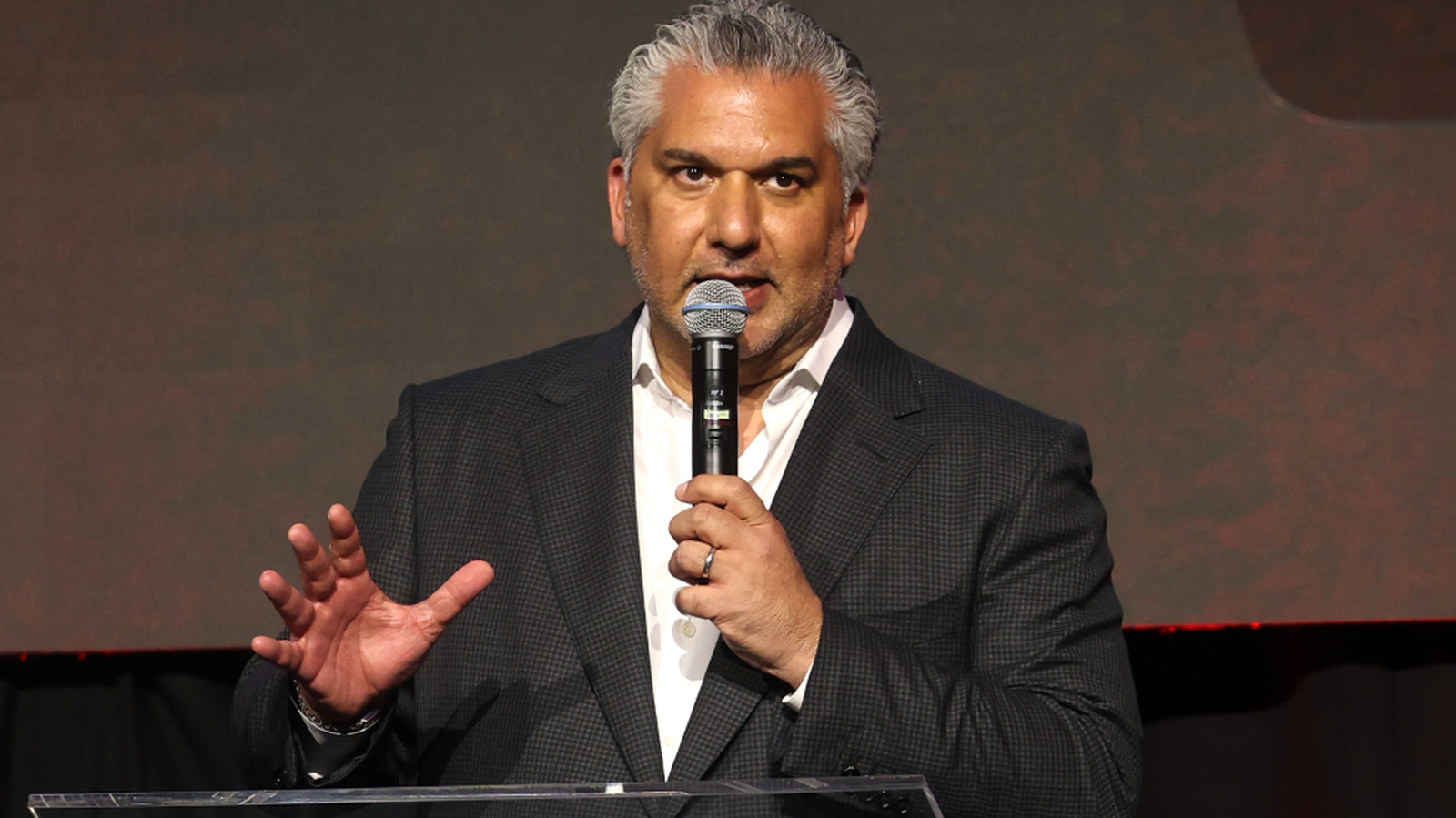
Nick Khan is not a fan of the traditional rotating city model for major events. When pressed on the decision to keep WrestleMania in Las Vegas for consecutive years, his answer centered on pure logistical volume. The company wants to minimize displacement for their core production teams.
Bringing the show to the same market twice allows the promotion to treat the venue like a permanent office. They avoid the costs and headaches of shipping specialized, high-definition rigs across the country for months at a time. It is a bean-counter's dream, but it feels like a slight to regional fan bases expecting a marquee rotation.
The cost of convenience
There is a glaring downside to this decision. By anchoring in Vegas, the organization inevitably shrinks its own reach. Fans who traveled to last year’s event are unlikely to make the same trip again. You are asking for the repeat business of a cohort that just dropped thousands on airfare and hotels.
If the arena isn't filled with new blood, the atmosphere suffers. We saw exactly this kind of fatigue during the late summer tours where the same cities were hit every three weeks. The business logic provided by Khan favors the shareholders over the spontaneity of the crowd.
Why this could backfire
The reliance on the Vegas market ignores the pent-up demand in cities like Chicago or London. Every show in a repeat location becomes a test of market saturation. If they can sell out the same room on back-to-back dates, the model is vindicated. If attendance dips, the experiment fails hard.
We need to see if the undercard can carry the weight of a stale location. If the creative team treats this like a standard stop, the novelty will evaporate by the second night. The promotion has banked on location familiarity to drive efficiency, but their biggest asset in this sport is the reaction of a fresh audience.
My final prediction on the strategy
I am calling this a potential mistake. WWE will likely meet their revenue targets—Khan is too sharp to let the books bleed—but the trade-off will be a measurable dip in crowd energy. Reducing travel expenses is a valid goal for an office, but it is a poor strategy for showmanship.
My bet is that they see sell-through numbers of 94 percent, short of a clean sweep, forcing them to look elsewhere for 2027. Relying on the same geographic base for the biggest show on the calendar is a shortcut that eventually leads to a dead end. Expect the mid-card talent to feel the difference in the arena sound mix when the gate isn't quite as electrified as it would be in a untapped territory.