TKO is stripping the soul out of WWE to please their Las Vegas investors
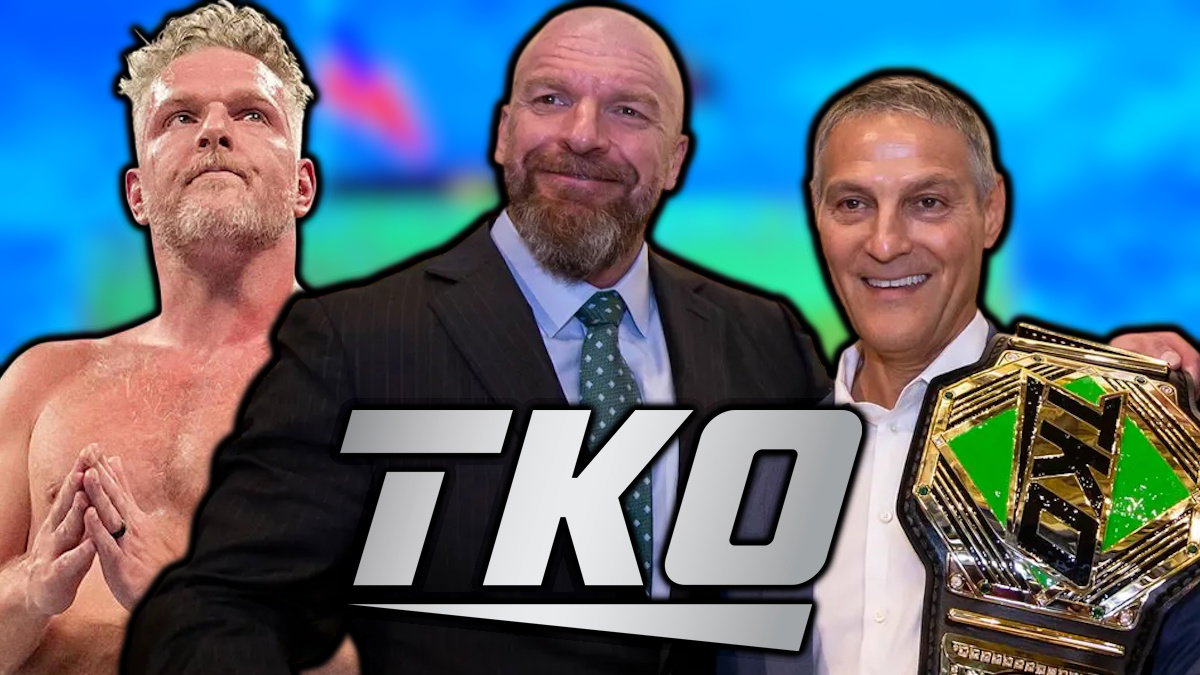
The high price of the TKO era
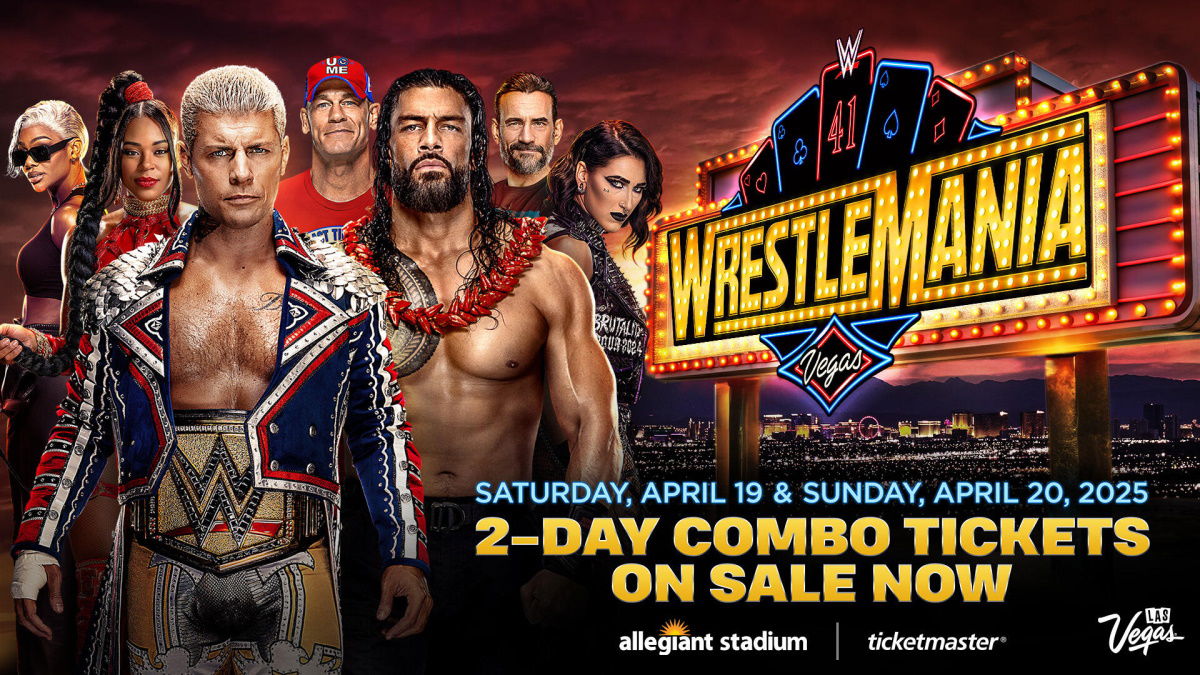
The dust has barely settled on Allegiant Stadium following WrestleMania 41, but the financial hangover is just beginning for the average fan. While the three-day weekend in Las Vegas was framed as a celebration of John Cena’s legacy and Cody Rhodes’ resilience, the spreadsheet-first mentality of TKO was the real main event. We are no longer watching a wrestling promotion that happens to be a business. We are watching a live entertainment product designed to maximize average revenue per user through aggressive dynamic pricing and corporate synergy.
The atmosphere at WrestleMania 41 Night 1 on April 19 was different from the raucous, organic noise of the Philly or London crowds. It was more sterile, more transactional. When you charge $1,250 for a mid-tier seat that used to cost $300, you change the demographic of the building. You replace the guy who knows every transition in a Gunther match with a high-roller who is there for the spectacle. The result is a crowd that pops for the pyro but stays silent during a technical masterclass in the middle of the second act.
As WrestleTalk recently detailed, TKO’s influence is moving beyond just ticket prices. They are fundamentally altering how WWE presents itself as a brand. The UFC-ification of the product is no longer a theory; it is a visible, tactical shift that prioritizes sponsors over storytelling. The canvas is now a billboard, and the pacing of the matches is being dictated by the needs of a global streaming partner rather than the natural flow of the ring psychology.
The surgical removal of the grit
In the Vince McMahon era, the product was often criticized for being a "universe of one," a closed loop of one man's whims. Under TKO, the problem is the opposite. The product is being smoothed out for the widest possible advertiser appeal. Look at the Bloodline saga during Night 2 on April 20. While the drama between Roman Reigns and his cousins remains compelling, the production has become overly cinematic and sanitized. There is a lack of the jagged, unpredictable edge that made the Attitude Era or even the early Ruthless Aggression period feel dangerous.
The tactical shift is evident in the match layouts. We are seeing fewer high-risk spots and more "signature sequence" wrestling. During the Cody Rhodes title defense, the match followed a rigid structure designed for social media clips. A disaster kick at the 8-minute mark, a Cross Rhodes attempt at 12 minutes, and a series of protected near-falls leading to the finish. It is efficient, but it feels like it was put together by a committee looking at engagement metrics rather than two workers telling a story in the moment. The spontaneity is being replaced by a polished, repeatable formula that minimizes injury risk and maximizes highlight-reel potential.
This formulaic approach is a direct result of TKO’s desire for predictability. In the UFC, a fight can end in 10 seconds or 25 minutes. TKO hates that variance for WWE. They want a 22-minute main event that hits specific ad breaks and allows for a clean transition to the post-show analysis. This rigid timing is starting to hurt the mid-card. Workers like Chad Gable or Ricochet are having their matches clipped to fit into narrow windows, forced to sprint through their best sequences without giving the audience time to breathe or invest in the struggle.
The myth of the fan-first experience
TKO executives love to talk about the "fan experience," but they are really talking about the "premium fan experience." The push for stadium shows only—with rumors of every Big Four event moving to a permanent stadium rotation—is a middle finger to the traditional arena-going fan. A stadium is a terrible place to watch wrestling unless you are in the first ten rows. The sightlines are poor, the acoustics are washed out, and the intimacy that makes wrestling unique is lost in the vastness of a 70,000-seat bowl.
Yet, the revenue numbers justify the move in the eyes of the board. TKO reported a 14.2% increase in live event revenue last quarter, even as the number of shows decreased. They are doing more with less, which is great for the stock price but terrible for the culture of the sport. We are seeing the death of the "house show" as a developmental tool and a way for fans in smaller markets like Des Moines or Sheffield to see their heroes. If you don't live in a destination city like Las Vegas or Riyadh, WWE is becoming a television-only product for you.
The John Cena farewell tour is the perfect example of this corporate packaging. Instead of a series of gritty, hard-hitting matches against hungry young talent, we are seeing a carefully curated "greatest hits" package. Every match is being treated like a museum exhibit. It’s respectful, sure, but it lacks the competitive fire that Cena used to bring. It feels like a multi-month marketing activation for his upcoming film projects rather than a final run of a legendary competitor. TKO is more interested in Cena the brand than Cena the wrestler.
The AEW contrast and the looming May calendar
As we head toward AEW Double or Nothing on May 24, the contrast between the two major promotions has never been sharper. Tony Khan’s product has its flaws—chaotic booking and a bloated roster—but it still feels like a wrestling company. There is a sense of unpredictability and a focus on the in-ring product that TKO is actively trying to move away from. When Will Ospreay hits a Hidden Blade at the 20-minute mark of a Dynamite main event, it feels like an athletic achievement, not a corporate milestone.
However, TKO’s strategy is working where it matters most: the bottom line. The $5 billion Netflix deal, which is now the backbone of the company’s distribution strategy, demands a certain level of polish. Netflix doesn't want the messy, blood-soaked drama of a Texas Deathmatch. They want a slick, high-definition variety show with athletes who look like movie stars. This is why we are seeing a shift in the roster. The "independent scene" darlings are being passed over for college athletes with high NIL (Name, Image, and Likeness) scores. TKO is building a stable of performers who are easier to manage and easier to sell to Blue Chip advertisers.
The upcoming WWE Backlash on May 9 in France will be another test of this global stadium strategy. While the international crowds are usually louder and more passionate than their American counterparts, the ticketing strategy remains the same. The secondary market for the Lyon show is already seeing prices that would make a Champions League final look affordable. TKO is betting that the "once in a lifetime" nature of these international shows will allow them to keep hiking prices indefinitely. It is a dangerous game that risks alienating the very fan base that kept the company afloat during the lean years of the mid-2010s.
A critical look at the Triple H leadership
While Triple H is often hailed as the savior of the creative direction, he is still working within the constraints of the TKO mandate. His booking is more logical than Vince’s, but it is also more cautious. He rarely takes big swings that might upset the status quo. The long title reigns of Roman Reigns and Cody Rhodes are symptomatic of this. They are safe, bankable choices that provide stability for the marketing teams. But for the viewer, it can lead to a sense of stagnation.
The tag team division is the most glaring victim of this creative caution. Despite the talent available, the titles are often treated as secondary props for the larger Bloodline or Judgment Day stories. We rarely see a tactical, 2-on-2 tag match that goes 15 minutes and uses the full range of tag team psychology—the hot tag, the isolated partner, the twin magic. Instead, we get short bursts of action that serve as a backdrop for a post-match beatdown. It is lazy booking that ignores the rich history of the division.
Furthermore, the women's division has hit a plateau. Beyond Rhea Ripley and Bianca Belair, the creative team seems to have no idea how to build credible threats. The matches are shorter, the storylines are thinner, and the "revolution" feels like a distant memory. During WrestleMania 41, the women’s matches felt like they were struggling for oxygen between the massive male-dominated segments. If TKO wants to claim they are a modern entertainment company, they need to stop treating half their roster as a secondary attraction.
The tactical reality of the 2026 landscape
Looking ahead, the road to the summer is paved with corporate partnerships and crossover events. The integration of WWE and UFC under the TKO umbrella will only deepen. Expect to see more UFC fighters appearing in WWE segments and more "cross-pollination" of sponsors. While this is a dream for the sales team, it dilutes the unique identity of professional wrestling. Wrestling works because it is a subculture; when you try to turn it into a mainstream sports league, you lose the theatricality that makes it special.
The reality is that WWE has achieved an 87% sell-through rate on their VIP packages for the remainder of the year. As long as those numbers hold, the complaints of the hardcore fan will be ignored. We are in the era of the "super-producer" where the person holding the clipboard is more important than the person holding the belt. The matches will get slicker, the entrances will get more elaborate, and the tickets will get more expensive. But in that process of refinement, something vital is being lost.
The "TKO plans" aren't about wrestling at all. They are about building a recession-proof, global entertainment engine that can survive without any single star. They are making the brand the draw, effectively making the individual wrestlers interchangeable parts in a massive machine. It’s a brilliant business move, and a depressing one for anyone who remembers what it was like to be a fan before the boardroom took over the locker room. The soul of WWE isn't being sold; it's being renovated into a luxury condo, and most of us are being priced out of the building.
Drafting Champions: A History of the Pro Wrestling Industry by John M. Wilson
A deep dive into the business and history behind the squared circle.
Frequently Asked Questions
What impact is TKO having on WWE ticket prices?
How did the crowd at WrestleMania 41 differ from past events?
What does the UFC-ification of WWE mean for the wrestling product?
Why are WWE match layouts becoming more formulaic under TKO?
How did the Cody Rhodes match at WrestleMania 41 reflect TKO's new approach?
More Coverage

Data suggests Nick Aldis is manipulating WWE main event windows
24 minutes ago
Top 10: The Most Impactful Pro Wrestling Moments of 2026
an hour agoWhy the Broken Hardy act is a major gamble for Philadelphia
2 hours ago
WWE reshuffles NXT pipeline as Meghan Walker eyes main roster debut
3 hours ago
Andre Chase pulls back the curtain on the Shawn Michaels era at NXT
4 hours ago
The Andre Chase effect: Why Shawn Michaels is the ultimate NXT headmaster
4 hours agoMore Analysis
WrestleMania 41 is shaping up as a corporate stress test
3 months, 1 week ago
TKO is treating WWE like a quarterly spreadsheet, not a wrestling show
1 month, 2 weeks ago
TKO suits are reportedly turning WWE backstage into a corporate war zone
2 months, 3 weeks agoTKO finally realized Las Vegas was a terrible idea for WrestleMania
2 months ago
TKO is turning WWE into a soulless money printer
1 month, 2 weeks ago