The UFC-ification of WrestleMania
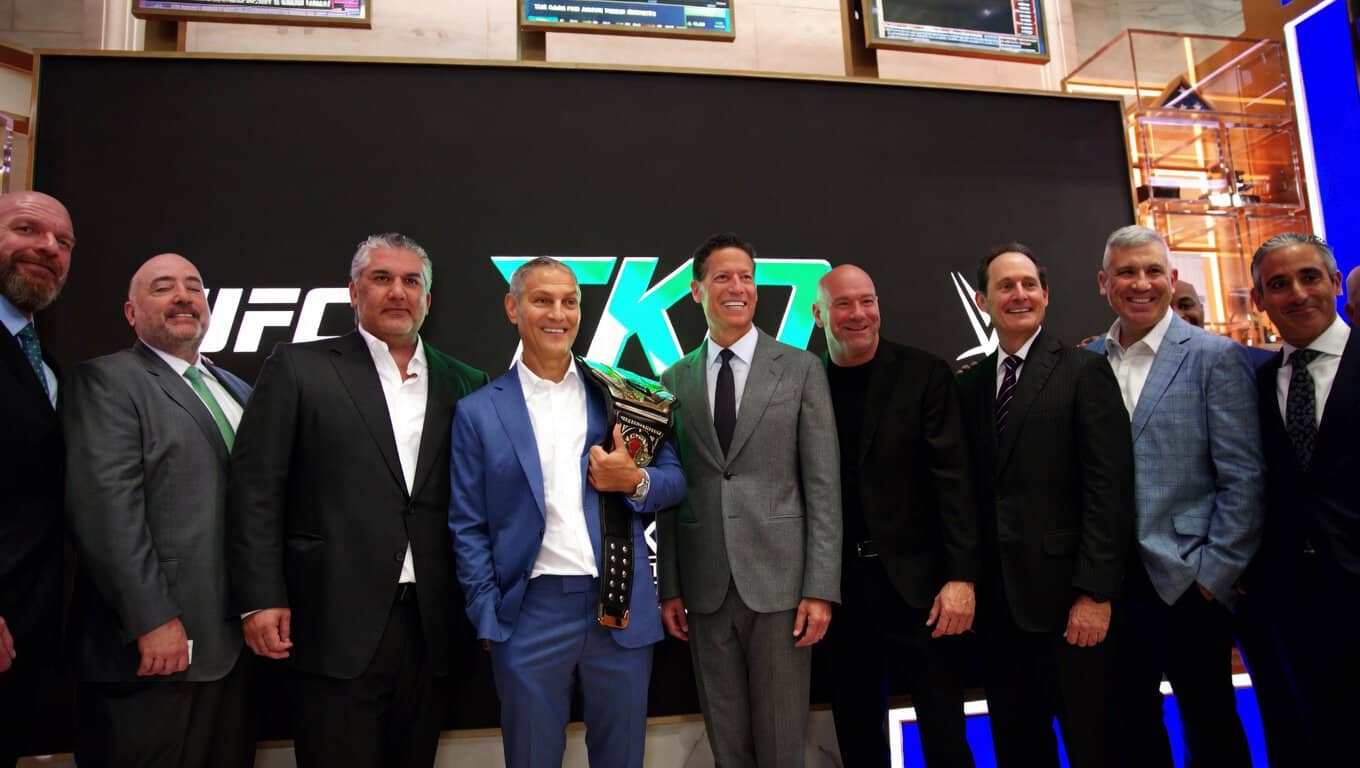
So it took exactly one month for the suits to admit what everyone sitting in section 412 of Allegiant Stadium already knew. TKO President Mark Shapiro recently let it slip that running WrestleMania 41 in Las Vegas might have been a miscalculation. You don't say?
It takes a special breed of corporate hubris to look at the biggest wrestling show of the year, drop it in the middle of the most expensive tourist trap on earth, and then act surprised when the economics get messy. Shapiro’s admission is a rare moment of transparency from the Endeavor regime. It also confirms that treating WWE exactly like the UFC is a flawed strategy.
WrestleMania isn't just a two-night premium live event. It is a week-long traveling circus that drains the savings accounts of die-hard fans. When you put that circus in Las Vegas, you aren't just competing with other wrestling shows. You are competing with slot machines, exorbitant resort fees, and thirty-dollar well drinks.
Math That Doesn't Math
Since Endeavor swallowed WWE whole, the directive has been obvious. Maximize site fees. Squeeze every drop of blood from the host city. Turn every major pay-per-view into a corporate networking event.
It works for the UFC. A massive Conor McGregor fight or a Jon Jones title defense draws casino whales. They fly in, gamble heavily, sit cage-side, and maybe look up from their phones when somebody gets knocked out.
Wrestling is a completely different beast. It requires crowd participation to function. If the crowd is dead, the television product dies with it. And last month at Allegiant Stadium, we saw exactly what happens when you price out the actual fans.
You could see it on television. The lower bowl wasn't filled with the lunatics who memorize fifteen years of lore. It was filled with influencers, comped high-rollers, and corporate sponsors.
We got John Cena’s farewell match in front of an audience that reacted like they were watching a moderately interesting magic act at the Bellagio. CM Punk tore the house down, and half the front row was busy ordering bottle service. Cody Rhodes defended the WWE Championship against the Bloodline, and the heat just wasn't there.
The Ghost of Caesars Palace
The math for a fan traveling to Las Vegas right now is legitimately offensive. A standard hotel room on the Strip runs you double what it costs in a normal major market. Add in the mandatory resort fees, the ridiculous surge pricing on food, and the flights.
By the time a family of four actually bought their tickets to Allegiant, they were already down thousands. TKO looked at the insane revenue generated by the NFL and Formula 1 in Vegas and assumed wrestling fans would just absorb the blow.
Instead, we got a secondary market that completely collapsed the week of the show. Scalpers ate massive losses. Fans who normally attend both nights simply picked one and spent the rest of the weekend watching indie shows off the Strip.
Shapiro's realization isn't born out of sympathy for the working-class fan. It is about the bottom line. TKO clearly saw the internal metrics. The site fee from the city was massive, sure. But the long-term damage of presenting a flat, visually uninspiring WrestleMania is real.
This isn't even the first time the company has botched a Vegas show. Anyone who lived through WrestleMania IX at Caesars Palace remembers the weird daytime lighting and the dead atmosphere. That was over thirty years ago, and somehow, the executives forgot the lesson.
Vegas is a transient city. People don't go there to sit in a cavernous football stadium for seven hours two nights in a row. They go there to hit the tables and lose their inhibitions.
Stop Chasing The Whales
When you force a seven-hour wrestling marathon into that environment, fatigue sets in instantly. Night two of WM41 felt like a hostage situation by the time the main event rolled around. The fans were physically drained and financially ruined.
And let's talk about the logistics. Allegiant Stadium is a nightmare to get out of. You had tens of thousands of people wandering across the highway bridge at midnight, desperately trying to find a rideshare that didn't cost $150. It was miserable.
If Shapiro and the rest of the TKO brass actually want to fix this, the solution is glaringly obvious. Stop trying to turn WrestleMania into the Super Bowl.
WrestleMania belongs in cities that treat it like an invasion. New Orleans completely embraces the chaos. Philadelphia turns into a giant tailgate party. Even Orlando knows exactly how to handle the influx of fifty thousand wrestling nerds.
Vegas simply doesn't care. To Las Vegas, WWE is just another convention rolling through town, marginally less important than a dental supply expo. The city swallows the event whole and spits it out.
You need buildings packed with rabid fans who saved up all year just to boo Dominik Mysterio out of the building. You don't need guys in tailored suits looking at their Rolex while the Undisputed Championship is on the line.
The Bottom Line
The fact that TKO is admitting this now is actually a positive sign. It means someone in the boardroom finally looked at the tape and realized the product was suffering. They realized that a loud, visually chaotic crowd is the best special effect WWE has.
You cannot artificially manufacture a wrestling crowd. You can pipe in crowd noise, you can dim the lights, but you can't fake the visceral roar of eighty thousand people losing their minds for a near-fall.
The collapse of the secondary ticket market for WM41 should be studied in business schools. Scalpers bought up massive blocks of tickets during the presale, assuming the usual demand would carry them to a massive profit.
But the demand never materialized. Regular fans looked at a weekend trip that would cost north of $4,000 for a family and completely tapped out. By Friday afternoon, you could find lower-bowl tickets for a fraction of their face value. The venue was technically sold out, but the building had massive pockets of empty seats where scalpers had simply eaten the loss.
This is the danger of relying on the Vegas economy. It is completely decoupled from the reality of the average American household. TKO gambled that WWE's current hot streak was immune to inflation and economic gravity.
They lost that bet. And Mark Shapiro knows it.
So what happens now? The admission is step one. Step two is course correction.
WWE needs to take a long, hard look at their stadium rotation. We don't need a destination city every single year. Sometimes you just need a city that is starved for entertainment and willing to blow the roof off the building.
Put WrestleMania back in places like Detroit, or Atlanta, or even Toronto. Places with massive stadiums but actual wrestling history. Give the hardcores a reason to travel without forcing them to take out a second mortgage just to pay the resort fees at a mid-tier casino.
The TKO era has brought unprecedented financial success to WWE. The television deals are massive. The sponsorships are everywhere. They literally had a Prime bottle mascot getting beat up in the ring.
But the core product is still a live theatrical performance. You cannot gut the theater of its most passionate patrons and expect the play to remain a hit. Las Vegas was a mistake of arrogance. It was a corporate flex that sacrificed the soul of the show for a temporary bump in the quarterly earnings report.
Hopefully, Shapiro's realization means they won't make the same mistake twice. Because John Cena is gone, and the Bloodline saga won't last forever. The only thing WWE can truly rely on is the crowd. They better stop trying to bankrupt them.