The cost of the brand split's decay
The fluidity of modern WWE rosters is ostensibly designed to keep television plots moving. In practice, the lack of firm territorial lines has eroded the credibility of the brand-specific champions. With SmackDown talent rotating freely onto Monday Night Raw, the stakes for the blue brand feel diminished. We are witnessing a dilution of the product as the promotion accelerates toward SummerSlam 2026.
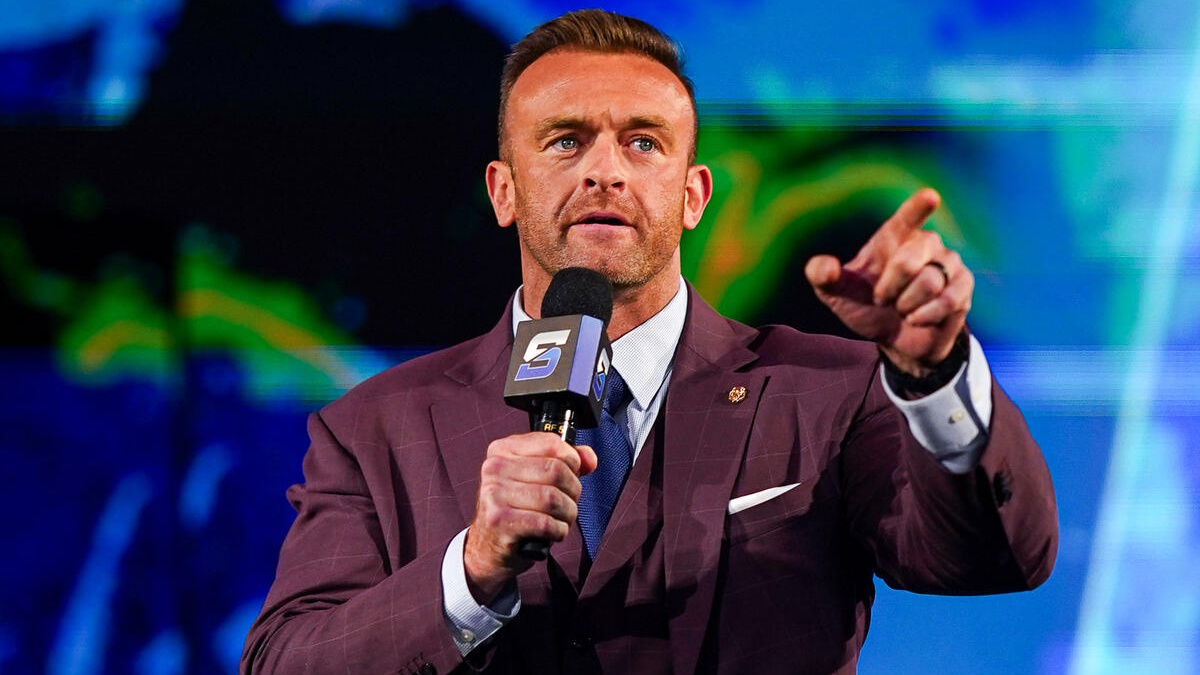
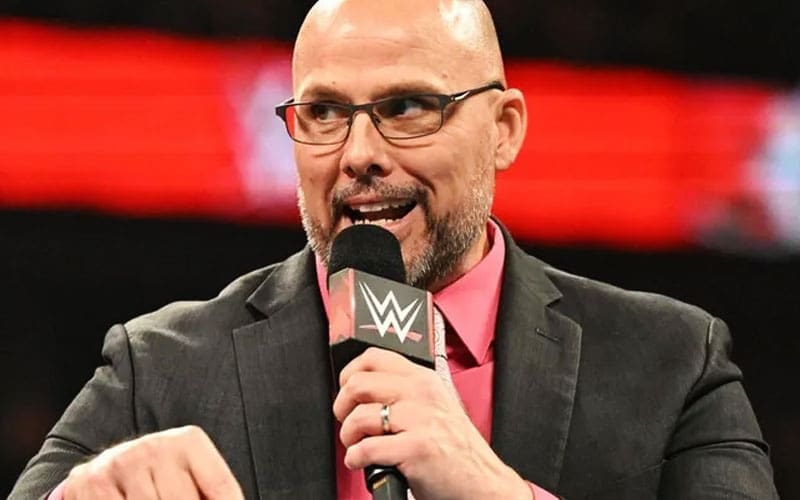
The current narrative flow is largely centered on the structural instability of the SmackDown front office. Following the incident involving Gunther’s assault on Nick Aldis, the show has shifted from an athletic showcase to an authority-figure procedural. This pivot is a tactical error. When the focus moves to a general manager’s injuries, it siphons screen time away from the workers who pull the actual weight in the ring.
Mid-card stagnancy and booking missteps
The July 17 broadcast attempted to rectify this with new segments, yet the pacing remains frantic. While additional matches were inserted to fill the time, the lack of long-term objective is glaring. We see the same faces exchanging wins without a clear trajectory toward a blow-off match at the upcoming premium live event.
There is a recurring issue with how the secondary championships are handled. Wins are often achieved via interference or disqualification, which serves no one's momentum. Even the higher-profile talent feels stuck in a holding pattern. A champion appearing on both shows sounds lucrative on a balance sheet, but it kills the scarcity required to make a title defense truly draw numbers.
Prioritizing external metrics over internal logic
The promotion is clearly preoccupied with brand expansion beyond the ring. Recent news regarding a wrestler's transition to film festivals highlights the current corporate strategy. While individual success is positive, this strategy creates a fragmented viewer experience. When performers are positioned as multimedia assets rather than focused in-ring fighters, the suspension of disbelief suffers.
Last week’s performance metrics as detailed in the latest production footage show a dip in high-intensity engagement. The audience is reacting to the lack of consequence. If a wrestler can be assaulted on Friday and work a tag match on Monday without a logical recovery arc, the simulated stakes of the competition vanish.
The outlook for the blue brand
Going forward, the creative team must enforce a tighter roster policy. Keep the wrestlers on their assigned show. Introduce a clear, non-negotiable path to a championship opportunity at SummerSlam that doesn't involve authority figures interrupting the flow. If the goal is to drive retention, treat the mid-card matches with as much tactical urgency as the main event segments.
Prediction: SmackDown will continue to struggle with its identity until the roster is frozen. Expect at least one more interference-heavy finish before SummerSlam, as the writers seem unable to book a decisive one-on-one victory without a distraction clause. My call is that the product remains in a transition state, yielding a 2.1 rating in the key demographic for the foreseeable future, until the SummerSlam build forces more definitive writing decisions.