TKO's Vegas obsession is finally hitting a reality check
The rare admission of a corporate misfire
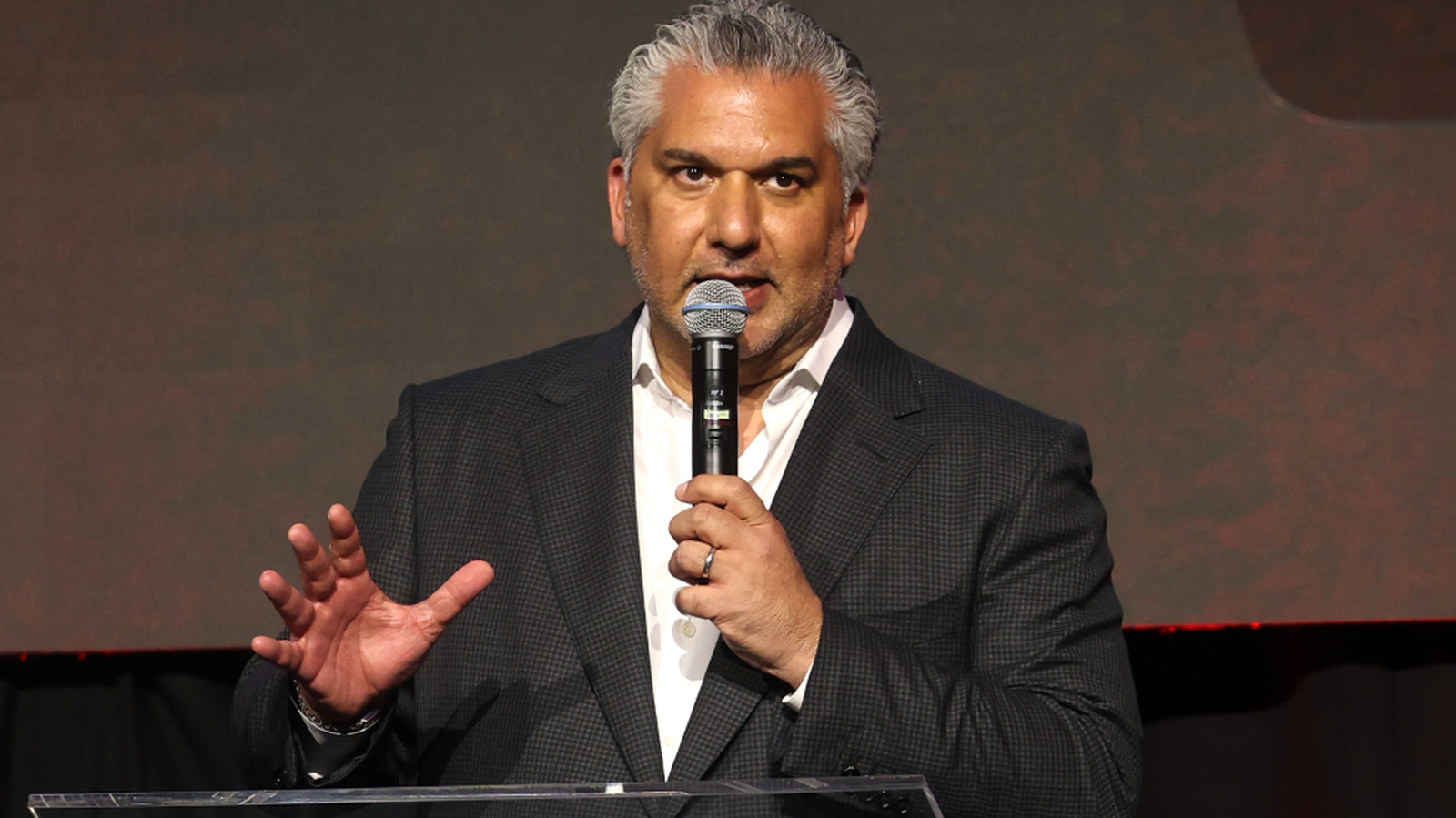
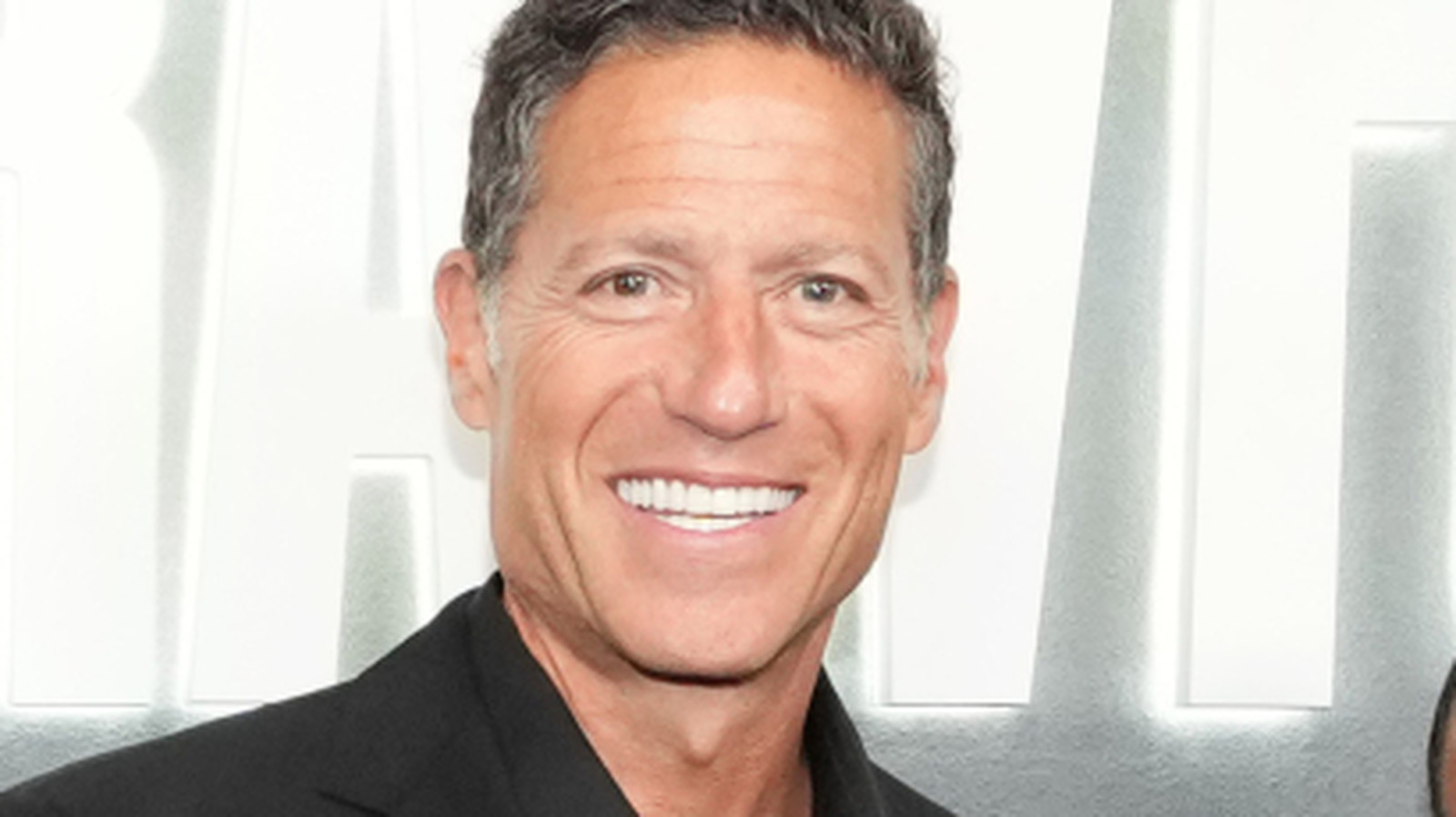
Mark Shapiro is not a man known for public displays of regret. As the President of TKO, his job is to project an image of relentless growth and calculated dominance. Yet, on May 18, 2026, Shapiro broke character. Speaking at a conference, he admitted that WWE’s decision to return to Las Vegas for back-to-back years of its flagship event was a strategic error.
The move, as PWTorch reported, essentially snubbed New Orleans. The Big Easy was the original frontrunner for the 2027 slot, a city with a proven track record for hosting massive sporting events with a distinct cultural flair. Instead, TKO doubled down on the desert, a choice Shapiro now describes as a potential mistake.
This admission comes just weeks after the conclusion of WrestleMania 41 at Allegiant Stadium. While the gates were impressive, the internal realization seems to be that the "Sin City" novelty wears thin when forced into a repetitive cycle. The fan fatigue is real, and the economic data likely shows a diminishing return on the massive site fees TKO demands from host cities.
The Raiders connection and the conflict of interest
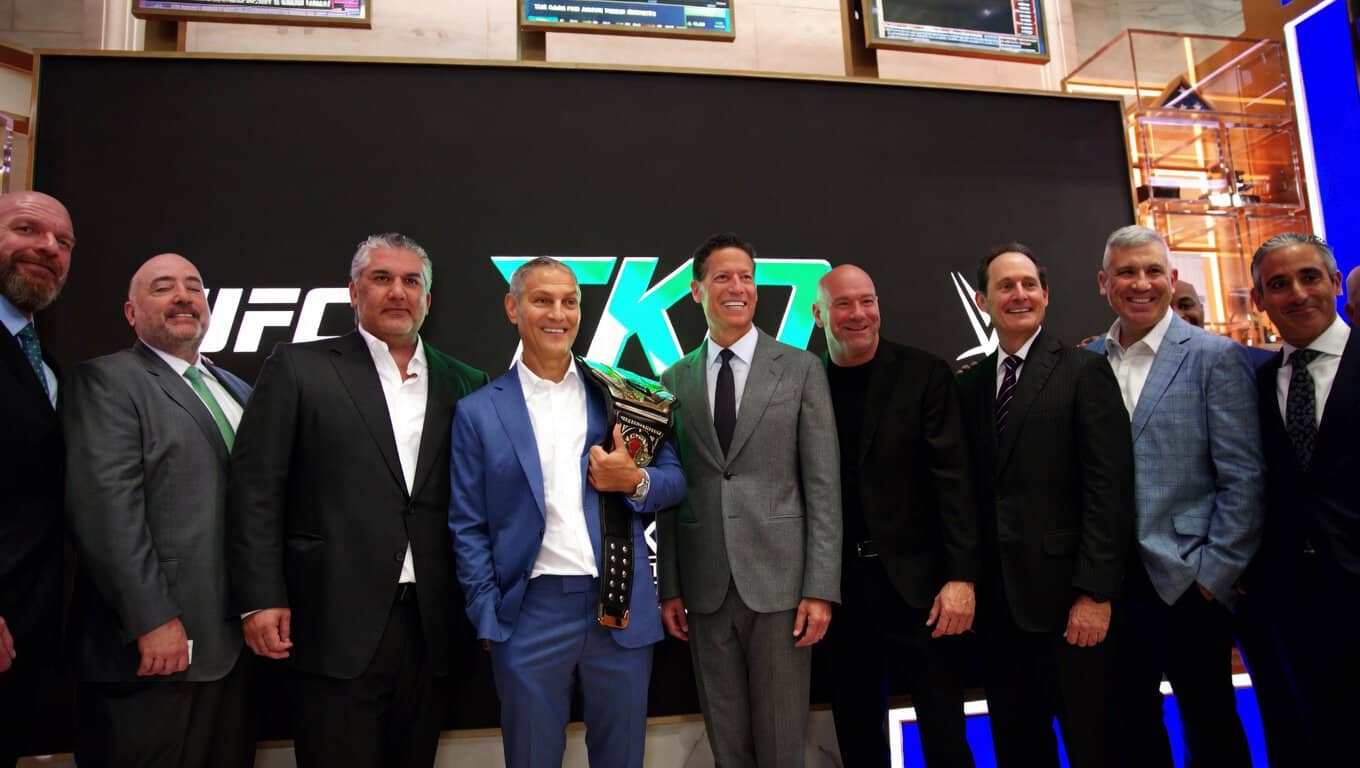
The timing of Shapiro's candor is fascinating when paired with the news that he and Ari Emanuel are personally buying ownership stakes in the Las Vegas Raiders. This isn't a TKO corporate move; this is the executives using their own capital to embed themselves in the Las Vegas sports market. It raises an uncomfortable question about the motivation behind the back-to-back scheduling.
When the leaders of a multi-billion dollar entertainment company start buying into the local NFL team, their objectivity regarding event locations becomes suspect. If Emanuel and Shapiro have a vested interest in the success of Allegiant Stadium, the push to keep WWE's biggest events there feels less like a "mistake" and more like a calculated personal investment. As WrestlingNews.co noted, these individual stakes align the executives with the very venue they are booking.
New Orleans represents the opposite of this corporate insularity. It is a city that lives and breathes on its ability to rotate major events—the Super Bowl, the Final Four, and formerly WrestleMania. By choosing to stay in Vegas, TKO didn't just miss out on the unique atmosphere of the Superdome; they signaled that personal executive interests might be overriding the geographic diversity that keeps the product fresh.
The logistics of market saturation
Las Vegas is a city designed for one-off spectacles, not residency for touring juggernauts. The cost of travel and lodging for fans during a WrestleMania weekend in Vegas is significantly higher than in traditional markets. By asking the same fan base to travel to the same city twice in 12 months, TKO hit the ceiling of what even the most dedicated "travel package" buyers are willing to endure.
The logistical strain on the production team is also a factor. Moving the massive set, the pyrotechnics, and the thousands of support staff into the same stadium twice requires a level of coordination that loses its efficiency over time. The local vendor market in Vegas is competitive, and the prices for security, transport, and auxiliary space don't drop just because you were there last year.
Shapiro’s concession that they should have gone to New Orleans suggests that the internal numbers for the 2027 event aren't pacing with the record-breaking figures of 2026. If the demand for the return trip is soft, the "mistake" becomes a line item on a quarterly earnings call that even Ari Emanuel can't spin into a win.
A critical look at the site fee model
TKO has revolutionized the way wrestling events are booked by treating them like the Olympics or the World Cup. They don't just pick a city; they force cities to bid against each other for the privilege of hosting. This "site fee" model is lucrative, but it relies on a scarcity that vanishes the moment you stay in one place too long.
New Orleans likely offered a substantial package, but Vegas offered the allure of the "TKO home turf." Shapiro’s regret stems from the realization that they traded a diverse, hungry market for a comfortable one. It was a lazy booking decision at the executive level, disguised as a strategic partnership. The result is a 2027 calendar that feels stagnant before it even begins.
The negative fallout isn't just about ticket sales. It’s about the brand. WrestleMania is supposed to feel like a global pilgrimage. When it becomes a residency show in the same desert stadium, it loses the "once-in-a-lifetime" gravity that allows WWE to charge premium prices. The 5% or whatever small stake these executives hold in the Raiders won't compensate for a diluted WWE brand in the long run.
The New Orleans snub is a missed opportunity
New Orleans has a specific energy that Vegas lacks. The proximity of the French Quarter to the Superdome creates a walkable, centralized festival atmosphere that Allegiant Stadium cannot replicate. In Vegas, fans are scattered across the Strip, separated by massive casinos and expensive Uber rides. The "takeover" feeling that makes a WrestleMania weekend special was noticeably muted during the 2026 run.
By ignoring the 2027 New Orleans bid, TKO also risked alienating a city that has been a loyal partner for decades. These municipalities spend millions on infrastructure and policing to accommodate the WWE circus. If the reward for that loyalty is being passed over for an executive’s personal sandbox in Nevada, other cities will start to look at their site fee budgets with much more scrutiny.
The irony is that Shapiro is admitting this now, while the ink is still wet on the Raiders deal. It’s a classic case of corporate hedging. He can claim he learned a lesson while still reaping the benefits of the Vegas proximity. It’s a transparent play, and the fans who are currently looking at their 2027 travel budgets are the ones paying the price for this executive pivot.
The future of the touring strategy
If TKO is serious about fixing this "mistake," the 2028 and 2029 locations must be a radical departure from the current path. London, Tokyo, or a return to the Northeast corridor are the only moves that can restore the sense of scale that the Vegas double-dip has eroded. Shapiro's comments, as reported by F4WOnline, indicate a desire to return to the original schedule, but the damage to the 2027 cycle is already done.
We are seeing the first cracks in the TKO armor. The merger was supposed to bring UFC’s ruthless efficiency to WWE, but instead, it has brought a level of corporate hubris that assumes the fans will follow the product anywhere, regardless of how repetitive the destination is. The Vegas admission is a sign that even the most aggressive executives realize they can't ignore the basic laws of supply and demand.
The next few months will be telling. If TKO starts aggressively courting international markets or returns to the table with New Orleans for future dates, Shapiro’s words will carry weight. If they stay tethered to the Raiders' home turf, his "mistake" comment will be remembered as nothing more than a PR shield for a conflict of interest that changed the trajectory of the biggest show in wrestling.
"Maybe [...] it might have been a mistake for WWE to run WrestleMania in Las Vegas in back-to-back years instead of going to New Orleans as was originally scheduled." — Mark Shapiro
Ultimately, the fans are the ones who decide if a city works. The 2026 event was a spectacle, but the 2027 edition is already facing a perception problem. TKO has the resources to fix the production, but they can't manufacture the excitement of a new horizon when they're staring at the same neon lights they just left. New Orleans is waiting, and Mark Shapiro knows it.
WWE Championship Title Belt, Authentic Styling with Metallic Medallions
The ultimate living room prop for when the promo battles get real.
Frequently Asked Questions
Why did Mark Shapiro say back-to-back Las Vegas WrestleManias were a mistake?
What city was originally expected to host WrestleMania instead of Las Vegas?
Why is TKO executives buying Las Vegas Raiders stakes controversial?
Where was WrestleMania 41 held?
How does the Las Vegas location affect WWE fans and production?
More Coverage

Drew McIntyre sidelined following brutal SmackDown encounter
2 hours agoWWE's New York gamble is a calculated risk ahead of WrestleMania 42
3 hours ago
WWE's Saturday Night's Main Event math doesn't add up
3 hours agoWWE's return to New York changes the math on stadium attendance
3 hours ago
Top 10: Top Moments from MSG
3 hours ago
SmackDown is drifting into mid-summer malaise
4 hours agoMore Analysis
Mark Shapiro admits Vegas WrestleMania mistake, buys into Raiders
1 month, 4 weeks agoTKO finally realized Las Vegas was a terrible idea for WrestleMania
2 months agoWhy TKO's Las Vegas obsession is finally blowing up in their face
2 months ago
TKO strategy overhaul invites internal friction at WrestleMania 41
2 months, 4 weeks ago
Top 10: Mark Shapiro's Corporate Spin Cycle
1 month, 3 weeks ago