The Corporate Pivot
As fans pack the stadium for WrestleMania 41 Night 2, the tension behind the scenes is as physical as the in-ring output. TKO president Mark Shapiro has moved beyond the shadows of the boardroom, confirming that the parent company exercises complete control over WWE creative decisions. This disclosure marks a shift from the era of Vince McMahon, signaling that the operational mandates now originate from the TKO executive suite.
This shift in authority comes with a calculated risk profile. Shapiro remains unbothered by the growing divide between traditional wrestling purists and the high-growth entertainment model. While critics point to the dilution of the product, TKO is prioritizeing a broader audience expansion strategy involving sustained celebrity integration.
The Celebrity Growth Metric
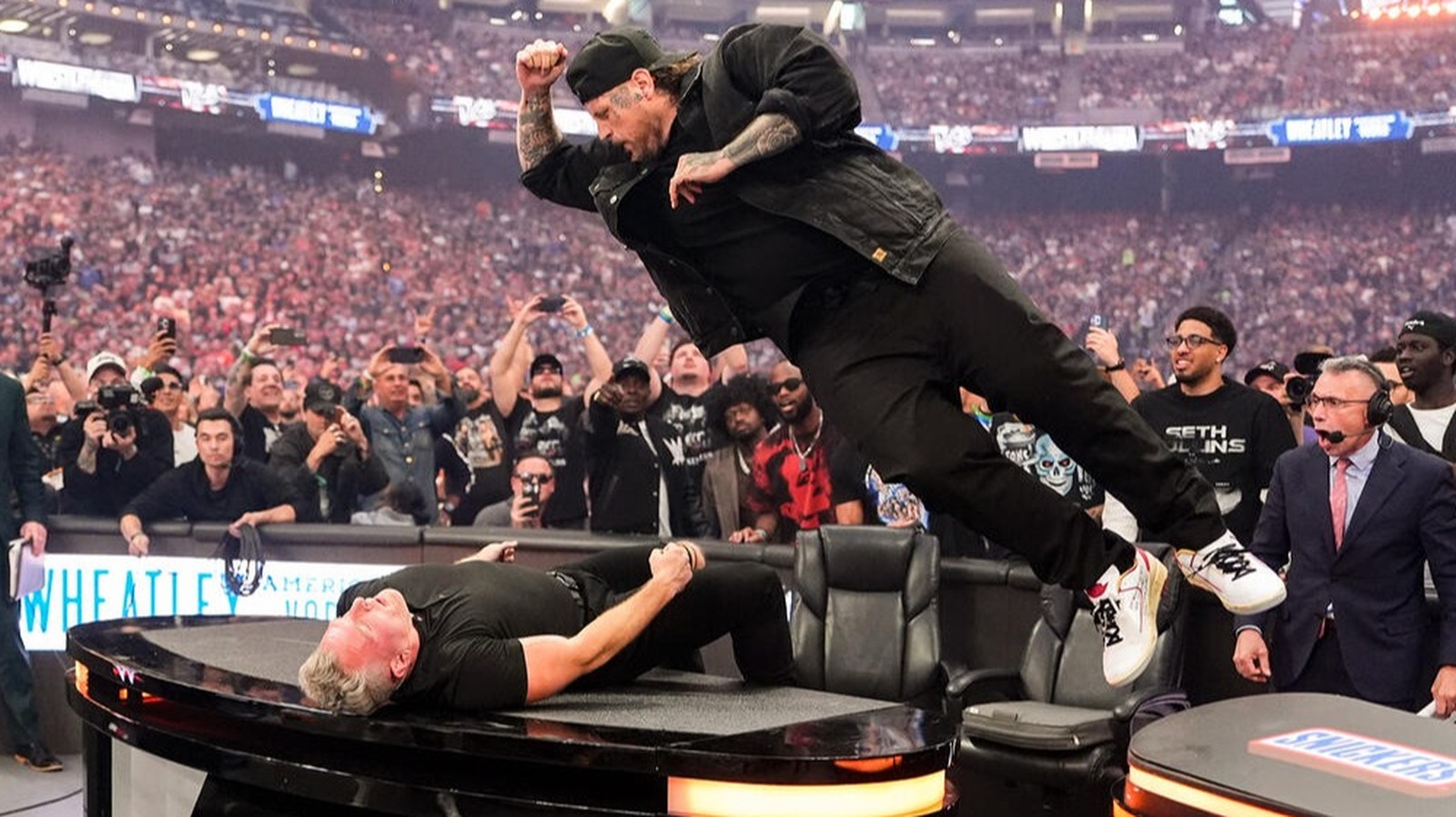
The reliance on non-wrestling talent has become a hallmark of the TKO tenure. Shapiro defends this trajectory as essential for long-term scalability, arguing that celebrity appearances remain the most efficient vehicle to pull in casual viewers. Despite negative reception from legacy fans, TKO management insists this celebrity-heavy booking has functioned as an effective funnel for new subscribers.
This is a zero-sum game for the remaining core audience. The company is actively courting the venture capital-friendly subscriber base while openly acknowledging that this path may alienate existing supporters. It is a bold, albeit polarizing, choice to shift the focus from internal long-term storytelling to high-profile, short-burst spectacle.
Strategic Implications
Historically, the professional wrestling industry has struggled to manage the balance between niche appeal and mass market saturation. Previous efforts to appeal to a non-wrestling demographic have led to significant burnout among the base. TKO’s current strategy suggests they are willing to burn through that loyalty in exchange for aggregate growth metrics.
There is a risk in this methodology. If the high-profile guests do not stick around, the company risks a hollow core that lacks both new converts and veteran interest. The current booking pattern favors established entertainment figures over organic talent development. This is a noticeable point of friction that plays out on screen every time a celebrity is slotted into a high-stakes match.
The Bottom Line
As of 2026-04-20, internal morale remains a secondary priority to the bottom-line performance. Shapiro has made it clear that while they track criticism, they are not governed by it. The decision to maintain a rigid growth strategy despite the public outcry indicates that TKO is prioritizing shareholder returns over fan sentiment.
Ultimately, WWE is currently a product in search of a new definition. The move to consolidate creative power into TKO indicates that the wrestling-first mentality is being actively dismantled. The success of this transition will be measured by the Netflix retention numbers in late 2026 rather than the reaction from the stadium crowd at WrestleMania 41. Wrestling purists should expect more, not fewer, mainstream distractions in the coming booking cycle.