The Big Picture
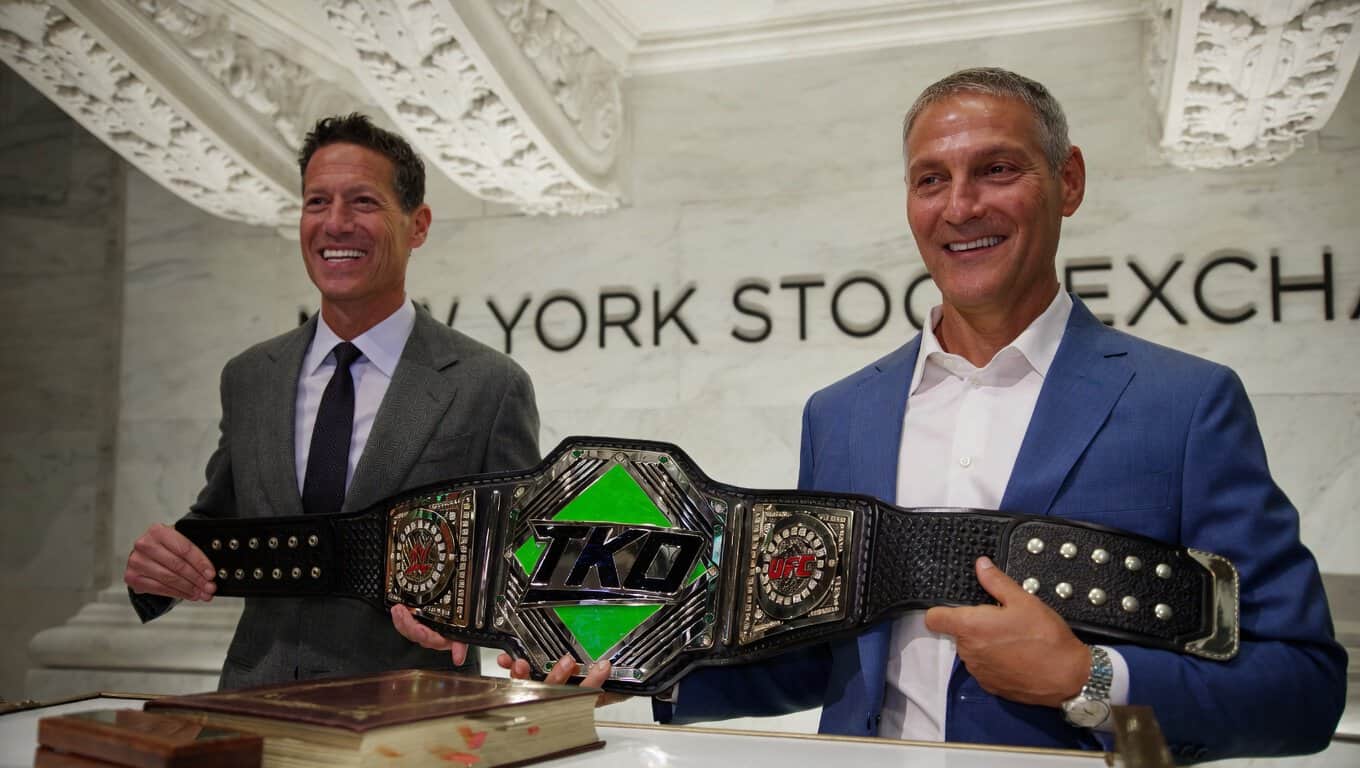
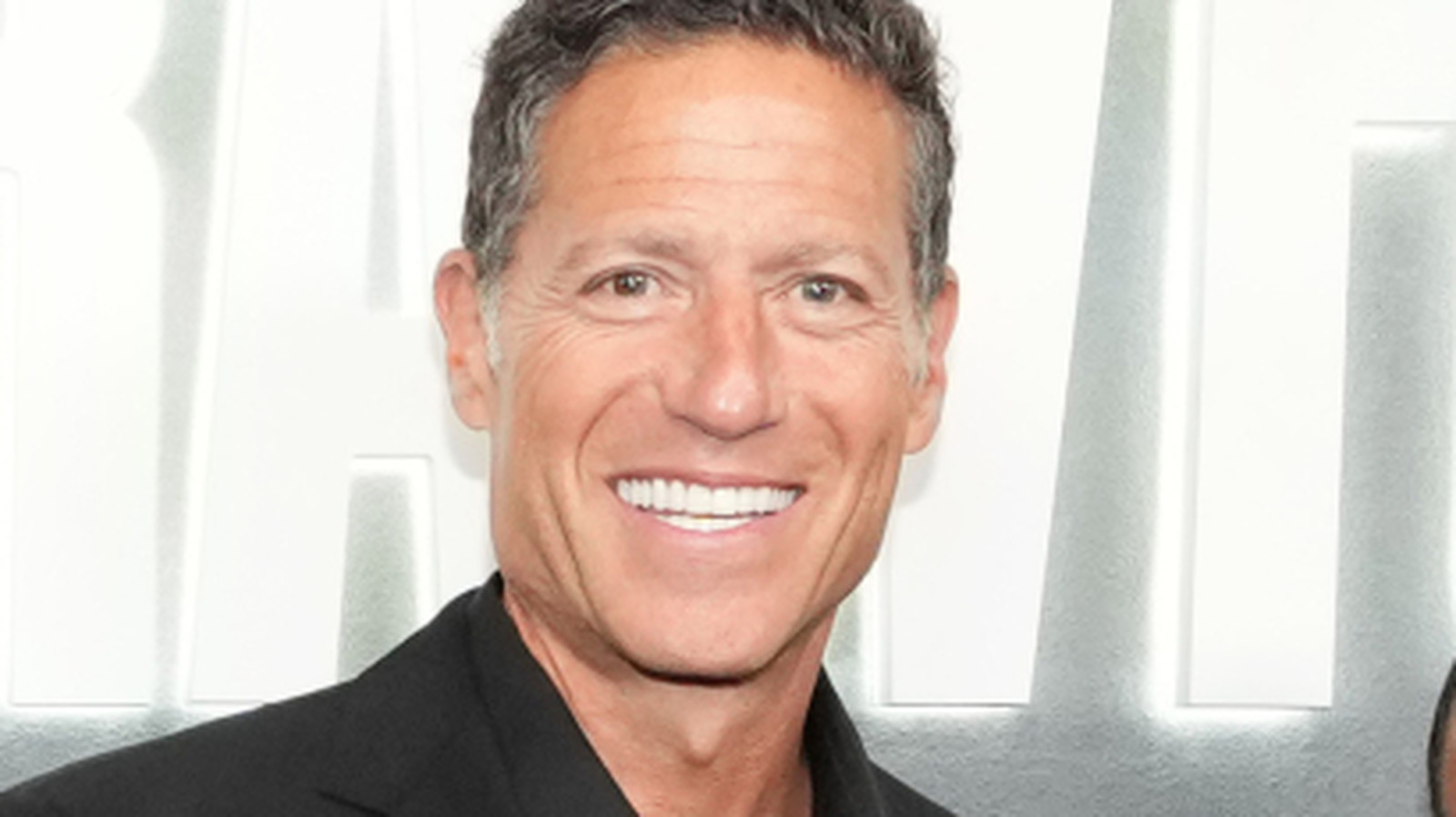
Mark Shapiro does not speak by accident. When the TKO President hits the media circuit, he is delivering calculated messages to shareholders, talent, and host cities. This week, his commentary provided a rare, unvarnished look at the internal temperature of the newly unified WWE and UFC empire.
The candid admissions were striking. From walking back massive venue decisions to acknowledging geopolitical volatility, the corporate armor cracked just enough to see the gears turning. These are the top 10 takeaways from a highly revealing stretch of executive spin.
10. The Corporate Shield
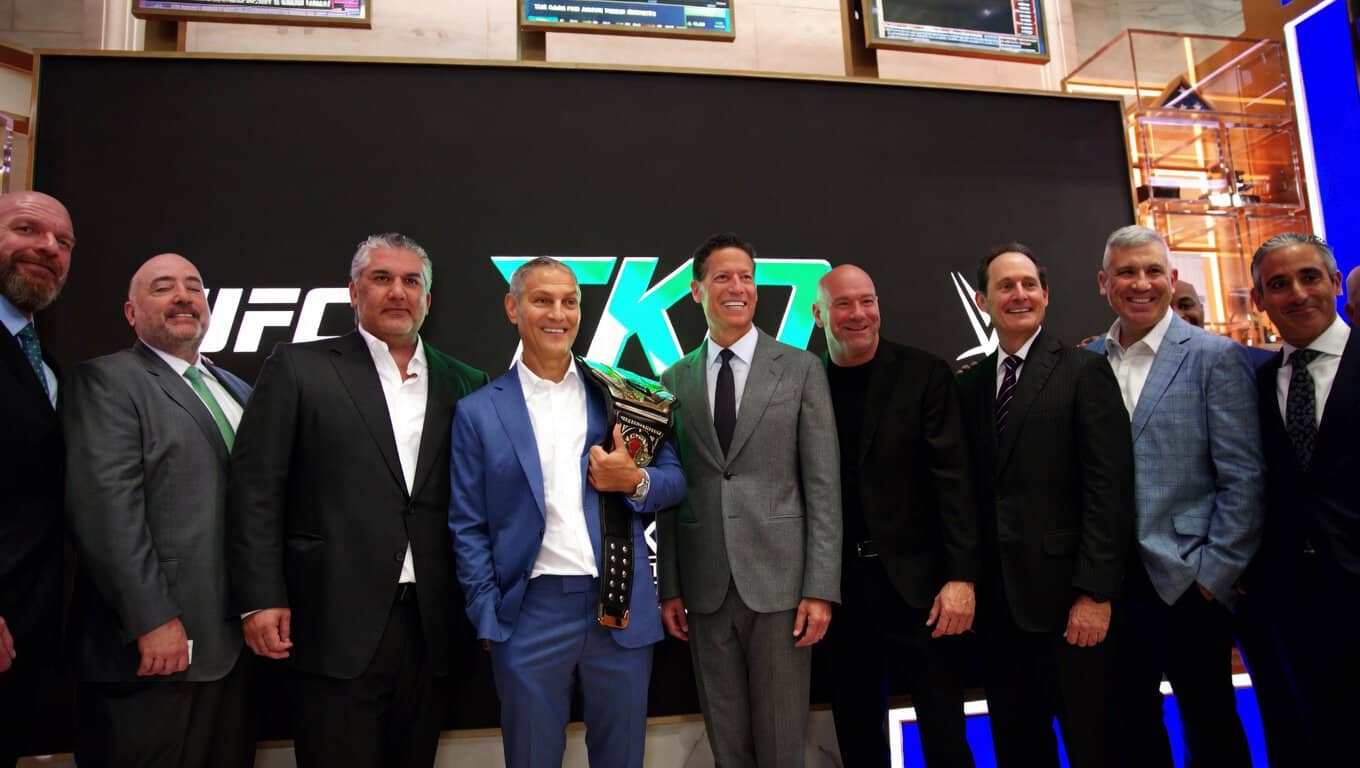
Shapiro is stepping comfortably into the role of corporate heat-seeker. While Dana White and Nick Khan handle the granular matchmaking and network negotiations, Shapiro is out here answering the messy structural questions. It is a highly effective division of labor.
He takes the arrows on venue fatigue and geopolitical tension so the operators don't have to. This allows the product leaders to stay focused on the weekly television cycles without getting bogged down in shareholder anxieties over stock fluctuations.
9. The "No Regrets" Caveat
When an executive calls a massive stadium show a mistake but immediately clarifies they have "no regrets," it translates to one simple fact. The financial guarantees were met. As Wrestling Inc noted, Shapiro’s reflection on Las Vegas was a masterclass in hedging bets.
The internal metrics clearly show fan fatigue or logistical headaches, but the balance sheet remains the ultimate scoreboard. They took the money, realized the execution was flawed, and banked the revenue anyway. It is a cold reality of modern sports business.
8. Redefining "Meaningful" Fights
The categorization of Rousey vs. Carano is a fascinating bit of historical revisionism happening in real-time. By labeling it lacking in meaning, Shapiro is protecting the core UFC product from the fallout of a severely underwhelming main event. He is creating a buffer between what TKO sells as elite competition and what it sells as pure spectacle.
The glaring problem is that they charged fans full price for that spectacle. Viewers who bought into the nostalgia act are now being told, post-fight, that they shouldn't have taken it so seriously.
7. Geopolitical Risk Management
The Middle East remains the most lucrative and legally complicated region for TKO operations. Addressing the potential summer return, Shapiro leaned heavily on the phrase "monitor the situation." It is standard corporate deflection, but it highlights a very real operational vulnerability.
WWE relies heavily on those semi-annual massive payouts, estimated at roughly $50 million per event. Any disruption to the Saudi sports washing timeline creates an immediate, massive hole in the quarterly revenue projections. They are tied to a volatile region, and the executives absolutely know it.
6. The Intuit Dome Debut
TKO wanted a spectacular showing at the shiny new Intuit Dome. Instead, they got a blink-and-you-miss-it finish that left the live crowd stunned and largely dissatisfied. Securing premier venues is a massive part of the TKO strategy, but the unpredictable nature of combat sports always threatens to derail the presentation.
When you bring two legends out of retirement for a showcase in a state-of-the-art building, you pray for a three-round war. Getting a finish in under half a minute is the absolute worst-case scenario for venue partners looking to sell hot dogs and merchandise.
5. The Netflix Problem
Streaming platforms measure success in total minutes watched. They desperately want prolonged engagement. When Rousey and Carano squared off on Netflix, the fight lasted exactly 17 seconds. That is a disaster for an algorithmic platform trying to keep viewers trapped in its interface.
Shapiro’s quick dismissal of the fight as a stunt feels like damage control aimed directly at Netflix executives. TKO is operating under a massive $5 billion raw deal with the streamer, and they have to assure their partners that future events will provide enough screen time to justify the licensing fees.
4. The Live Gate Squeeze
Returning to Las Vegas so quickly was driven by site fees and guaranteed gate revenue. The admission that it might have been an error shows the limits of squeezing a single market. Fans only have so much disposable income available for travel and lodging.
Hitting the same high-roller city repeatedly burns out the local diehards and forces traveling fans to make hard economic choices. TKO found the ceiling of what Las Vegas is willing to absorb in a short period, and they hit their heads hard on it.
3. The Saudi Arabia Holding Pattern
According to reports on the Middle East turmoil, TKO is stuck playing a very expensive waiting game. The summer schedule heavily relies on a planned return to Riyadh or Jeddah.
If conflict escalation forces a cancellation, TKO doesn't just lose ticket sales; they lose an eight-figure government subsidy that props up the bottom line. Shapiro's cautious tone is a clear signal to Wall Street not to price that money in with total certainty just yet. It is a glaring risk factor hiding in plain sight on the corporate ledger.
2. Dismissing Rousey vs. Carano
As BodySlam reported, Shapiro blatantly called the May 16 clash "more of a stunt than a meaningful event." This is a staggering, public burial of two pioneering fighters by their own promoter.
"More of a stunt than a meaningful event."
You cannot spend months marketing a clash of titans and then immediately dismiss it as a parlor trick the morning after. It is insulting to the audience who tuned in. More frankly, it is wildly disrespectful to Carano, who stepped into the cage for the first time in over a decade to do business for the company.
1. Calling Vegas a "Mistake"
Executives at this level almost never admit fault publicly. For Shapiro to outright say that booking WrestleMania in Las Vegas again may have been a "mistake" is a massive break from standard WWE operating procedure. The old regime would have never uttered the word, instead spinning it as a record-breaking triumph regardless of the truth.
This signals a new era of data-driven honesty at the top of TKO. They looked at the hotel rates, the sluggish ticket movement, and the overall market saturation, and realized they played the wrong hand. It is refreshing transparency, even if it comes a few months too late for the fans who already paid inflated prices.
Honorable Mentions
We have to note Shapiro's overall restraint when discussing future broadcast rights. He clearly knows when to push the gas and when to pump the brakes. There was also a distinct lack of grandstanding about domestic ratings, suggesting TKO is shifting its public focus entirely toward international site fees and streaming guarantees.
Ultimately, Mark Shapiro's recent media tour achieved exactly what he intended. He set new expectations, minimized recent creative failures, and protected the core product from Wall Street panic. But the quiet part is now being said out loud. TKO is pushing the limits of its audience's wallet, its broadcast partners' patience, and its own geopolitical luck. The honeymoon phase of the merger is over, and the hard business of sustaining impossible growth has begun.