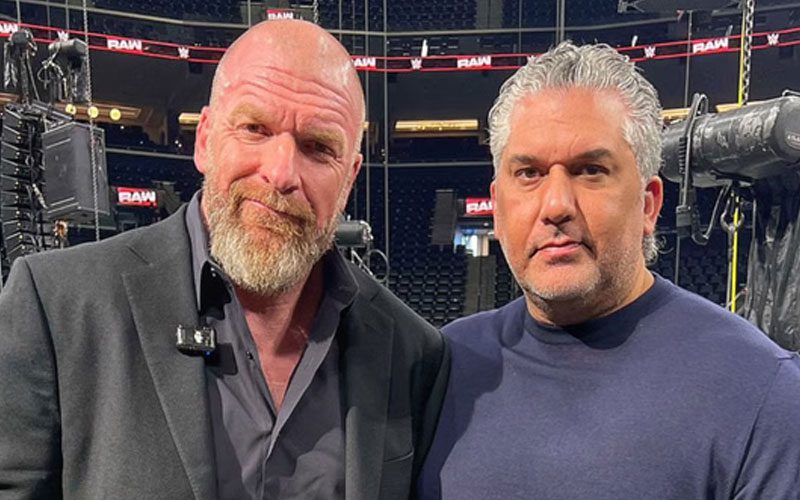
Nick Khan is betting that WWE is better off ignoring the internet
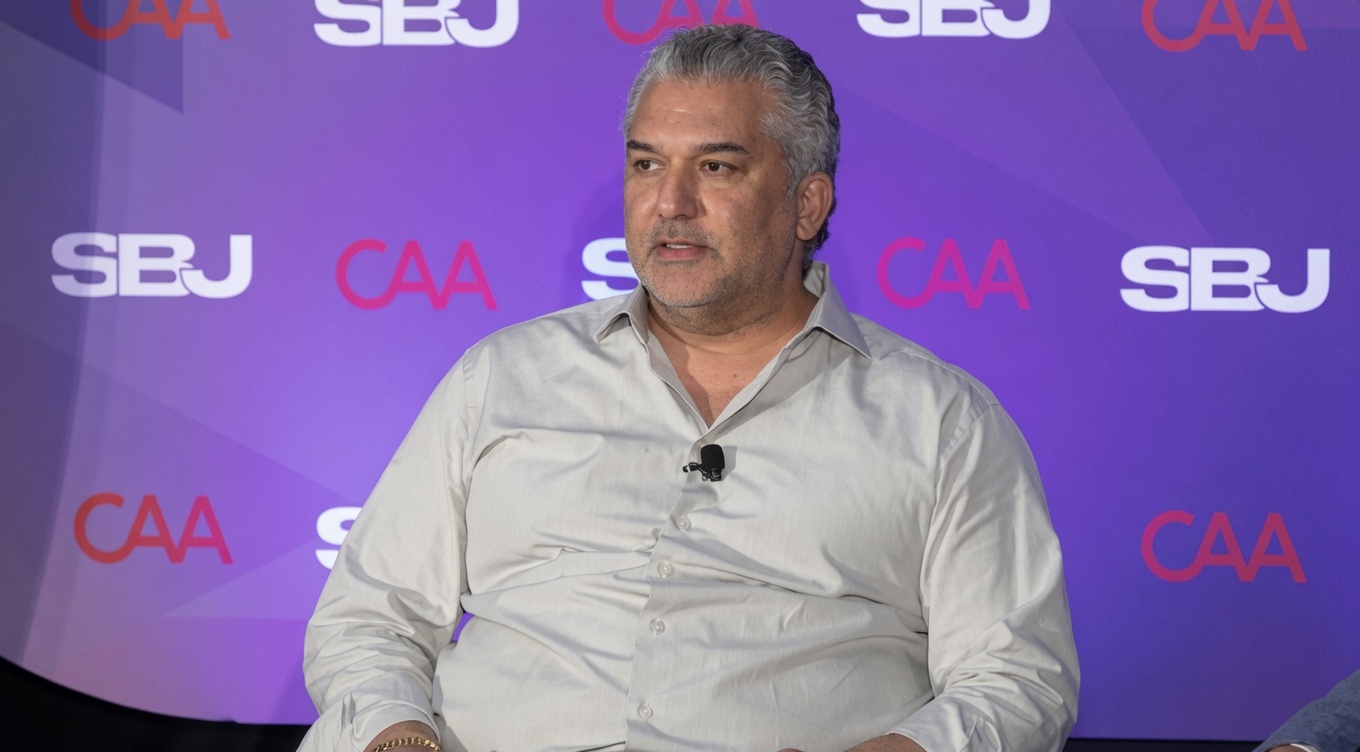
The end of the feedback loop
Nick Khan made his stance clear during last week's investor call. WWE is moving toward a policy where they no longer engage with social media discourse, regardless of how loud the fanbase gets. It is an aggressive play that signals a total departure from the era where the front office felt compelled to course-correct based on Twitter trends.
For years, the product felt like it was constantly being patched in real-time. If a babyface got stale or a mid-card angle fell flat, the reaction was almost immediate. Khan is choosing to close that door. He believes the machine runs better when the internal creative vision is insulated from the noise of the digital gallery.
Data-driven armor
This decision is not about silence; it is about valuation. If you look at how Alphabet is securing billions to fortify its own technical dominance, you see how hyperscalers operate. They don't pivot their core models because of a viral thread on Mastodon. Khan is trying to apply that same cold, calculated distance to the squared circle.
By refusing to respond to criticism, Khan is treating WWE’s creative output as a proprietary black box. He is arguing that the WWE brand has achieved enough size that the opinions of hardcore fans are mathematically irrelevant to the bottom line. It is a bold, perhaps even dangerous, gamble on the stability of a brand that has always relied on a volatile connection to its viewers.
The danger of the silo
However, there is a clear vulnerability in this strategy. When you stop listening, you stop seeing the matches that fail to spark, like the disjointed pacing at the middle of the mid-May PLE. There was a specific six-man tag match on the May 16th card that dragged for 24 minutes, featuring nothing but rest holds and a finish so botchy it killed the heat in the arena.
If the front office had been paying attention to any feedback, they would have seen the consensus reach its peak within minutes of the final whistle. Instead, if Khan is to be believed, the directive is to look purely at the quarterly growth metrics. Ignoring the lack of logic in that specific booking sequence is the exact type of arrogance that led to the creative lulls of the mid-2010s.
The move toward physical agency
WWE’s management style is starting to mirror the shift we see in tech. As companies move from LLMs to physical models, like the recent pivot to Cosmos 3 mentioned in tech circles, there is a focus on high-fidelity, high-cost simulation. WWE is doing the same with its production value. They are focusing on the visual spectacle and the massive reach of their global contracts.
The risk is in the details. While Nvidia can refine its physical AI agents through sheer compute power, WWE cannot simulate the organic connection of a crowd. If the storytelling drifts away from what makes a wrestler like Sami Zayn or Rhea Ripley feel vital, the revenue metrics will eventually follow. You cannot optimize the soul of a wrestling promotion on a spreadsheet alone.
Khan is banking on the idea that the 80 billion dollar appetite for top-tier entertainment won't be dampened by a few thousand vocal critics online. He wants WWE to be an inevitable force. He doesn't want it to be a democracy. We are about to find out if a promotion can survive solely on its own terms while the audience watches from behind a wall of silence.
AEW Dynasty 2026 Wembley Event T-Shirt
Commemorate the historic AEW London event with this official event tee.
Frequently Asked Questions
What is Nick Khan's new approach to WWE social media discourse?
Why is WWE choosing to ignore online fan criticism?
What are the risks of WWE ignoring fan feedback?
How does WWE's management style compare to the tech industry?
What example does the article cite regarding poor creative execution?
More Coverage
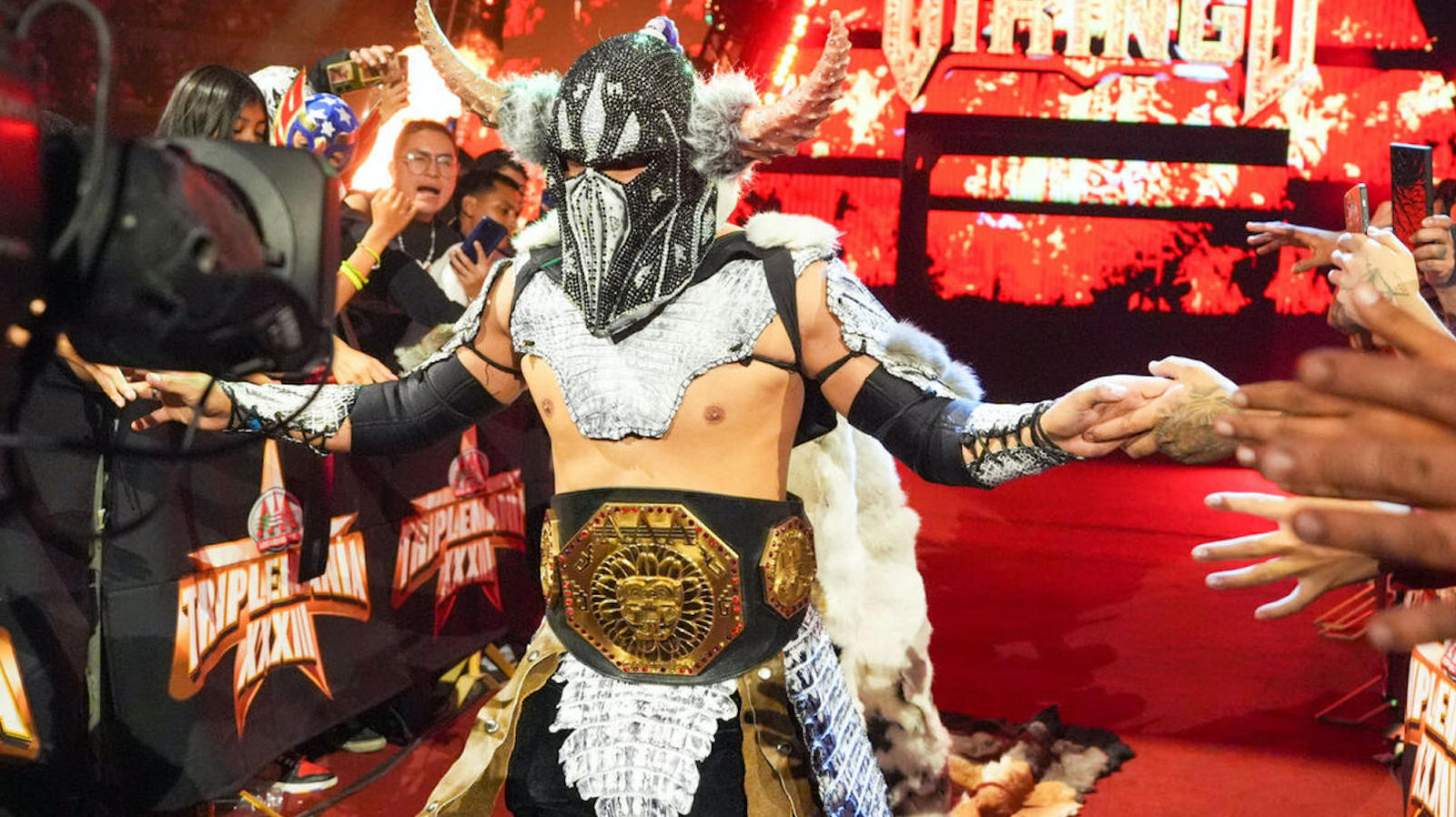
WWE's injury bug is stalling the momentum of its biggest stars
an hour ago
Saturday Night’s Main Event brought the noise but left us with questions
an hour ago
WWE wants your 99 dollars and they aren't hiding it
3 hours ago
Tiffany Stratton's booking reveals a structural flaw in WWE's mid-card
4 hours ago
Top 10: The Most Impactful Modern Moments in WWE
7 hours ago
Why the Motor City Machine Guns market value is peaking right now
11 hours agoMore Analysis
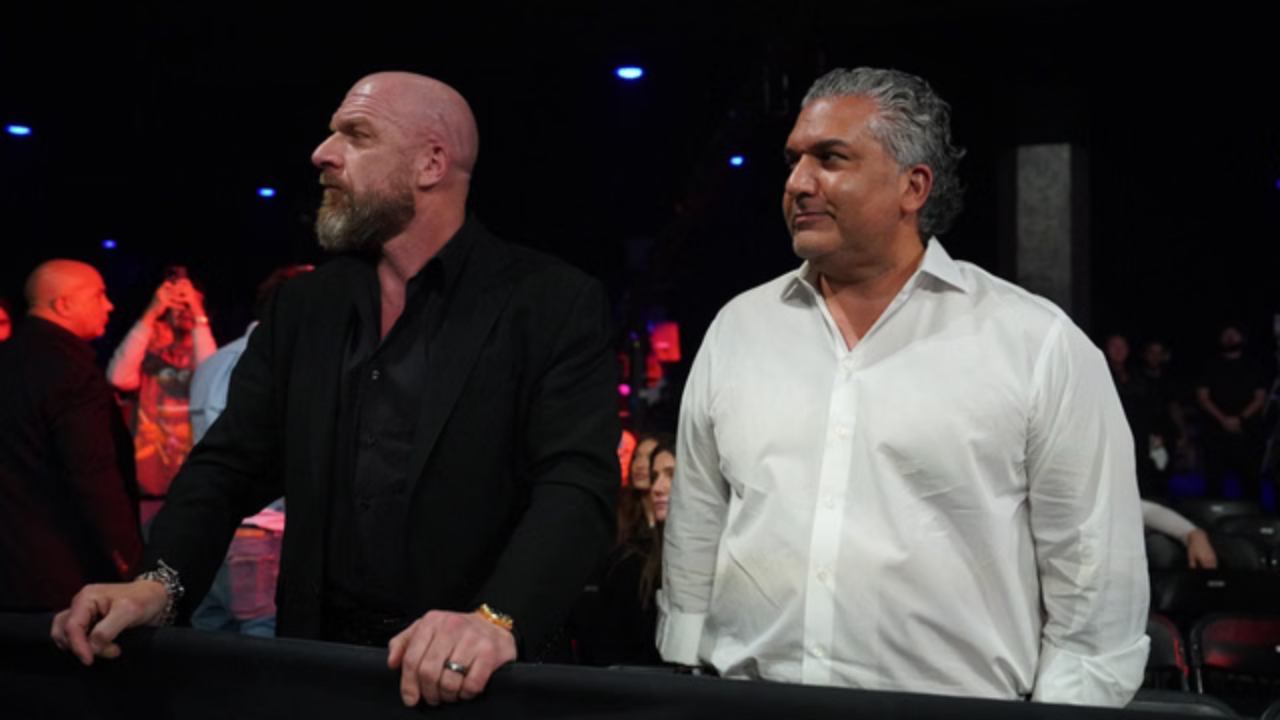
Nick Khan doesn't care if you're angry on Twitter
3 months ago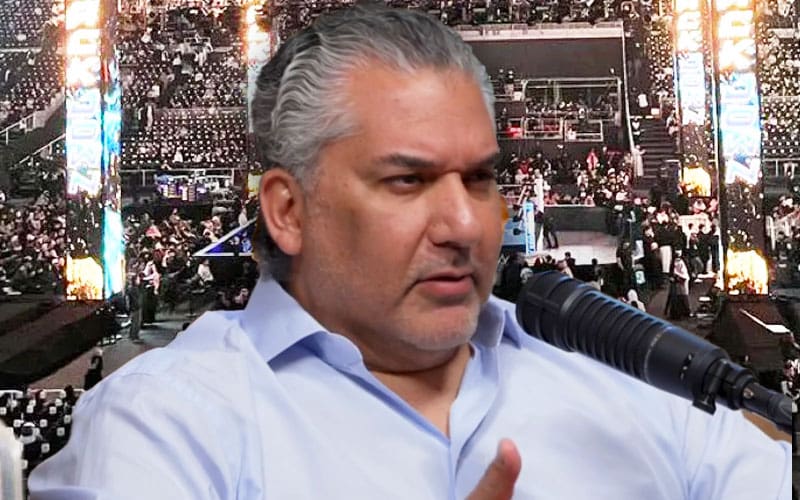
Nick Khan doesn't care about your tweets and honestly it's kind of refreshing
3 months ago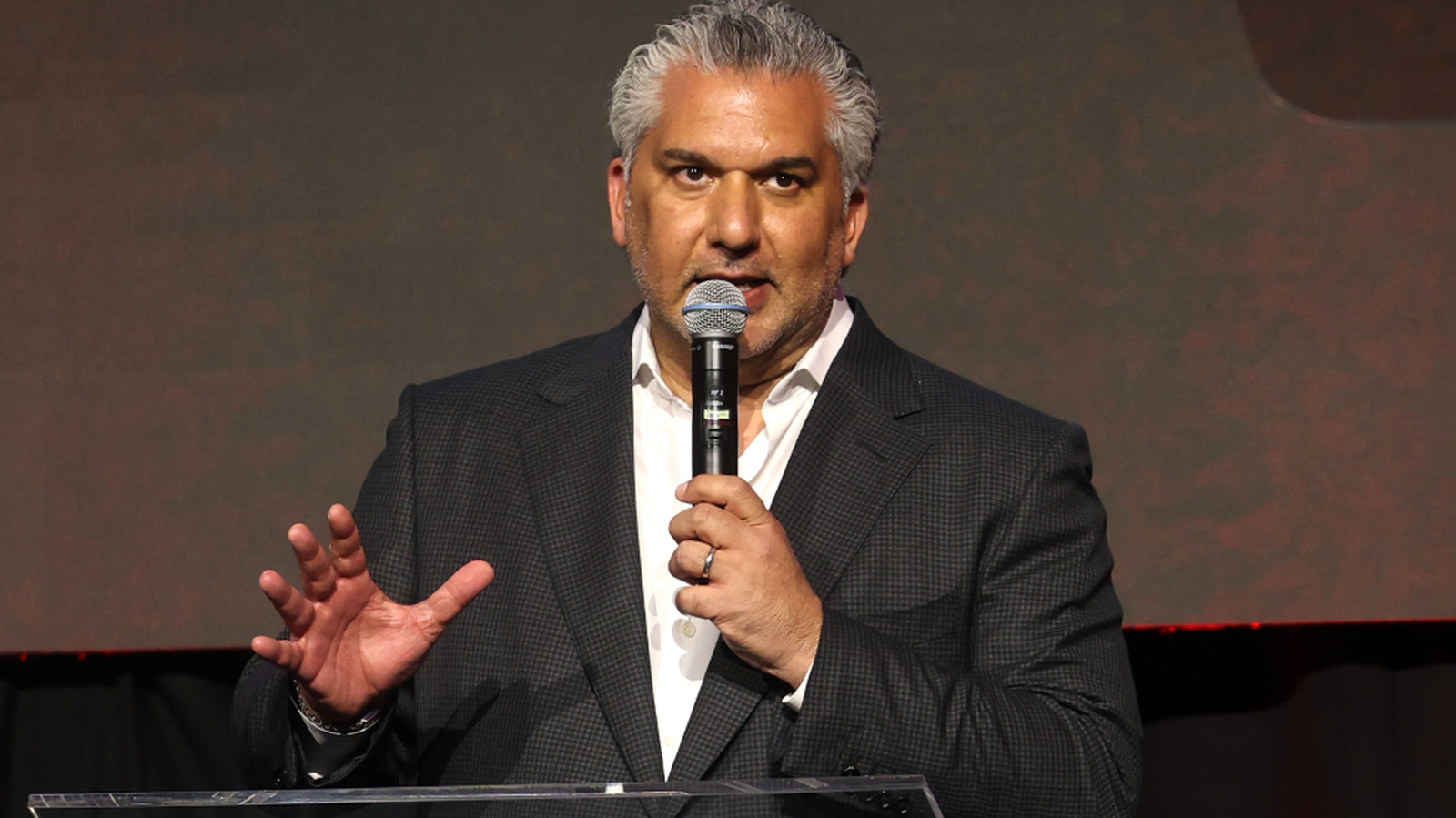
WWE's Vegas obsession is a risky play for the company
1 month, 1 week ago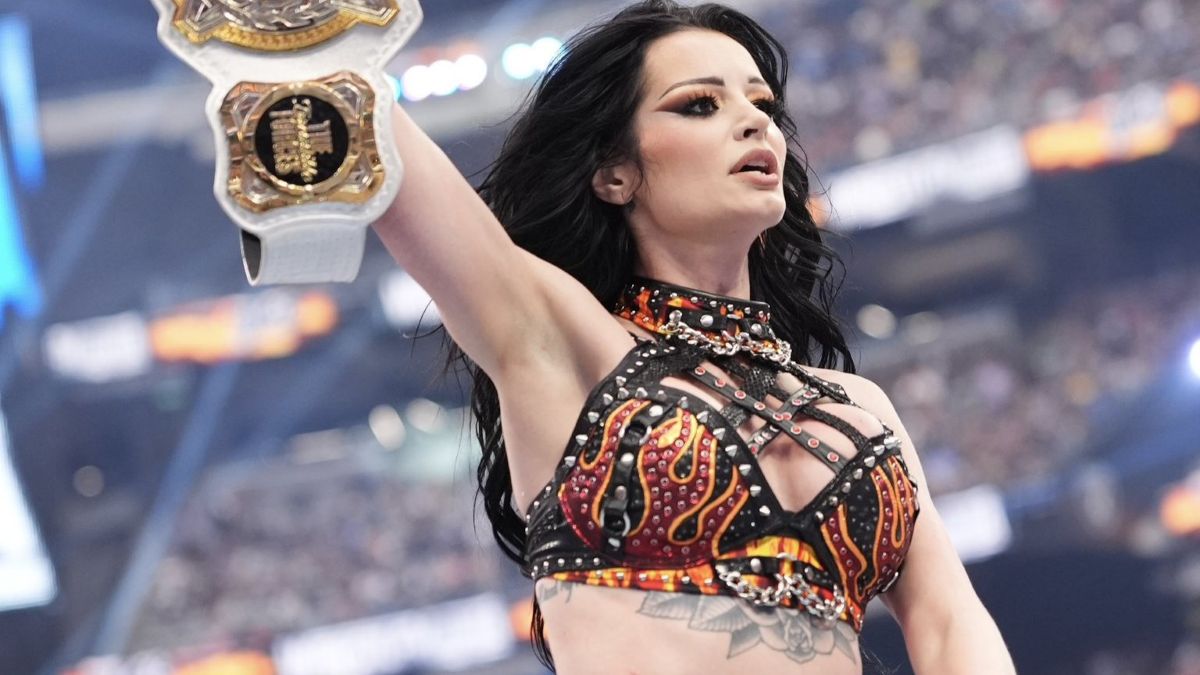
Nick Khan's Senate testimony reveals a disconnect behind the curtain
2 months, 3 weeks ago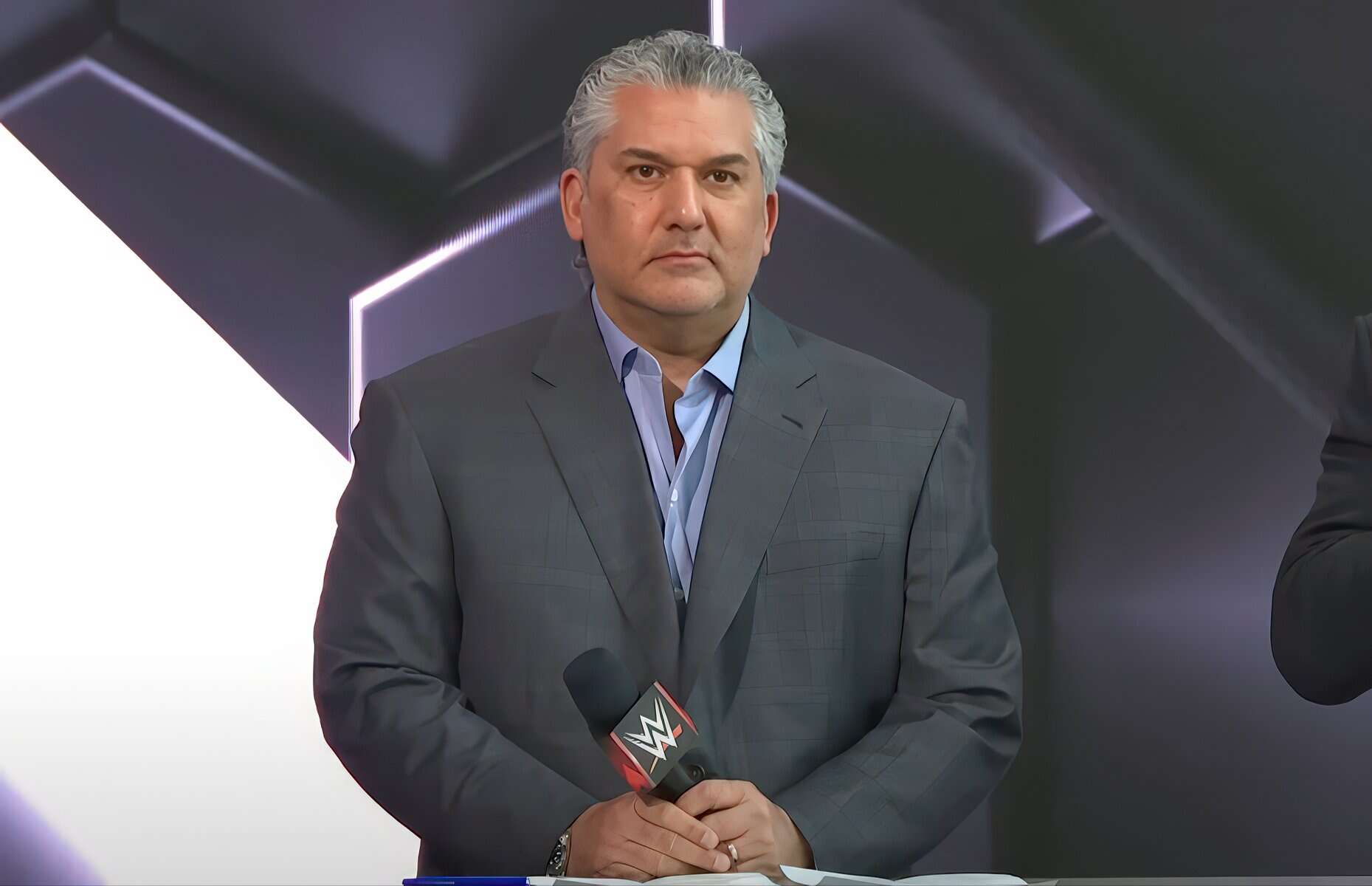
WWE legend deals are the hidden engine of the company's long-term business
2 months, 3 weeks ago