The billion dollar spreadsheet approach to WrestleMania 41
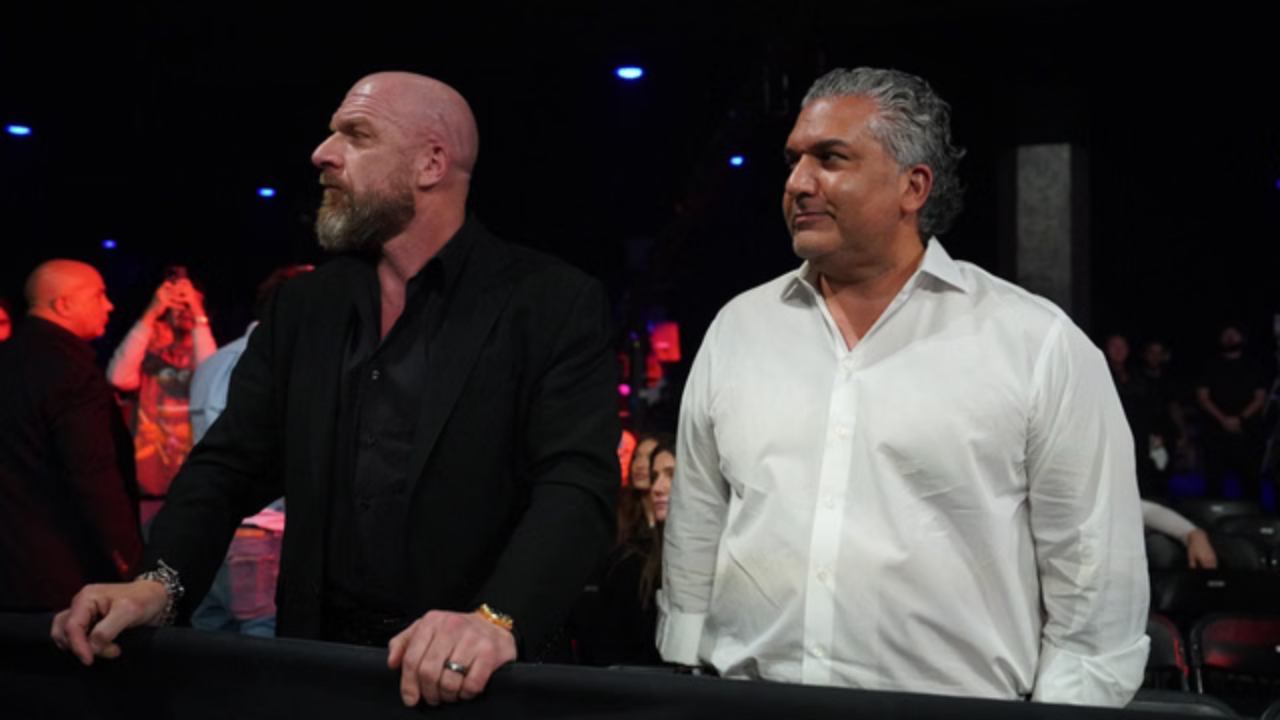
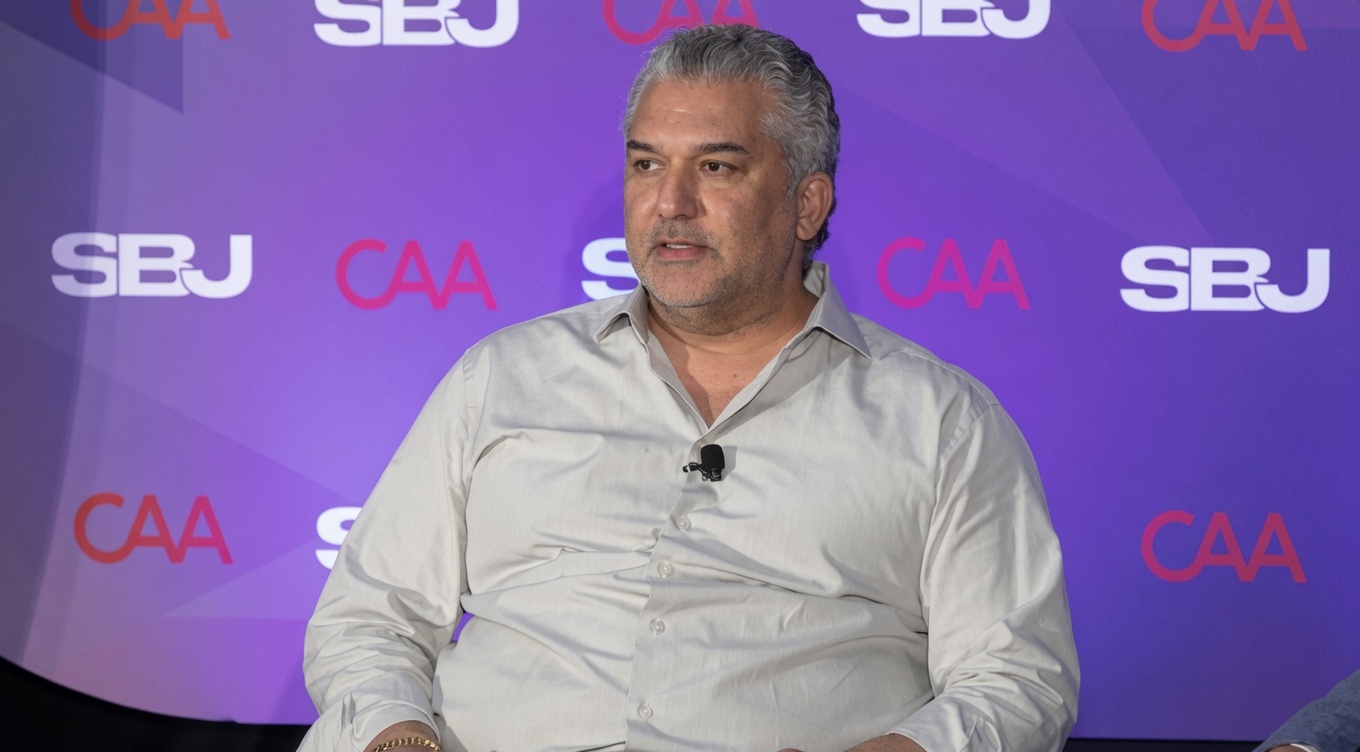
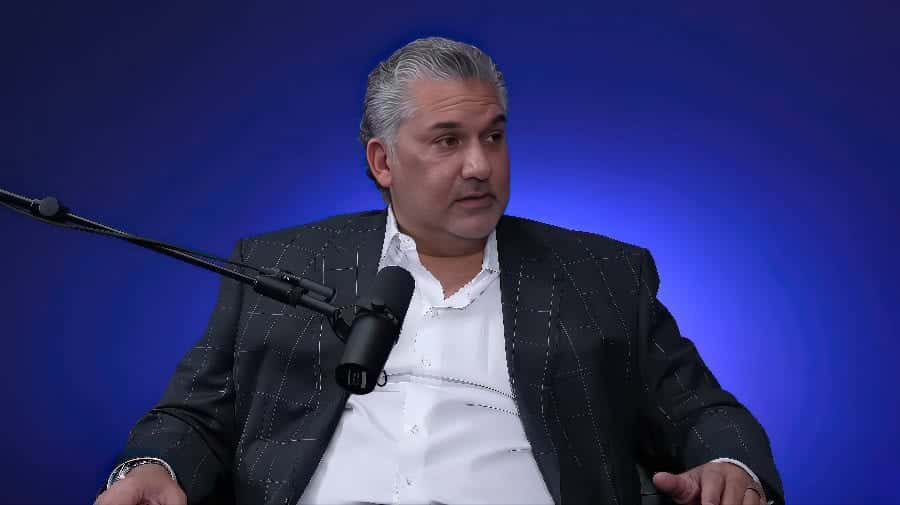
It is Friday, April 17, 2026, and the heat in Las Vegas is already starting to simmer ahead of WrestleMania 41 at Allegiant Stadium. While the rest of the world is obsessing over whether Cody Rhodes can actually keep the title through Night 2 or if John Cena’s farewell tour is going to end in a puddle of tears, WWE President Nick Khan is doing what he does best. He is going on a media tour to remind everyone that your opinions on the internet are basically just noise in a system that is currently printing money at an industrial scale.
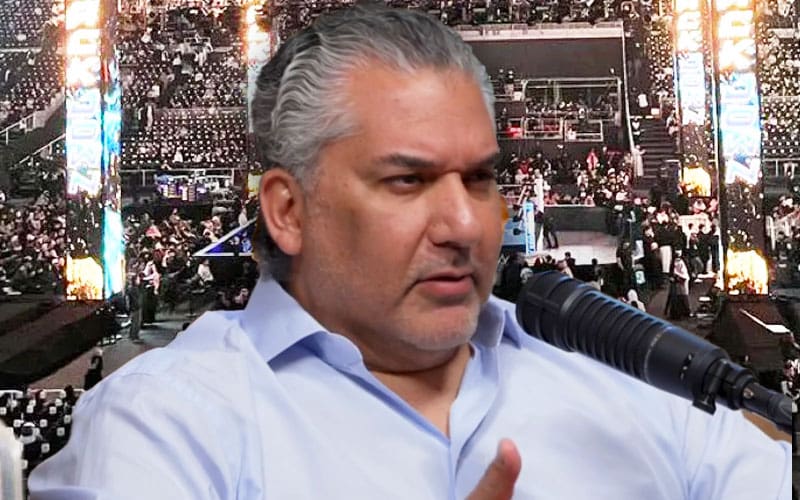
Khan recently sat down for a marathon session on The Bill Simmons Podcast, and if you were looking for a warm, fuzzy promoter who wants to hug every fan in the front row, you were in the wrong place. This was a masterclass in corporate detachment. It was the wrestling equivalent of an AI company telling you that they don’t care if their model hallucinates a little bit as long as the enterprise subscription numbers are hitting their quarterly targets.
The most jarring takeaway from Khan’s recent comments isn't that he’s a cold-blooded businessman—we knew that when he started gutting the roster in 2021—it’s how little he cares about the feedback loop that has defined wrestling for forty years. For decades, the fans were the 'third man' in the ring, their cheers and boos dictating the direction of the show. In 2026, according to Khan, those fans are just a data point that is often skewed by a loud few.
The social media void and the vocal minority
If you spend any time on X or Reddit, you probably think the WWE product is currently in a state of mild crisis. The 2026 Royal Rumble was widely panned for its lack of surprise entrants, and there is a lingering sentiment that the company has cooled off since the heights of 2024. But as Khan told Bill Simmons, he hasn't read a single one of those tweets. He straight up doesn't engage with the platform at all.
He described the online wrestling community as a 'vocal minority,' which is a brutal way to talk about your most dedicated consumers. But from a purely clinical perspective, he is right. We are the training data that the model is trying to ignore to avoid overfitting. Khan isn't building a product for the person who knows the exact date of a Bret Hart match in 1994; he is building a product for the Netflix algorithm and the casual viewer in Brazil who just wants to see a man in a mask do a 450 splash.
This level of detachment is why WWE didn't panic when the 2026 Royal Rumble felt like a standard episode of Monday Night Raw. Khan explained that the lack of surprises was a calculated move. He isn't interested in the cheap pop of a returning legend if the data suggests the current roster can carry the weight on its own. It is a logic that values efficiency over magic, and while it makes the quarterly reports look incredible, it leaves the actual show feeling a little bit like a sterile laboratory experiment.
Why Cody Rhodes can’t have more house shows
One of the most fascinating friction points in the current WWE ecosystem is the divide between Cody Rhodes and Nick Khan. Cody is the ultimate throwback, a guy who wants to defend the title in every town from Des Moines to Dubai. He has been vocal about wanting to expand the house show schedule to capture that old-school NWA traveling champion vibe. But Khan has basically told him to stay in his lane.
Khan clarified that he has zero interest in expanding the live event schedule. In his mind, house shows are a legacy cost that needs to be optimized, not a growth engine. If a show isn't generating a specific margin, it doesn't happen. It doesn't matter if the Undisputed Champion wants to work 300 days a year to build 'connection' with the fans. Khan views the talent as assets that need to be protected from unnecessary wear and tear. It is a smart move for the longevity of the performers, but it kills the grassroots soul of the business.
Even with reports of a slight dip in attendance numbers, Khan remains unmoved. As Ringside News noted, he isn't losing sleep over a few empty seats in a B-market arena. When you have billions of dollars coming in from media rights and government-backed shows in Saudi Arabia, the gate at a Sunday Matinee in Fort Wayne is literally a rounding error. It is a terrifying realization for the local fan: your presence is no longer the primary driver of the business model.
The 2033 vision and the Rhea Ripley exception
Perhaps the most 'AI' moment of Khan’s recent media blitz was when he started talking about the year 2033. Most wrestling promoters can’t tell you what they are doing next Tuesday. Khan is out here projecting who the biggest star in the world will be seven years from now. He singled out Rhea Ripley, stating that she is already 'up there' and has the trajectory to be the face of the entire industry by the time we are all driving hovercars.
It is hard to argue with the logic. Rhea is the perfect modern superstar—visually striking, incredible in the ring, and capable of transcending the 'wrestling' label. But hearing a corporate executive talk about a human being like a ten-year growth stock is a bit unsettling. It reinforces the idea that the 'Triple H Creative' era is still very much under the thumb of the 'Khan Business' era. Every push, every title change, and every main event is being weighed against its long-term brand equity.
Khan also shut down the idea of ever becoming an on-screen character himself. He has no desire to be the next Vince McMahon or Eric Bischoff. He knows that the most powerful person in the room is the one who stays behind the curtain and controls the money. By staying off-screen, he avoids the 'X-Pac heat' that usually follows executives who try to play wrestler. He stays a ghost in the machine, which only makes his influence feel more absolute.
No politics and no surprises
WWE is also leaning hard into a 'no politics' rule that feels like a direct response to the fractured state of the world in 2026. Khan gave a specific example of why they won't do political storylines, mentioning that it would be 'crazy' to run an angle involving ICE arresting a talent like Dragon Lee. It is a rare moment of sanity in a business that has historically loved to exploit real-world trauma for a three-rating.
This 'safe' approach extends to everything. No surprises at the Rumble, no political controversy, and no responding to fan complaints. Khan’s mantra is simple: 'People are allowed to complain but we don’t adjust our business based on complaints.' It is a stance that would make a Silicon Valley CEO weep with joy. It is the ultimate shield against the 'cancel culture' and 'stan culture' wars that plague every other form of entertainment.
But there is a cost to this safety. The cost is the 2026 Royal Rumble. The cost is a WrestleMania 41 build that feels a little bit like it was generated by a prompt. When you remove the risk of failure, you often remove the possibility of true greatness. WWE is currently a 9.8 out of 10 on the business scale, but the creative soul of the product is hovering around a 6.5 because everything feels so curated and managed.
The ghost of Vince and the future of the machine
There is also the elephant in the room: Vince McMahon. With the Hall of Fame ceremony looming, there has been endless speculation about whether the old man would show up. Backstage reports suggest he is persona non grata, and Khan’s new WWE is doing everything possible to scrub the old fingerprints off the walls. The transition from a family business to a TKO subsidiary is complete, and Khan is the architect of that new reality.
The current product is 'down' compared to the fever pitch of the Cody/Rock era in 2024, but Khan’s response to that is basically a shrug. He knows that the $5 billion Netflix deal and the $1.4 billion USA Network deal provide a floor that is impossible to fall through. WWE has become the ultimate 'too big to fail' entity in entertainment. It doesn't need to be good every week; it just needs to be present.
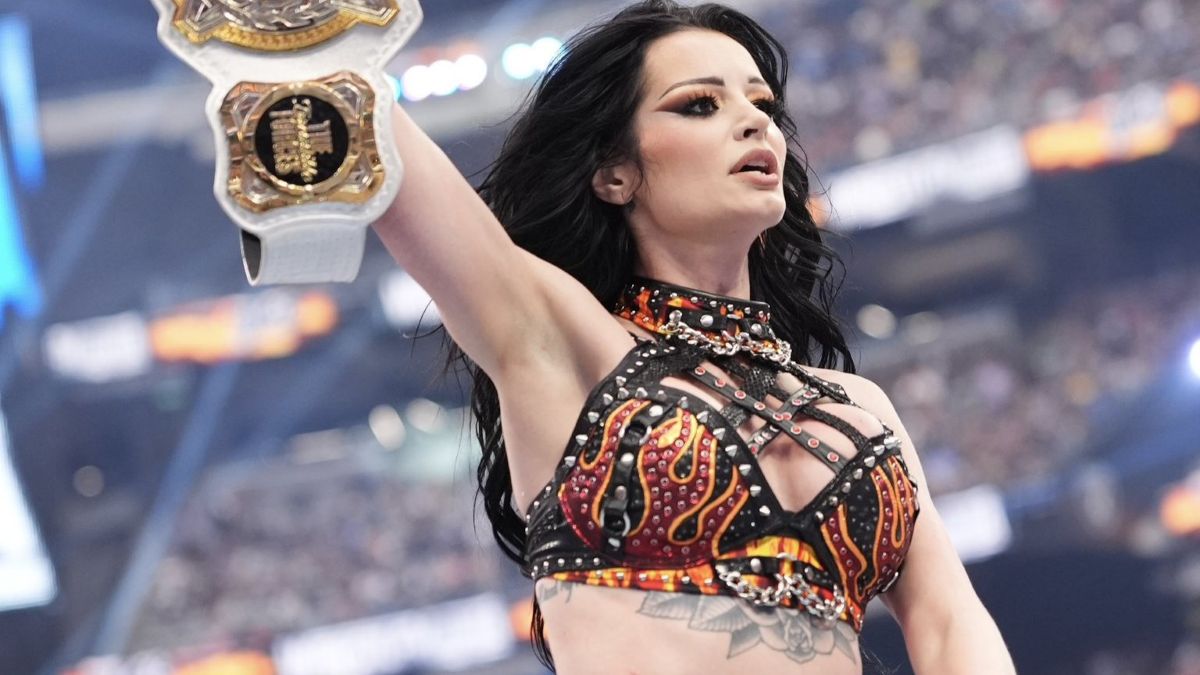
As we head into WrestleMania 41, the message is clear. Enjoy the matches. Marvel at Rhea Ripley’s entrance. Watch Cody Rhodes finish whatever story he has left. But don't think for a second that your tweet about the booking is going to change a single thing on the script. Nick Khan is looking at a spreadsheet that says everything is perfect, and in the world of 2026, the spreadsheet is the only thing that actually matters.
"People are allowed to complain but we don’t adjust our business based on complaints."
That quote should be etched onto the front of WWE HQ in Stamford. It is the most honest thing a wrestling executive has said in decades. They are not in the business of making you happy; they are in the business of making you watch. And as long as the 80,000 people in Allegiant Stadium keep showing up, Khan is going to keep ignoring your DMs. It is cold, it is calculated, and it is the most successful the wrestling business has ever been. Just don't expect it to feel like magic anymore.
Read Next
- WrestleMania 41 might finally deliver the surprise signing the Rumble missed
- Cody Rhodes is walking into a tactical nightmare at WrestleMania 41
- Randy Orton is limping into WrestleMania 41 and the stakes couldn't be higher
- Top 10: Defining Moments Heading into WrestleMania 41
- 🏆 WrestleMania 41 — Full Coverage Hub