The quiet accumulation of retired star power
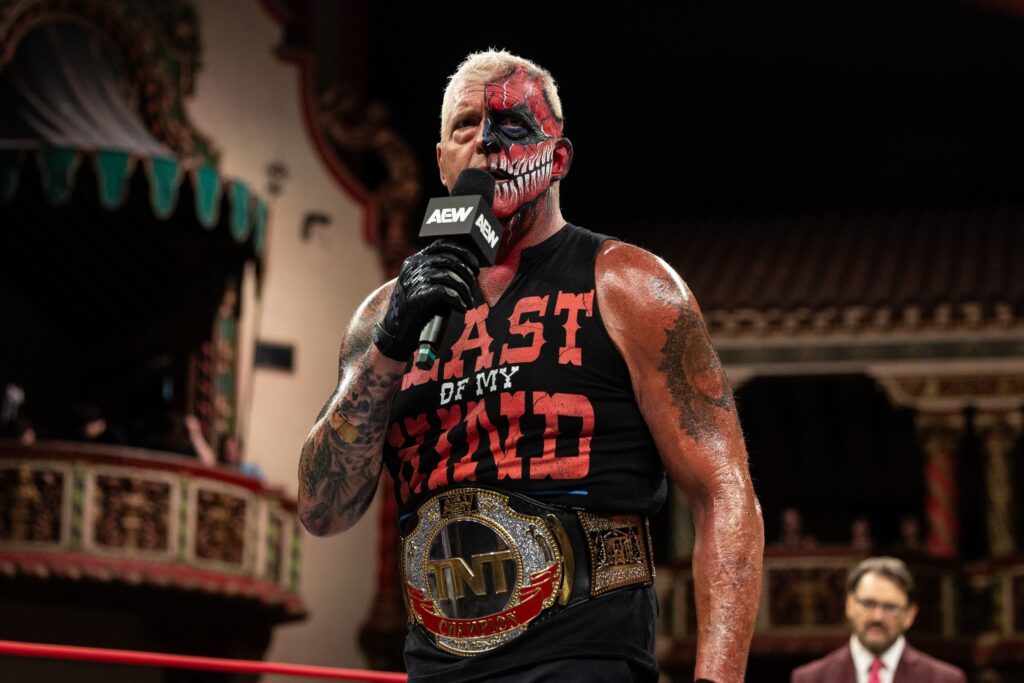
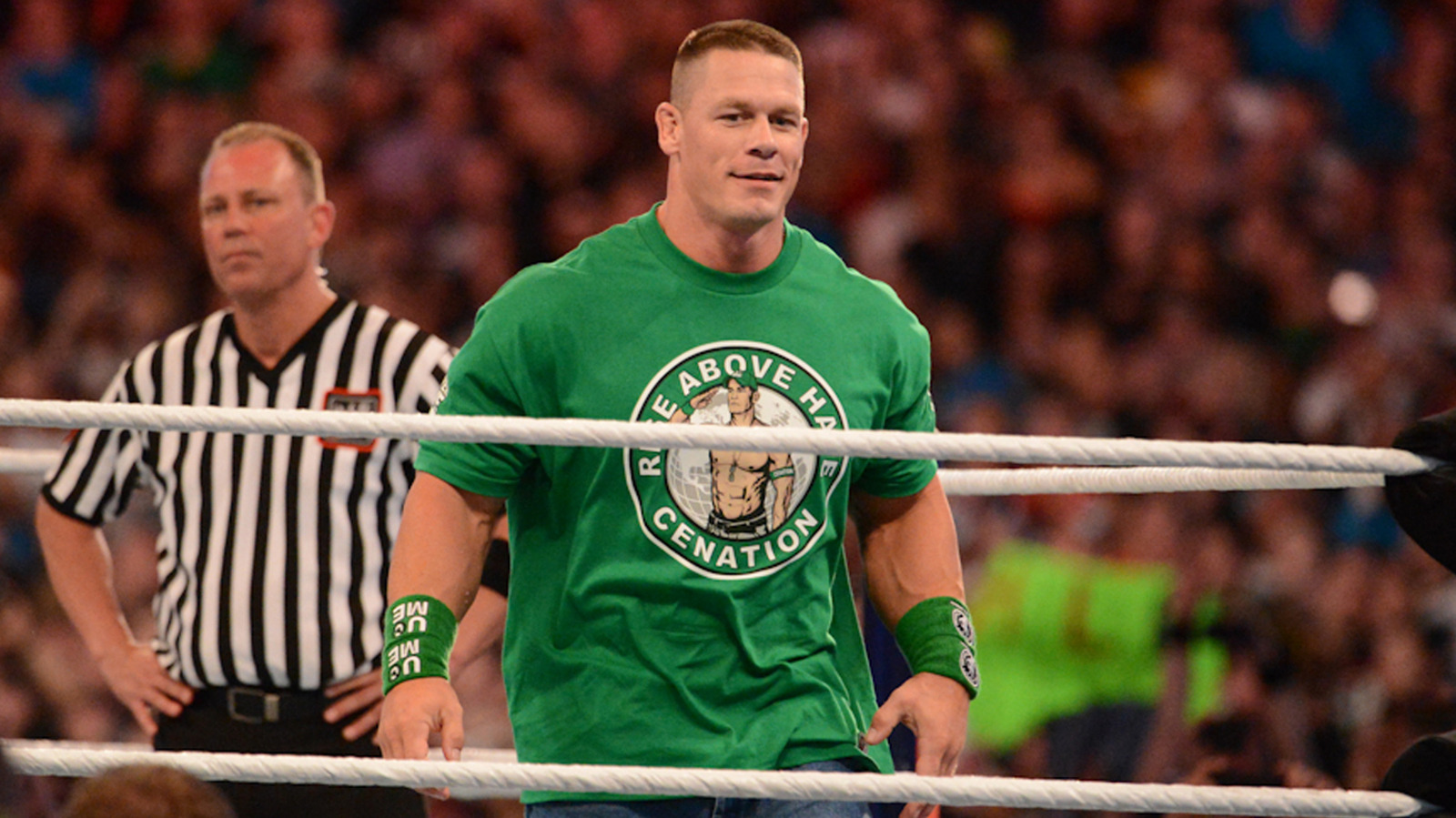
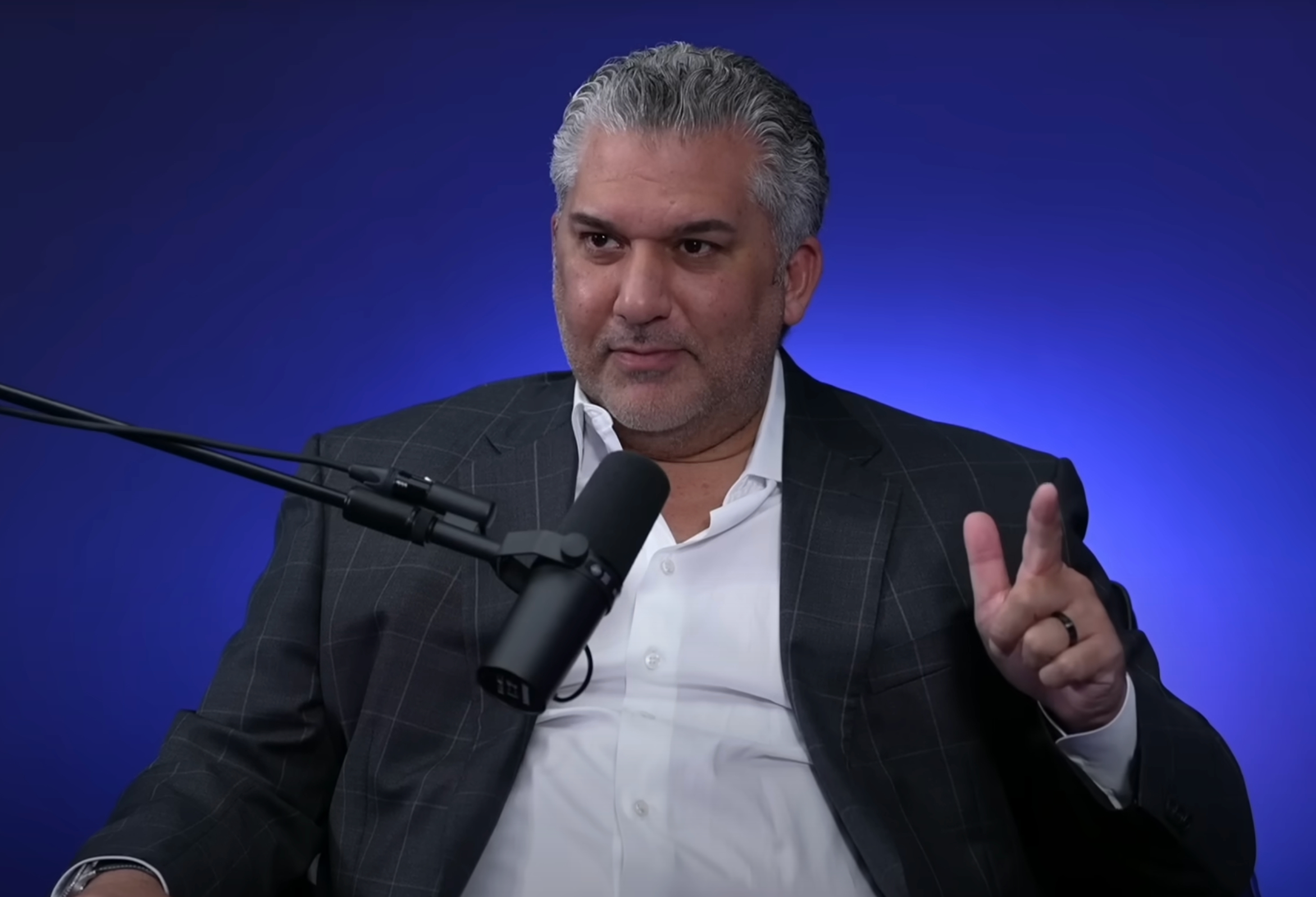
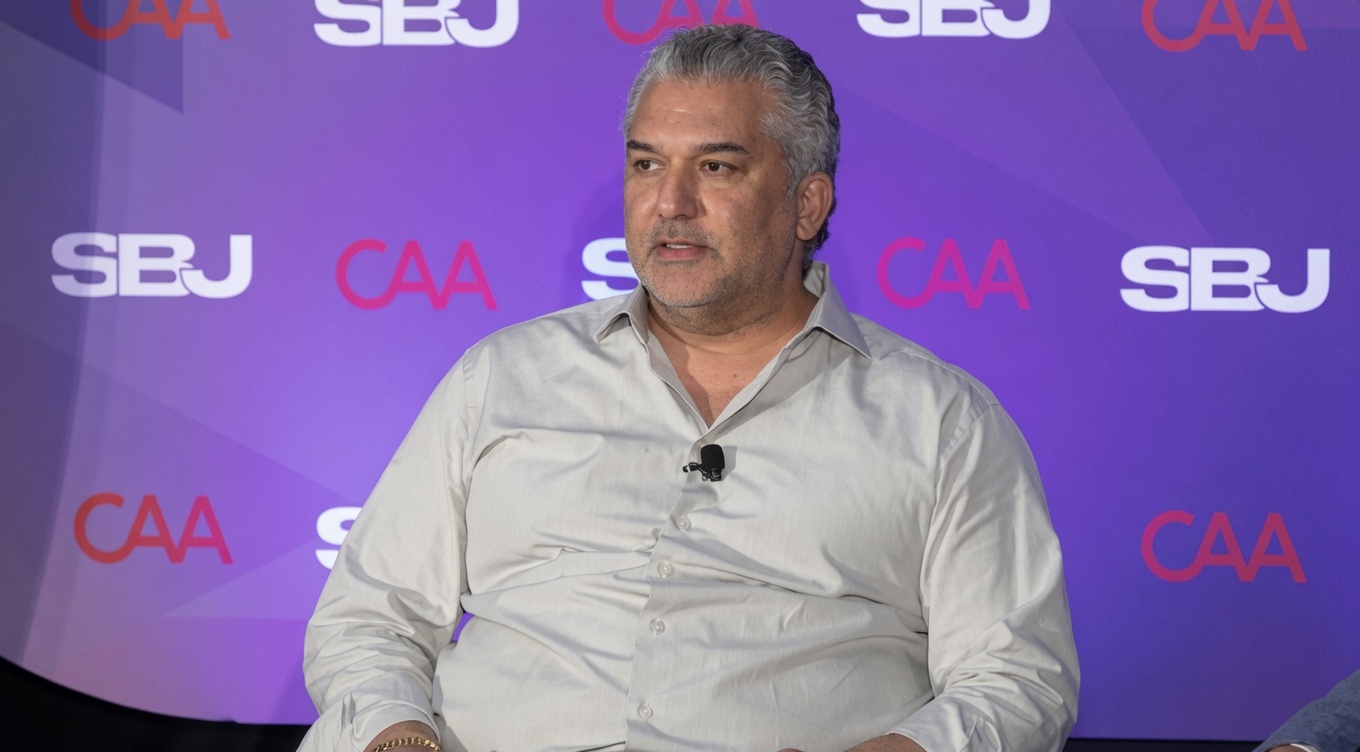
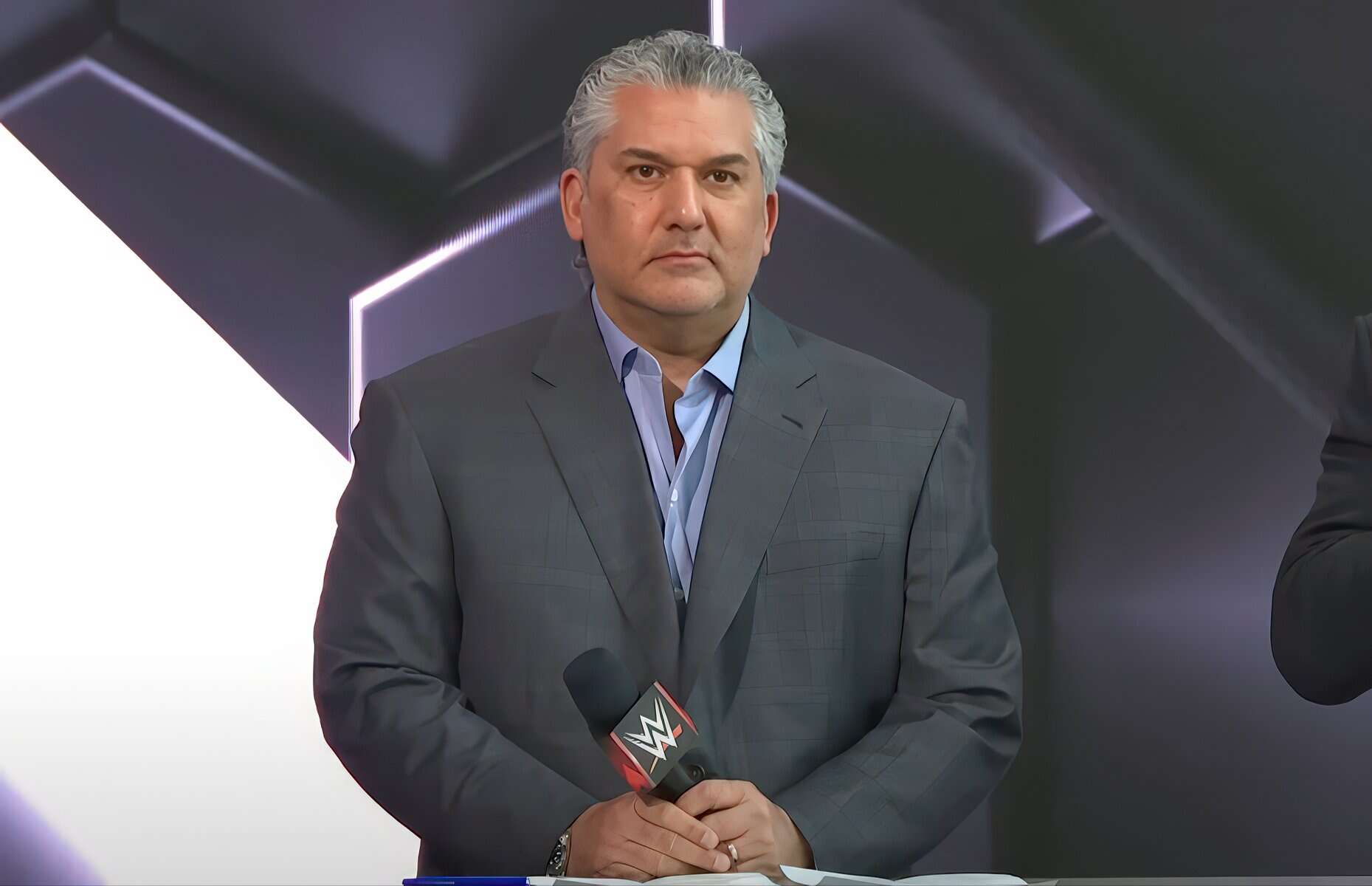
Nick Khan recently pulled back the curtain on the behind-the-scenes operation that keeps WWE’s history profitable. He confirmed the organization currently holds around 150 legend contracts. While fans obsess over weekly match cards, this specific roster of past performers represents the backbone of the company’s marketing and licensing strategy.
These deals are not merely about bringing back a retired talent for a one-off entrance at a signature event. They include rights for merchandise, video game appearances, and digital cameos. Managing 150 unique agreements is a logistical nightmare that requires constant negotiation and legal oversight. The size of this pool suggests that WWE intends to monetize their intellectual property far more aggressively than they did during the territory era or the early 2000s.
Missing the human element in the royalty machine
As WrestlingNews.co reported, the sheer volume of these agreements highlights how much the business has shifted toward archival content. It is a smart move for shareholders, but it leaves plenty to be desired for the actual performers who often struggle to maintain their post-wrestling health. A contract for a video game skin does not solve the deep-seated medical issues that plague older generations of workers. The company acts like a museum curator more than a proactive employer when it comes to the people who built the walls of that museum.
The contrast between these business-first arrangements and the current health-focused scrutiny is stark. While companies like OpenAI are dealing with the fallout of detached clinical AI, WWE is successfully digitizing its legends. They have solved the technical problem of bringing a retired icon onto a screen without needing them to take a bump. It is a cleaner, safer way to sell tickets, provided you ignore the lack of long-term care for the humans behind the avatars.
Looking ahead to Backlash
With WWE Backlash looming on May 9, 2026, the focus inevitably shifts to the current talent roster and their ability to carry the legacy forward. Can the modern crop of competitors deliver a spectacle that keeps the legend program relevant? Marketing 150 retired stars only works if the current product remains a magnet for viewership. If the active workers cannot provide a high-quality product, the value of those legend licenses will crater.
I predict that this reliance on the past will reach a saturation point within two business quarters. When the novelty of seeing 150 names on a merchandise list fades, the booking team will be forced to rely on fresh, organic talent development instead of legacy branding. If they do not pivot by the end of the year, the reliance on these archives will be viewed as a glaring weakness in their growth strategy. It is easy to sell the past when you have a library, but you cannot build a vibrant future solely on the royalties of yesterday.