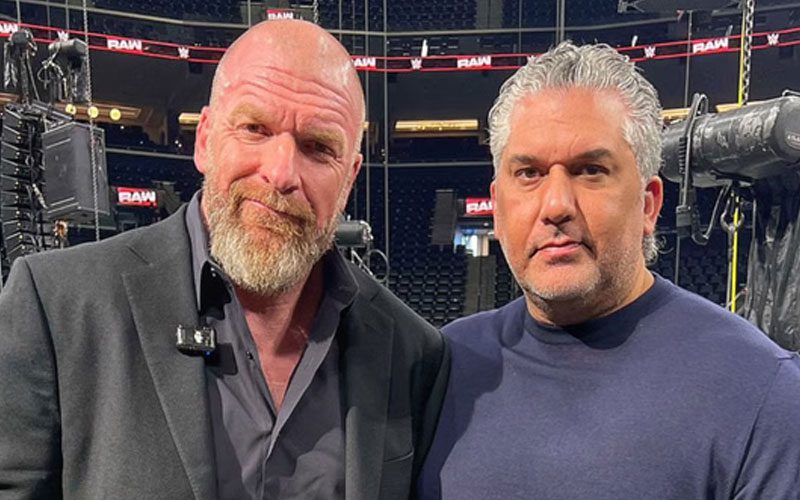
The transition from the Triple H era hits a roadblock
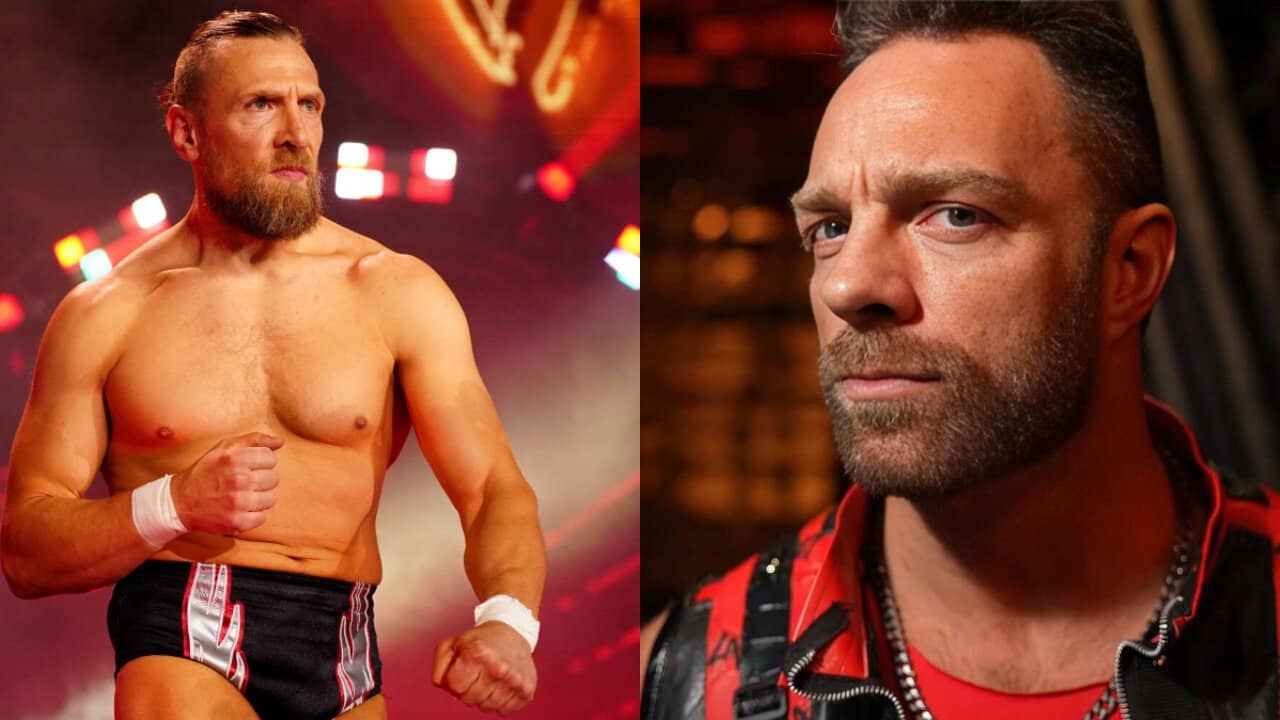
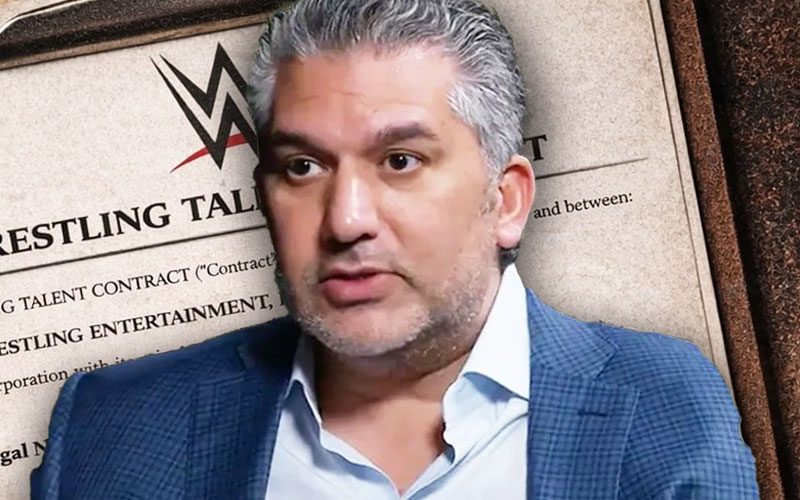
Nick Khan’s recent transparency at the Sports Business Journal World Congress of Sports regarding WWE's strategy to cultivate main event talent reveals a high-pressure environment. The company is actively accelerating the development of the next tier of stars, yet the process feels hurried. You don't build legitimate headliners by compressing three years of character growth into six months of television.
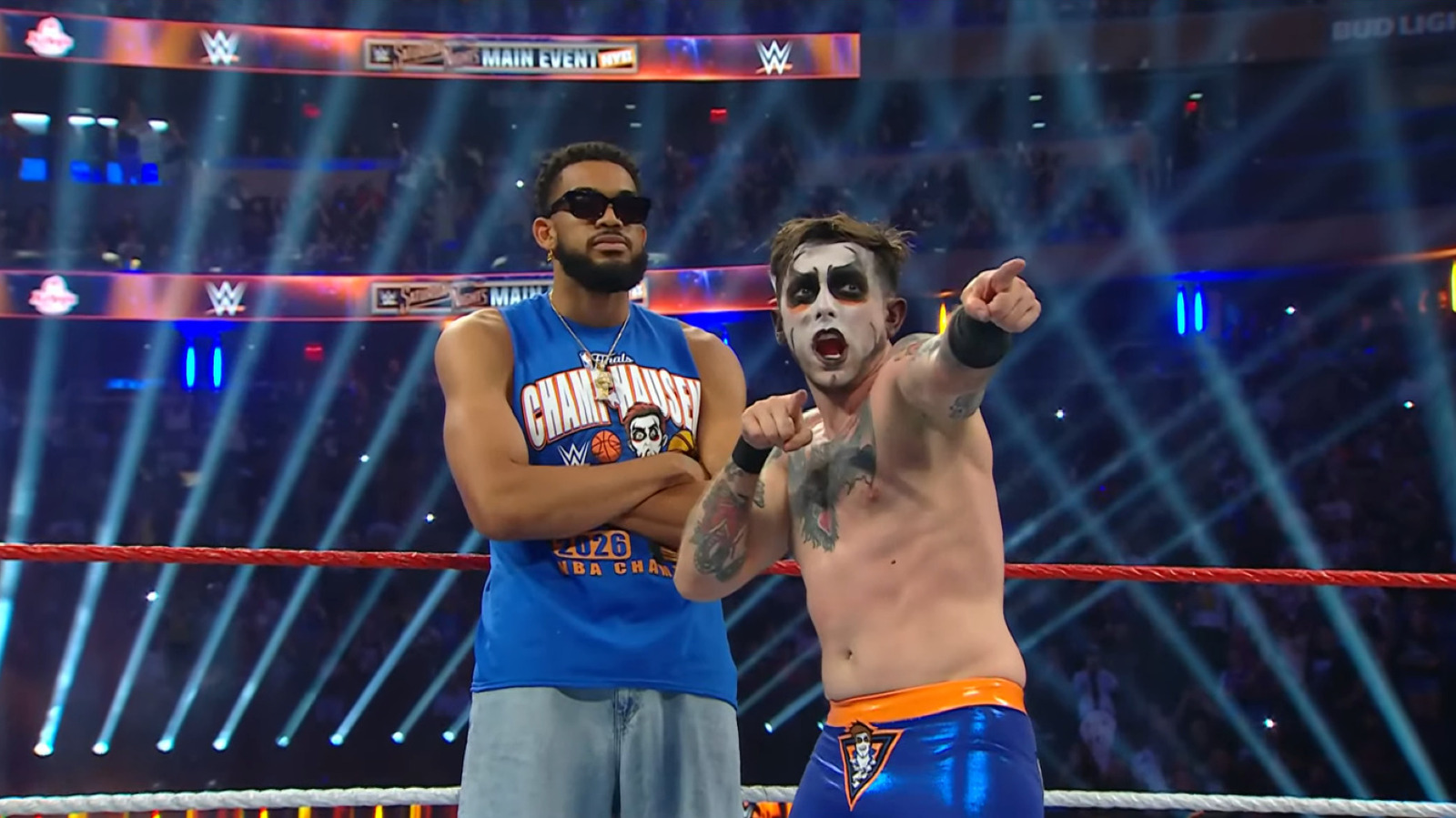
The data suggests the promotion is over-relying on veteran mainstays while the developmental pipeline remains inconsistent. When you look at the recent mid-card segments, the match quality is generally high, but the narrative weight is missing. A wrestler might hit a perfect top-rope maneuver in the 18th minute of a match, but if the crowd hasn't been given a reason to care about the finish, the athleticism is wasted.
Predictable booking is stifling potential
The current internal pressure involves securing a long-term roster that can hold up if top-tier talent departs or suffers injuries. However, the booking displays a lack of trust in talent to build heat naturally. Forced pushes rarely result in long-term engagement metrics.
One glaring flaw is the reliance on recurring interference finishes. In the last three months, nearly 40% of high-stakes matches on premium shows have ended with some form of outside intervention. This isn't just lazy; it prevents the roster from establishing signature victories that signify legitimate standing.
The prediction: Stagnation through 2026
My assessment is that WWE will struggle to bridge the gap between their current legends and the new stars by year's end. Without a shift away from over-produced promos and scripted rigidity, the audience will continue to drift toward the segments that prioritize in-ring chemistry over soap-opera aesthetics.
We are going to see a plateau in ratings starting in late Q3. You can only run back the same established tropes for so long before the diminishing returns manifest in the TV rights valuations. The company is attempting to force a transition that requires organic time, and their impatience will likely result in a 5% drop in viewership for secondary programs by the time the calendar turns to 2027.
Management seems to prioritize quarterly earnings calls over creating a cohesive, evolving narrative. The current strategy functions well for shareholders, but it is creating a vacuum of new, credible challengers for the top championships. Unless they adjust the pacing of character development, they will be left with a roster that is technically proficient but commercially dormant.