Nick Khan ignores your tweets and frankly, he doesn't care
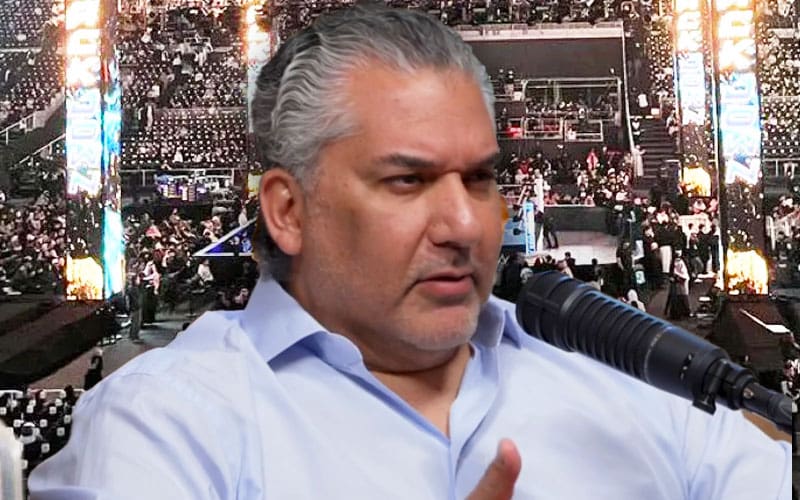
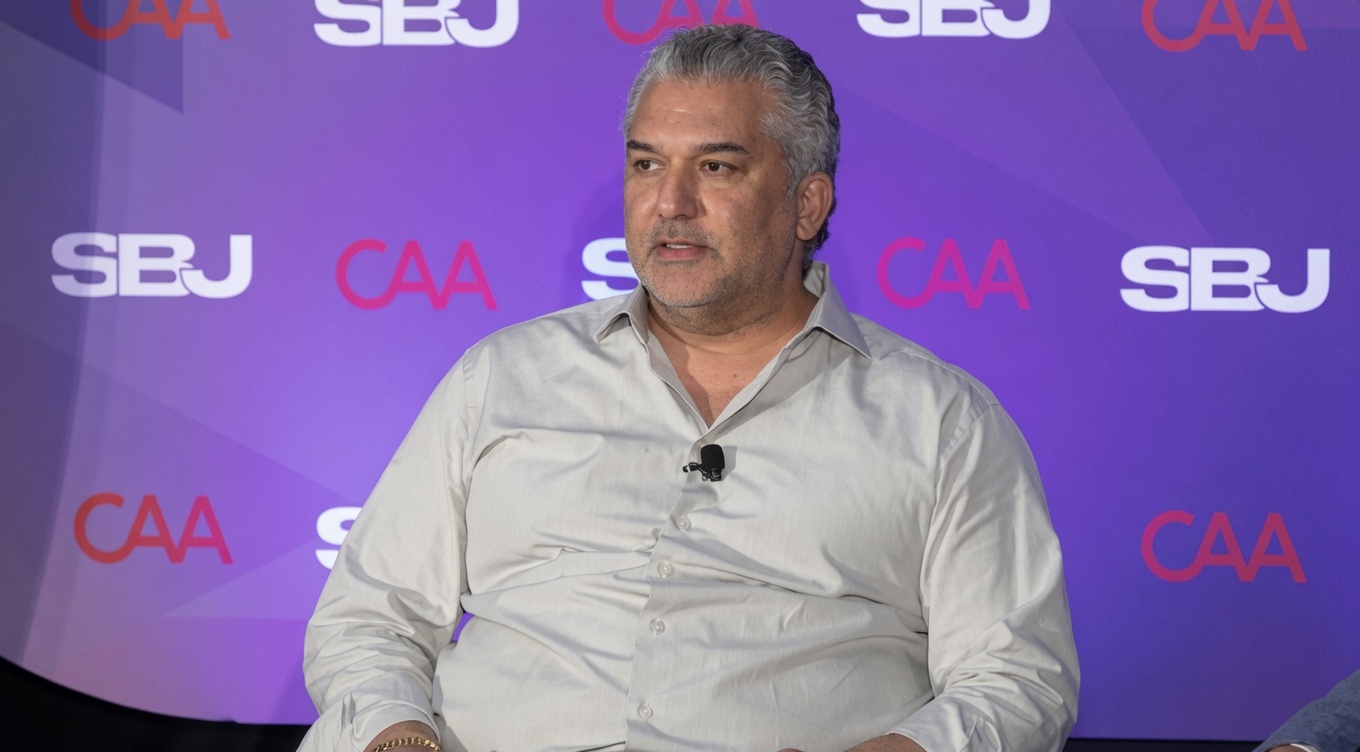
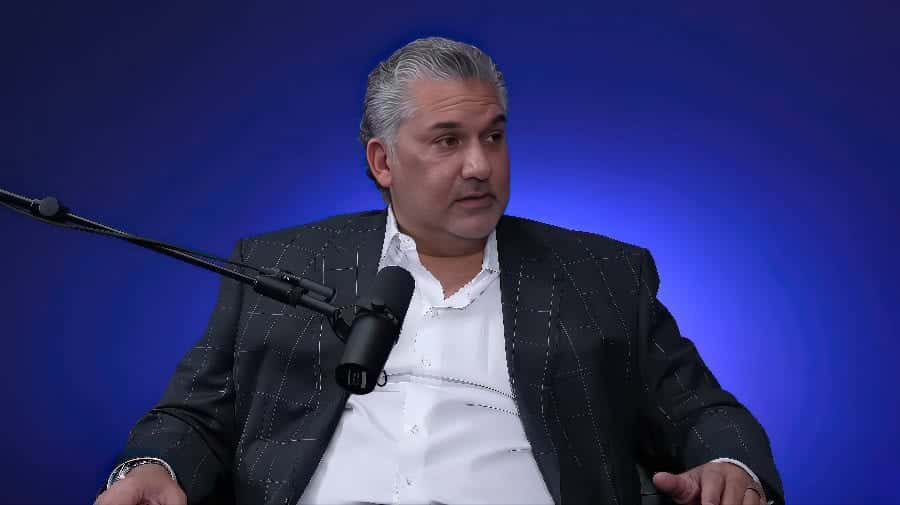
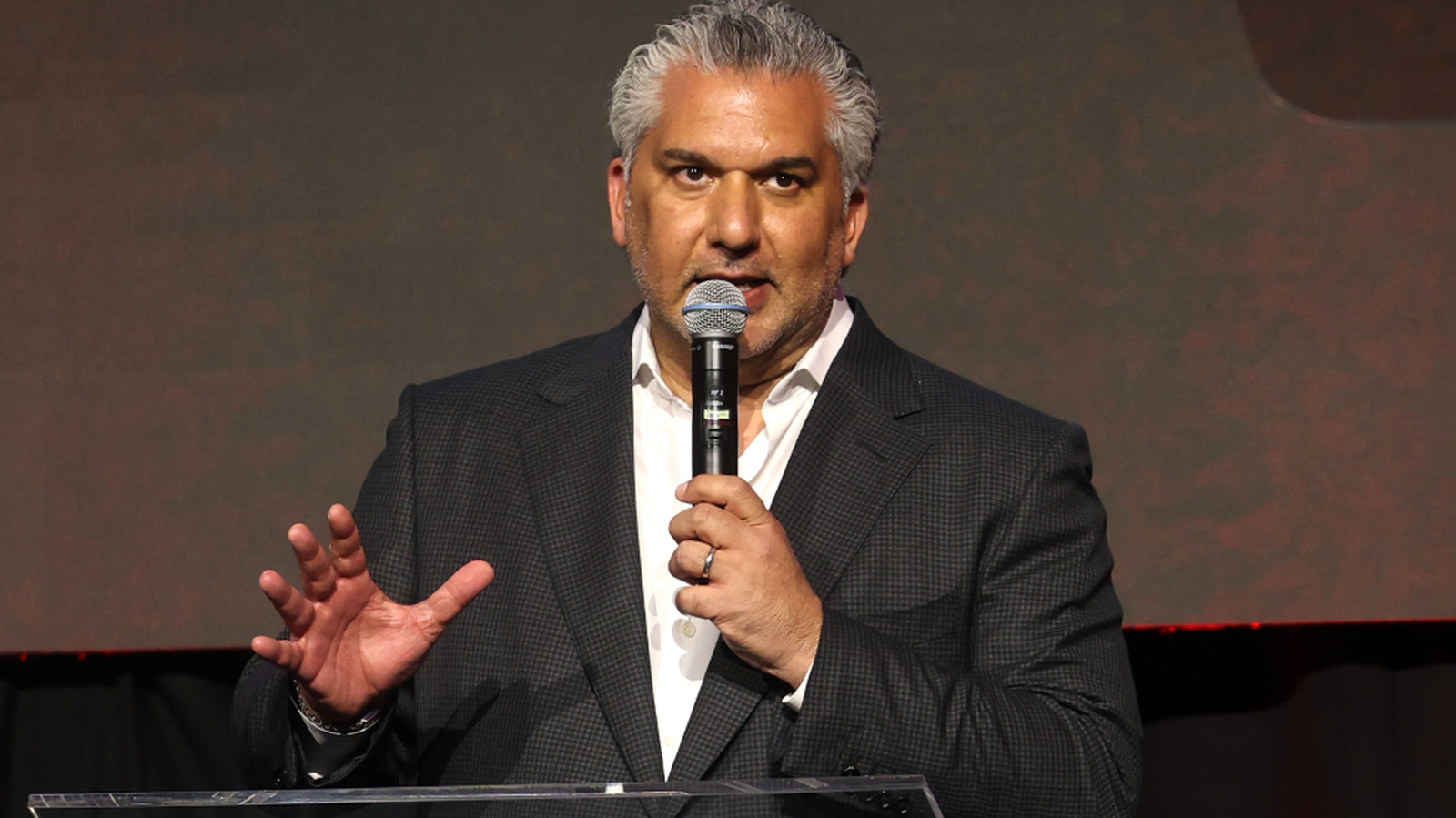
It’s two days before WrestleMania 41, and the internet is white-hot with debate. Nick Khan, the man steering the WWE ship, basically told the entire online fandom that their collective yelling means nothing to the bottom line. As reported by WrestlingNews.co, Khan went on record saying he has never looked at Twitter regarding the company because he views it as a vocal minority. Whether you love or hate the product, the sheer brass of telling the hardcore fanbase their opinions aren't part of the strategy is the kind of talk that starts bar fights.
The feedback loop from this news has been predictable. You've got the corporate apologists who think this is the ultimate sign of leadership. Their argument is simple: why listen to people who complain about everything from entrance music to lighting setups when global ticket sales are hitting record highs? These fans live by the motto that if the company is printing money, then the booking is objectively good. They love the commercial trajectory even if it means sacrificing some of our favorite mid-card stories.
The clash of terminal terminally online fans
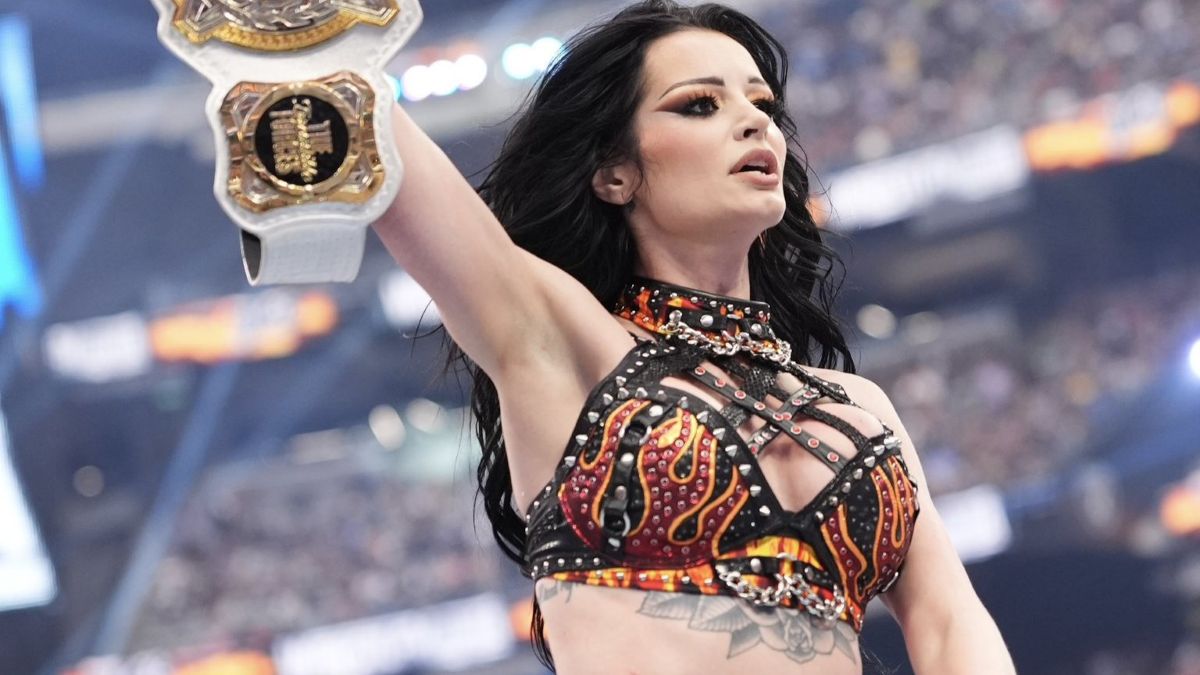
On the flip side, the skeptics are radioactive. One forum user put it best: "He talks like he's running a high-frequency trading firm, not a wrestling promotion." The consensus among the hardcore crowd is that when you stop listening to your base, you eventually drift away from the very thing that made the product special. Charlotte Flair famously had to fight the narrative that she was just Ric Flair in a wig, as noted by Ringside News, and she ultimately proved everyone wrong by grinding through the pain of that feedback. That kind of evolution happens because pressure from fans matters.
Does Khan have a point? In reality, yes. Wrestling Twitter is a dumpster fire fueled by tribalism, bad faith, and people who would rather hate-watch a show than enjoy a great segment. The data backs him up too. If the goal is maximizing revenue, their business model is firing on all cylinders. But there is a glaring flaw in this logic. If you ignore the pulse of the audience, the product eventually loses its soul. Remember that human connection is what keeps people paying for the network long after the shock value subsides.
People are allowed to complain but we don’t adjust our business based on complaints.
Meanwhile, the nostalgia merchants are just trying to enjoy the ride while it lasts. With Stephanie McMahon entering the Hall of Fame, we are all getting a healthy dose of 1999 revisionism regarding her history with The Undertaker. According to WrestleTalk, she’s reminiscing about how he acted like an older brother to her during those early, insane storylines. It’s a nice reminder that before everything was a spreadsheet for investors, it was just a chaotic circus where reputations were built or burned in the ring.
Where the truth actually sits
My take? Khan is half-right. You can't book a show by reading top-voted comments on Reddit or X. If the company listened to every single vocal demand, we’d have 45-minute iron man matches on every episode of Raw. However, dismissing genuine feedback as a vocal minority is a dangerous path. The history of wrestling is paved with companies that got too big for their own good and lost touch with the folks actually filling the seats on Saturday night. When they finally stop reading the room entirely, the 50,000 fans at the stadium might start thinning out.
We are two days out from the biggest weekend of the year and the tension is palpable in a way that doesn't involve the actual in-ring action. Fans are rightfully questioning if the product is becoming too sterile. If WrestleMania 41 is a total dud, all the ticket sales hype in the world won't stop the roar of disapproval. For now, the suits are winning the war. Whether they can actually keep the fans in their corner long-term is the real question that hits at the $1 billion valuation mark.