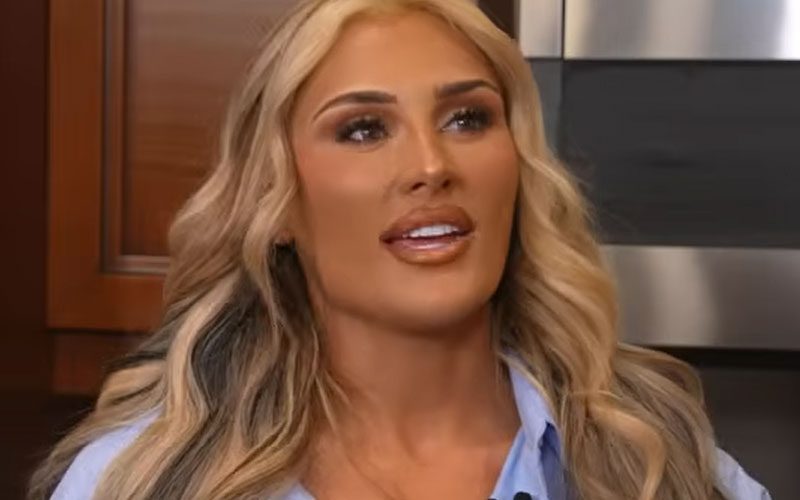
Tiffany Stratton's booking reveals a structural flaw in WWE's mid-card
The physics of momentum in modern wrestling
Tiffany Stratton is currently operating in a vacuum. On the July 17 episode of SmackDown, she secured her position in the interim WWE Women’s United States Championship match. This booking decision is a fascinating case study in how promotions misread the room when it comes to high-stakes tournament progression.
The fan reaction to this win is not rooted in a disdain for her heel persona. It is a tactical critique of how the mid-card title hunt has been assembled throughout this summer. When a promotion pushes a character toward a championship, the audience expects a narrative arc that justifies the acceleration of their status.
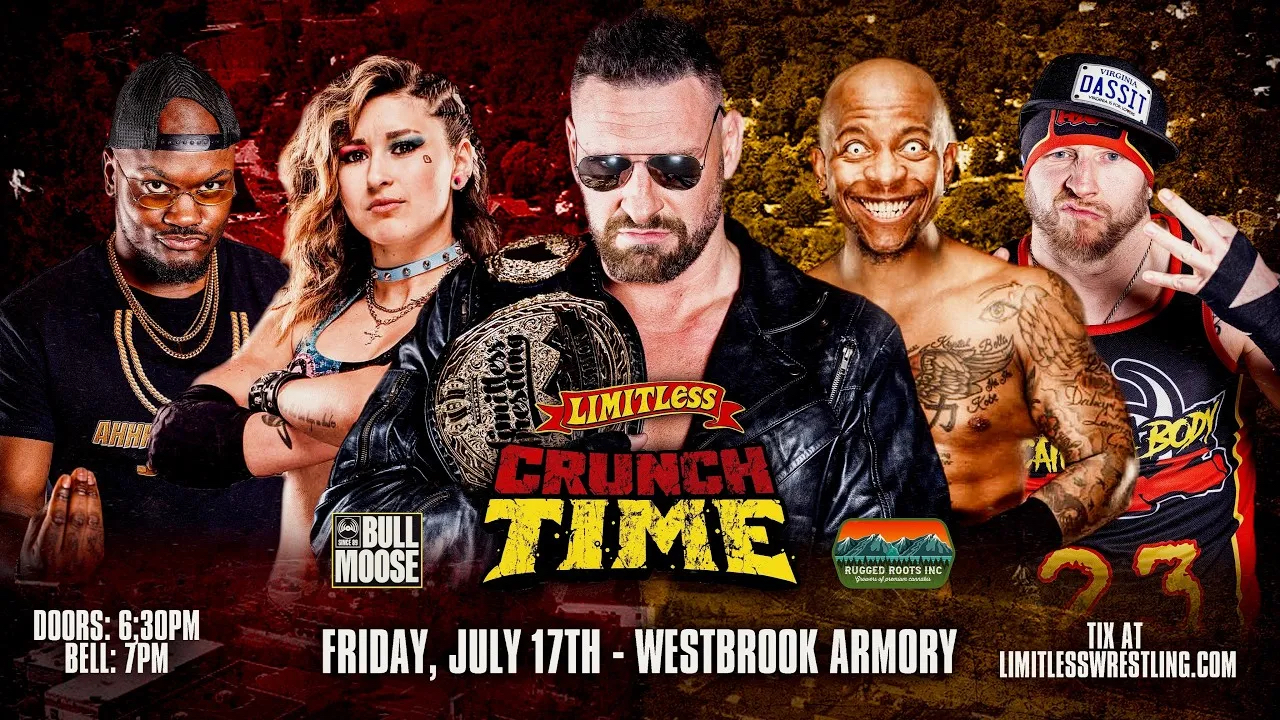
Stratton’s recent trajectory, as noted in recent coverage of independent wrestling events, forces us to compare the standard of booking across the industry. While promotions like Limitless Wrestling are experimenting with fresher matchups, WWE’s reliance on familiar faces for interim tournament spots feels tired. It ignores the need for rotational equity in the division.
The strategic error in tournament booking
Booking a talent like Stratton into an interim title slot requires a payoff that the current storyline does not provide. We see this mismatch often when the push exceeds the narrative density. If the goal is to build long-term heat, the interim status becomes a weight around the neck of the wrestler rather than a boost to their profile.
The crowd is not rejecting the wrestler; they are rejecting the lack of stakes. During the match sequence on July 17, the pacing did little to convince the audience that this was a pivot point for the Women's United States Championship. It felt like a placeholder event in a season that should be defined by sharp, aggressive growth.
We can contrast this with the results from the Westbrook Armory, where the focus on distinct, high-impact finishes kept the crowd engaged. WWE’s current structure lacks that same punchiness. By dragging out the interim title process, they are diluting the value of the belt before it even finds a permanent home.
Missing the window for innovation
Every match is a data point. When a wrestler is positioned as a lead protagonist in a championship hunt, their move sets and psychological engagement need to evolve in real-time. Stratton is caught in a loop where the booking team repeats the same beats without adding new technical layers or high-stakes pressure.
The fans know the difference between a mid-card push and a genuine main event elevation. This current run for the interim title does not feel like an elevation. It feels like a holding pattern initiated because the creative team has not yet decided on the ultimate trajectory for the belt itself.
A critical observation: the division is suffering from a lack of clear separation between those competing for the top prize and those in the interim bracket. One or two performers, like the victor of the aforementioned Limitless Crunch Time 2026 card, show how to blend physicality with character progression. The 0.85 minutes of focus time diverted to internal drama between segments on SmackDown could have been better served sharpening the in-ring stakes for the championship.
Instead, we are left with a tournament that feels disconnected from the urgency required to make a new title matter. If the booking continues to prioritize safe, middle-of-the-road outcomes rather than pushing talents into high-stress, high-reward scenarios, the division will remain stagnant. The momentum trap is real.
Mattel WWE Elite Collection Series 109 - Rey Mysterio Action Figure
Highly poseable, authentic gear, and ready for the ring.
Frequently Asked Questions
Why are fans critical of Tiffany Stratton's SmackDown win on July 17?
What did Tiffany Stratton win on the July 17 episode of SmackDown?
How does WWE's booking affect the Women's United States Championship?
What is the main issue with WWE's current mid-card booking structure?
How does the interim title push impact Tiffany Stratton's momentum?
More Coverage
Wrestling legends are human and we need to stop pretending otherwise
52 minutes ago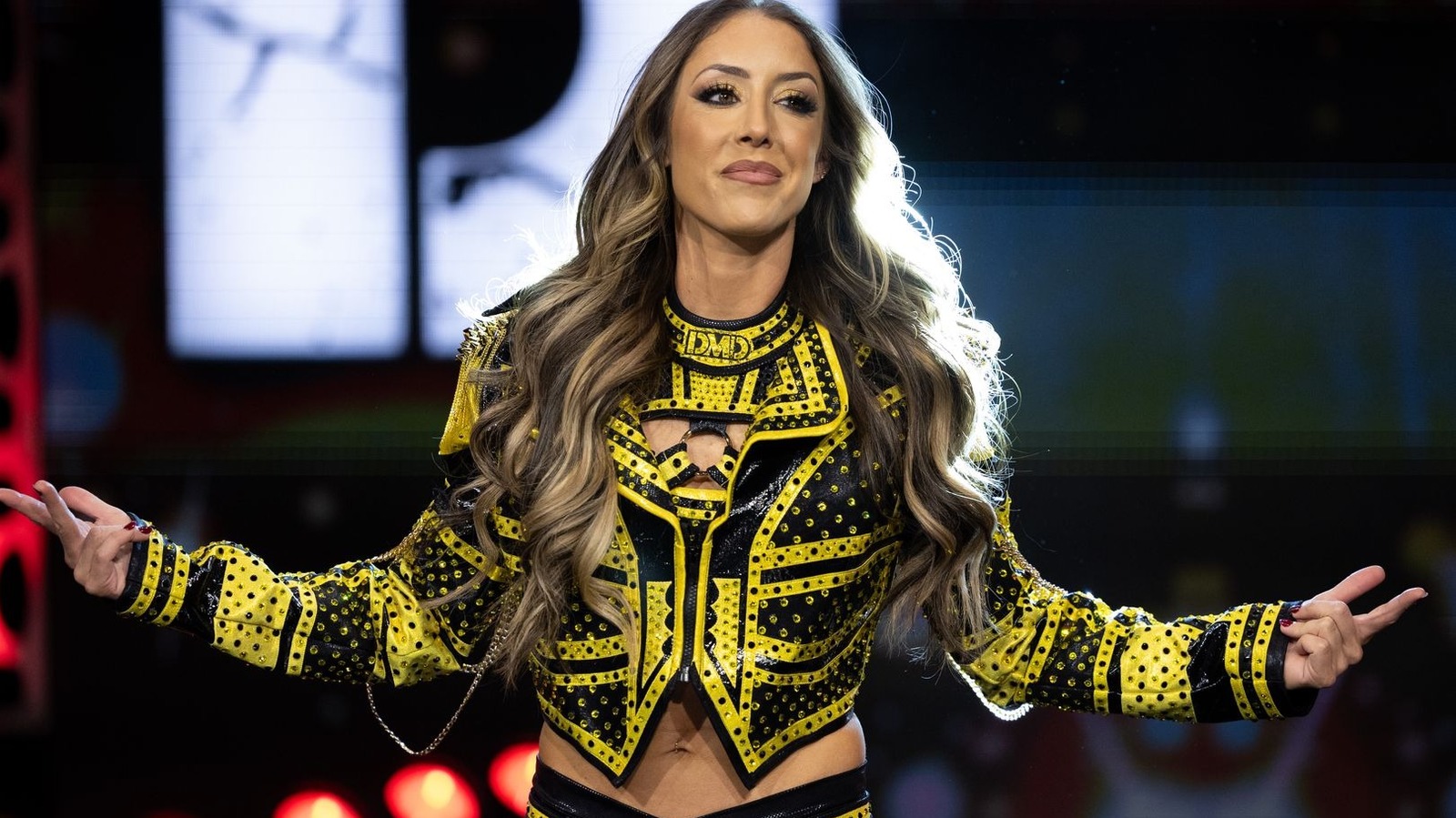
Britt Baker sips the cold reality of the Ice Bucket Challenge
53 minutes ago
Why the locker room is pushing back against fan behavior
54 minutes ago
WWE's injury bug is stalling the momentum of its biggest stars
54 minutes ago
Top 10: The Definitive Moments and Figures of TNA Wrestling
55 minutes ago
Top 10: The Most Entitled Behaviors of Wrestling Fans
55 minutes agoMore Analysis
WWE's momentum problem with Tiffany Stratton
4 hours agoTiffany Stratton's title win proves the women's division needs more focus
2 months, 3 weeks ago
Tiffany Stratton's absence is a tactical oversight by WWE management
2 months, 3 weeks ago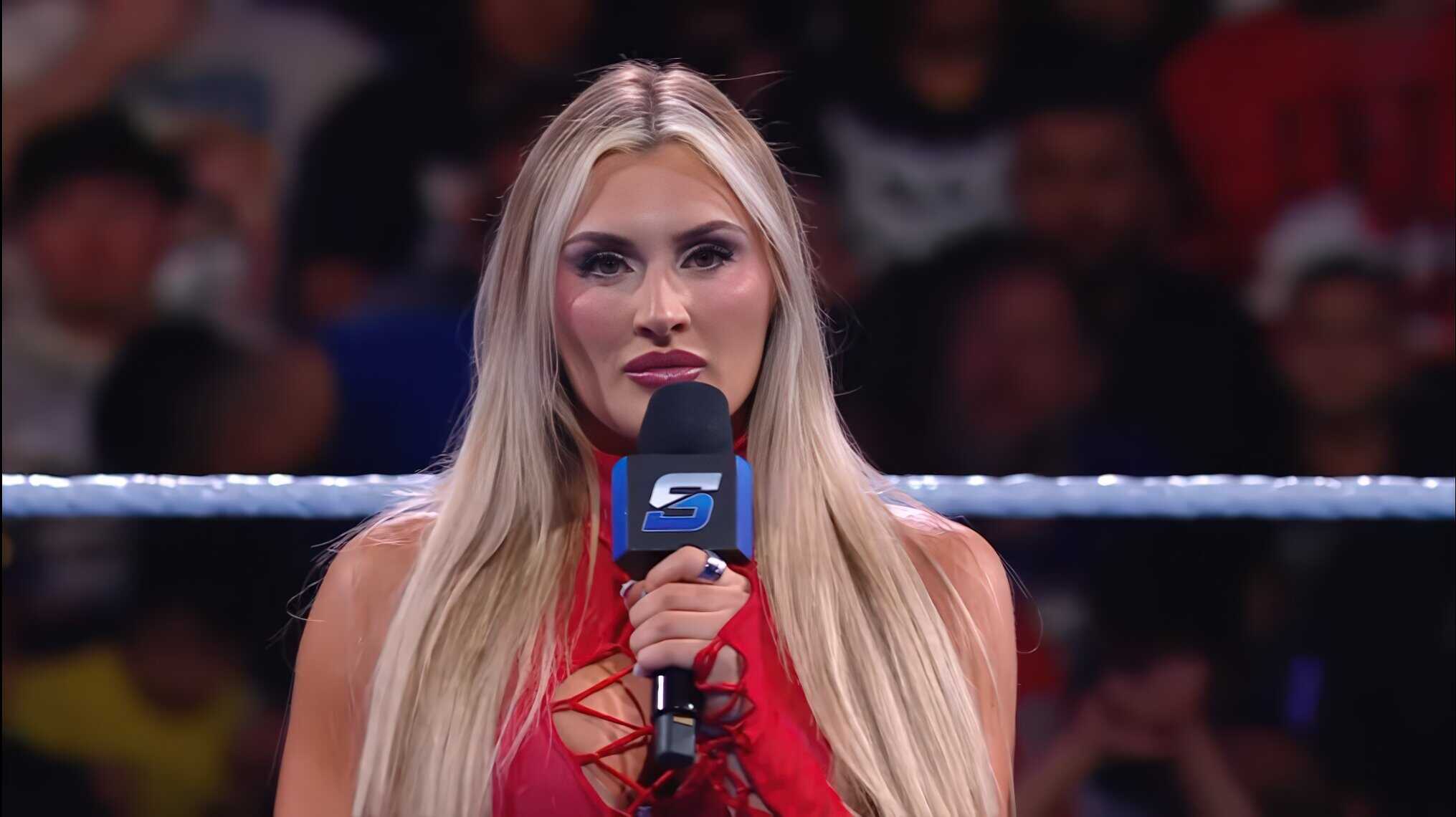
Tiffany Stratton's WrestleMania main event push isn't just talk
3 months, 3 weeks ago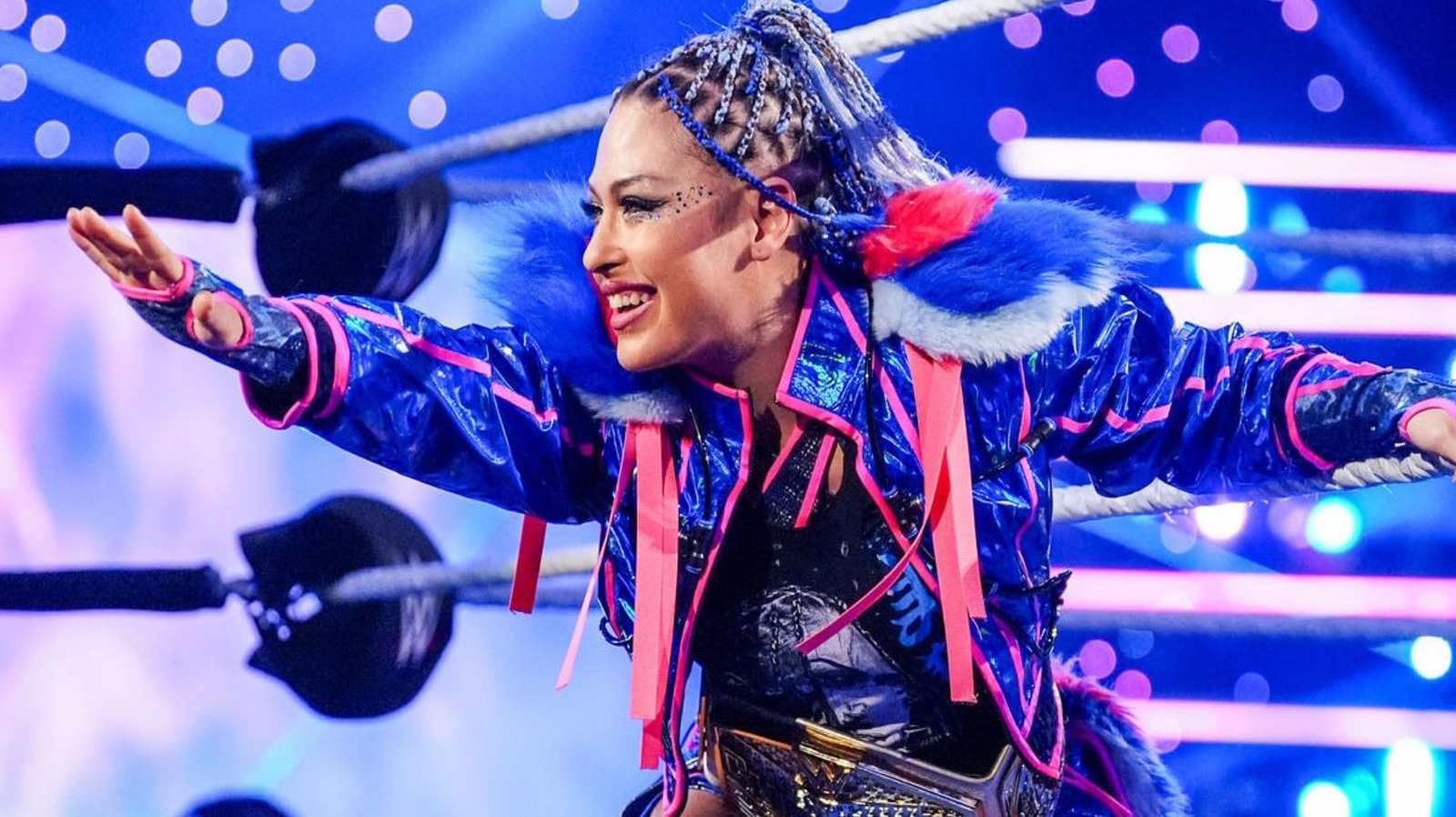
Tiffany Stratton has finally claimed the gold
2 months, 3 weeks ago