The politics of the squared circle
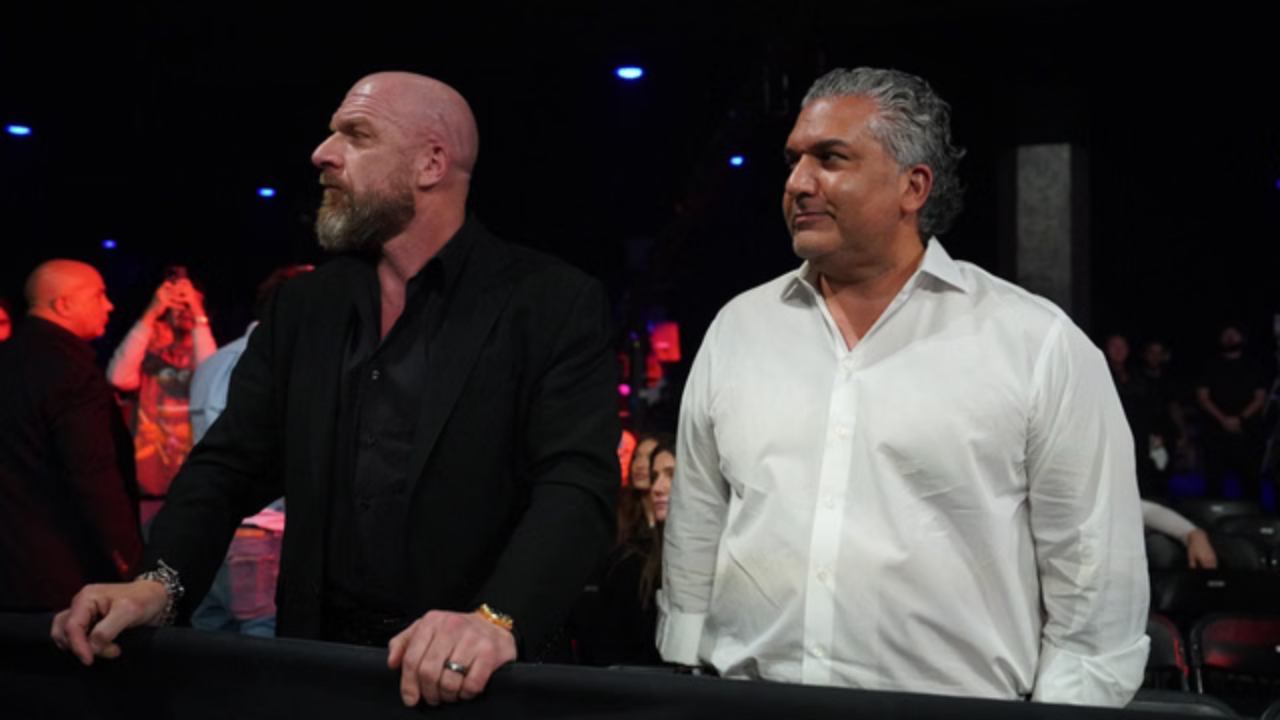
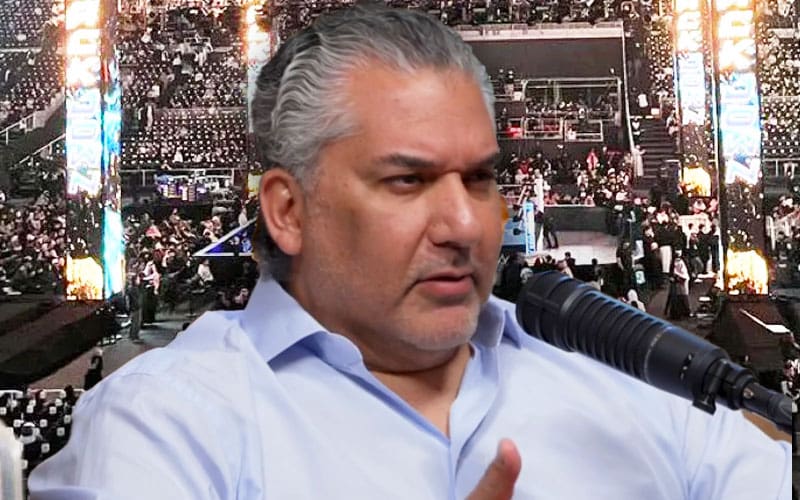
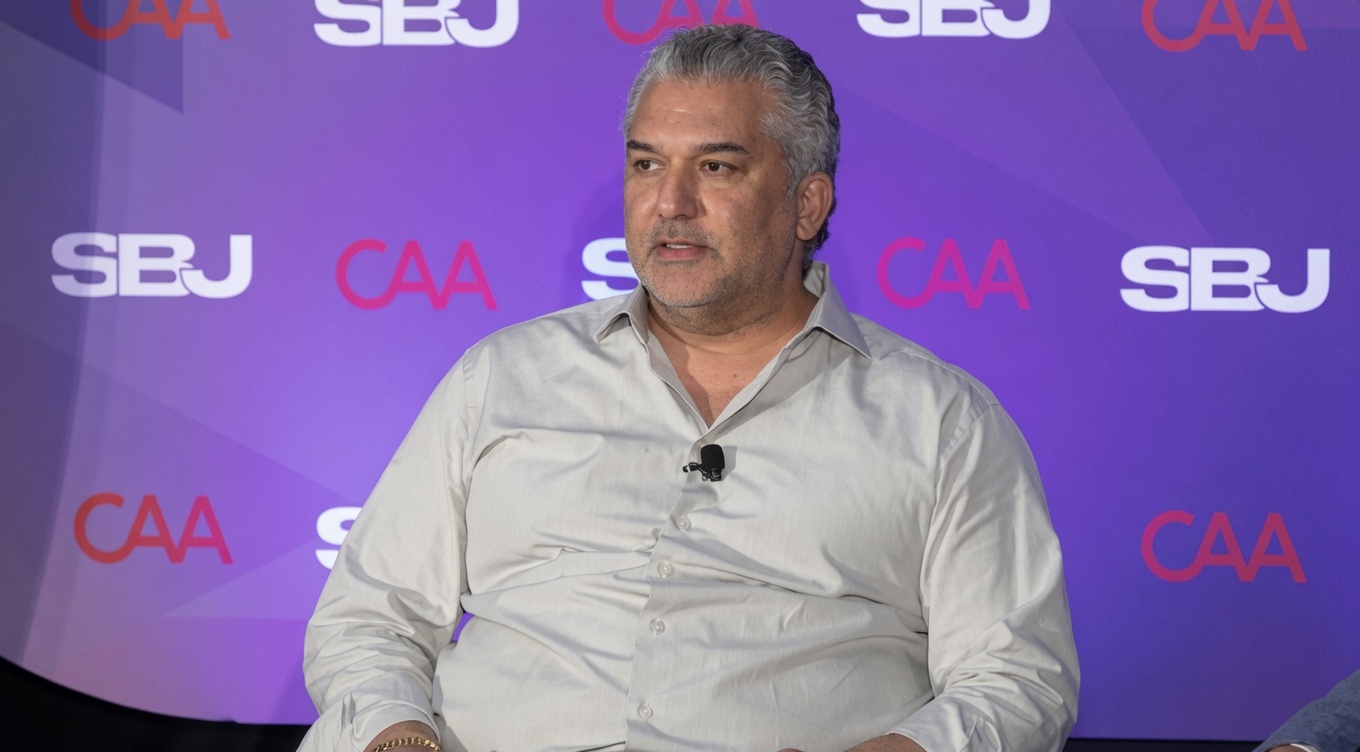
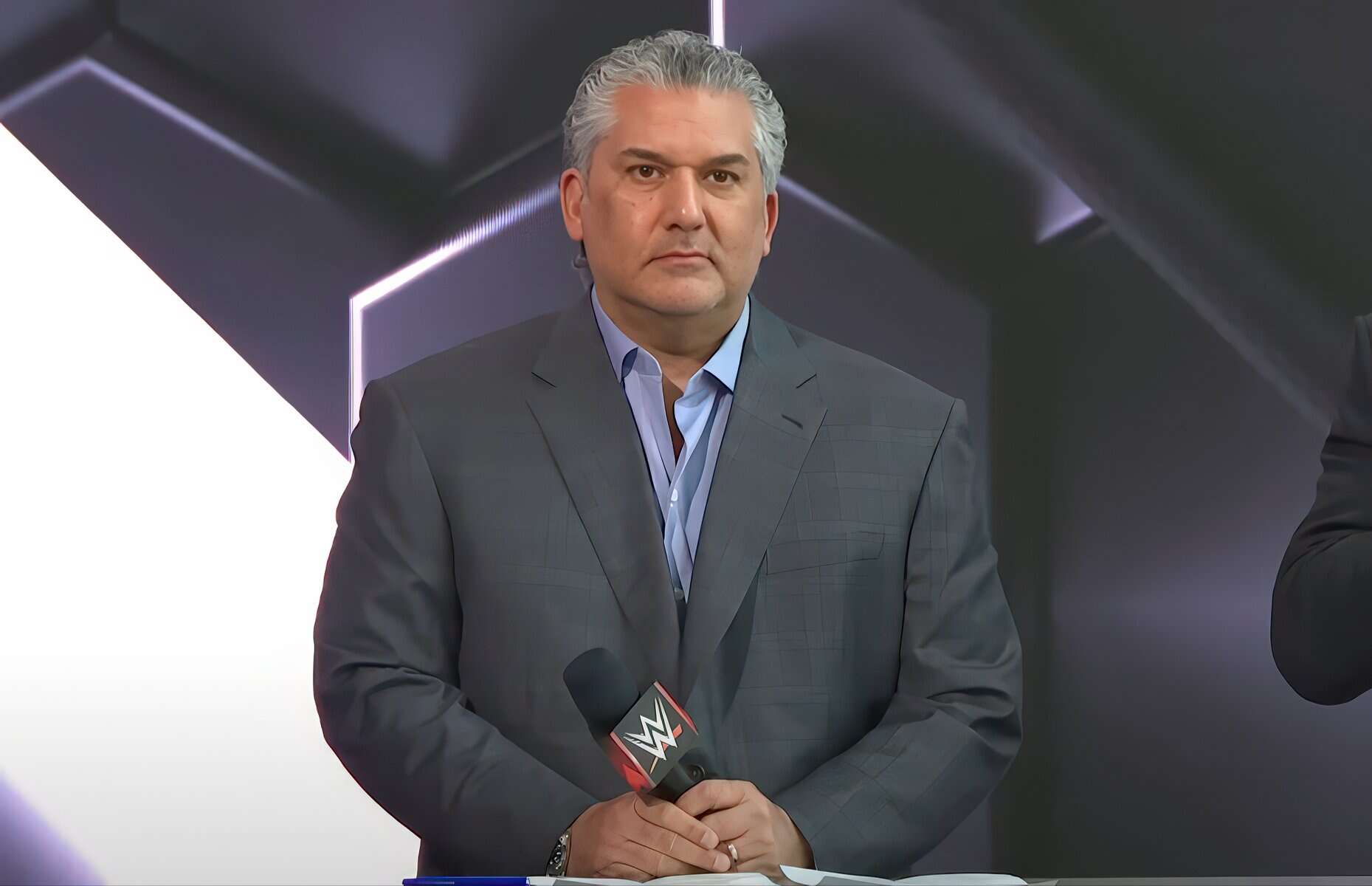
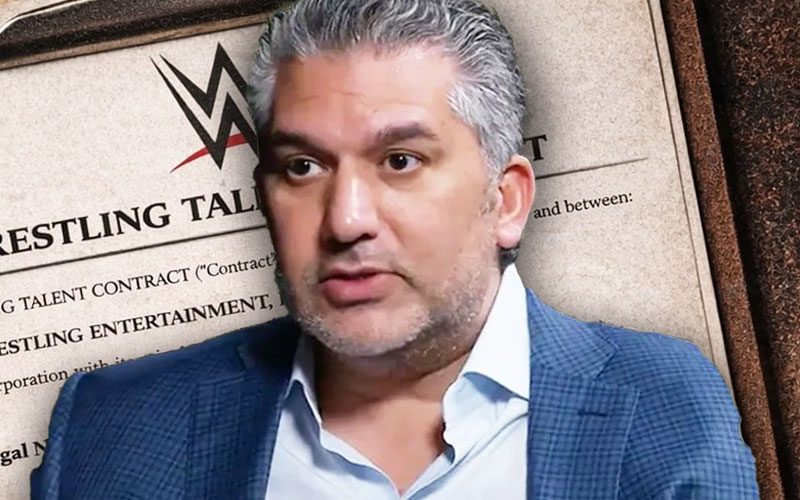
Nick Khan spent this week sitting in front of a Senate hearing, trading the usual glitz of the arena for the sterile intensity of a congressional chamber. While the stated goal was discussing changes to boxing law, the proceedings felt more like a masterclass in corporate deflection. Khan managed to weave the brand into the legislative record, claiming that the company maintains over 100 active contracts with retired talent. It is a staggering figure that highlights a specific logistical strategy: securing the legacy of the past to stabilize the optics of the present.
The testimony offered a rare look at how the machinery operates behind the scenes. When asked about potential future host cities for top-tier events, Khan kept his cards close to his chest under pressure from Senator Bernie Moreno. The exchange regarding a potential bid for Cleveland mirrors the broader, colder approach to site selection that prioritizes tax incentives and municipal partnerships over traditional wrestling hotbeds. It is not necessarily wrong from a fiscal standpoint, but it does expose the transaction-heavy nature of the current regime.
The cost of the guest spot
Beyond the beltway, the fallout from the most recent marquee event continues to play out in unconventional ways. We learned that while Jelly Roll felt out of place during the headline chaos, the administrative side of the business remained focused on revenue streams. The disclosure that Make-A-Wish spent a specific $2,500 on tickets for the event serves as a blunt reminder of how the company filters its philanthropic identity through its bottom line.
Meanwhile, the process for talent participation remains shrouded in arbitrary hurdles. The recent return of Paige to the ring—her first competitive outing in over eight years—was contingent upon passing a drug test and medical clearance regarding her neck. It sounds like standard procedure until you compare it to the total lack of communication experienced by others. Whether or not you received a direct invite appears to rely more on a phone call with the President than any established meritocratic system.
Predicting the next pivot
The reliance on legacy acts via those 100-plus legends deals is a double-edged sword. It protects the company's historical credibility, yet it stunts the organic growth of the current roster by demanding screen time. Every moment used to explain a legend's absence or to justify a guest appearance takes minutes away from building new stars who carry the brand on Tuesday nights.
My prediction for the coming cycle: expect the booking to tighten around a smaller, trusted core of performers. Khan’s recent public posture suggests a preference for predictability and managed risk. Any hope for a sudden influx of independent talent or a departure from the current format will likely be silenced by the reality of these lucrative, long-term contracts. The house style is now officially administrative, and frankly, the product is starting to feel the weight of its own spreadsheets.