The Mouthpiece Who Can't Stay Quiet
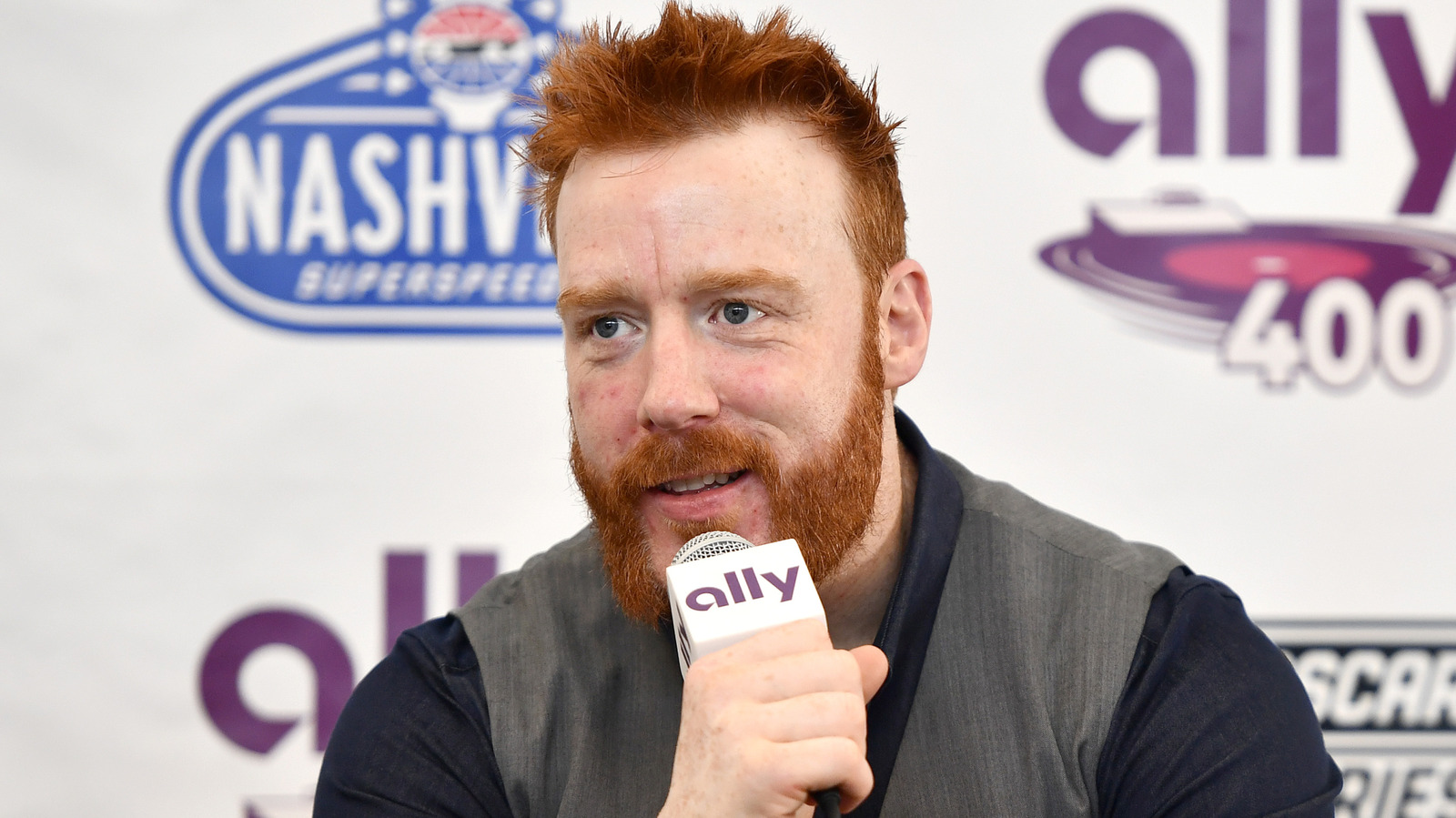
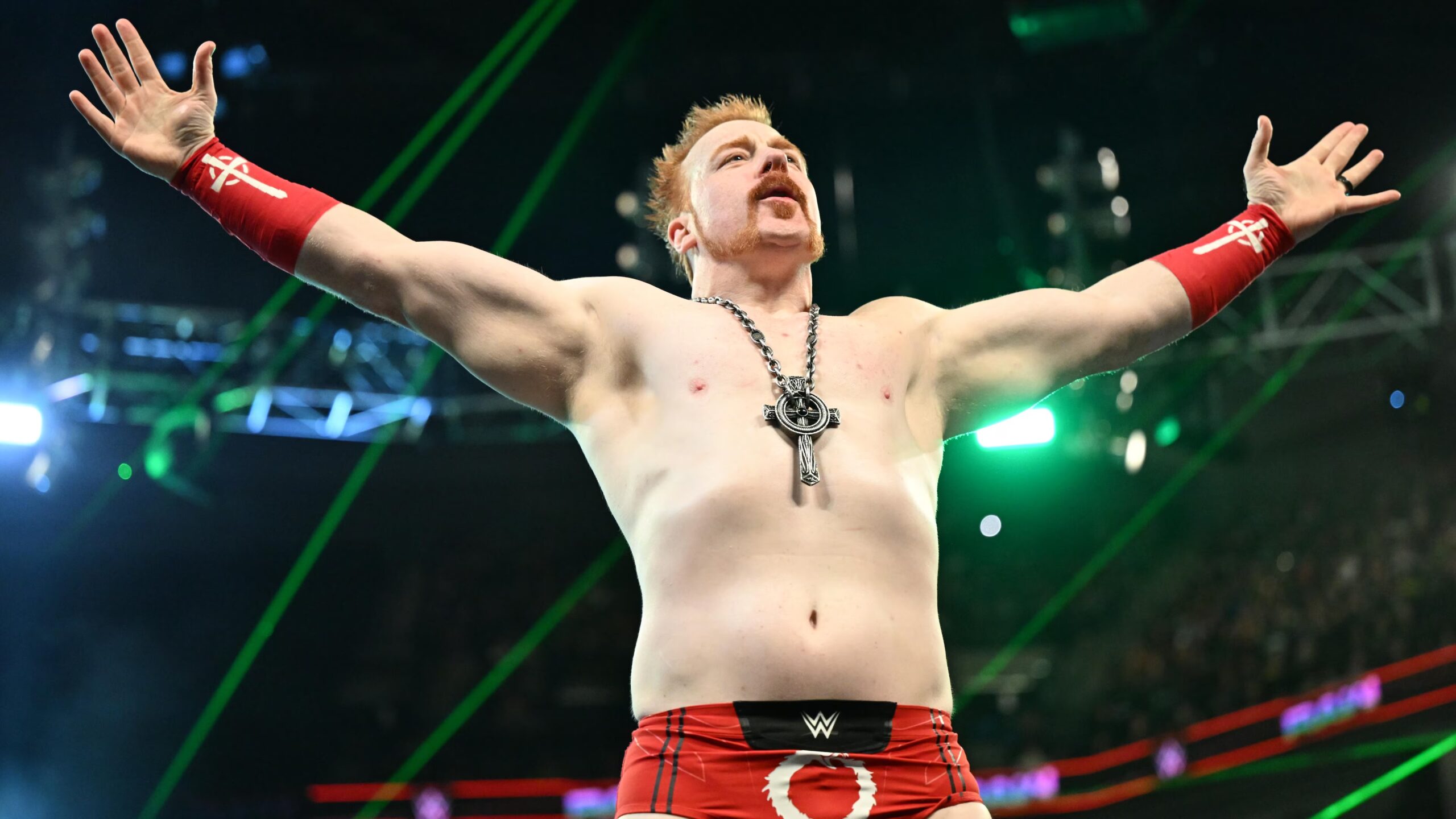
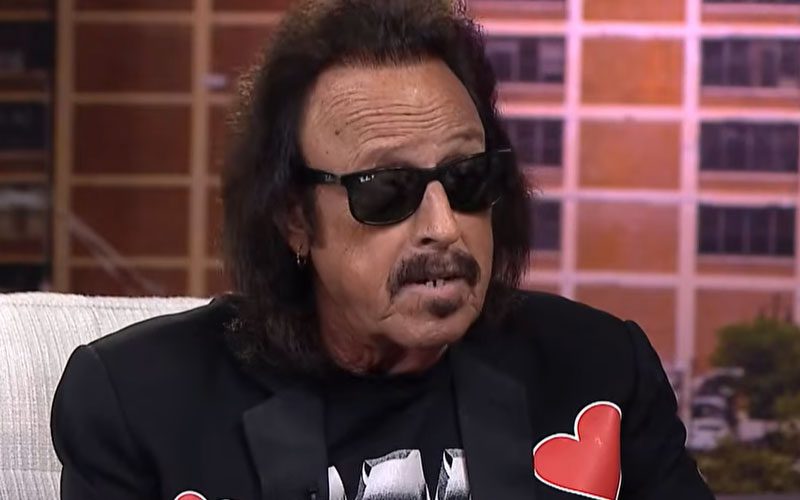
Even in 2026, Jimmy Hart is still booking. The "Mouth of the South," decades removed from his peak as the most gloriously obnoxious presence in professional wrestling, can't help but see the angles. When he watches the modern WWE product, the gears are still turning. Case in point: his recent thoughts on the feud between Sami Zayn and the United States Champion, Trick Williams. Hart’s take wasn't just generic praise; it was a specific, old-school recipe for generating real heat.
His advice for Zayn, as he imagined a heel turn against the popular Williams, was a complete character overhaul. "Dye your hair black, cut your beard different," Hart mused. It's a simple, almost primal, piece of wrestling psychology. Don't just act like a bad guy; become a visually different person. Make the audience feel like the man they used to know is gone. This wasn't a suggestion for a new catchphrase or a slight tweak in attitude. It was a call for a total transformation, a throwback to an era when a wrestler's look was their mission statement.
Occupational Hazard: Taking Real Fire
That kind of advice comes from a man who understands heat not as a concept, but as a tangible, dangerous force. In the territory days, the hatred Hart generated with his megaphone and his motor-mouth wasn't just met with boos; it was met with violence. He recalls a particularly harrowing incident from his time in Memphis, a territory notorious for its rabid fans. During a heated rivalry, a fan took things to a terrifying new level.
As Hart stood at ringside, he felt a sharp sting. He'd been shot. Not with a gun, but with a dart gun, the kind used for tranquilizing animals. A fan, consumed by the on-screen animosity, had decided to take matters into their own hands. Think about that for a second. The performance was so convincing, the character so infuriating, that someone in the audience saw him as a legitimate target. That wasn't a failure; in the bizarre logic of professional wrestling, it was a resounding success. It was proof that the gimmick was working on the deepest possible level.
This wasn't an isolated incident. The stories from that era are legendary—tires slashed, cars attacked, and performers having to fight their way out of arenas. For managers like Hart, whose entire job was to be the most hateable person in the building, the danger was constant. His advice to Zayn comes from that world, a place where creating a detestable character wasn't just for the cameras, it was a matter of survival.
The Confidant Behind the Champion
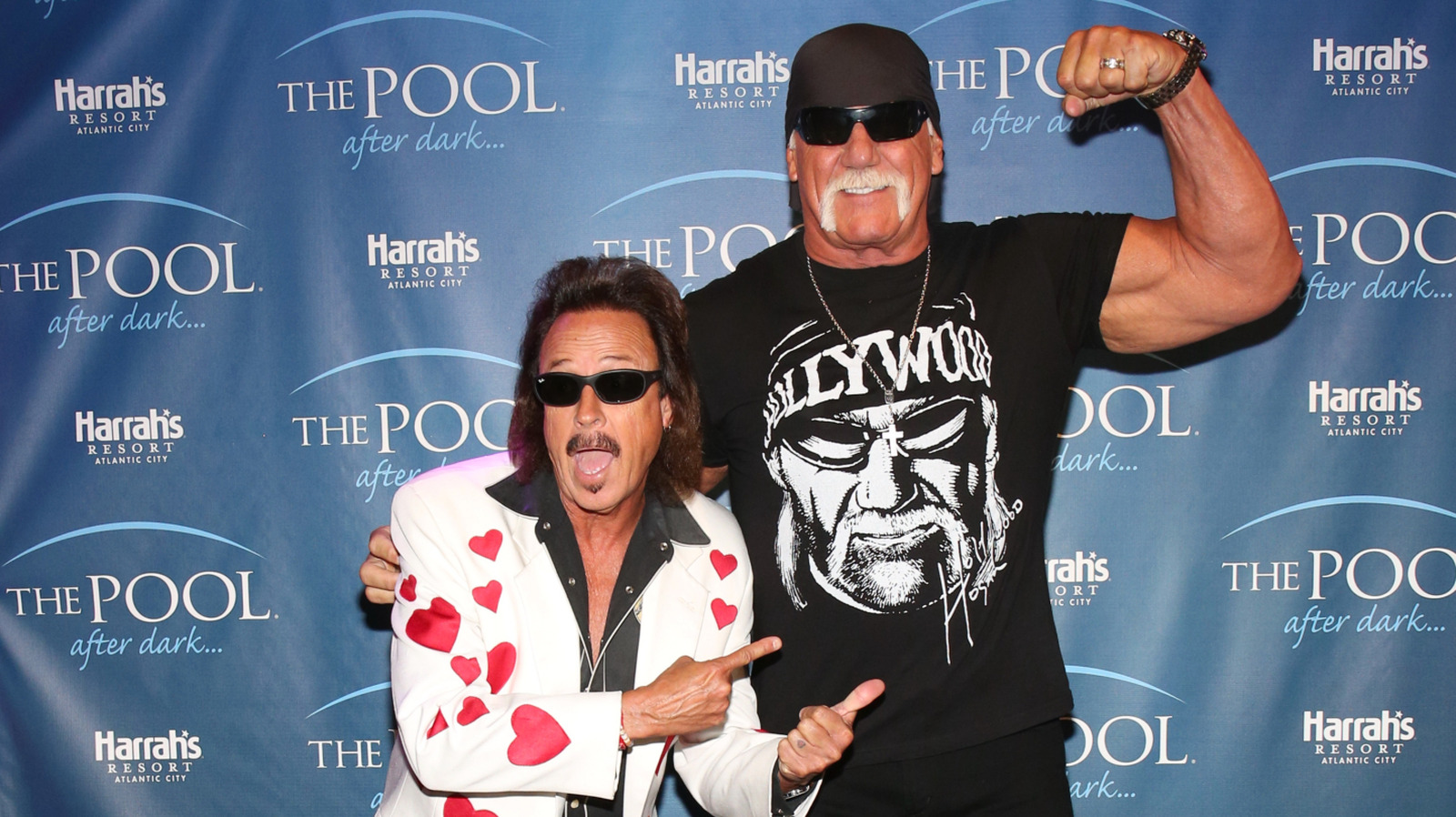
While Hart was a master of generating animosity from the crowd, his greatest legacy might be the loyalty he inspired behind the curtain. No relationship better defines his career than his decades-long alliance with Hulk Hogan. Hart was there for the genesis of Hulkamania, he was there for the controversial jump to WCW, and he was there when Hogan shocked the world by forming the nWo. And, according to Hart, he was there for what might have been Hogan's final WWE moment.
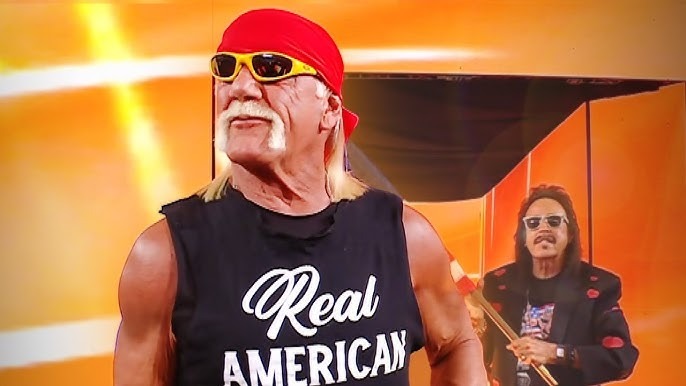
Hart recounted the scene backstage before Hogan’s last appearance for the company. The Hulkster, ever the showman but also aware of his own mythos, turned to his old friend. He asked Hart to watch his entrance, to make sure the iconic mannerisms—the shirt rip, the cupped ear, the posing—were still perfect. He wanted to know if he still looked like *Hulk Hogan*. It's a poignant, humanizing moment for a figure who often seems larger than life. Even the biggest star in the history of the business needed a trusted eye to make sure the magic was still there.
This wasn't about ego; it was about respect for the character and the audience. Hogan knew that when he walked through that curtain, he was carrying the expectations of millions. Hart was more than just a manager in that moment; he was a custodian of the legend. He was the one person Hogan trusted to give him an honest assessment, a role Hart has played for him for over forty years. It speaks volumes that after all the championships, all the money, and all the fame, Hogan still turned to Jimmy Hart to make sure he got it right, one last time.
The Manager's Lasting Blueprint
For all his genius, Hart was a product of an era where a manager could draw as much heat as the wrestler. That era is largely gone. In today's product, where every segment is dissected on social media within seconds, the manager's role has evolved. The cartoonish, interfering villain has been mostly replaced by the more nuanced hype man or the faction mouthpiece. It's a necessary evolution, but something has been lost.
Hart's advice for Sami Zayn feels like a transmission from that lost world. The idea of a complete visual reinvention to signal a character change is a powerful tool, but it’s one rarely used with such totality today. Modern wrestling often prefers a slow burn, a gradual descent into villainy told through promos and subtle actions. Hart’s school of thought is a sledgehammer: make them hate you, and make them do it from the second you walk out of the tunnel. It's a philosophy born from a time when you had to grab the audience's attention in a crowded, noisy arena without the safety net of a social media team to explain the story beats.
That is the enduring legacy of Jimmy Hart. He is a living library of wrestling's most effective tricks. He reminds us that at its core, this business is about making people feel something, whether it's the pure adoration they felt for Hogan or the visceral hatred that made a fan bring a dart gun to a wrestling show. He’s the Mouth of the South, and even now, the stories he tells and the advice he gives form a blueprint for what wrestling was, and what it can still be.