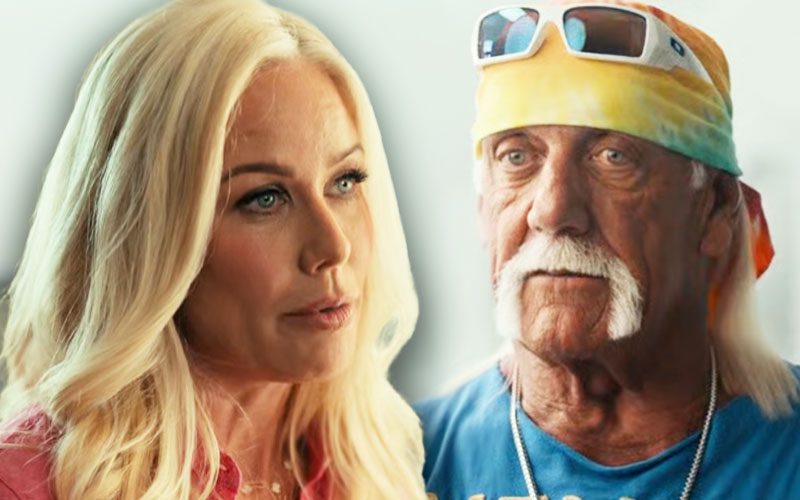
Hulk Hogan's final WWE appearance was always going to end in disaster
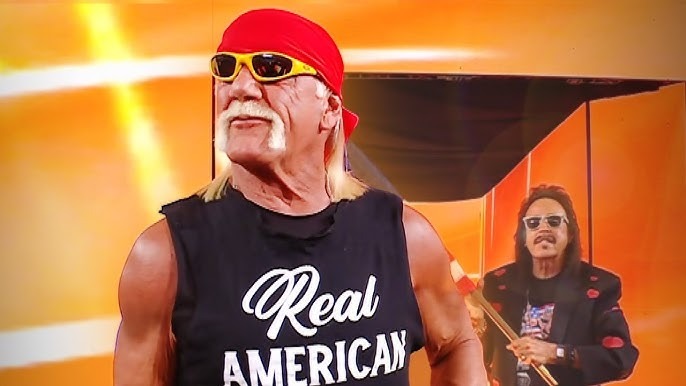
The megaphone goes silent
Jimmy Hart was always the ultimate hype man. For four decades, his entire professional existence revolved around screaming through a megaphone and telling the world that Hulk Hogan was an invincible superhero.
From the neon-soaked days of the 1980s World Wrestling Federation to the chaotic Monday Night Wars in WCW, Hart was the loyal shadow. But behind the curtain at the Intuit Dome on January 6, 2025, the megaphone was silent. Hart was simply a concerned friend trying to stop a train wreck.
We now have the full, uncomfortable context of what happened before Hogan walked out for the historic WWE Raw Netflix debut. According to a recent interview detailed by WrestlingNews.co, Hart begged Hogan to reconsider his wardrobe. Hogan was planning to wear a Trump-Vance shirt for a pre-taped segment in Los Angeles.
It was a deeply controversial choice for a non-political entertainment broadcast. Hart pointed out the glaringly obvious political reality. They were in California.
The crowd was going to be hostile. The building was going to reject the visual before Hogan even spoke a word.
Hogan flatly ignored him. He told his longtime manager his final decision.
"I've made my bed, and I've got to lie in it."
Those defiant words hang heavy over the wrestling industry today. Hogan passed away in July 2025 due to cardiac arrest at the age of 71. That cold January night in Los Angeles now stands as his final on-screen appearance for WWE.
And exactly as Hart predicted, it was an unmitigated public disaster. The Los Angeles crowd turned on him instantly. The boos were deafening, echoing off the pristine walls of the newly built Intuit Dome.
The live Netflix broadcast captured a sustained wall of venom directed at the biggest star in the history of the business. It was an ugly, uncomfortable television moment that completely derailed the celebratory tone of the evening.
Hart confirmed what most astute viewers already suspected that night. Hogan was completely devastated by the reaction. He spent the remainder of the evening hyper-fixated on the television ratings.
He frantically checked his phone to distract himself from the reality of the building. He wanted the deafening roar of Hulkamania one last time. He got a bitter dose of modern reality instead.
A legacy slowly bleeding out
To understand the severity of the Intuit Dome disaster, you have to look at the preceding decade of Hogan's career. WWE spent the better part of ten years trying to figure out what to do with Terry Bollea.
The company aggressively fired him in 2015 after a racist tirade was leaked to the public via the Gawker tape scandal. They scrubbed his name from the website. They removed his merchandise.
They even pulled him from the Hall of Fame section. Then, when they felt the coast was clear, they quietly brought him back.
His return at Crown Jewel on November 2, 2018, was a highly calculated move. WWE knew the international audience in Saudi Arabia would cheer the 1980s nostalgia without questioning the baggage. It was a safe environment to test the waters.
But domestic American crowds operate differently. They have long memories and a low tolerance for forced redemption arcs.
Over the next few years, Hogan's appearances became increasingly strained. He was paraded out at WrestleMania 37 to co-host alongside Titus O'Neil. That pairing felt like transparent, corporate-mandated damage control.
The Tampa crowd booed him then, too. It was an awkward attempt to manufacture forgiveness on a global stage.
There is a fundamental difference between presenting a retired athlete and exploiting a wounded one. The Tampa boos in 2021 should have been the final warning sign. They showed that the fan demographic had permanently shifted.
The children who grew up idolizing him were now adults with access to his real-world controversies. They were no longer buying the vitamins and prayers routine. The superhero cape had been completely stripped away.
Yet, Hogan never adapted his approach. He just kept showing up, expecting 1989 reactions in the 2020s. Compare his twilight years to his contemporaries.
Steve Austin returned at WrestleMania 38 and carefully protected his aura in a brilliant, tightly-choreographed brawl with Kevin Owens. John Cena just wrapped up a masterfully planned farewell run at WrestleMania 41 last month in Las Vegas.
Even Sting went over to AEW and was booked flawlessly by Tony Khan. Sting retired as an undefeated tag team champion because he understood his limitations. Hogan refused to acknowledge his.
Hart's recent revelations paint a remarkably grim picture of Hogan's physical state during these final years. The man was held together by medical tape, sheer willpower, and heavy painkillers.
Hart disclosed that Hogan relied heavily on fentanyl patches just to manage severe chronic pain. He was literally suffering to make these brief, agonizing television appearances.
The failure of WWE management
This is where WWE deserves severe and unrelenting criticism. You cannot claim to protect the health, safety, and legacy of your performers while simultaneously letting a broken, aging man walk into a public relations woodchipper.
The Netflix debut was a massive corporate milestone. WWE signed a colossal television rights deal, and they stacked the deck with legends.
They needed to ensure the streaming giant got a massive return on its investment. They needed week one to be a viral spectacle. They wanted social media engagement above all else.
They threw Hogan out there as bait. Paul Levesque and the current WWE creative regime usually excel at protecting their aging legends.
They hide their physical flaws with smoke and mirrors. They book them strictly to their remaining strengths. They meticulously control the environment to ensure a positive reaction.
Not this time. Management knew exactly what would happen if Hogan walked into a Los Angeles arena wearing his politics on his sleeve. They let him do it anyway.
They traded the last shred of an icon's dignity for a trending topic on X. It was a deeply cynical booking decision.
Television executives often operate with a ruthless detachment from the human element. They see legends as purely transactional assets. You bring them in, hit their music, and harvest the subsequent social media impressions.
But this purely mathematical approach completely ignores the psychological toll on the performer. Hogan was uniquely vulnerable to public rejection. The corporate office exploited that vulnerability for a cheap rating.
A week later, WWE ran a television taping in Texas. Hogan naturally received a much warmer reception from the politically conservative crowd.
If WWE simply wanted to give him a nice moment, they could have easily held his appearance for the Texas show. Instead, they fed him to Los Angeles.
They prioritized the immediate shock value of the Netflix premiere over the well-being of their most recognizable historical asset. Hart noted that the Los Angeles reaction bothered Hogan deeply for the remaining six months of his life.
He never got over it. The man whose entire self-worth was inextricably tied to crowd noise died with the sound of mass rejection ringing in his ears. It is a profoundly sad end to a revolutionary career.
Statues don't talk back
Fast forward to April 2026. WrestleMania 41 takes over Las Vegas. With Hogan having passed away the previous summer, WWE decides to honor him posthumously.
They unveiled a massive bronze statue of him during WrestleMania weekend. Furthermore, they inducted him into the Hall of Fame for an unprecedented third time.
To do this, they created a brand new Immortal Moments category. It was specifically designed to celebrate his iconic slam of André the Giant at WrestleMania III.
The corporate contrast is jarring. WWE is clearly far more comfortable dealing with the bronze version of Hulk Hogan than the real, flesh-and-blood human being.
The bronze statue doesn't age. The statue doesn't make controversial statements. The statue doesn't insist on wearing political t-shirts in blue states.
The statue doesn't require fentanyl patches to stand upright. It is incredibly easy to market a ghost.
It is much harder to manage a flawed, stubborn man who absolutely refuses to let go of the spotlight. The tragedy of Hogan's final years is that he aggressively surrounded himself with yes-men.
He isolated himself from anyone who would challenge his worldview. Jimmy Hart was the lone exception.
And by the time Hart finally spoke up, it was far too late to change course. He told him the harsh truth backstage in Los Angeles, but the damage was already done.
The changing rules of nostalgia
We are currently entering a new era of wrestling fandom. The old tricks simply do not work anymore.
As AEW prepares to run Double or Nothing in just four days, the alternative wrestling market has shifted expectations. They have trained fans to demand a higher level of authenticity from their heroes.
You cannot force-feed nostalgia to a modern audience. The Intuit Dome crowd proved that definitively.
Wrestling fans are notoriously willing to forgive a lot of bad behavior. They forgave Shawn Michaels for his abrasive 1990s attitude.
They forgave Kurt Angle for his erratic final run in TNA. Fans genuinely want to cheer for the stars of their childhood.
But Hogan demanded absolute adoration without ever offering genuine accountability. He expected the fans to separate the art from the artist.
At the same time, he constantly merged the two in his very public, highly politicized appearances. His stubborn refusal to read the room became his ultimate downfall.
Look closely at the numbers. The January 6 Raw drew massive, record-breaking viewership for Netflix.
It was a massive commercial triumph for the corporate office in Stamford. But creatively and emotionally, the Hogan segment was a glaring black eye on the broadcast.
WWE learned a harsh, unforgettable lesson that night. A television producer can control the arena lighting, pump in the entrance music, and dictate the camera angles.
But you absolutely cannot control 18,000 paying customers who have collectively decided they are done with your act. Jimmy Hart knew it.
He saw the disaster coming from a mile away. The man who spent his entire adult life shouting through a customized megaphone finally lowered his voice.
He gave his best friend a quiet, desperate warning. The fact that Hogan ignored it tells you everything you need to know about the tragic final days of Hulkamania.
There was no grand send-off. There was no tearful goodbye in the middle of the ring.
There was just a stubborn man in the wrong shirt. He stood in front of a crowd that had simply moved on.
Read Next
- A fan shot Jimmy Hart with a dart: The medical reality of Memphis wrestling
- John Cena teaming with Eric Andre is his smartest post-WWE move yet
- Why Sami Zayn is the perfect threat to Trick Williams' title reign
- SmackDown ratings tanked and wrestling Twitter is losing its mind
- 🏆 WrestleMania 41 — Full Coverage Hub
Funko Pop! WWE: Roman Reigns with Title (Amazon Exclusive)
Acknowledge him! Add the Tribal Chief to your collection with this Amazon exclus
More Coverage
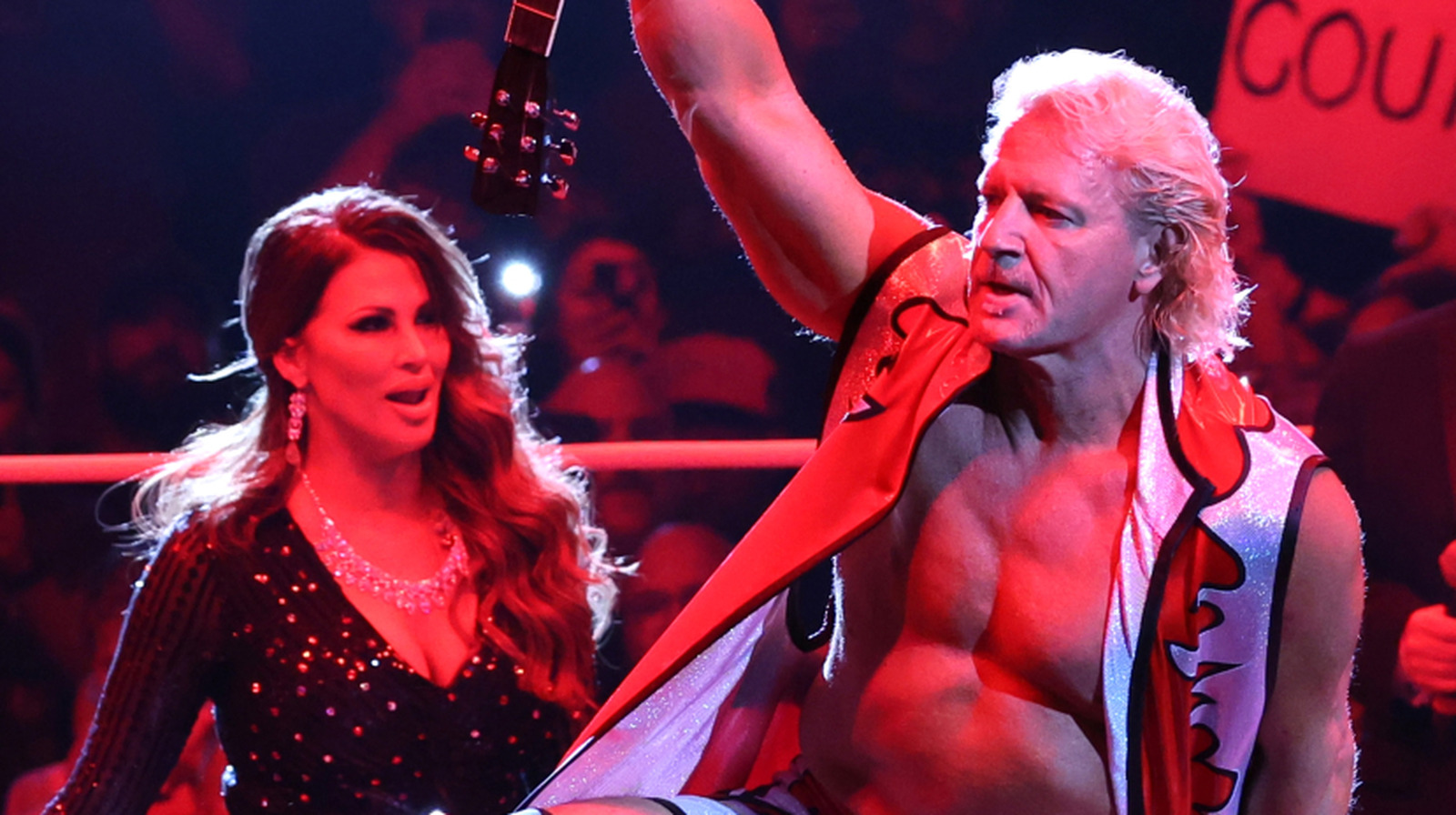
Jeff Jarrett's TNA exit proves legacy is messy business
2 days, 11 hours ago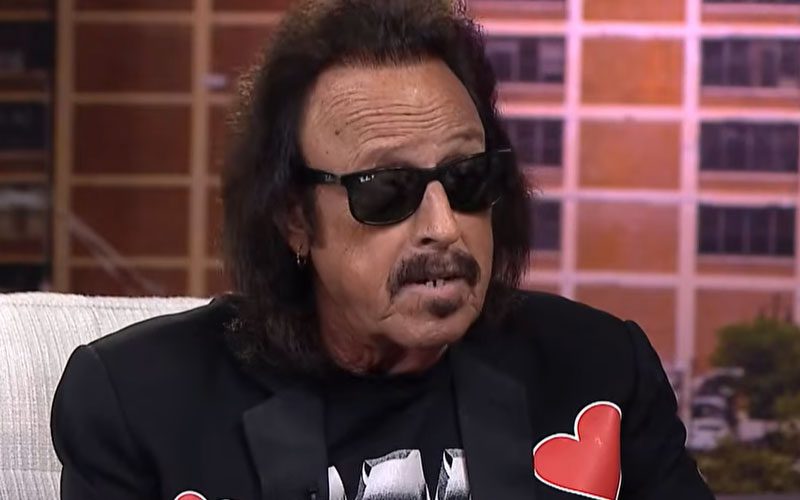
Jimmy Hart is the secret to WWE's talent bridge
6 days, 11 hours ago
The backstage drama surrounding Brutus Beefcake is absolute chaos
6 days, 13 hours ago
Will the Jimmy Hart energy be enough to carry SmackDown next week?
1 week agoWhy Jimmy Hart's Cleveland media tour signals a major SummerSlam reveal
1 week, 1 day ago
Bash at the Beach 1996 haunts the wrestling business forever
1 week, 4 days agoMore Analysis
Hogan’s final curtain call was a self-inflicted glitch in the Matrix
1 month, 4 weeks agoHulk Hogan’s final curtain call deserves better than nostalgia bait
1 month, 4 weeks ago
Netflix's Hogan docuseries is a calculated final act
3 months, 1 week ago
Why Jimmy Hart just confirmed the quiet end of Hulk Hogan's WWE run
1 month, 4 weeks ago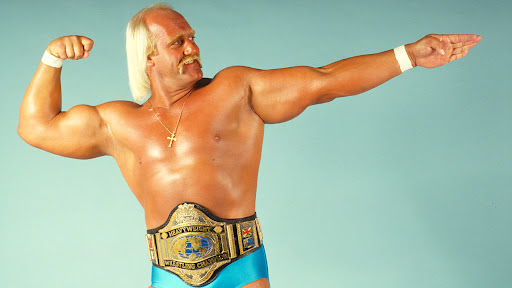
Hulk Hogan's retirement from public life confirmed in new Netflix docuseries
3 months, 1 week ago