The Administrative Ghost
For 2,518 days, Paul Levesque existed in a strange administrative purgatory.
According to a new report from WrestleTalk, WWE has finally removed the Chief Content Officer from its internal active talent list. He announced his retirement over four years ago in March 2022 following a severe cardiac event. His actual final match happened much earlier—a June 2019 live event in Tokyo where he teamed with Shinsuke Nakamura.
But corporate databases are notoriously stubborn. For over six years, the man who now dictates every major creative direction in WWE was technically listed as an available worker. Now, that clerical error has been rectified. The ledger is officially closed.
Looking back at that ledger reveals a mathematical reality that directly contradicts the accepted narrative of his career.
The WrestleMania Ledger
Wrestling history is written by the loudest voices. For the better part of two decades, those voices insisted Levesque used his backstage political power to monopolise the spotlight and protect his win-loss record. The perception was that he buried rising stars to artificially inflate his own numbers.
When you strip away the emotion and look strictly at the data, a different picture emerges. This wasn’t a wrestler who refused to look at the lights. This was a structural pillar who functioned as the company's designated loser on its biggest stages.
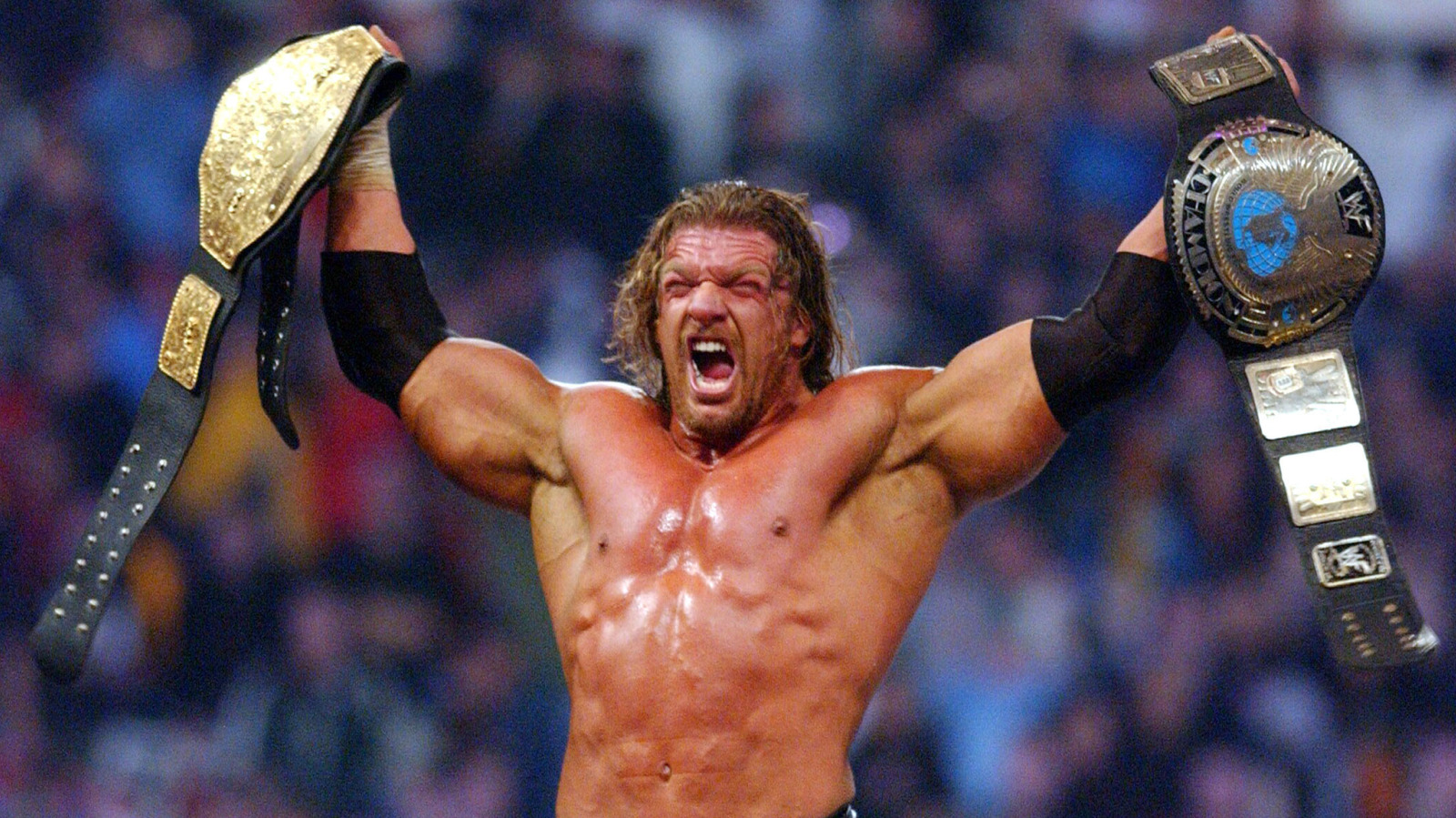
Triple H competed at 23 WrestleManias, a number surpassed only by The Undertaker's 27. When you log that much time at the marquee event, you naturally pick up marquee wins. He retained a world title in the main event of WrestleMania 2000. He beat Sting in an overbooked nostalgia trip at WrestleMania 31.
But the defining statistic of Levesque’s WrestleMania career isn’t his victory count. It’s his defeat count.
He holds the all-time WWE record for WrestleMania losses with 13.
No one else in the history of the company has walked down that long ramp and stared at the stadium lights more often. His win percentage at WrestleMania sits at an abysmal 43.4 percent. For a man supposedly obsessed with his own aura, he was remarkably willing to be the stepping stone when the highest number of eyeballs were watching.
Look at the breakdown of those defeats. He tapped out cleanly in the middle of the ring to Chris Benoit at WrestleMania 20. He submitted to John Cena at WrestleMania 22. He tapped to The Undertaker at WrestleMania 27. He took clean pinfalls against Batista, Seth Rollins, Roman Reigns, and Daniel Bryan.
If you isolate his run from 2004 to his final WrestleMania in 2019, the math gets harsher. In that 15-year window, he won six matches and lost nine. He was positioned as the ultimate final boss, the corporate tyrant holding all the cards. He fundamentally understood the mechanics of the narrative. The final boss exists solely to be beaten by the hero.
The Problematic Reign of Terror
This isn't to say his critics were entirely wrong. The numbers validate the complaints when you look at the infamous "Reign of Terror" from late 2002 through early 2005.
During this stretch on Monday Night Raw, Levesque held the World Heavyweight Championship five separate times. He hoarded the big gold belt for a combined 616 days during this era. And it is here that his win rates became genuinely problematic for the overall health of the roster.
In 2003, his televised singles win percentage spiked to 71.4 percent. That is a perfectly normal, even slightly low, number for a top babyface like Steve Austin. But for a cowardly, cheating heel champion who relied on the Evolution stable to fight his battles, it was wildly disproportionate. Heels are supposed to steal victories, not dominate the win column.
He beat Booker T at WrestleMania 19, a booking decision that looks worse with every passing year. He halted the momentum of Rob Van Dam. He suffocated Scott Steiner. The data from 2003 shows a distinct bottleneck at the top of the card.
Main event television segments featuring Levesque consumed nearly 28 percent of Raw's total broadcast time over a twelve-month period. He wasn't just dominating the title picture. He was monopolising the television oxygen.
The domestic TV ratings stagnated, dropping from an average of 4.0 in 2002 down to 3.5 by the end of 2004. The audience was exhausted by the repetitive nature of his title defenses.
A Quaint Championship Record
Consider his 14 World Championships. In the modern era, where Roman Reigns held a single title for 1,316 consecutive days, Levesque's numbers seem almost quaint. Despite winning the top prize 14 times, his combined days as champion only amount to 1,223.
That means his average world title reign lasted just 87 days.
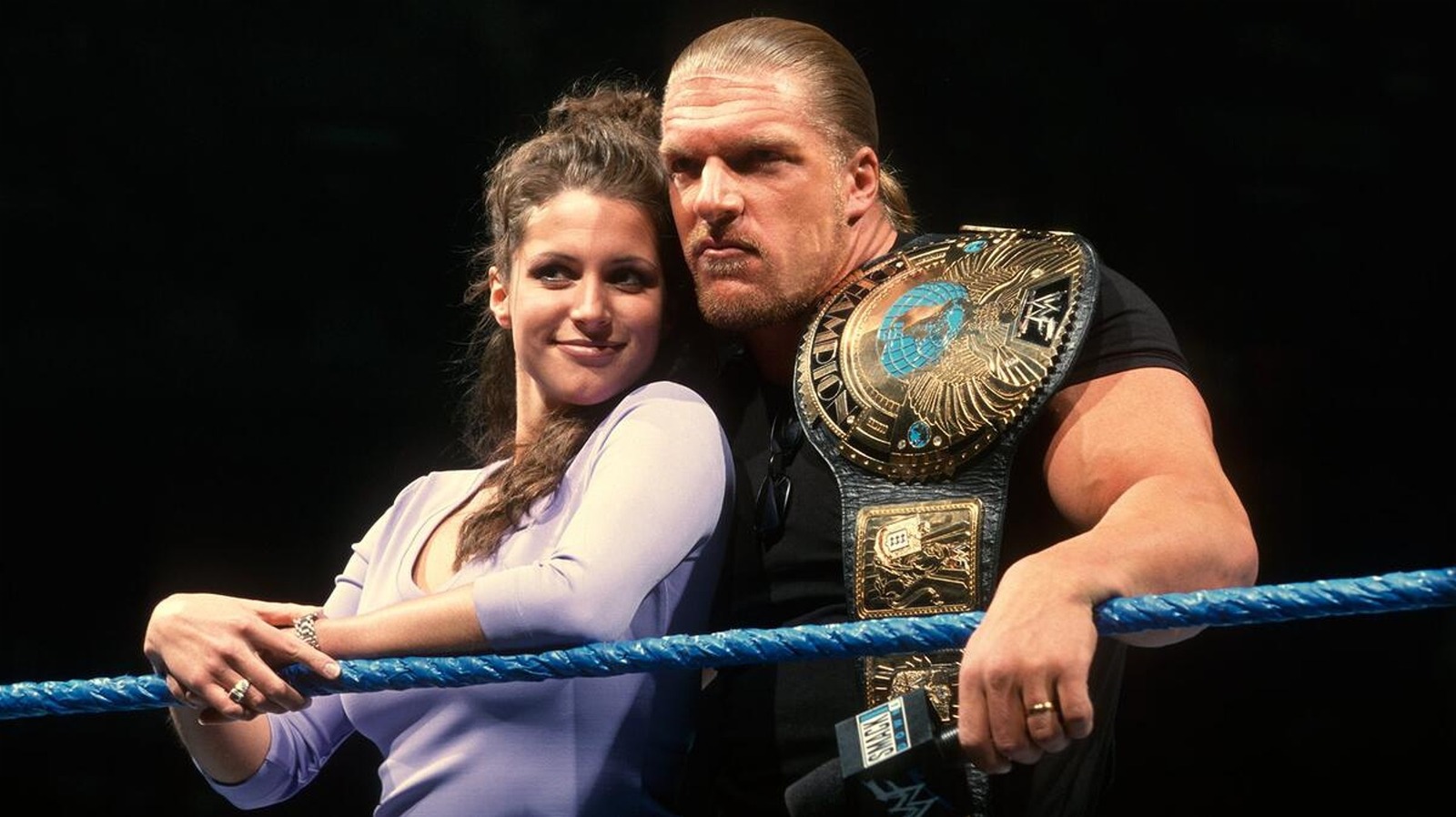
He was a transitional champion dressed in the clothes of a dynasty. He won the belt frequently because he dropped it frequently. He traded the WWF Championship with The Rock throughout 2000. He lost the Undisputed Championship to Hulk Hogan just a month after winning it at WrestleMania 18. Even during his dominant heel run, he routinely dropped the gold to Shawn Michaels, Chris Benoit, and Batista.
This rapid turnover rate is the starkest difference between the era he wrestled in and the era he currently books. As Chief Content Officer, Levesque has prioritised historic, multi-year title reigns for stars like Gunther and Cody Rhodes. He books champions to be incredibly difficult to dethrone. As a performer, his own title runs were characterised by constant disruption.
The Sharp Statistical Decline
The true measure of his career volume requires zooming out. Cagematch data logs Levesque at exactly 1,973 documented matches. That doesn't account for unrecorded dark matches or untelevised house shows from 1995. The real number comfortably exceeds two thousand.
Between 1999 and 2001, he was wrestling over 120 matches a year. He was taking flat back bumps through announce tables on Sunday, wrestling a twenty-minute main event on Monday, and working through a torn quad in front of a live crowd. It was a brutal schedule that chewed up his contemporaries.
His transition out of the ring was sharp. In 2010, Levesque wrestled 39 matches. In 2011, that number plummeted to just two.
From 2011 to his final match in 2019, he wrestled a total of 46 times. Over an eight-year period, he averaged fewer than six matches a year. He became a pure special attraction, dusting off his boots exclusively for stadium shows.
This drastic reduction coincided directly with his ascension in the corporate hierarchy. You cannot physically prepare for a 30-minute Hell in a Cell match while running talent relations.
Speaking of the Cell, that is where Levesque's numbers shine brightest. He wrestled in nine Hell in a Cell matches, winning six of them for a 66.6 percent win rate. In WWE's most dangerous stipulation, he was the statistical favorite.
The Final Ledger
There is a counterintuitive beauty to Levesque's final tally.
He held 14 recognised World Championships. He won two Royal Rumbles. He is a Grand Slam Champion. By every metric of success, he is one of the ten most decorated performers in the history of the industry.
And yet, his legacy is defined just as much by the matches he lost.
When the internal active talent list was updated this week, wiping his name from the system, it closed the book on a uniquely contradictory career. He was the selfish champion who put over a generation of stars. He was the corporate suit who bled buckets in steel cages.
Levesque didn't use his power to win every match. He used his power to ensure that when he did lose, it mattered more than anything else on the card.
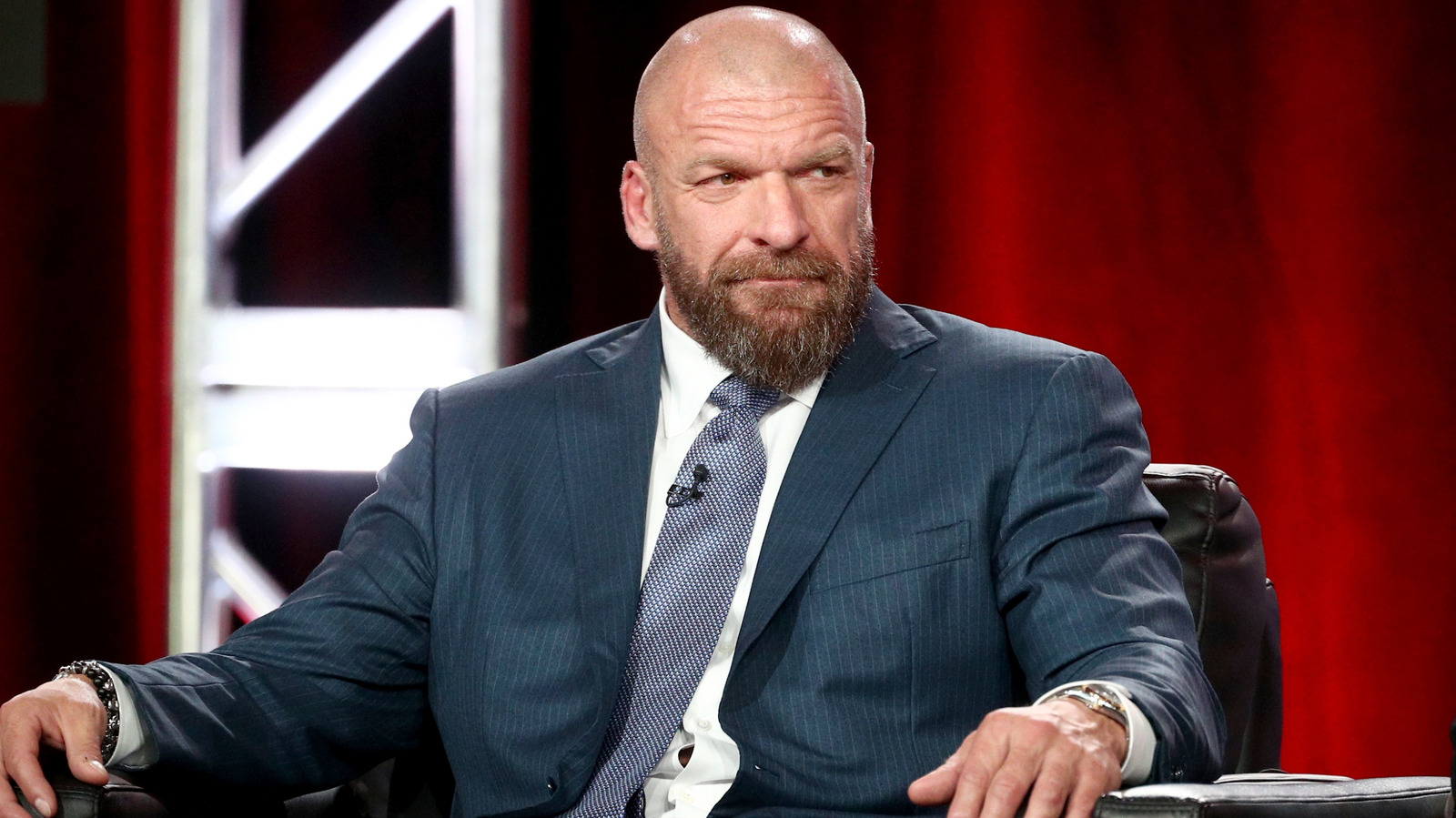
Now, he sits in the Gorilla Position, watching a new generation try to replicate his numbers. He is finally, officially, just the boss. The wait is over. The active roster has moved on.