The Mouth of the South keeps singing the same old tune
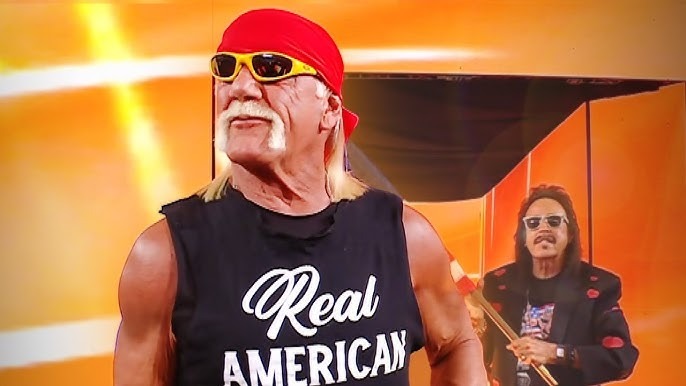
Jimmy Hart has been the hype man for every ego-driven golden age titan since the early eighties. He was there for the megaphone-wielding chaos in the AWA and he was there for the red and yellow mania of the mid-eighties. Now, decades later, he is still out here telling us what happened behind the curtain during Hulk Hogan’s final WWE appearance.
We have all heard the stories. You know the drill by now: the self-importance, the lingering shadow of the 1980s, the desperate grab at a relevancy that drifted away somewhere around the time Y2K fears were peaking. Hart claims the mood was heavy, brimming with the kind of gravitas you would expect if the Berlin Wall were being rebuilt in the middle of the Titan Towers parking lot.
Let’s call a spade a spade. This feels less like a heartfelt goodbye and more like an attempt to keep the aura of the Hulkster alive in a world that has moved on to the technical high-speed work-rate of Triple H’s current creative vision. If you look at the raw data, Hogan’s last walk-through, exit, or cameo—whatever we are calling these scheduled departures—functions exactly like a patch update for a game nobody is playing anymore.
Nostalgia is a hell of a drug until you sober up
The wrestling community acts like these backstage insights are holy scripture. Look at the discourse surrounding the recent industry shifts and you will see fans clamoring for these little golden nuggets of information. They treat a conversation about an entrance cue like it is the Zapruder film of professional wrestling. But really, what do we gain from knowing exactly what Hogan said before walking through the Gorilla Position for the final time?
It doesn’t change the fact that the match quality plummeted years ago. It doesn't erase the bizarre, stilted promos that feel like they were written by a machine learning script fed nothing but 80s Saturday morning cartoons. We are obsessing over the logistics of a ghost ship while the current roster is putting on barn-burners that deserve our actual attention.
I remember watching the way the crowd reacted during his final run-ins. It was polite applause, sure, but it lacked the seismic floor-shaking intensity of the mid-nineties. It reminded me of those late-career tours where a rock icon plays their hits in a half-empty arena, surrounded by backing tracks and aging roadies trying to keep the stage lights from flickering out.
The booking of the past is cannibalizing the future
We are currently five days away from AEW Double or Nothing 2026, and the chatter is all about who is actually going to carry the torch. Yet, here we are, still dissecting the specific dialogue of a man who last wore the championship belt when some of these current performers were still in diapers. The industry has a fixation problem.
Jimmy Hart is a legend, the greatest manager the business ever saw, but he is fundamentally a part of that old-school carny machine that refuses to stop spinning. When he talks about the backstage tension, he is trying to imbue a mundane walk-out with the weight of history. The reality is that change is inevitable, even if the old guard clings to the barricade like their life depends on it.
Think about the transition periods we have actually survived. We moved past the territorial era, we survived the cartoonish excesses of the early nineties, and we even emerged from the fever dream of the late-2000s crossover nonsense. Every time, people complained that the magic was leaving. And every time, the business found a way to reinvent itself.
The issue isn't the backstage conversation. The issue is the lens through which we view these icons. We look for profound meaning in every move, every word, and every glance toward the hard camera. We want it to mean something because if it doesn't mean something, then we wasted our childhoods cheering for a scripted performance art defined by body oil and poorly timed leg drops.
Maybe the conversation before the final curtain wasn't a profound meditation on the legacy of wrestling. Maybe it was just two guys checking their watches because they had a flight to catch. Occasionally, the most honest look behind the curtain isn't a deep dive into the philosophy of performance. It is just the realization that the show eventually stops, the lights fade to black, and the next match needs to start on time. It is time we start caring more about that next match than the one that happened years ago.