Booker T drops a bombshell on the Rousey-Carano fight
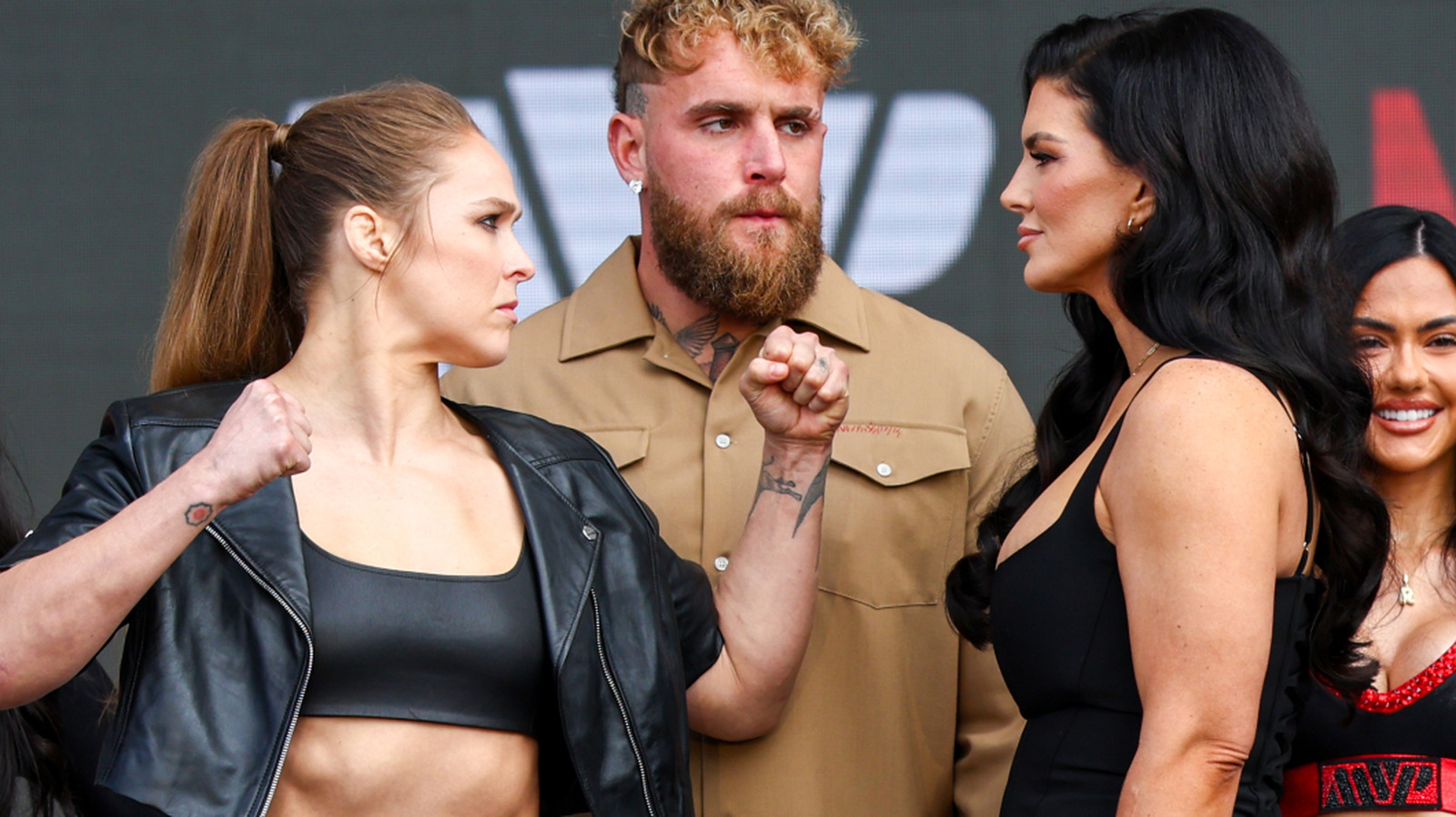
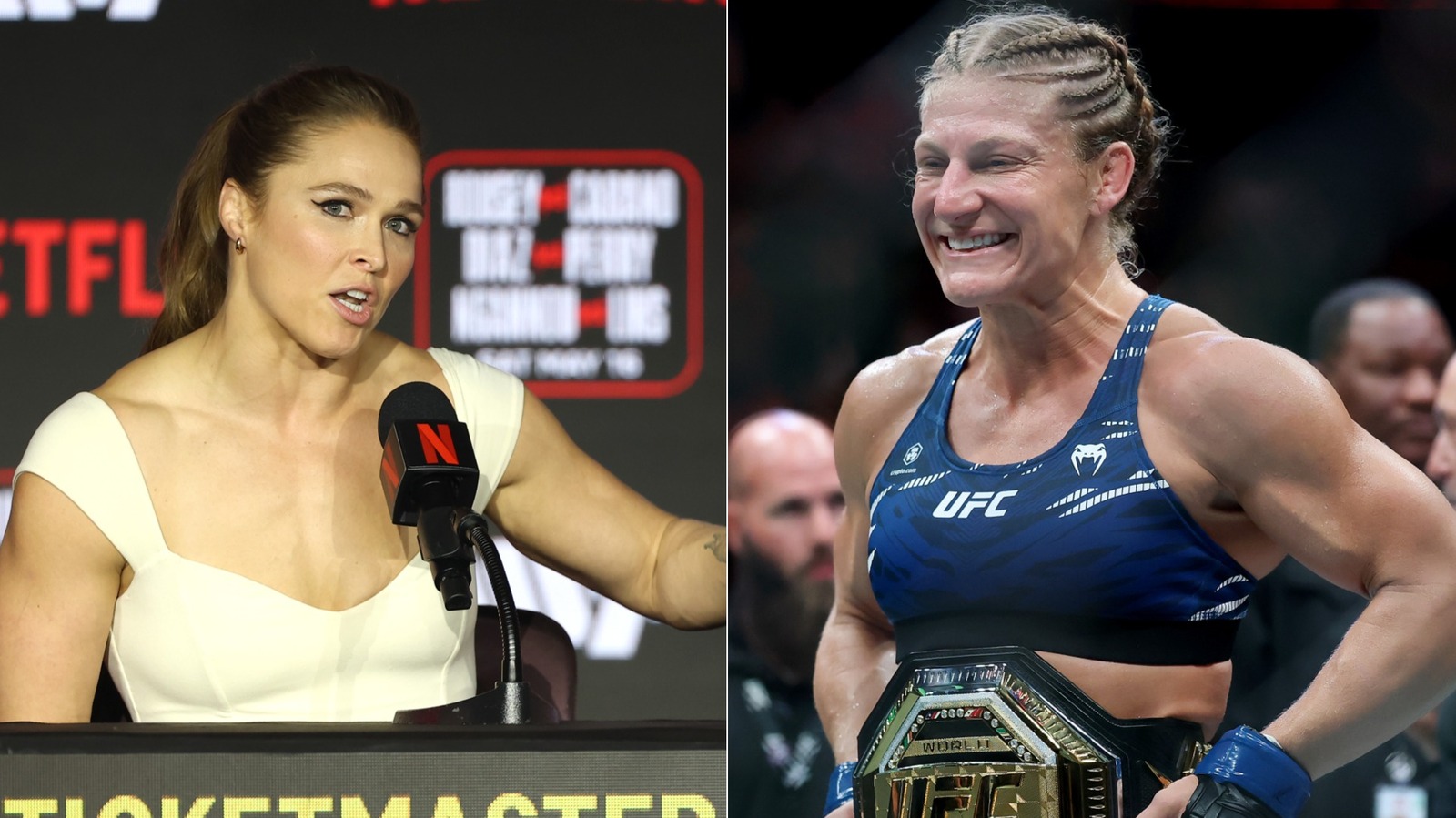
The line between mixed martial arts and professional wrestling just collapsed. Two-time WWE Hall of Famer Booker T isn't buying what Ronda Rousey and Gina Carano are selling.
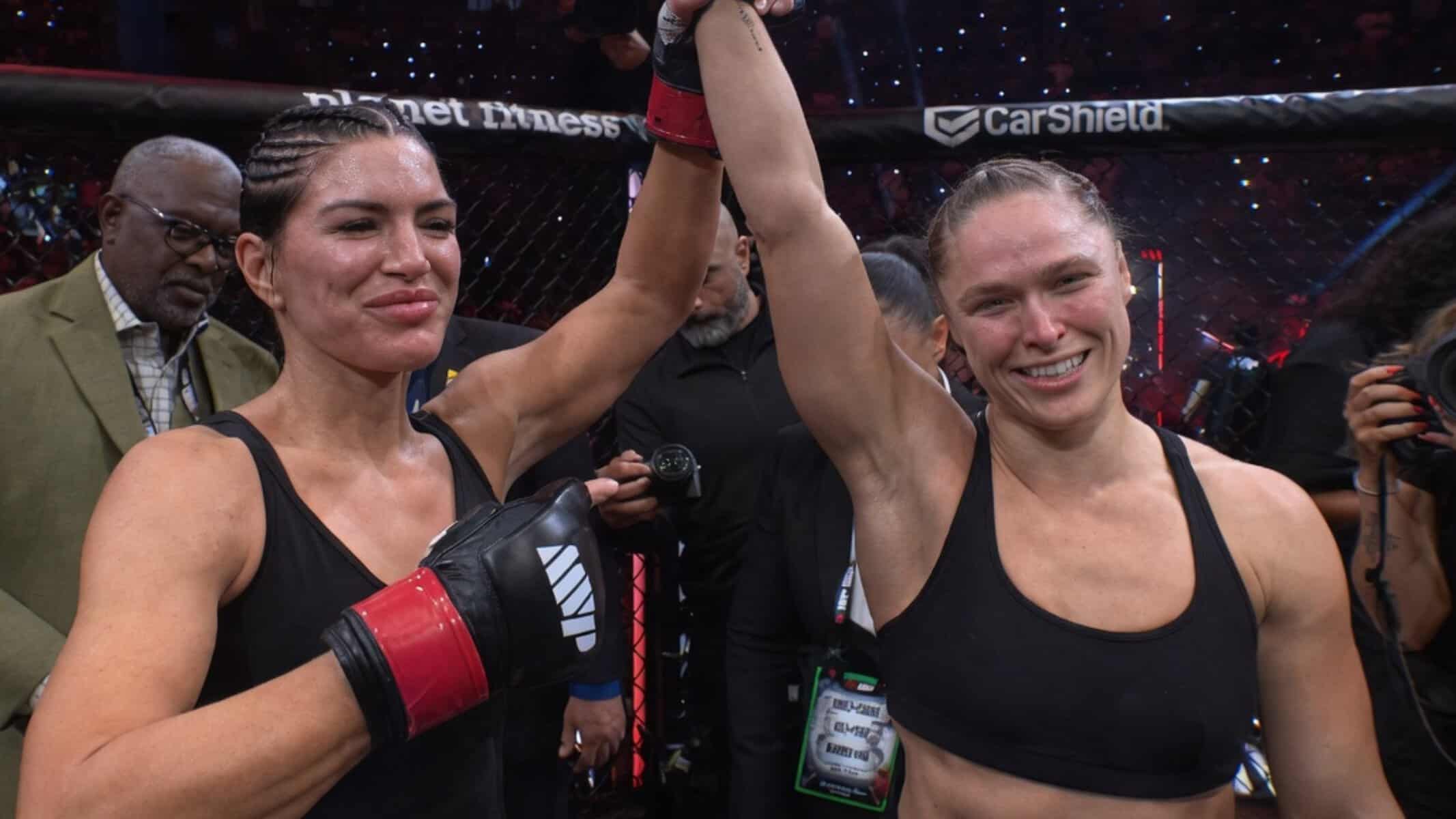
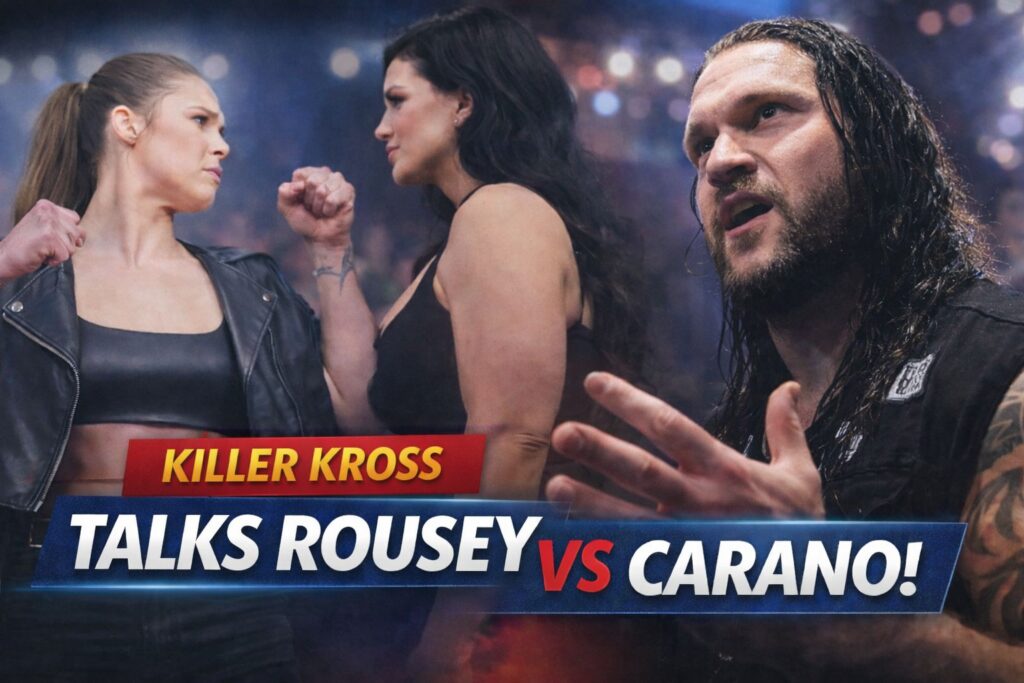
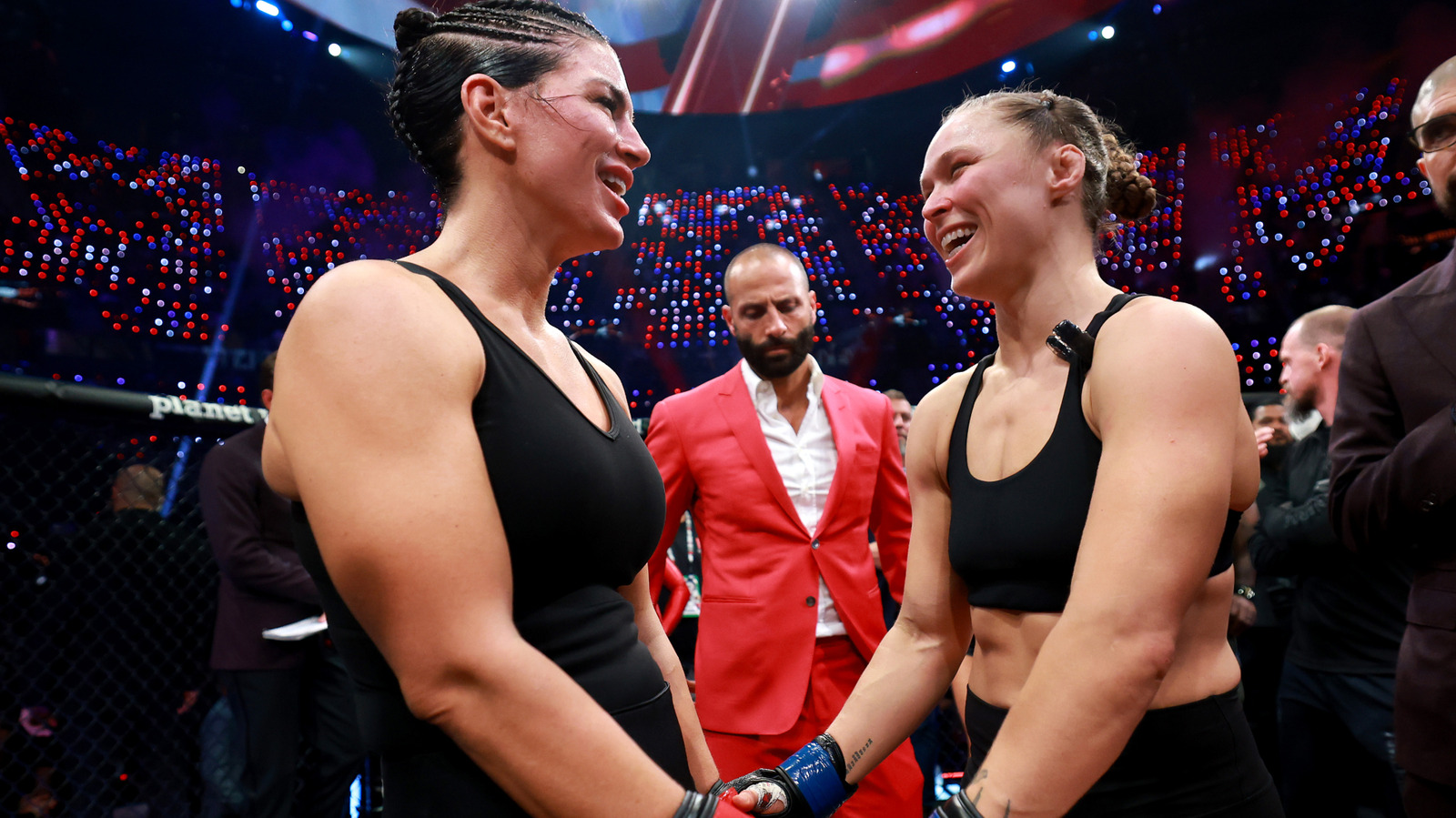
Speaking on his platform, Booker T heavily criticized the recent MMA fight between the two combat sports pioneers, calling the spectacle a worked shoot—a staged bout designed to look like a legitimate contest.
Those are heavy accusations in the fight game. A worked shoot implies both fighters agreed to a predetermined outcome while maintaining the illusion of an unscripted fight. For two women who helped build modern women's MMA, it's a massive claim.
Booker T wasn't subtle. He made it clear he views the clash as an orchestrated performance rather than a true athletic competition.
The historical mechanics of a staged bout
To understand Booker T's criticism, you have to look at the history of combat sports in Japan. Pro wrestling organizations like UWFi and Pancrase in the 1990s were built on worked shoots. Legends like Minoru Suzuki cut their teeth in bouts where the strikes were real but the finishes were negotiated.
You blur the lines of reality to sell tickets. But in modern North American MMA, a staged fight destroys credibility.
Rousey and Carano both have deep ties to sports entertainment. Rousey headlined WrestleMania. Carano transitioned to Hollywood action movies. Both know how to work a camera. Both know how to pull a strike.
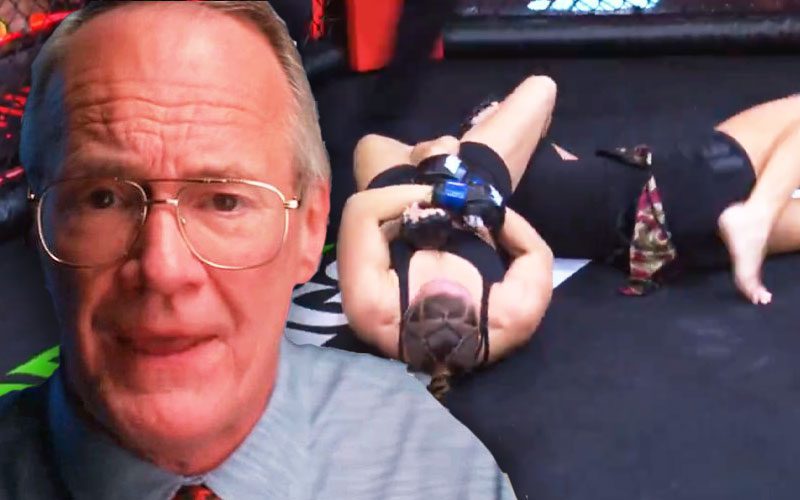
If you watch the footage with the WWE legend's comments in mind, certain movements stand out. The grappling exchanges lacked the frantic, desperate energy of a real shoot fight. The transitions looked a little too smooth.
The ground-and-pound seemed measured, designed to look impactful without causing structural damage.
As a medical observer, there's a distinct difference in the kinetic chain when a fighter throws a punch to knock someone out versus throwing a punch to create a visual impact. Real strikes transfer energy through the target. Staged strikes snap back at the point of contact to protect the opponent.
Booker T recognizes that difference. He spent three decades throwing worked strikes. He knows what a pulled punch looks like.
The physical reality of staged violence
Even if Booker T is right and the bout was a work, the physical toll cannot be ignored. Taking bumps, even controlled ones, damages the body.
Rousey's knees have been a mess for years, dating back to her Olympic judo days. She has undergone multiple reconstructive surgeries. Carano has been out of high-level combat sports competition since her brutal loss to Cris Cyborg in 2009. Attempting to simulate a high-paced MMA fight requires immense physical exertion.
The biomechanics of pulling strikes require immense eccentric muscle control. You are essentially throwing a maximum-velocity punch and activating the antagonist muscles at the last millisecond to stop the impact. Doing this repeatedly over a 15-minute bout destroys the shoulders and elbows. It creates severe tendinitis and micro-tears in the joint capsules. Ironically, trying not to hurt your opponent often results in injuring yourself.
A worked shoot often leads to legitimate injuries. When fighters try to make a fake fight look real, they hit harder than intended. They torque submissions just a little too far. Miscommunication in a cage leads to broken bones and torn ligaments.
The criticism here isn't just about the integrity of the sport. It's about the unnecessary risk. If you want to do pro wrestling, do pro wrestling in a ring.
Putting on four-ounce gloves and pretending to shoot in a cage is dangerous. It invites catastrophic injury without the regulatory oversight of a true athletic commission.
Booker T's frustration likely stems from this exact issue. He respects the business of pro wrestling. He respects the sport of MMA. Mixing them haphazardly disrespects both.
Conor McGregor and the Max Holloway situation
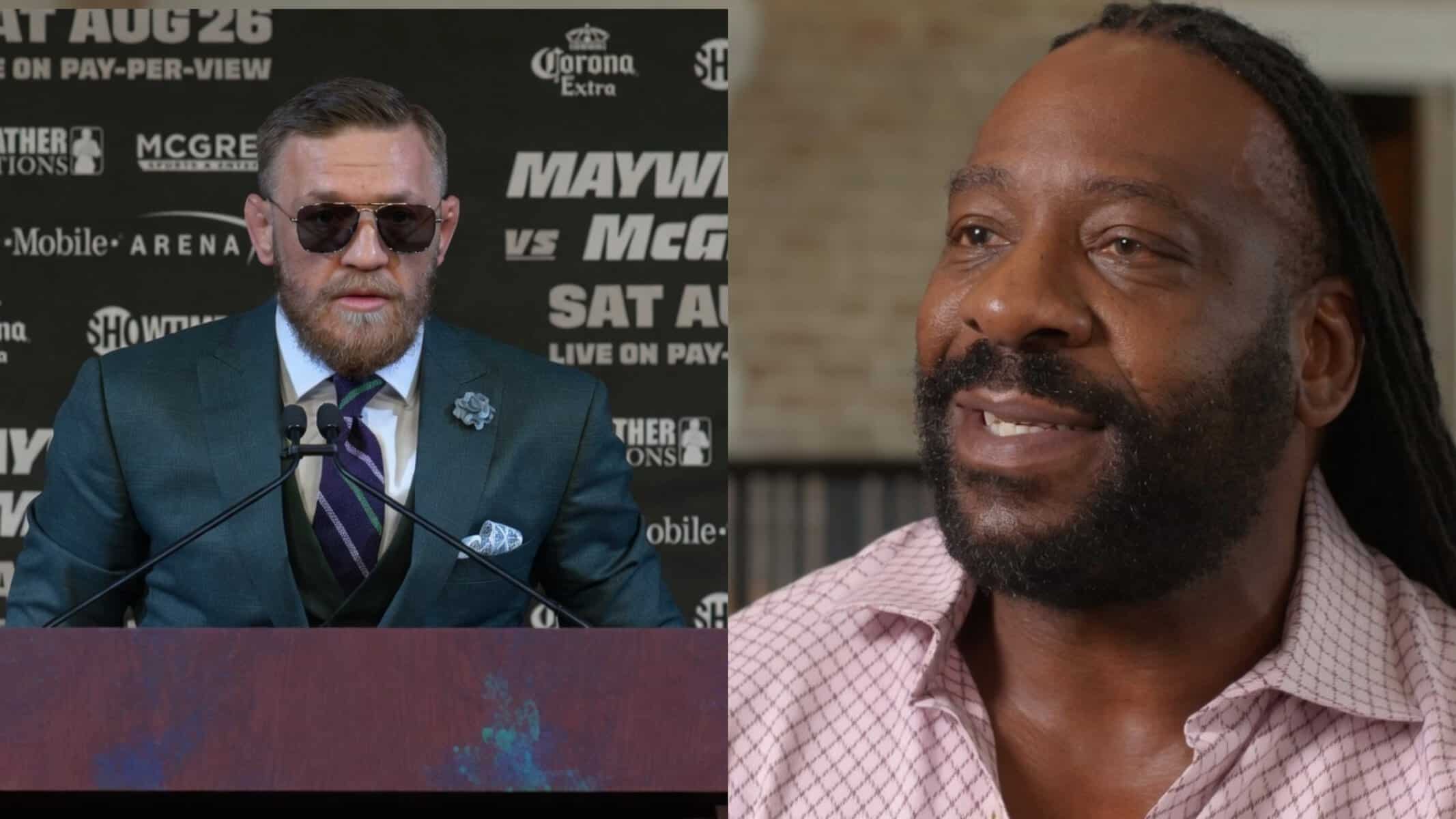
The Rousey-Carano controversy wasn't the only issue on Booker T's radar. He also took aim at Conor McGregor, specifically regarding the looming Max Holloway fight.
According to Booker T, McGregor cannot afford to bail on this matchup. The implications are too severe.
McGregor has a history of fighting injuries and pulling out of bouts late in the game. We saw it recently when a broken toe derailed his highly anticipated return against Michael Chandler.
But Holloway is different. Bailing on Holloway isn't just a logistical nightmare for promoters. It's a legacy-killer.
From a medical and fitness perspective, McGregor's constant battle to get fight-ready is alarming. He is still dealing with the long-term biomechanical fallout of the catastrophic tibia and fibula fracture he suffered against Dustin Poirier.
A titanium rod in the lower leg alters your gait. It changes how you plant your feet to generate power. More importantly, it creates a massive mental hurdle. Trusting a surgically repaired limb inside an Octagon against an elite striker takes years of psychological conditioning.
A broken toe is a severe issue for a fighter who relies on a wide stance and explosive lateral movement. But the mental toll of a grueling camp, knowing your body isn't responding the way it used to, is even heavier.
Why bailing on Holloway is not an option
Furthermore, the recovery arc for an athlete in their mid-thirties is vastly different than a fighter in their twenties. Human growth hormone levels plummet. Cellular regeneration slows down. What used to be a two-week training camp knock becomes a six-week nagging injury. McGregor cannot train through the pain the way he did a decade ago. If his body is breaking down, the temptation to bail on the Holloway fight will be overwhelming.
Booker T's warning is clear. If McGregor finds an excuse to pull out—whether it's a lingering physical issue or a sudden training camp injury—the fight world will not forgive him.
We've seen this play out before in combat sports. A high-profile fighter signs a contract, realizes during camp that they are outmatched or physically compromised, and looks for an exit strategy.
Sometimes, it's a legitimate, documented injury. A torn ACL. A detached retina. But other times, it's a phantom injury. A tweaked back that magically heals two weeks after the event. A bad weight cut blamed on a sudden illness.
Booker T is calling out the behavior before it happens. He's pre-emptively shutting down the excuses.
Holloway represents the worst possible matchup for an aging, potentially compromised McGregor. Holloway threw down one of the most violent knockouts in history against Justin Gaethje. He weaponizes cardio. He drowns opponents in the later rounds.
If McGregor goes into that fight with less than optimal conditioning, or nursing a secret injury, he won't just lose. He will take life-altering damage. The volume of strikes Holloway lands can permanently alter a fighter's punch resistance and cognitive health.
McGregor knows this. His team knows this. Booker T certainly knows this.
The strategic fallout for fight promoters
The combat sports industry is shifting wildly. We have legends engaging in worked shoots and superstars potentially looking for the exit door.
The Rousey-Carano situation sets a dangerous precedent. If fans begin to suspect that high-profile MMA bouts are staged, the entire sport's credibility collapses. Boxing has fought corruption rumors for a century. MMA cannot afford to go down that path.
Meanwhile, the McGregor-Holloway situation highlights the fragility of relying on aging megastars. Promoters build massive cards around fighters whose bodies are failing them. When the inevitable injury occurs—or when a fighter simply loses their nerve—the entire house of cards falls.
Booker T is acting as the voice of reason. He's demanding authenticity from Rousey and Carano. He's demanding accountability from McGregor.
As a medical reporter covering this industry, the through-line is clear. The human body has limits. Rousey and Carano tried to bypass those limits with a staged performance. McGregor might be hitting his limits right now in camp.
The fight business is brutal. You can't fake it forever, and you can't outrun time. Booker T just said the quiet part out loud, and the industry needs to listen.