The Anatomy of a Ringside Attack
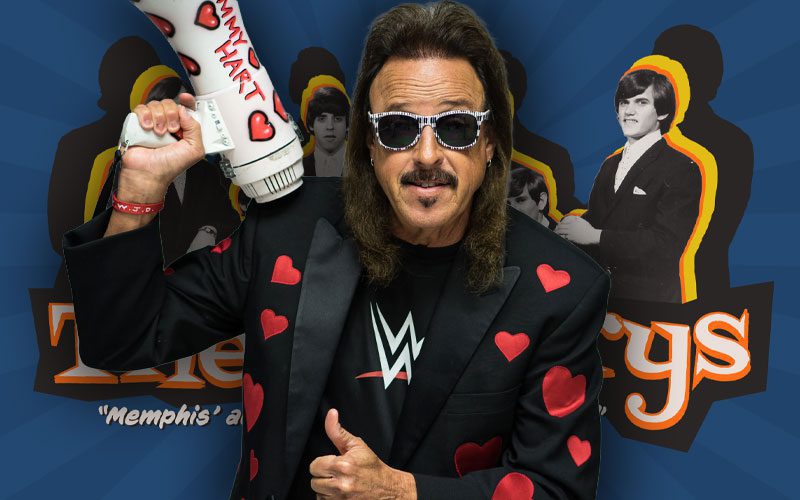
Jimmy Hart is making headlines today for recounting a story that sounds completely fabricated but was just a standard Tuesday night in Memphis. A fan shot him with a homemade dart gun at ringside. This is not a story about a torn ACL or a botched moonsault. This is a targeted projectile attack on a performer actively working a match.
Hart recently brought up the incident, serving as a jarring reminder of how the industry used to operate. We spend a lot of time analyzing CTE, neck fusions, and joint degradation in professional wrestling. We rarely discuss the medical implications of crowd-inflicted puncture wounds.
Let us break down the physical trauma of being hit by a homemade dart in a wrestling arena. The immediate threat is not massive hemorrhage. Unless the projectile hits the carotid artery or a major vein in the neck, the performer is not going to bleed out. The primary medical crisis is deep-tissue infection.
The Pathology of a Puncture Wound
A homemade dart is inherently unsanitary. When a metallic object pierces the epidermal and dermal layers of the skin, it does not simply leave a hole. It drags surface bacteria deep into the fascial layers and muscle tissue. It creates an anaerobic chamber. Oxygen cannot reach the deeper tissue, which is exactly the environment where severe bacterial infections thrive.
In the setting of a mid-south arena in the late twentieth century, the risk of tetanus was exceptionally high. Tetanus spores are ubiquitous in dirt, dust, and rust. An untreated puncture wound from a dirty metal object requires an immediate tetanus toxoid booster if the patient has not had one in the last 10 years.
Beyond tetanus, staphylococcus infections are the silent killers of the grappling industry. A small puncture wound, covered in sweat and arena grime, is the perfect breeding ground for staph. If left untreated, a localized staph infection can easily transition into MRSA or enter the bloodstream, causing systemic sepsis. The timeline for a severe staph infection to take hold and begin necrotizing tissue can be less than 48 hours.
The Negligence of Territory Promoters
This brings us to the most frustrating aspect of the era. The promoters in Memphis and other hotbed territories actively cultivated this danger. They pushed psychological boundaries to generate heat, knowing the crowds would riot, and they completely failed to protect their talent.
There was no ringside doctor ready with a sterile medical kit. A performer shot with a dart was likely patched up with athletic tape in a dirty locker room and told to make the drive to the next town. It was gross negligence disguised as drawing money. Promoters treated wrestlers as highly expendable commodities.
The lack of a heavy steel barricade was a deliberate choice to keep the fans dangerously close to the action. This proximity allowed fans to easily use weapons—from darts to lit cigarettes, batteries, and folding knives. The mental fitness required to perform under those conditions is difficult to accurately quantify. Performers were subjected to extreme, chronic stress.
Modern performers do not have to worry about looking over their shoulders for a fan with a weapon. They worry about the structural integrity of the ring ropes or the physics of a high-risk maneuver. The anxiety of the Memphis days was entirely different. It was the anxiety of a hostile workplace where your employer actively encouraged the hostility but offered absolutely zero hazard pay or medical coverage.
Immediate Triage and Modern Protocols
If a performer is shot with a projectile today, the medical protocol is absolute and immediate. The match is stopped. The referee throws up the "X" symbol with their arms.
The ringside physician immediately assesses the wound. The performer is extracted from the arena, often via a secure tunnel, straight to a sterilized medical room or a local emergency department. The object is carefully removed by a doctor to avoid further tissue tearing, and the wound tract is aggressively irrigated with saline solution.
Prophylactic antibiotics are prescribed immediately. The security team works with local law enforcement to apprehend the shooter and press battery charges. The timeline for return depends entirely on the depth of the puncture and whether it struck a nerve cluster, but the performer is missing at least several days of action just to monitor for infection.
In Hart's era, the protocol was pulling the dart out yourself, pouring rubbing alcohol over the hole, and hoping your arm did not swell up to twice its normal size by morning. The sheer luck involved in surviving the territory days without losing a limb to necrosis is staggering.
The Evolution of Performer Safety
We are looking at a completely different sport today. When we see the brackets announced for the upcoming Owen Hart Cup, featuring top athletes from AEW, ROH, Stardom, and CMLL, the focus is purely on athletic execution. Competitors like Sol Ruca, Allysin Kay, and Lizzy Rain are preparing for highly complex, physically demanding matches.
They can execute these high-impact sequences because they trust the environment. They trust the ringside barricades. They trust the security personnel stationed in the aisles. They know that if they take a bad bump, a trained medical professional is less than thirty feet away.
Jimmy Hart did not have that luxury. His job was to be the most hated man in a building full of people who genuinely wanted to hurt him, with zero structural protection standing in their way.
Cosmetic Heat vs. Physical Survival
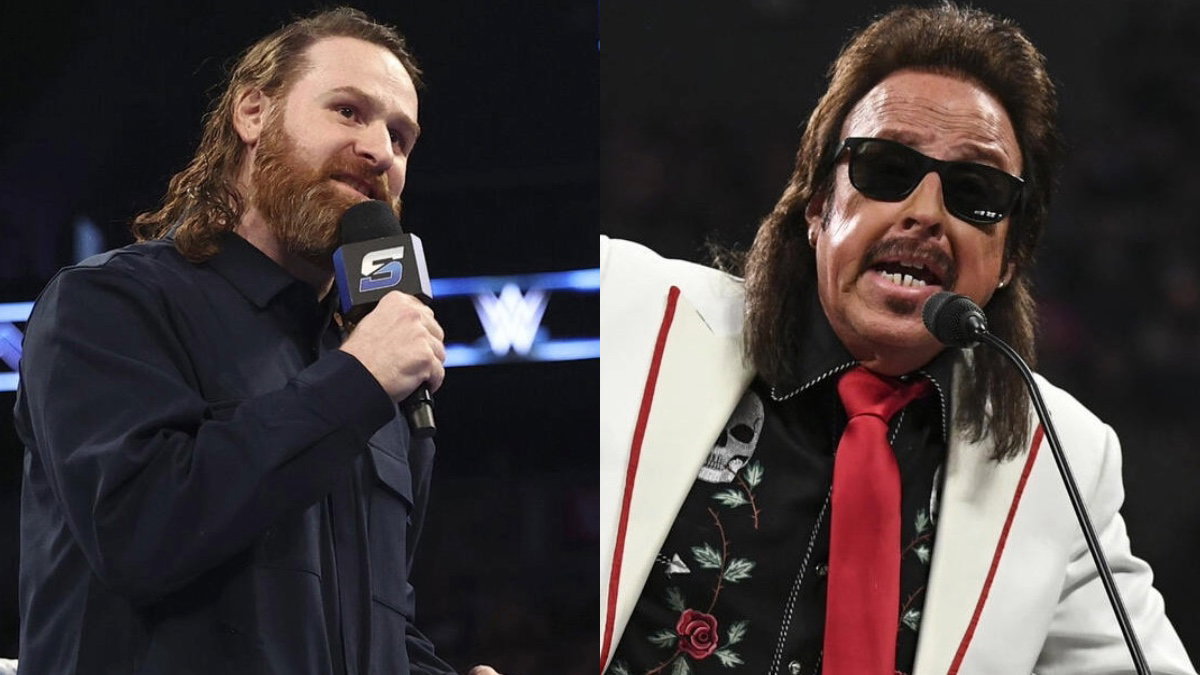
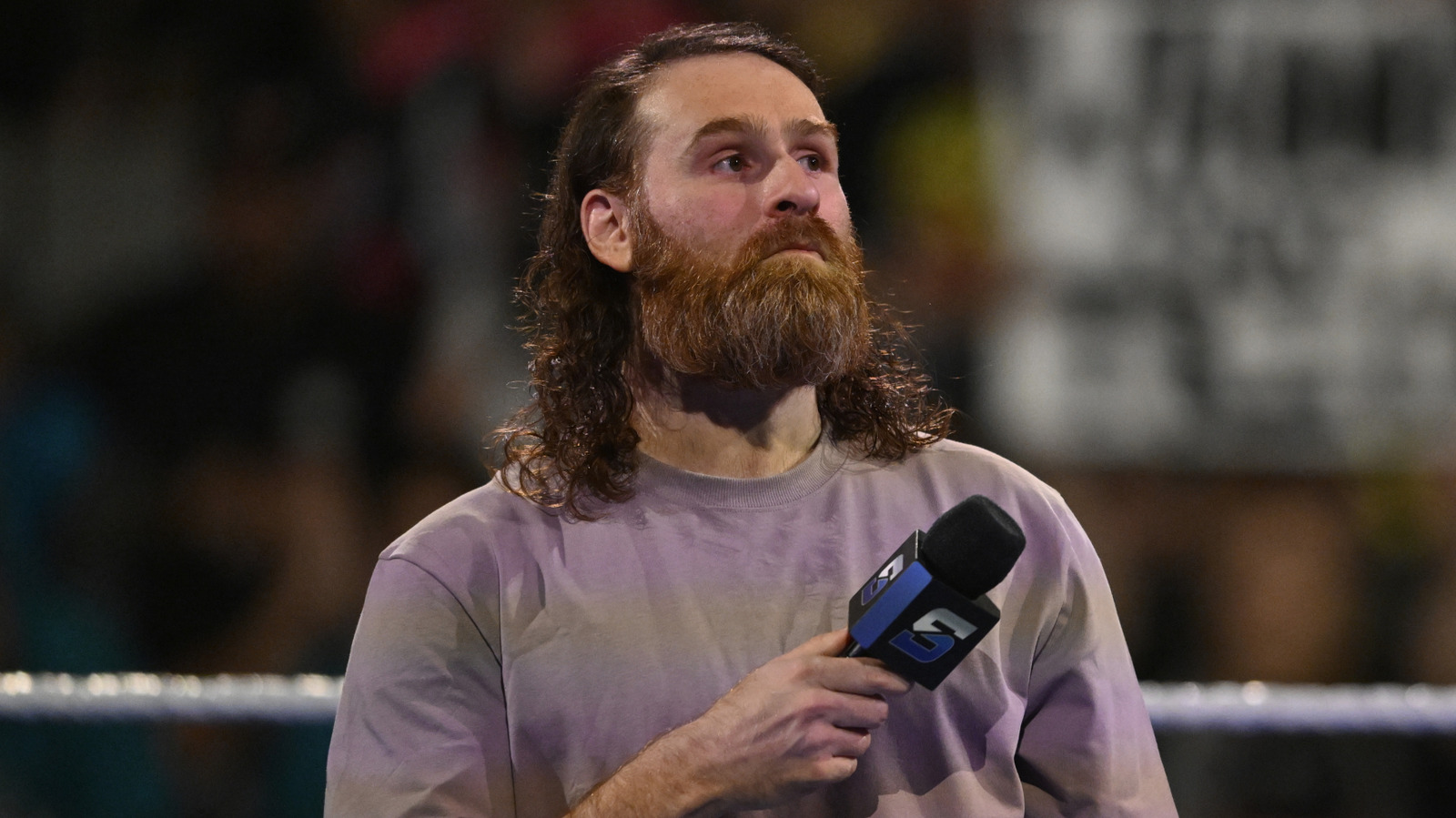
We see the stark difference in how heat is managed today by looking at Hart's current involvement in the business. He recently discussed the United States Championship picture in WWE, offering presentation advice to Sami Zayn regarding his ongoing feud with Trick Williams.
Hart suggested that Zayn dye his hair black and cut his beard differently to get a stronger reaction from the crowd. That is what drawing heat looks like in 2026. It is a cosmetic, psychological adjustment. Zayn will walk into his title match entirely focused on his cardiovascular conditioning and muscle stamina.
Zayn will not spend a single second scanning the front row for makeshift firearms. He does not have to mentally prepare for the possibility of a puncture wound. The danger has been stripped from the crowd and isolated entirely within the ropes.
The Long-Term Impact on Longevity
It is remarkable that Hart is still active in the wrestling conversation today. Many of his contemporaries did not survive the era, or they survived with bodies completely broken by unmanaged trauma and rampant, untreated infections.
The fitness required for longevity in professional wrestling is not just about endurance or lifting heavy weights. It is about avoiding catastrophic trauma. Some of that trauma is self-inflicted through risky bumps. But in the past, a significant portion of that trauma was inflicted by the paying audience.
The constant low-level stress of navigating a violent crowd takes a massive toll on the central nervous system. A performer's adrenaline spikes just walking through the curtain, anticipating a literal physical attack. This chronic elevation of cortisol and adrenaline severely impairs physical recovery and accelerates joint and tissue breakdown over a long career.
Final Thoughts
We should not view these historical stories as fun, quirky anecdotes about the good old days. Being shot with a projectile while performing a job is an occupational hazard that should have resulted in massive lawsuits and promoter arrests.
The industry somehow survived its own reckless history. The performers who lived through it carry the physical and mental scars of a business that did not care about their well-being. Today's strict security measures, barricades, and immediate medical interventions are not a sign that the business has gone soft. They are a sign that the business finally realized its performers are human beings, not literal targets for a riled-up crowd.