The corporate wrap of the stars and stripes
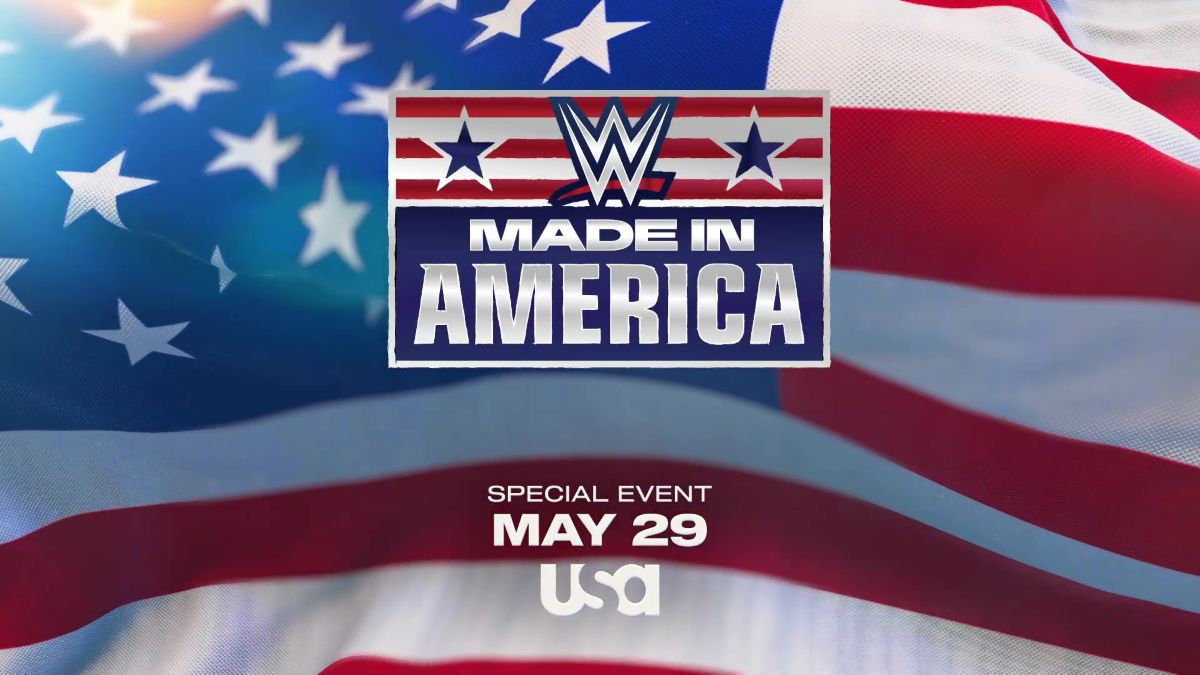
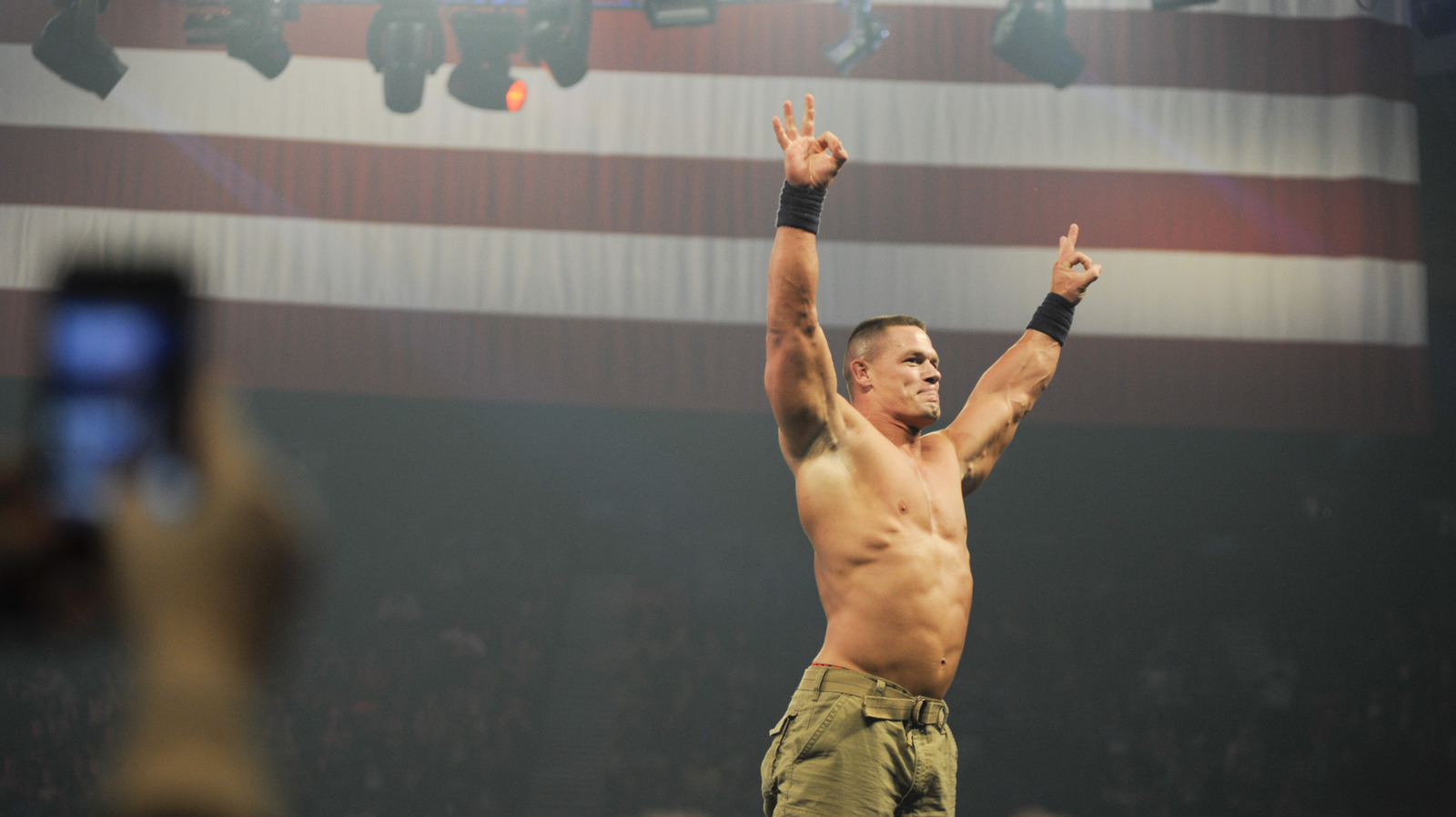
WWE just announced a new documentary set to air on the USA Network to celebrate America 250. It is a move that surprises absolutely no one who has followed the company since the TKO merger. As Wrestling Inc reported, this production is timed for the country's 250th anniversary in 2026. It serves as a reminder that when the political or cultural climate gets murky, WWE reaches for the nearest flagpole.
The partnership with USA Network here is interesting. Since Raw migrated to Netflix in January 2025, USA has been fighting to maintain its identity as a primary wrestling destination. They kept SmackDown, but they lost the flagship. This documentary feels like a peace offering or a branding exercise designed to remind cable viewers that WWE still has deep roots in traditional media. It is about prestige. It is about positioning professional wrestling as the 'national pastime' of the squared circle.
Hulk Hogan and the blueprint of 1984
To understand why this documentary matters, you have to look at the lineage. WWE did not just use patriotism; they weaponized it. In the 1980s, Hulk Hogan was the living embodiment of the Cold War. He was the yellow-and-red answer to the Iron Sheik. When he dropped that leg across the throat of a 'foreign menace' at Madison Square Garden, he wasn't just winning a belt. He was validating a specific kind of American exceptionalism that Vince McMahon sold to the masses.
It worked because it was simple. It was loud. It was garish. Hogan would cup his ear to 20,000 screaming fans, and the message was clear: America wins. This documentary will undoubtedly gloss over the fact that this was often used to mask thin work rates and predictable booking. They will show the montage of Hogan slamming Andre the Giant, but they won't mention how many of those patriotic heels were actually guys from New Jersey with bad accents. The mythology is more profitable than the truth.
The failure of the Lex Express
Not every attempt to wrap the product in the flag has succeeded. In 1993, WWE tried to manufacture a new hero in Lex Luger. They put him on a bus called the Lex Express and sent him across the country to shake hands and kiss babies. It was the most forced babyface push in the history of the sport. Luger was a bodybuilder with a limited move set trying to fill the void left by Hogan's departure. The fans saw through it immediately.
Luger failed because he lacked the organic connection that makes patriotism feel like more than a marketing gimmick. He looked like an action figure but moved like a statue. When he failed to win the title from Yokozuna at SummerSlam—despite the massive buildup—the 'American Hero' experiment effectively died. This documentary will likely frame this era as a stepping stone, but for those of us who lived through it, it was a cringe-inducing exercise in corporate desperation. It proved that you can't just put a guy in stars-and-stripes trunks and expect the crowd to care.
Cody Rhodes and the modern American Nightmare
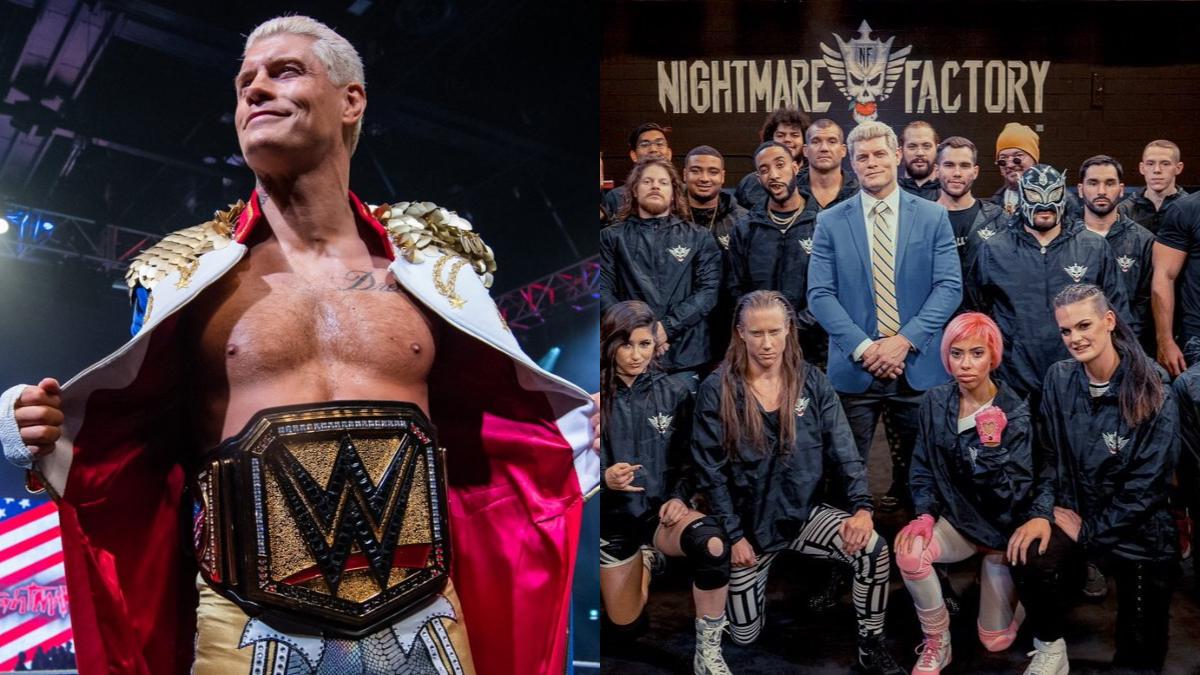
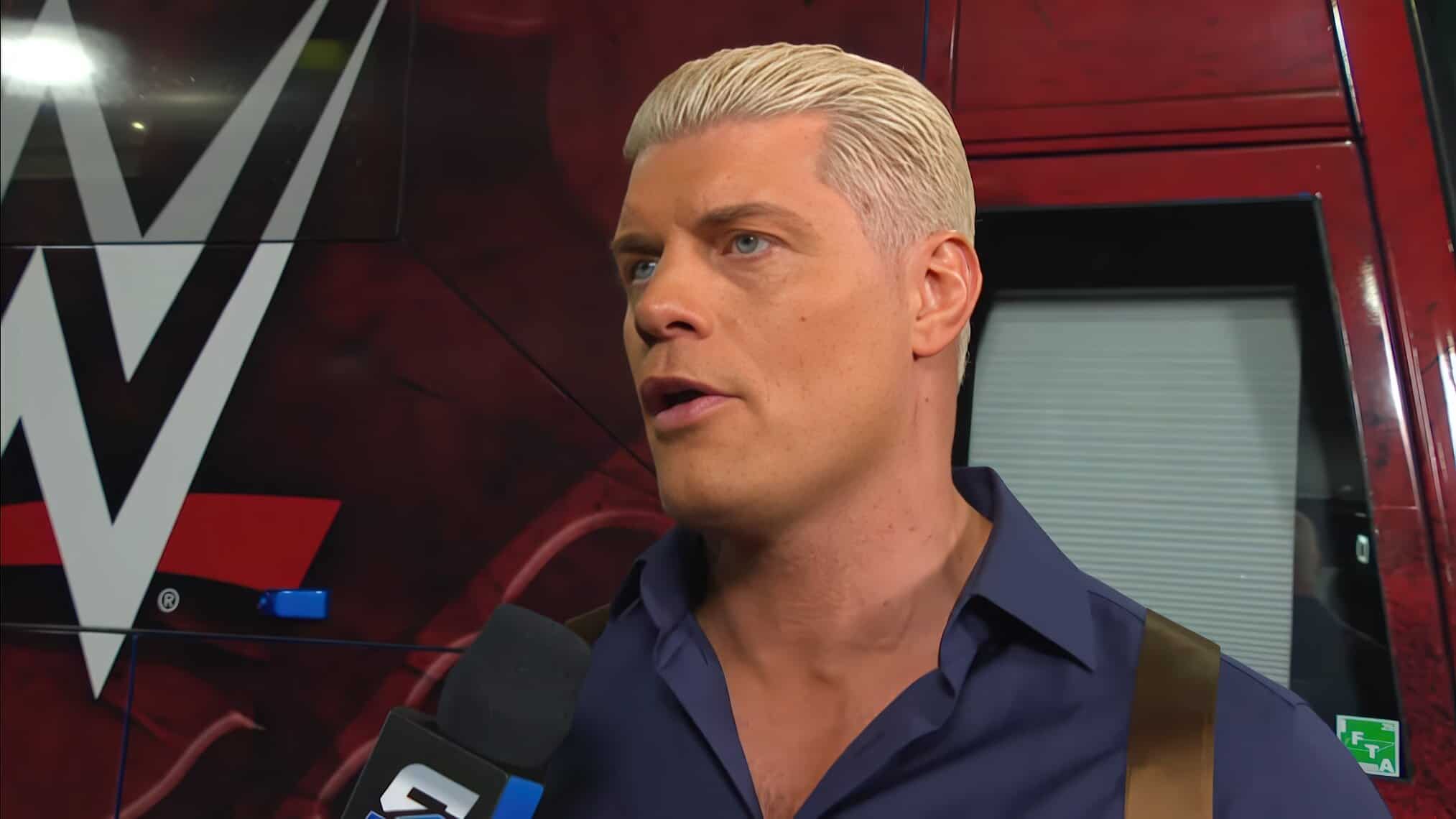
Fast forward to 2026, and we have Cody Rhodes. He is the first wrestler to successfully subvert the patriotic gimmick and then lean back into it with total sincerity. His 'American Nightmare' persona started as a middle finger to the 'American Dream' legacy of his father, Dusty Rhodes. But as he climbed back to the top of WWE, the neck tattoo and the blonde hair became the symbols of the company's new era. He is the ultimate establishment hero now.
WWE’s history with the flag is a cycle of crisis and celebration, usually used to distract from the reality of the business.
Cody’s appeal is different from Hogan’s. He doesn’t scream at the camera about training and vitamins. He talks about 'finishing the story.' He is polished. He is corporate. He is the perfect face for a documentary airing on a major network. When he hits the Cross Rhodes, it feels like a precision strike rather than a wild haymaker. He has brought a level of athletic legitimacy to the patriotic archetype that hasn't been seen since Kurt Angle’s prime.
The critical lie of corporate patriotism
Here is the part the documentary will ignore. WWE likes to wrap itself in the flag for the domestic audience while simultaneously cashing massive checks from regimes that stand in direct opposition to those values. You cannot celebrate 'America 250' with a straight face while your biggest revenue drivers are the bi-annual shows in Saudi Arabia. It is a jarring contradiction that many fans have simply chosen to ignore because the matches are good.
This documentary will be a sanitized version of history. It will show the 'Tribute to the Troops' specials. It will show the 9/11 episode of SmackDown where Vince McMahon gave a stirring speech. But it won't talk about the exploitation of national tragedies for ratings. It won't talk about how 'USA' chants are often the last resort for a crowd that is bored by a stale match. Patriotism in wrestling is a tool used to bypass critical thinking. If you don't like the booking, at least you like the country, right?
What to watch for in the July broadcast
When this airs around July 4, look for the interviewees. Expect a heavy dose of Triple H and Bruce Prichard. They are the architects of the current 'prestige' era. They want WWE to be seen as an institution, not just a wrestling promotion. They want to be mentioned in the same breath as the NFL or the NBA. This documentary is a 90-minute commercial for the idea that WWE is a vital part of the American cultural fabric.
- Expect archival footage of the 1980s boom period mixed with high-definition drone shots of modern stadiums.
- The narrative will likely center on 'The Dream' Dusty Rhodes and his influence on the current roster.
- A massive focus on the move to Netflix and how it represents American innovation in the streaming space.
The production values will be through the roof. WWE's editing team is the best in the world at making garbage look like gold. They will find the three seconds of a match where the lighting hit the canvas just right and make it look like a Renaissance painting. But beneath the slick transitions and the swelling orchestral score, the question remains: is there anything new to say? We have seen the 'patriotic montage' a thousand times before. We know the beats.
A confident prediction for the fallout
This documentary will be a ratings success for USA Network, but it will do nothing to change the minds of the critics. It will be a self-congratulatory lap for a company that is currently on top of the world. My prediction is that the show will end with a heavy tease for Cody Rhodes’ next major program, likely centered around the upcoming World Cup 2026 festivities in the summer. WWE wants to be the official partner of every major American event, and this is just the opening salvo.
The documentary will claim that wrestling brings people together. In reality, it divides us into those who see the art and those who see the manipulation. I’ll be watching with my notebook out, counting the number of times they use a slow-motion shot of a fan crying while holding a flag. My over/under is 82% of the runtime being dedicated to revisionist history that makes the 1990s look significantly more wholesome than they actually were. Own it: this isn't a celebration of America; it's a celebration of WWE's ability to survive it.