The veteran's perspective on a changing roster
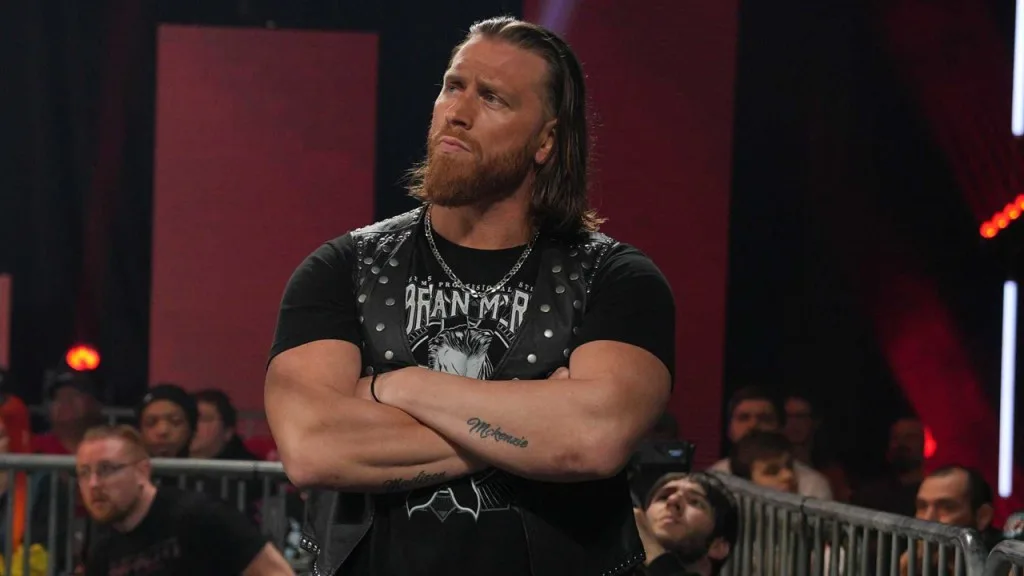
Brian Myers has spent enough time in the ring to stop worrying about the flavor-of-the-month booking strategies. He is currently looking at his career through a lens of survival rather than accumulation. Sitting down with Chris Van Vliet recently, Myers admitted he is calculating his remaining shelf life in the squared circle. It is a refreshing departure from the usual bravado where wrestlers claim they will work until they are 70.
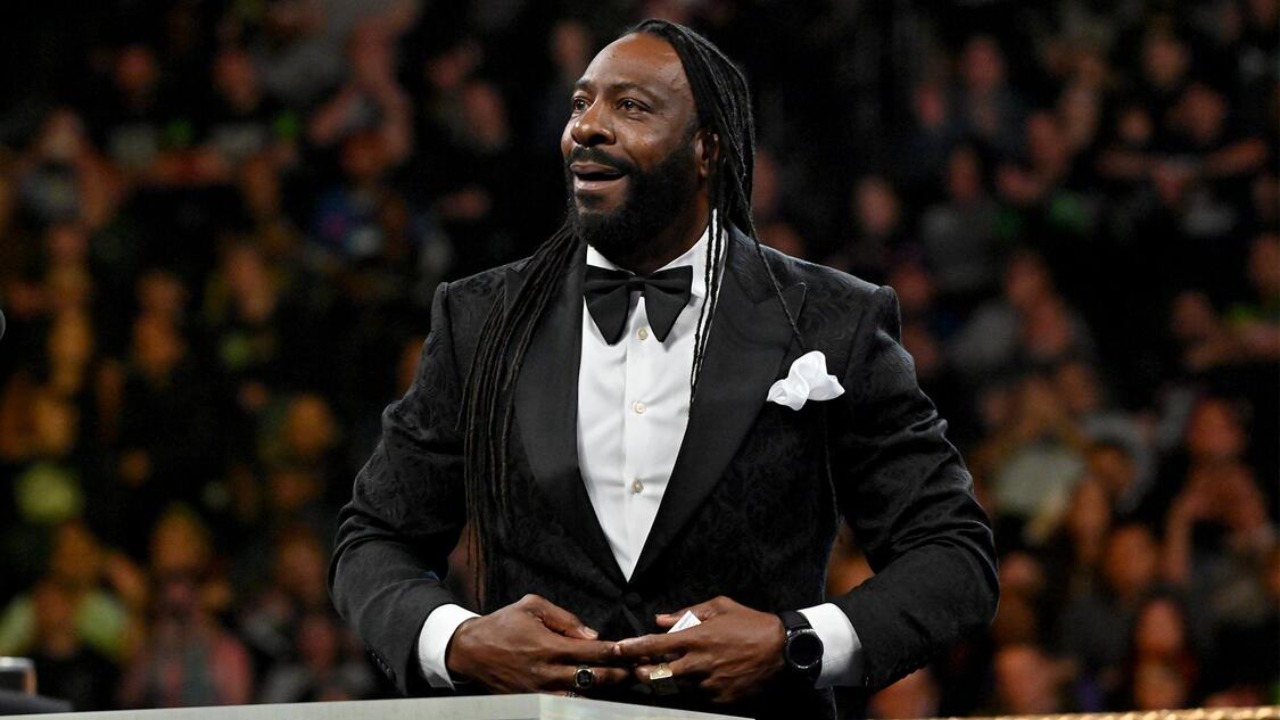
We have seen veterans burn out by chasing high-impact spots that they no longer have the recovery time for. Myers recognizes that the physical toll limits his ability to keep pace with the younger high-flyers. If he plans to remain relevant, his matches need to prioritize psychology over pure athletic output. This pivot toward efficiency matches the broader historical context of talent like Booker T, who knew when to tune out the noise and rely on his own instincts.
Identifying the next generation
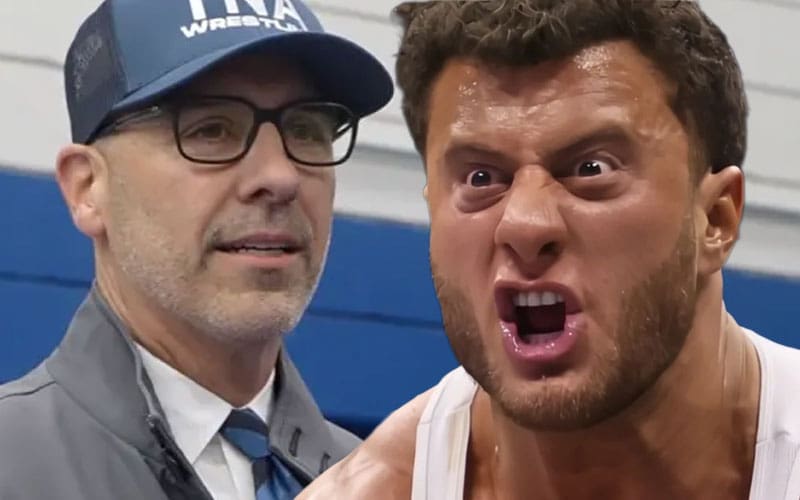
Myers is not just looking inward. He has a keen eye for talent that has already been validated, specifically regarding Maxwell Jacob Friedman. Long before the main event pushes and the title reigns, Myers saw something in MJF that most of the audience missed. It wasn't just technical polish. It was a specific kind of confidence that you simply cannot coach or force into a script.
While fans often debate who is the most over-pushed, Brian Myers recalls knowing immediately that the trajectory for MJF was destined for the top of the card. This validates the concept that genuine connection with a crowd is built on intuition, not just corporate endorsement. It is interesting to see a veteran who is actively winding down his own career spend time dissecting the unique traits of a younger rival.
The TNA gamble and the Hardys' influence
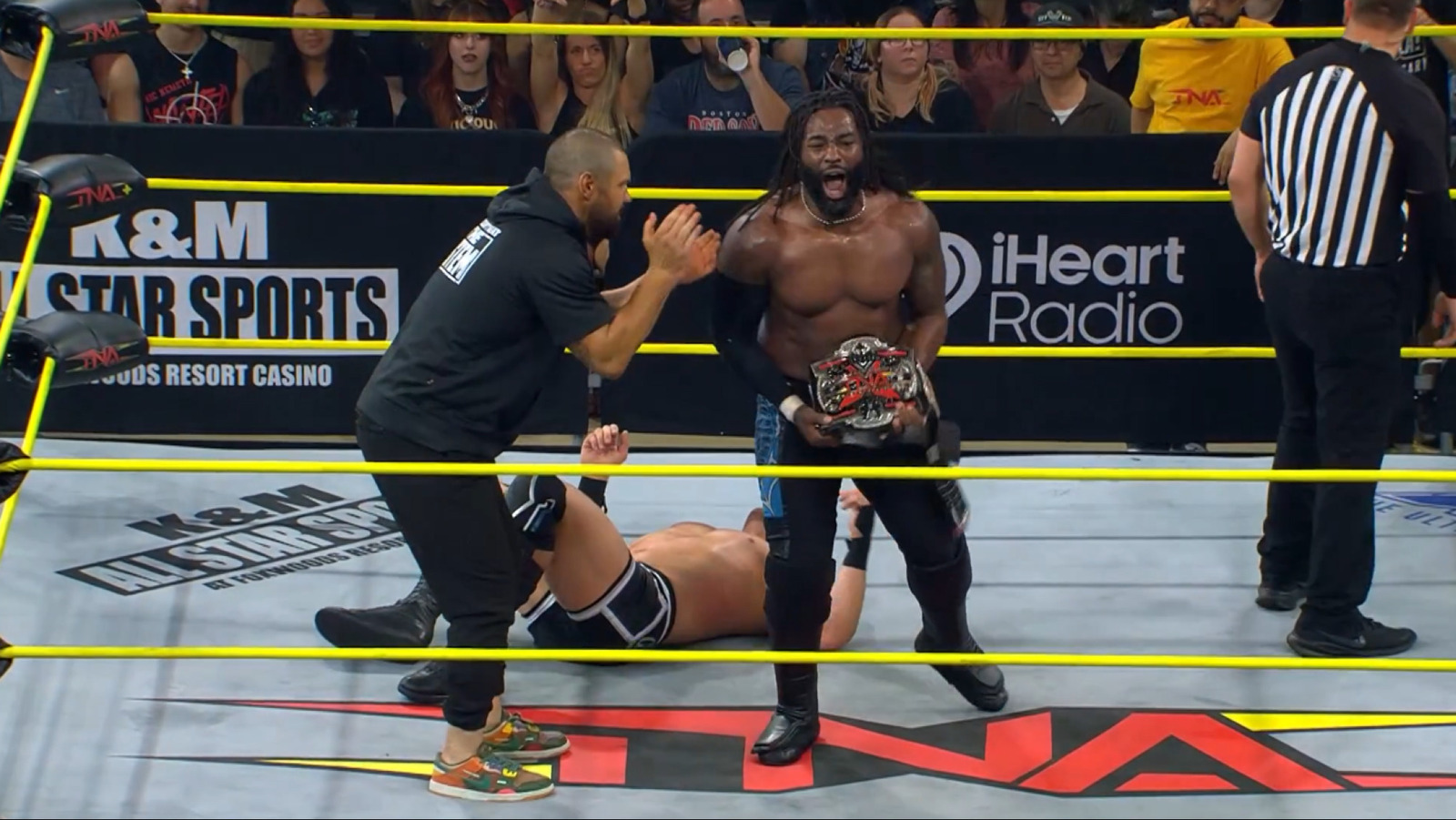
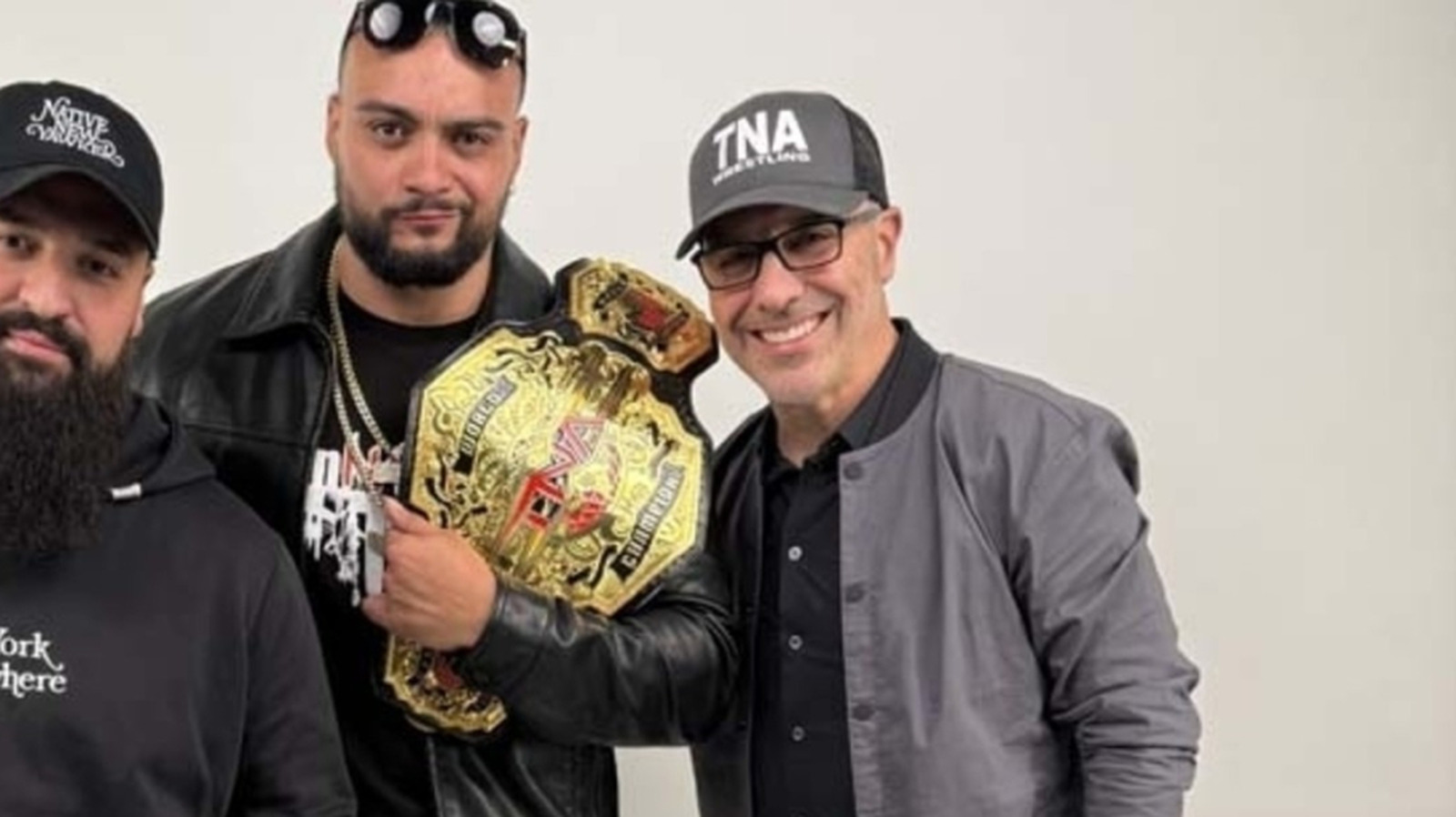
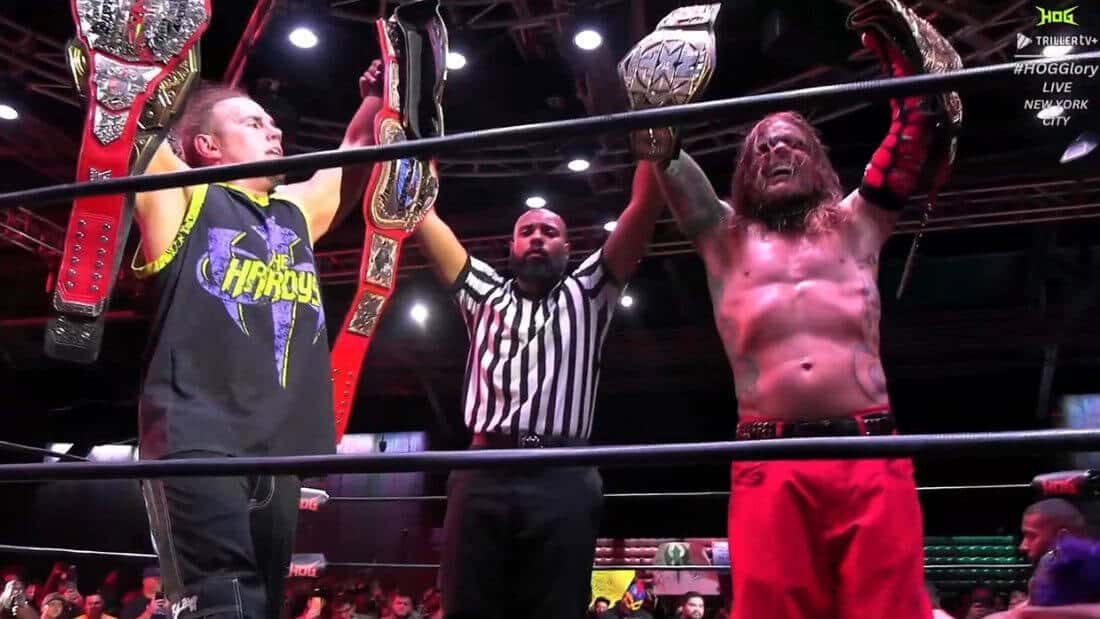
The recent return of Matt and Jeff Hardy to TNA has shifted the conversation away from the promotion being a secondary tier. Myers has been vocal about their impact, stating that the brothers essentially saved the brand from further decline. It is a bold take, but the metrics support the hype. Bringing legacy stars into an environment that needs fresh eyes is a proven, albeit temporary, ratings spike.
Despite this, the reliance on older acts creates a bottleneck. If TNA is going to build long-term value, they need bridge segments where the Hardys elevate the mid-card rather than just headline the show. As WrestlingNews.co reported, the roster benefits greatly from their presence, but there is a risk of stagnant booking if the promotion stops creating original stars. My prediction? Myers will continue to transition into a mentorship role, likely hanging up the boots in 3 years, while MJF will remain the singular focal point of the industry until he hits a significant injury or a major contract cycle ends.