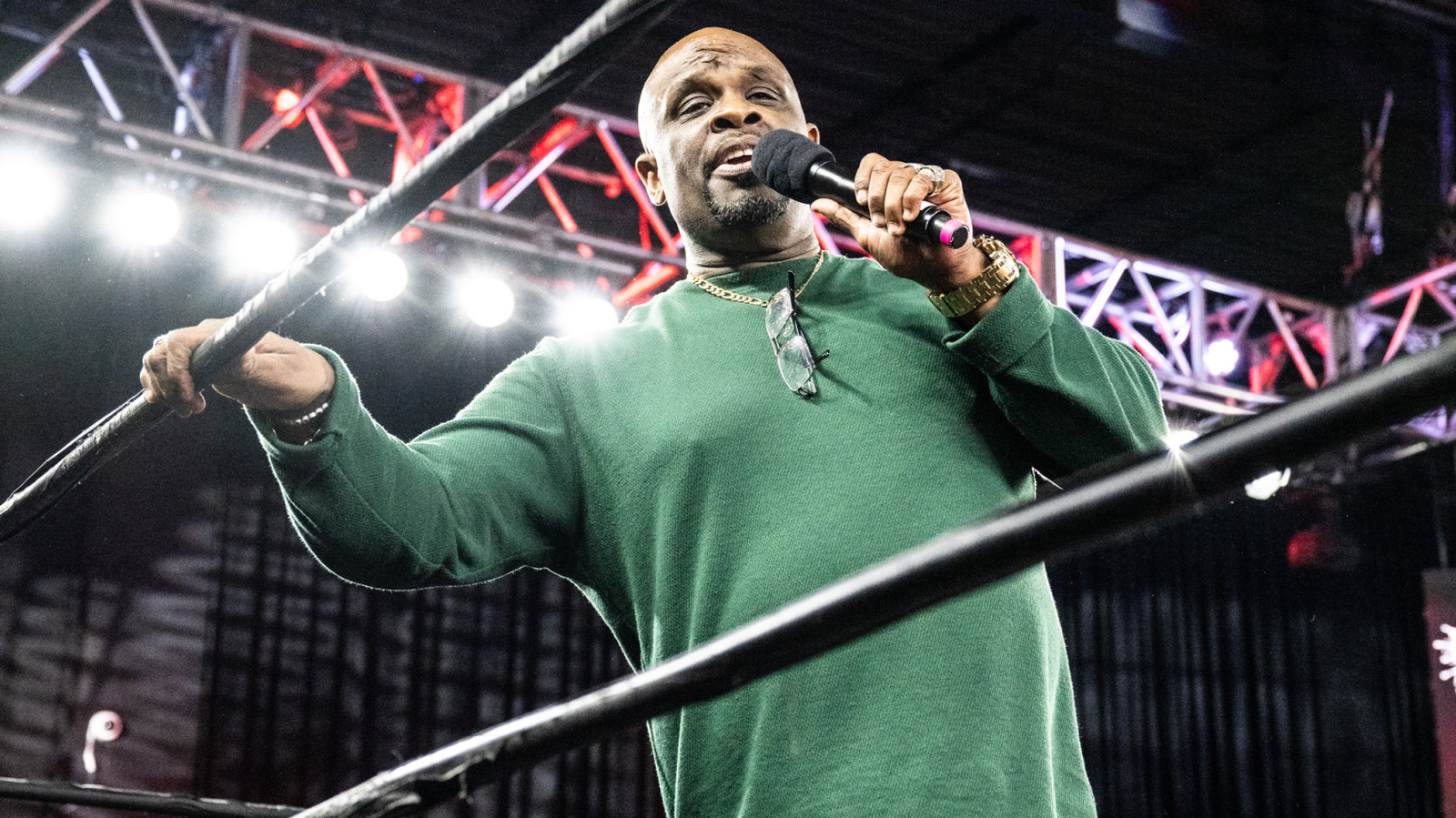
TNA is balancing books on the back of nostalgia and grit
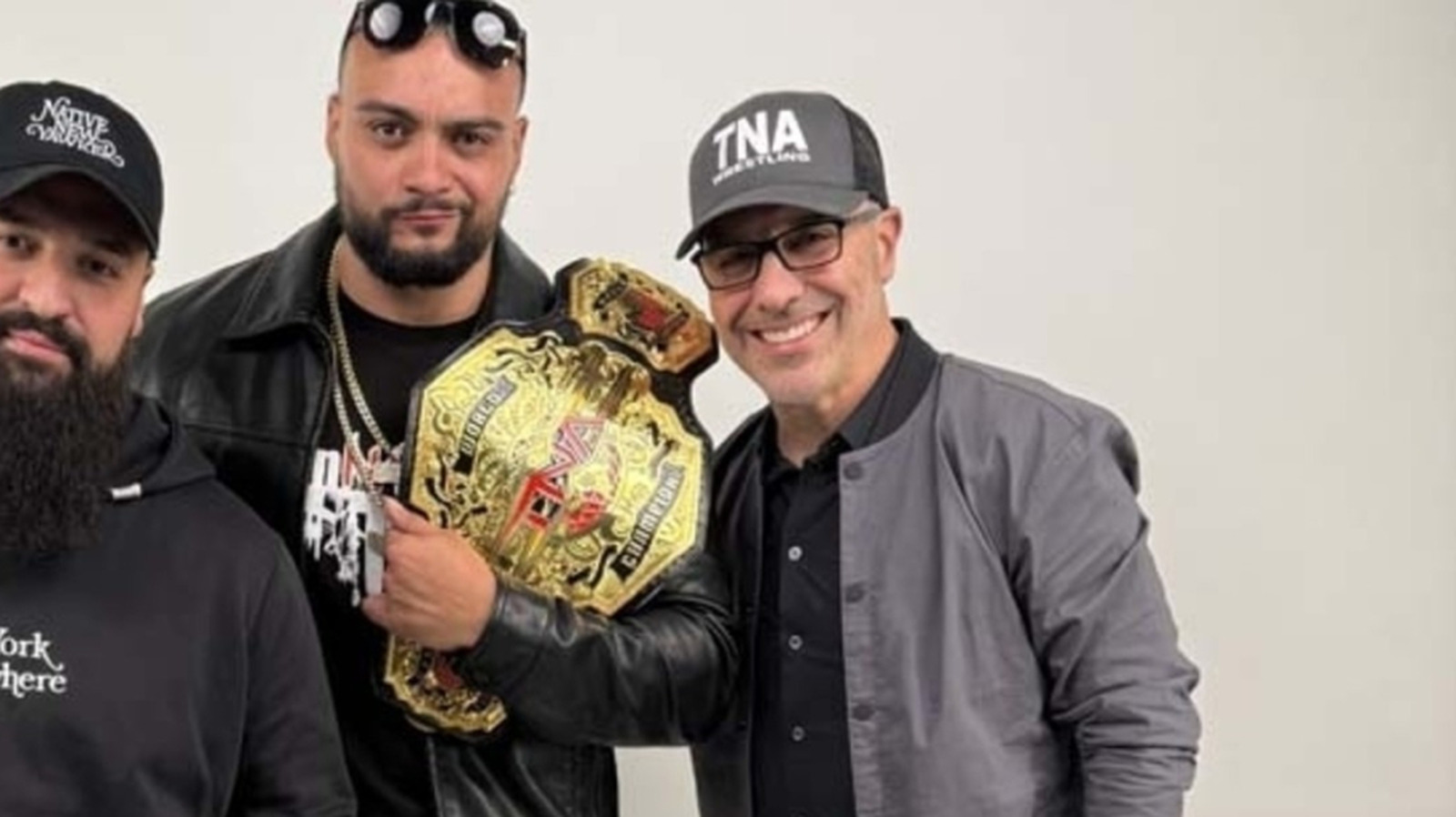
The fiscal reality behind TNA's current positioning
Professional wrestling is rarely a clean balance sheet. Matt Hardy recently offered a candid assessment of TNA President Carlos Silva, noting that the executive inherited a company drowning in debt. When Silva arrived to take the reins, the internal atmosphere was precarious at best. Hardy, ever the pragmatic veteran, suggests Silva is doing the best he can under unsustainable constraints.
This is the cold truth of the independent circuit. Financial instability isn't just a hurdle; it functions as a stylistic filter. Promotions with limited liquidity cannot afford to miss on talent acquisitions or bloated production budgets. Every dollar spent on entrance pyrotechnics is a dollar removed from the travel budget for the undercard. Hardy's endorsement of Silva’s efforts reflects an appreciation for the sheer administrative hustle required to keep the lights on in Nashville.
Tactical maneuvers in a volatile market
Hardy’s perspective offers a window into why wrestling veterans so often prefer the erratic uncertainty of smaller promotions over the sterile predictability of global conglomerates. As Paul Heyman recently noted, the presence of alternative promotions has forced a higher level of creative output industry-wide. If competition is driving innovation in the major leagues, it is driving survivalist resourcefulness in the mid-card ranks.
Silva faces a specific set of challenges that don't apply to the corporate giants. TNA’s ability to retain talent rests on the personal trust between leadership and the locker room. When the payroll is tight, the creative pitch must compensate. Hardy’s support is not an endorsement of current net profit, but rather an acknowledgement that the ship isn't currently taking on water. That, in the current wrestling economy, qualifies as a structural success.
The danger of relying on veteran equity
Despite the optimism regarding administrative stability, TNA’s move to rely heavily on legacy talent like Hardy is a double-edged sword. While these figures bring name recognition, they occupy spots that could be utilized to develop new, cost-effective stars. There is a missed opportunity here when talent acquisition policies prioritize 20-year career veterans over hungry, cheaper acquisitions from the regional scene.
D-Von Dudley’s previous warnings about the unpredictability of working conditions, as noted in recent internal recollections, serve as a reminder that management needs to do more than just pay the bills. They must ensure the product is safe and strategically coherent. Silva might be cleaning up old debts, but the brand needs more than austerity to remain relevant. Without a clear pathway for mid-card development, the debt ceiling is the least of their worries.
At the 35-minute mark of any given TNA broadcast, you can see the effort to maintain production value despite the financial ceiling. The transitions are tighter, the focus on technical execution is sharper, and the improvisational spots are minimized to reduce injury risk. It is a calculated style of wrestling born from necessity rather than artistic choice. Whether this model can sustain TNA long-term remains the defining question for Silva.
Ultimately, professional wrestling is a business of optics as much as athletics. Hardy’s vote of confidence is a morale booster for the locker room, but fans see the result in the ring. A company in debt carries a specific kind of internal pressure that inevitably bleeds into the product on-screen. If Silva can manage the $0 red-ink goal while stabilizing the roster, he will have achieved something few TNA leaders have managed in the last decade. Staying afloat is the floor, not the ceiling.
WWE Elite Collection Series 126 Roman Reigns Action Figure
A master-class in detail featuring the Tribal Chief in his latest WrestleMania g
Frequently Asked Questions
What is Matt Hardy's opinion on TNA President Carlos Silva?
How do financial constraints impact TNA's creative decisions?
Why does TNA rely heavily on veteran talent like Matt Hardy?
What major challenge does TNA face regarding talent retention?
What is the primary goal of TNA's current administration?
More Coverage
Elayna Black is about to turn TNA upside down in Boston
2 hours ago
TNA is about to gain a major WWE veteran at Slammiversary
7 hours ago
TNA is cleaning house and the fallout is messy
15 hours agoJoe Hendry returns to action after month-long evaluation
17 hours ago
Eric Bischoff's business track record deserves more scrutiny
17 hours ago
Tommy Dreamer faces wave of misconduct allegations following TNA departure
17 hours agoMore Analysis
Elayna Black is about to turn TNA upside down in Boston
2 hours ago
Tony Khan is panic-booking television again
2 hours ago
Paul Heyman's undisclosed health battle raises questions about WWE medical oversight
2 hours ago
AEW's market impact is finally forcing WWE to refine its product
2 hours ago
Brock Lesnar's ring exit turned the IWC into a war zone
2 hours ago