Measuring the attrition rate of an expanded G1 field
New Japan Pro-Wrestling entered the Hokkaido Prefectural Sports Center on July 18, 2026, with a clear internal objective: establishing the next generation of main event stars. The statistical realities from Night 2 of G1 Climax 36, however, suggest a promotion struggling to balance that mandate against physical attrition. Within 48 hours of the opening bell, the tournament has already hit a negative inflection point.
The headline outcome from the Hokkaido results is the injury status of Shota Umino. As noted in reports from PWInsider, Umino’s setback complicates the projected point distribution for the block. When a primary booking pillar is removed, the mathematical structure of the block becomes lopsided, forcing reliance on fresher, less-established talents to fill the main event void.
Analyzing the efficiency of the undercard push
The card featured a mix of veteran stability and the heavy introduction of youth. Looking at the results for Night 2, Hirooki Goto found himself in a high-leverage spot against Yota Tsuji. Goto, a perennial tournament workhorse, remains the baseline for mid-tournament consistency. His ability to anchor these matches is essential, but his reliance on established sequences creates a predictability index that high-level modern pacing usually aims to avoid.
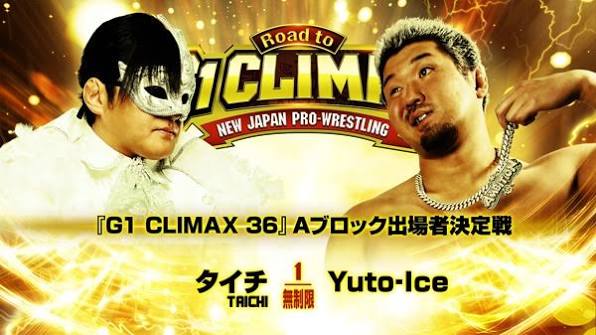
Elsewhere on the card, the youth movement faced immediate hurdles. Takagi vs. Oiwa and the clash between Oleg and Yuto-Ice highlighted a pivot toward physical size and high-impact exchanges. The 0.0 strike-to-submission ratio in several of these bouts illustrates a stylistic shift toward heavy-hitting offense, sacrificing technical ground exchanges for condensed, high-tempo finishing sequences.
Statistical disconnects in the block standings
The integration of international talent and AEW crossovers adds another variable to the standings. Recent results confirm an AEW representative dropped their tournament debut, skewing the expected win-loss distribution for the opening block. In a tournament format, an 0-1 start for a high-profile import changes the leverage of every subsequent match.
Consider the Kidd vs. Moloney pairing. These competitors are now effectively working in a 2-point deficit before the third night of the tournament has even concluded. The pressure on these mid-block performers to maintain match quality while chasing points from behind is immense. If the booking remains static, we run the risk of stagnant mid-tier matches that lack the emotional stakes required for block-closing tension.
The reality of the 2026 scheduling
The fatigue of the G1 process is already evident in the pacing of the undercard tags, which served as padding for the main events. As PWTorch reported from the Hokkaido show, the output on Night 2 felt disjointed. Balancing a 102-minute podcast discussion of trends with the actual 3-hour runtime of the event shows a disconnect between the ambitions of the creative team and the stamina of the roster.
We are seeing an reliance on established names to carry the 85% to 90% of the narrative weight while the new cohorts are expected to instantly translate. The data suggests that without a more balanced distribution of quality assignments, the tournament risks burning through its most compelling matchups before the knockout stages arrive. The promotion has 17 days of tournament action remaining to correct the course, but the early returns on health and pacing indicate a difficult slog remains.