
WWE’s Saturday Night strategy needs a rethink
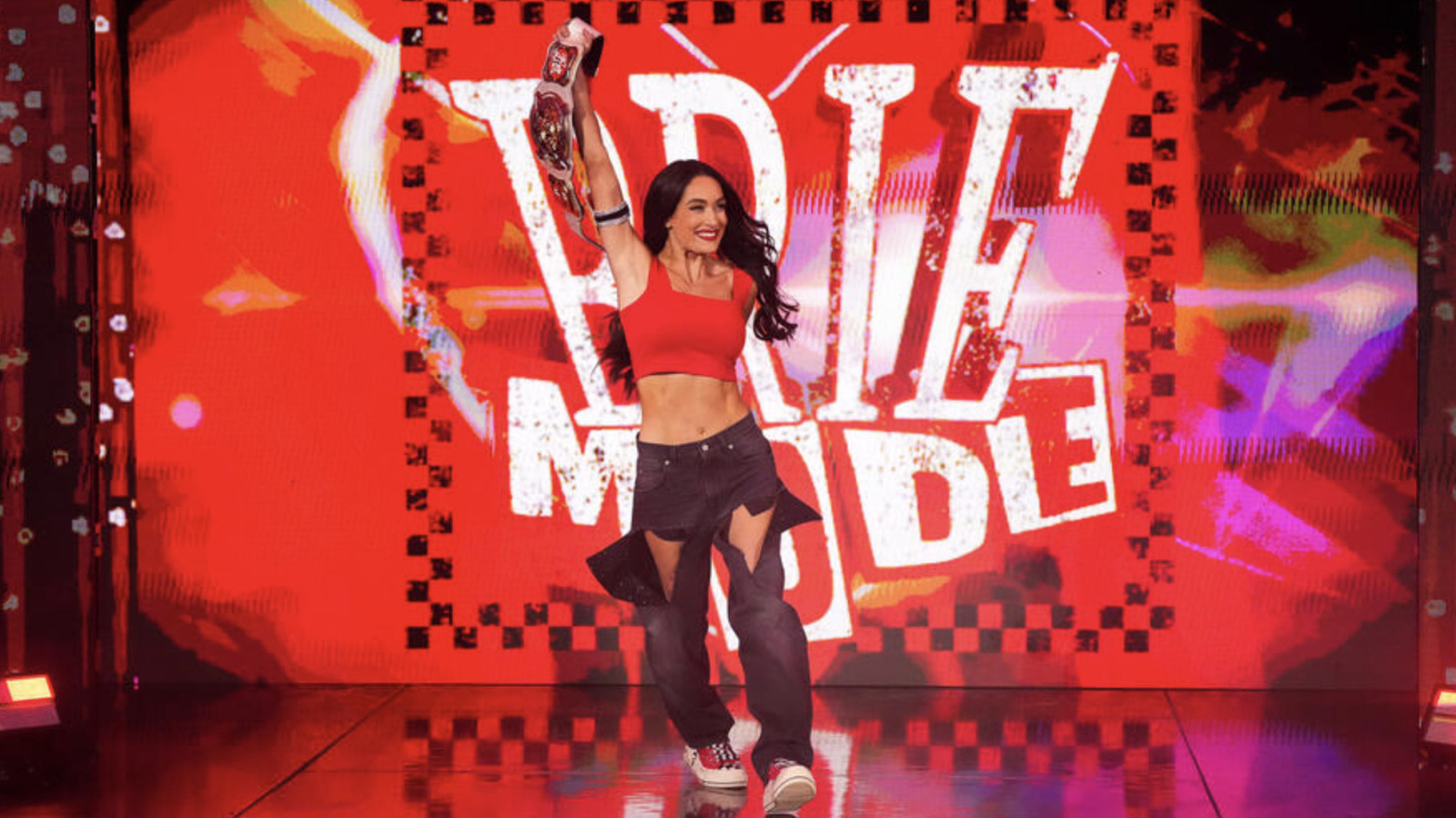
The pacing problem at Saturday Night's Main Event
Watching WWE Saturday Night's Main Event on July 18, 2026, offered a stark look at how the promotion handles its secondary televised offerings in the current era. While the Women's Tag Team Championship match was meant to headline, the card felt disjointed from the opening bell. It is difficult to manufacture prestige for these belts when the supporting matches lack significant narrative stakes.
Where the execution falters
The pacing relied too heavily on traditional tropes rather than the in-ring innovation seen on major premium live events. Card placement remains a persistent issue for Triple H’s creative team. When the mid-card talent is treated as filler for the Women’s Tag titles, the result is a dip in viewer engagement that is measurable through the lackluster crowd reactions at the 20-minute mark.
Technical execution during the title defense was sound, yet it lacked the desperate intensity required to elevate the division. A series of chain wrestling sequences leading to a predictable near-fall at 14 minutes did little to shift momentum. The match culminated in a result that reinforced the status quo rather than providing a necessary shake-up for the tag team ranks.
The danger of a static division
The Women’s Tag Team Championship has struggled to find a consistent identity since its inception. Tonight’s booking echoed the same mistakes found in recent coverage of the title scene, where challengers are rotated without a clear path toward long-term character development. Unless the creative team commits to building genuine animosity between these teams, we are left with athletic displays that lack a reason to exist.
Statistics from the broadcast show a heavy reliance on formulaic interference spots in the closing minutes. The final sequence reached a resolution in 18 minutes and 42 seconds, yet the transition from the mid-match lull to the finishing sequence felt rushed. This disconnect suggested that the agents on the ground were fighting against an uncooperative airtime slot.
Looking ahead at the creative trajectory
The promotion is currently favoring a safe approach to title defenses during these weekend specials. However, safety is the enemy of growth. While the talent involved demonstrated high levels of technical competence, they were constrained by a booking philosophy that prioritizes maintenance over evolution. The lack of a clear, aggressive storyline heading into the next month is a glaring oversight.
We have reached a point where the brand needs to decide if these Saturday slots are for experimental storytelling or merely holding patterns. Relying on championship matches to paper over thin character work is a short-term fix. By the 90-minute mark, it was evident that the show had plateaued, leaving the audience with little anticipation for the upcoming weeks of programming.
WWE Cody Rhodes 'And Still' Undisputed Champion T-Shirt
Celebrate the American Nightmare's dominant championship reign.
Frequently Asked Questions
What caused the Women's Tag Team match to underperform?
How did card placement impact Saturday Night's Main Event?
Why is the Women's Tag Team division struggling to maintain prestige?
How long was the Women's Tag Team Championship match?
What is the primary creative issue facing WWE's Saturday specials?
More Coverage
Shelf Space Real Estate: Ranking the Latest Must-Haves for Your Wrestling Shrine
an hour agoTop 10: The Definitive Ranking of Mid-Summer WWE Moments
3 hours agoThis Week in Wrestling: MSG Stardust and Championship Shakeups (Jul 13–Jul 19, 2026)
3 hours agoKarl-Anthony Towns at Saturday Night’s Main Event was a fever dream gone wrong
3 hours agoKarl Anthony Towns just created the weirdest wrestling moment of 2026
3 hours ago
LA Knight turns viral frustration into a merchandise play
4 hours agoMore Analysis

Saturday Night's Main Event demands a shift in momentum for the roster
1 day, 10 hours ago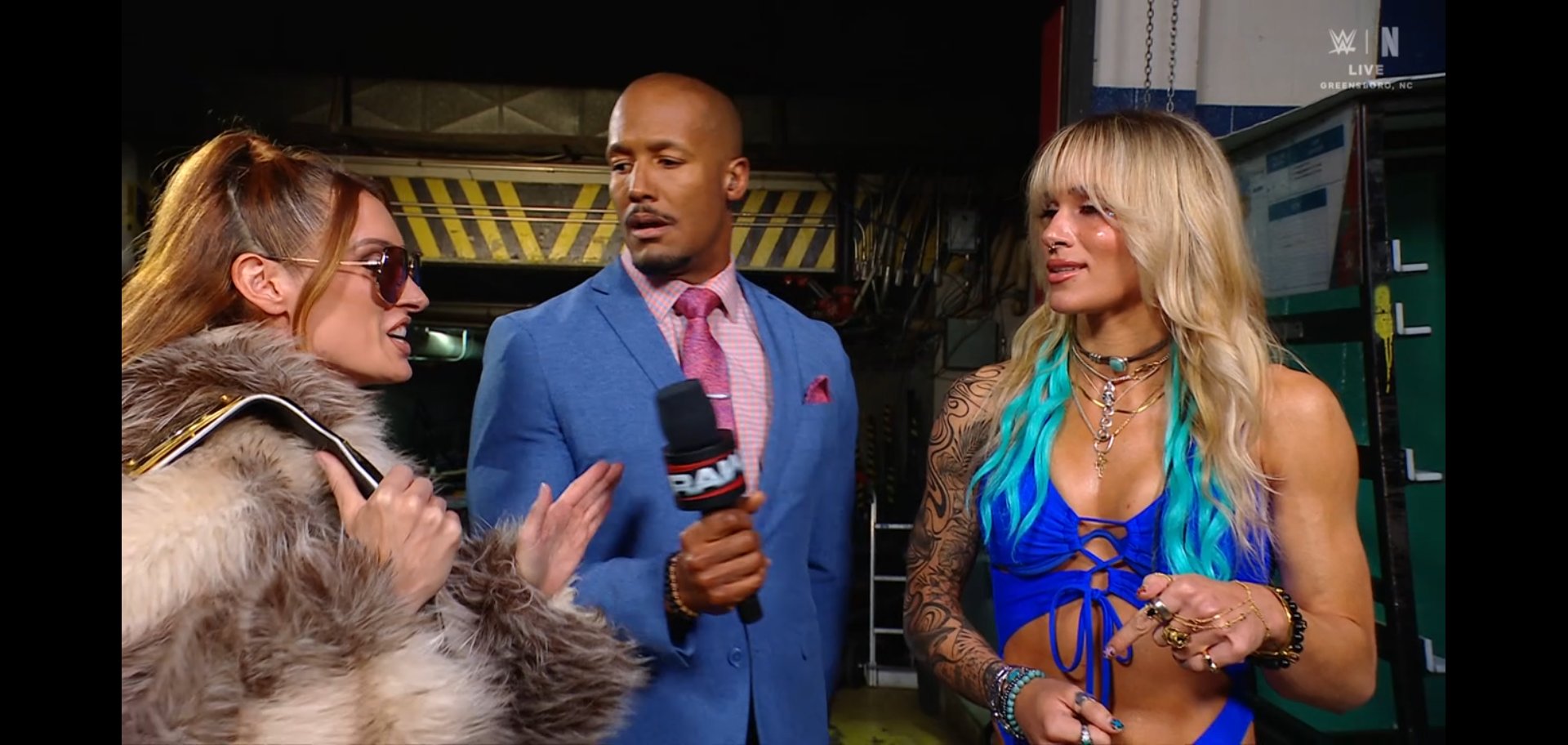
WWE’s Saturday Night’s Main Event revival lacks a clear tactical identity
1 month, 4 weeks ago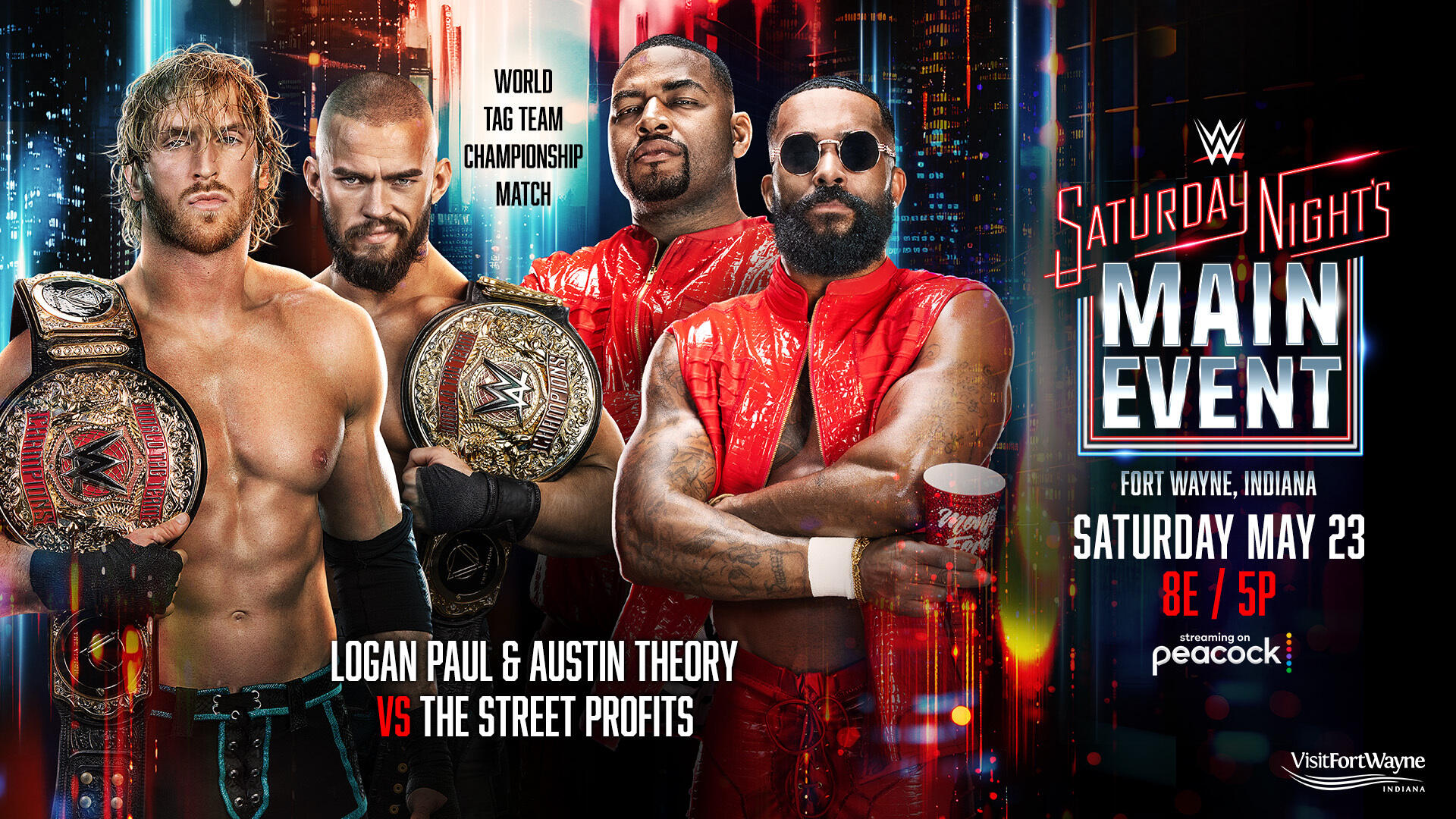
WWE Saturday Night's Main Event is trapped in a creative holding pattern
1 month, 3 weeks agoWWE is stacking Saturday Night's Main Event, and the math doesn't add up
2 months agoSmackDown’s tag division is stuck in a loop of diminishing returns
1 month ago