TNA's unlikely resurgence
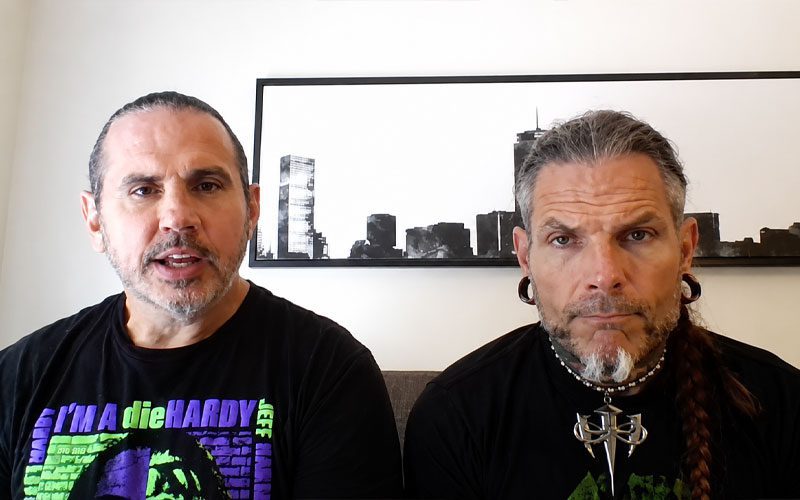
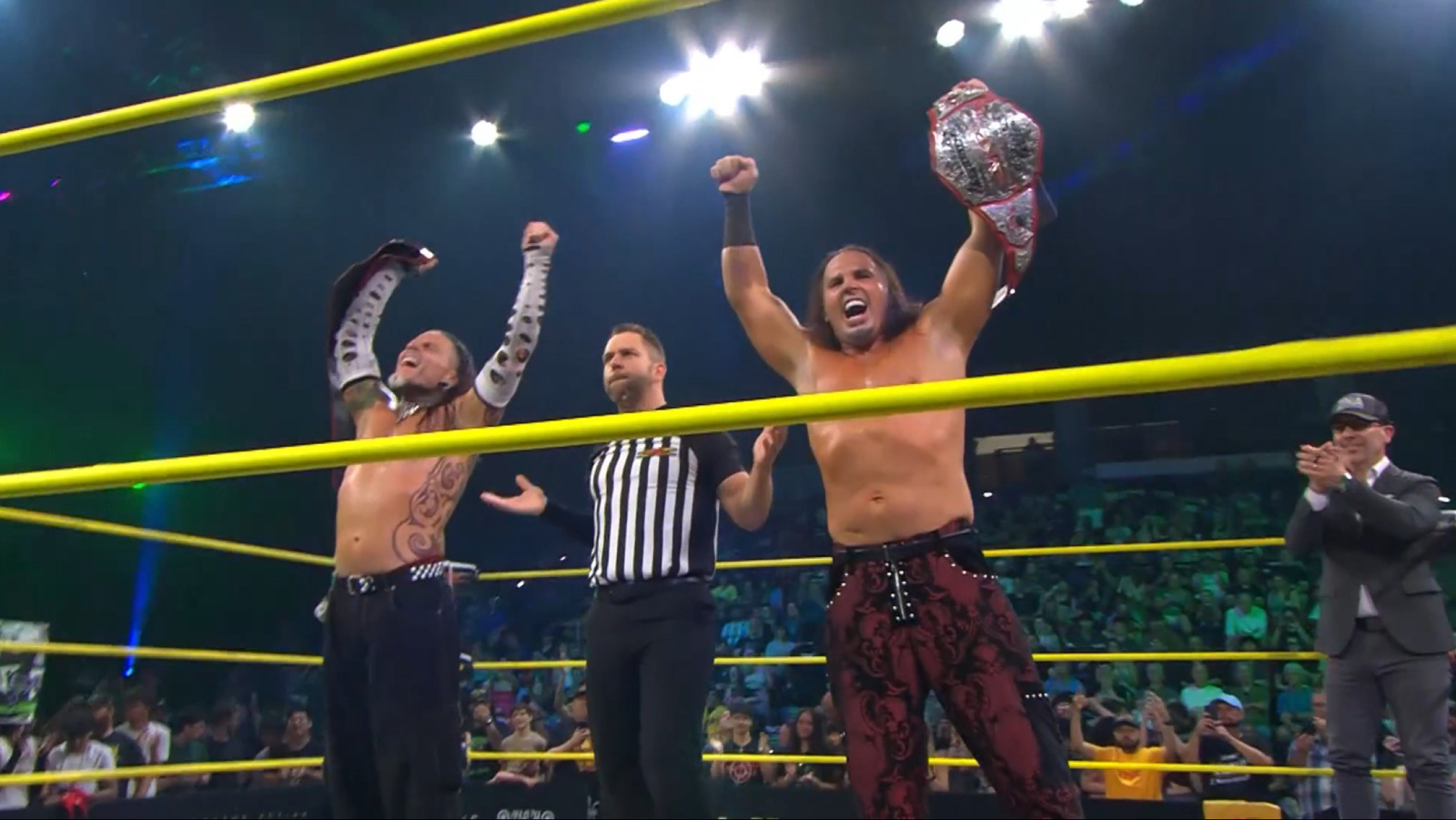
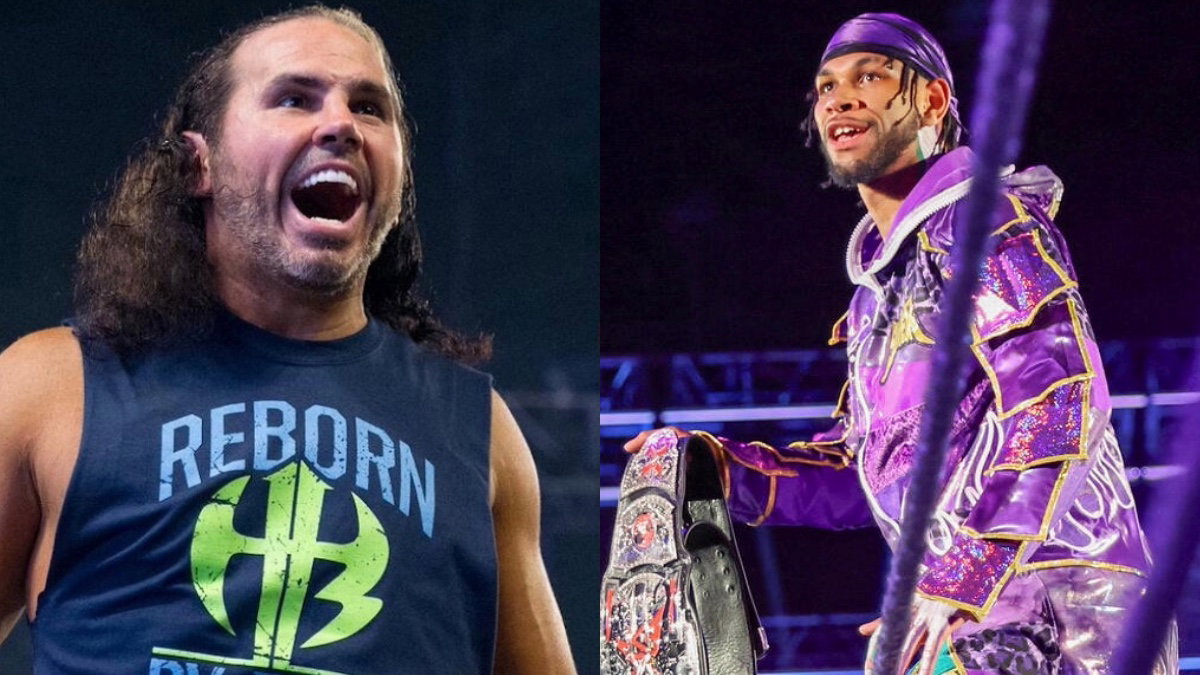
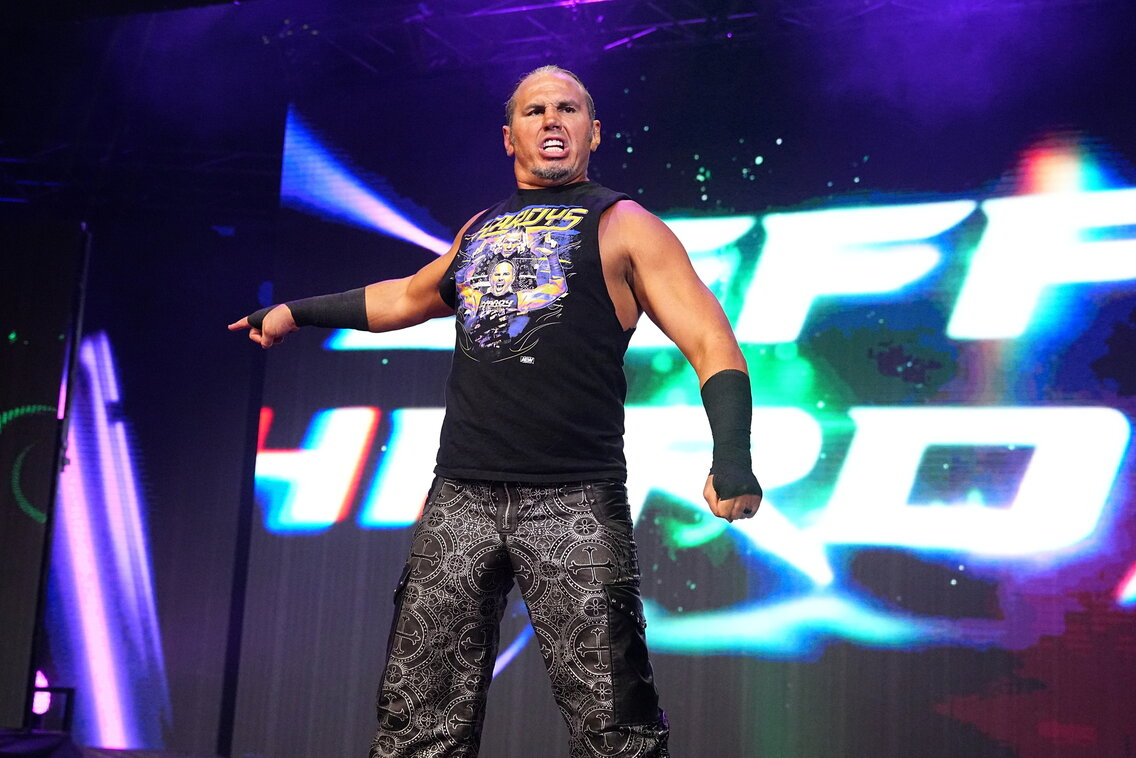
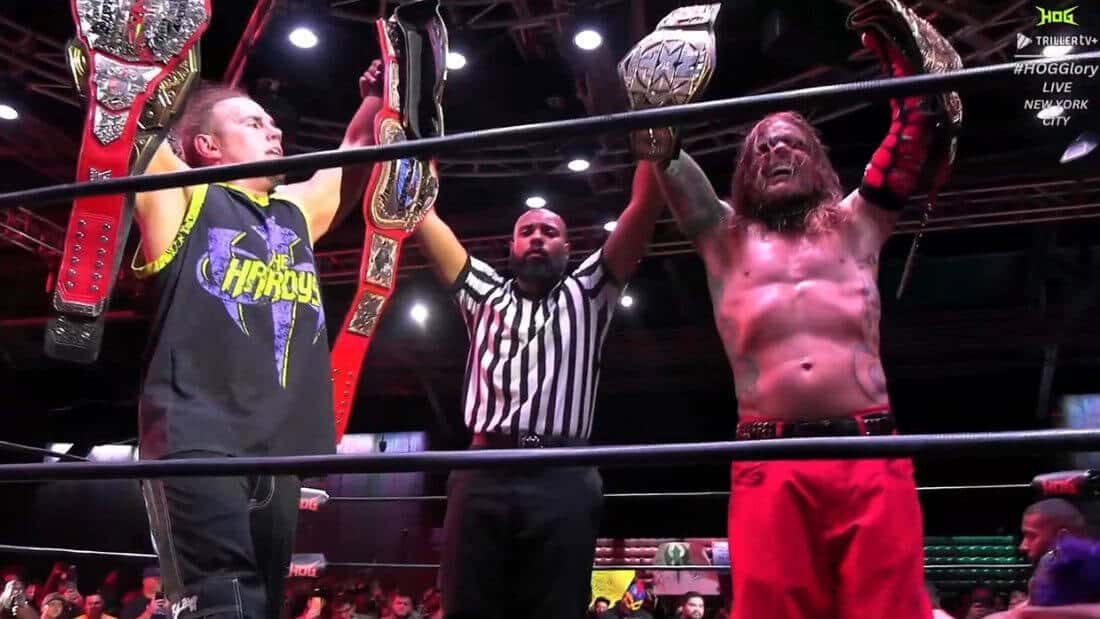
The landscape of professional wrestling often forces veterans into roles that highlight their decline rather than their enduring utility. Matt and Jeff Hardy currently find themselves in a fascinating position within TNA Wrestling. While casual observers might dismiss their return as a quick cash-in on past glory, the tactical integration of the brothers into the current roster suggests a deliberate strategic pivot by the promotion.
Brian Myers recently noted that the Hardys have saved TNA Wrestling through their presence on the card. This is not purely about merchandise figures or nostalgic pops during entrance music. Instead, their value lies in stabilizing a roster that has suffered from erratic booking and inconsistent talent retention throughout the last eighteen months.
The technical utility of the veterans
Look past the high spots and signature maneuvers for a moment. When the Hardys engage in tag team sequences, they perform an essential role in bridging the gap between the promotion's high-flying cruiserweight aesthetic and the more grounded, technical style favored by their current adversaries. Watching their recent television matches, it is clear they are functioning as de facto road agents as much as they are in-ring competitors.
They are elevating mid-card talent by forcing them to work at a specific pace. In the world of modern wrestling, the ability to transition from a spot-heavy sequence into a coherent narrative climax is a dying art. The Hardys still understand how to manipulate a crowd's attention during a 15-minute wrestling match, an area where younger performers frequently struggle with excess speed and insufficient selling.
The flaw in the reliance
Despite the positive impact identified by Myers, there is an obvious ceiling to this strategy. Building a promotion around performers who have already logged thousands of miles is physically unsustainable. Reliance on legacy names creates a stagnant narrative arc where the promotion remains tethered to the history of the early 2000s, potentially alienating viewers looking for new, generational stars.
TNA faces a significant problem if the Hardys are forced into high-stakes main events too frequently. Their cardiovascular output has dipped, and the stiff, heavy-hitting style of newer independent scene arrivals often exposes the wear and tear on their bodies. Relying on them as the primary draw is a stopgap measure, not a foundation for long-term growth.
Predicting the impact
The Hardys will continue to act as the primary draw for TNA's television ratings for at least the remainder of this calendar year. Their presence allows the booking team the breathing room to develop younger talent without the pressure of immediately anchoring the main event segment. By the first quarter of 2027, however, TNA must transition away from this dependency before the returns on their investment diminish significantly.
Expect them to put over a younger team in a high-profile stipulation match before the year ends, likely yielding a tag team title shift involving a new faction. The current momentum provided by the brothers is real, but it is fundamentally transitional. TNA has successfully bought itself time to rebuild, but the clock is ticking on how long a nostalgia-heavy main event scene can hold the audience's attention.