The tactical shift toward high-concept stipulations
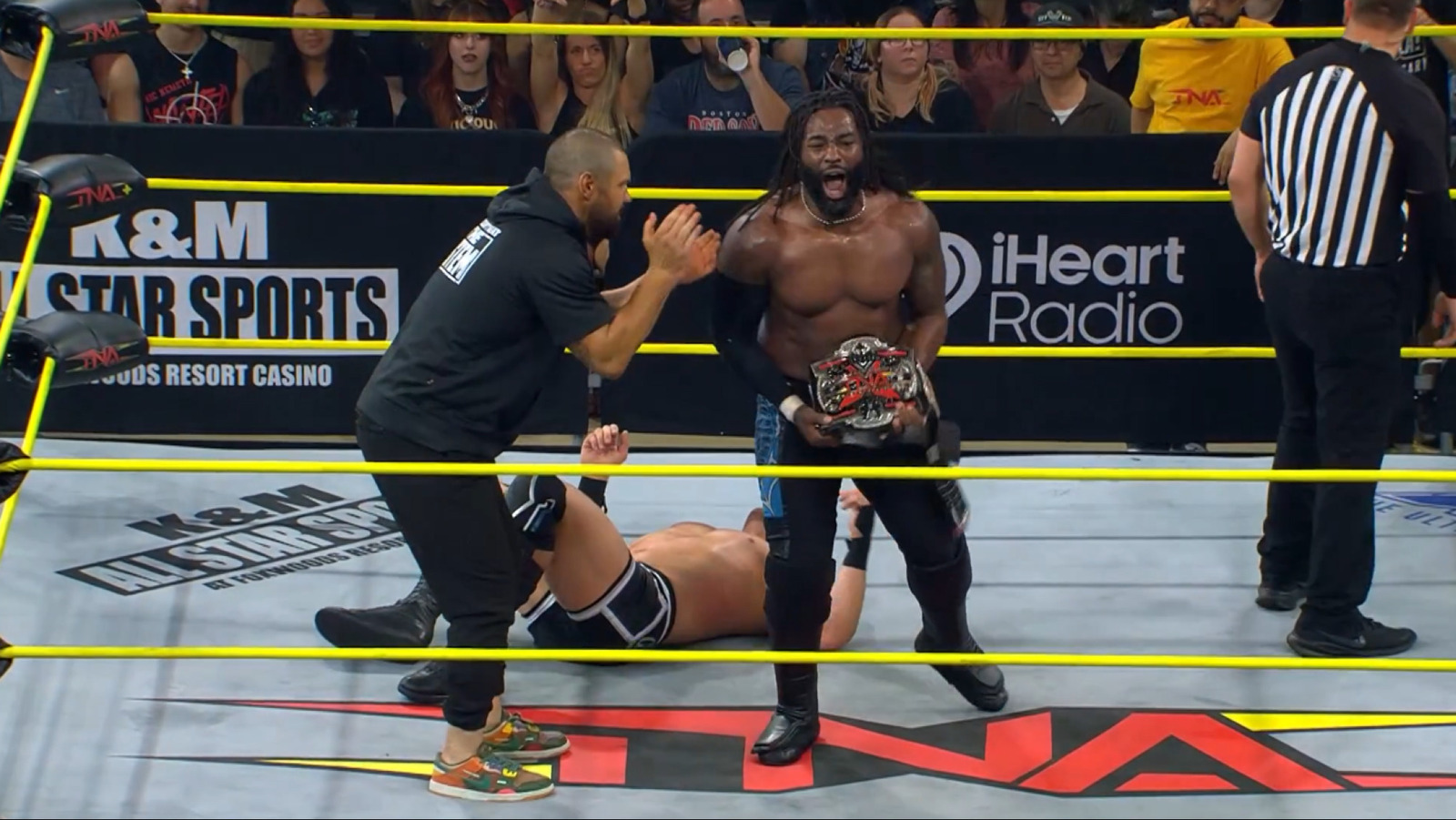
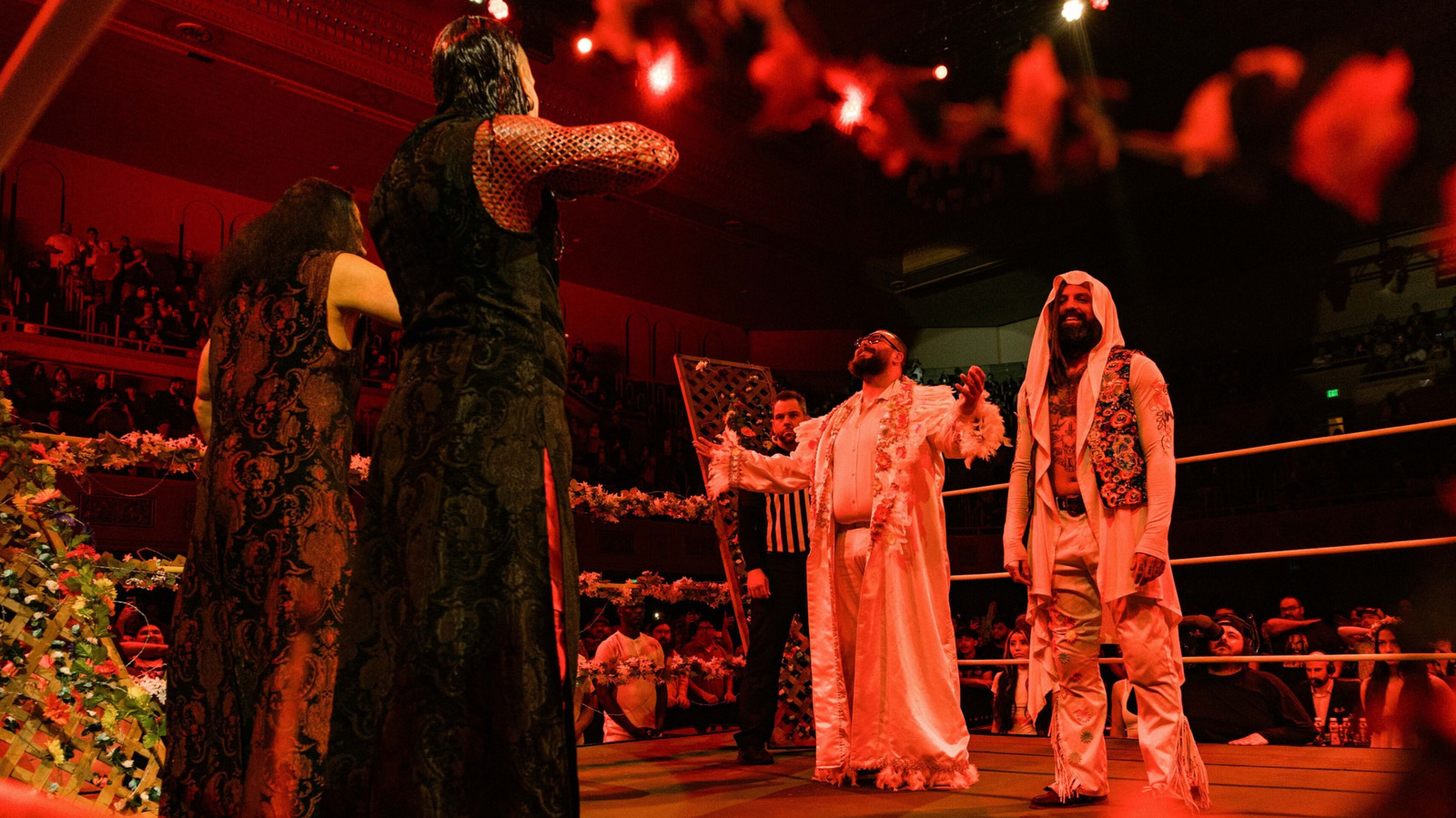
TNA Impact is betting its upcoming broadcast on a specific sub-genre of professional wrestling: the atmospheric, gimmick-heavy clash. The announcement of a Wicked Garden match forces a departure from the standard technical wrestling hierarchy usually favored by the promotion. This isn't a traditional contest about ring positioning or submission holds. It is an exercise in resource management, where the environment dictates the outcome more than a well-executed transition.
We have seen this trend before in smaller promotions, where the lack of traditional audience engagement is replaced by production-heavy cinematic elements. However, TNA faces a recurring issue: they struggle to bridge the gap between hard-hitting in-ring work and these experimental formats. If the Wicked Garden deviates too far into narrative fluff, the impact on their weekly engagement numbers could be negligible at best.
The undercard dynamics and the celebrity factor
It is worth noting the contrast between these high-concept matches and the more grounded work occurring elsewhere in the industry. As Carlito recently observed regarding Bad Bunny, the celebrity involvement model is financially taxing and logistically demanding. While TNA isn't currently banking on an A-list music star to carry their viewership, they are clearly chasing the same type of visual spectacle that keeps audiences scrolling through social media feeds.
The inclusion of a mixed tag team bout on the same card is a necessary tactical pivot. It provides the reset the audience needs after high-gimmick matches. Without this traditional foundation, the show risks becoming disjointed. It is a balancing act that TNA has struggled with throughout this quarter, alternating between effective grappling sequences and booking decisions that prioritize aesthetics over continuity.
Evaluating the roster's structural depth
When looking at historical precedents, we see that gimmick-heavy periods often mask a lack of genuine momentum in the mid-card. Veterans like Rico have previously spoken about the pressures of managing controversial tag teams during eras that relied heavily on character-based gimmicks. There is a danger here that the talent will be subsumed by the match environment rather than being elevated by it.
What to watch for at the whistle
The success of this broadcast comes down to the pacing of the Wicked Garden. If the transition time between the primary match and the mixed tag bout exceeds 15 minutes, they will likely lose the casual audience tracking the show on linear television. You need to see immediate intensity in the opening five minutes to establish the stakes. If we don't get a clear, coherent narrative within the first act, the match risks being a visual distraction rather than a compelling athletic contest.
My prediction for the week is skeptical. I expect the Wicked Garden to look visually impressive but under-deliver on the actual wrestling mechanics. The mixed tag match will likely be the technical highlight of the night, likely settling into a 12-minute structure with a clean finish. TNA needs to stop leaning on the gimmick as a crutch and start using it as an accent piece, otherwise, the pattern of inconsistent viewer retention will persist well into the summer.