Measuring the grind of the independent circuit
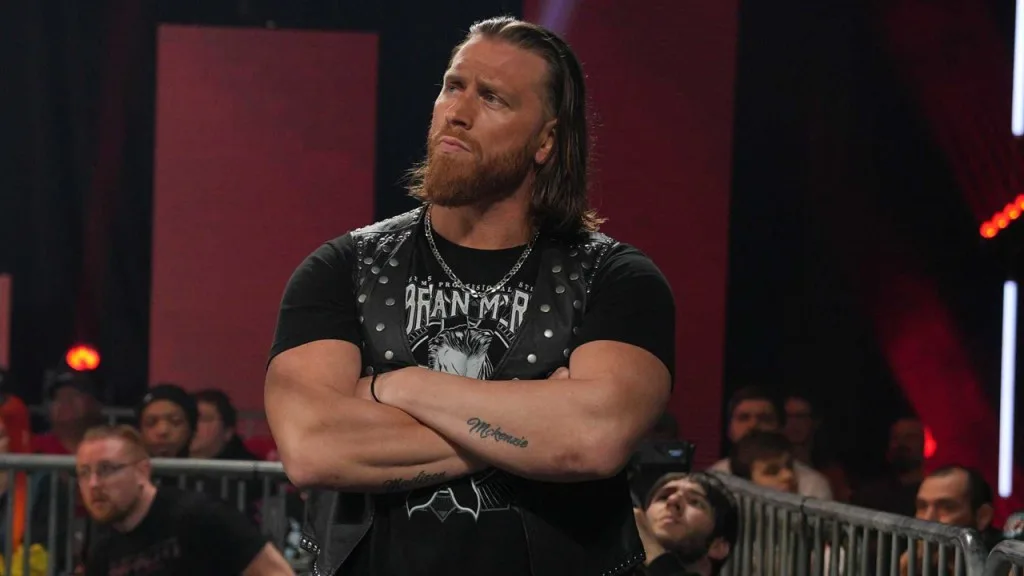
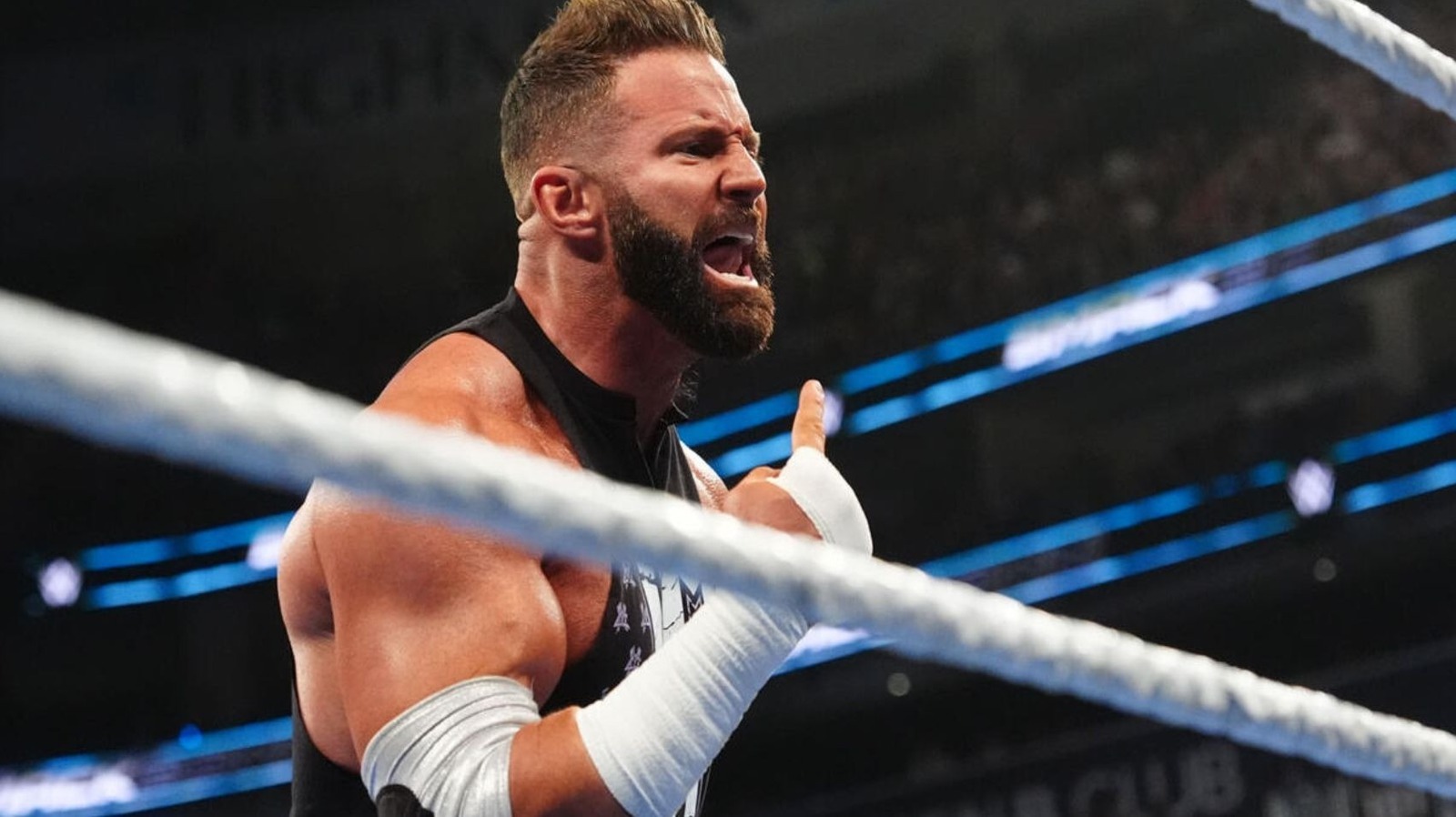
Brian Myers has spent more than two decades in professional wrestling, logging thousands of hours across global promotions. During a recent appearance on Chris Van Vliet's podcast, the veteran admitted the physical toll of his tenure is shifting his future outlook. For a talent whose career spans from 2004 to 2026, the question is no longer about proving his relevance in the ring, but about the economic viability of the independent circuit.
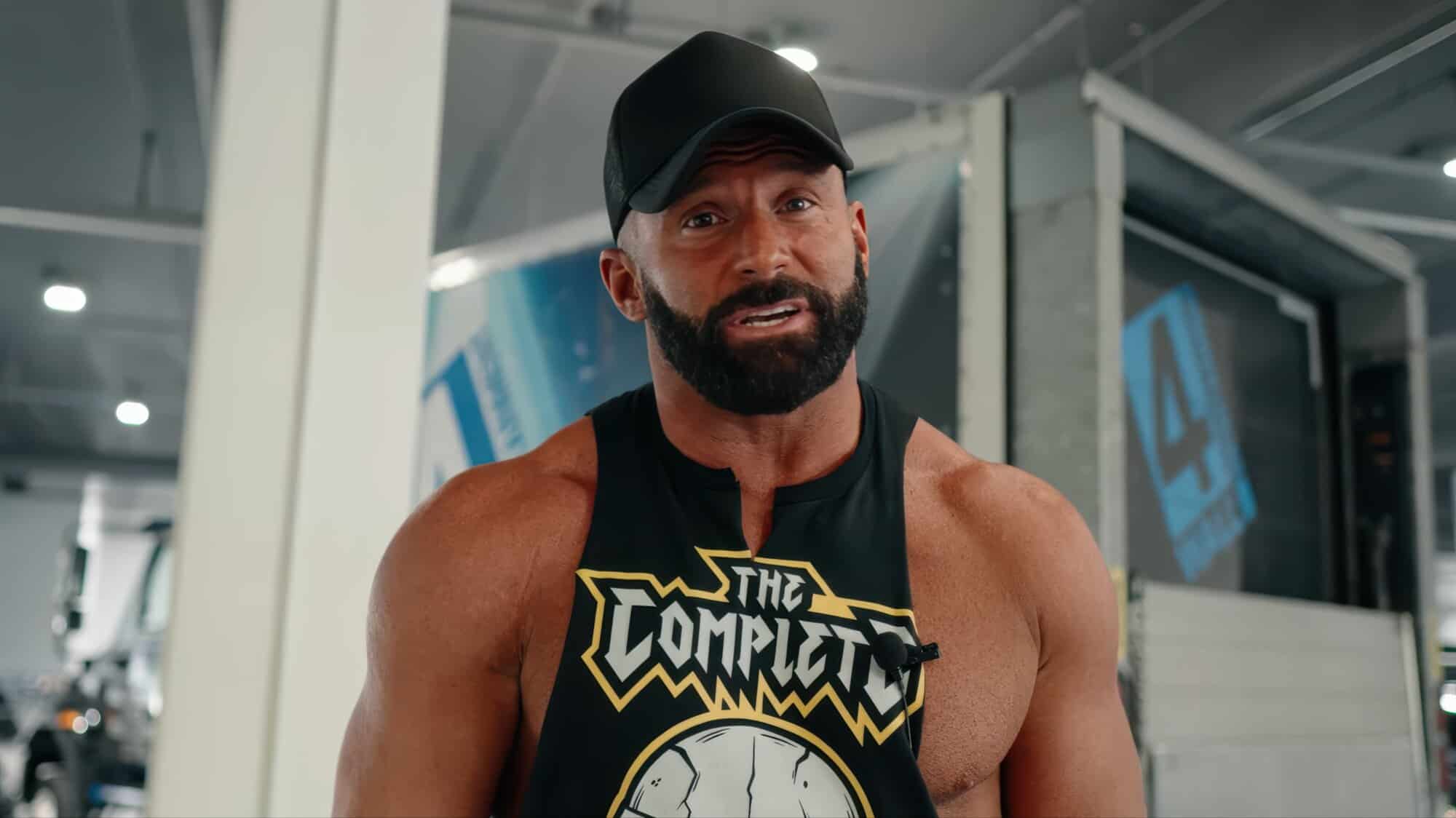
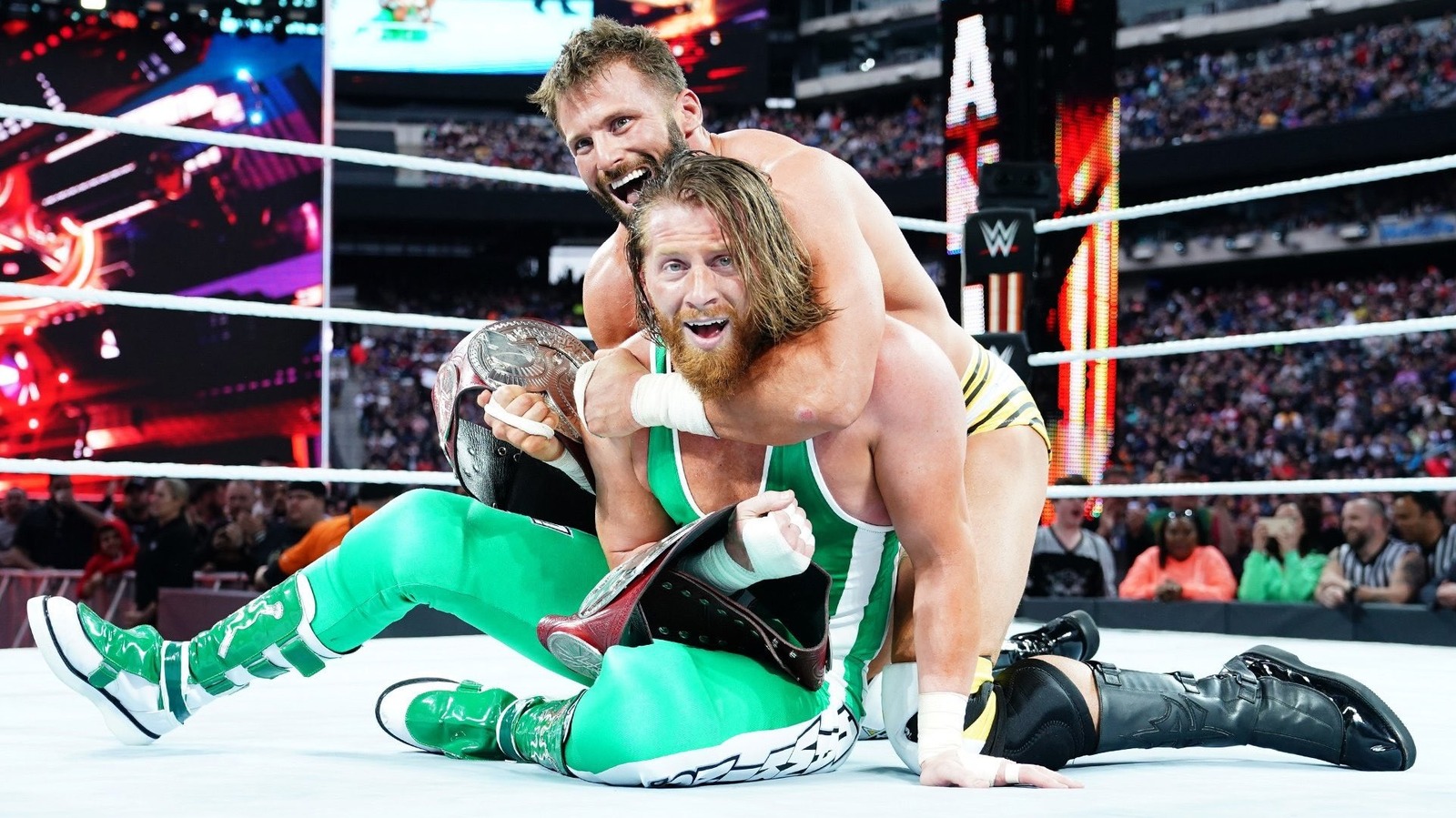
Myers isn’t just working matches; he is managing a brand alongside Matt Cardona. History will eventually categorize Cardona’s post-WWE run as a blueprint for modern talent. Myers explicitly stated on an episode of WrestlingNews that his partner’s independent success should be studied. The metrics support this, as Cardona transformed himself from a mid-card WWE talent into one of the highest-grossing independent acts in the history of the sport.
The cost of the COVID-19 talent purge
The 2020 and 2021 WWE releases remain a contentious point of data for veterans like Myers. Between April 2020 and the end of 2021, WWE shed approximately 150 wrestlers, writers, and production staff. Myers has noted that these decisions left a lasting resentment, specifically regarding how talent was handled in a period of restricted travel and closed venues. His skepticism is rooted in the lost wages and disruption caused by that 18-month window of industry instability.
The landscape of independent wrestling isn't the same as it was ten years ago. It’s a business of volume, merchandising, and direct-to-consumer engagement.
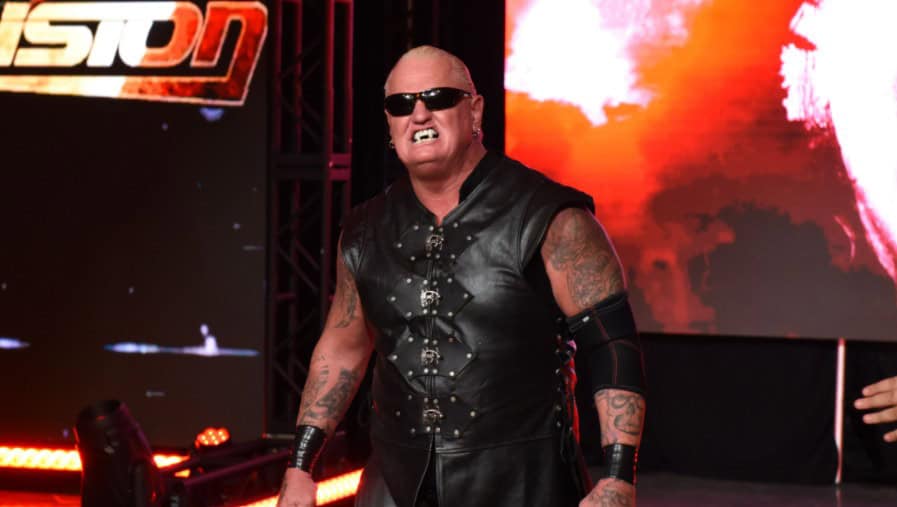
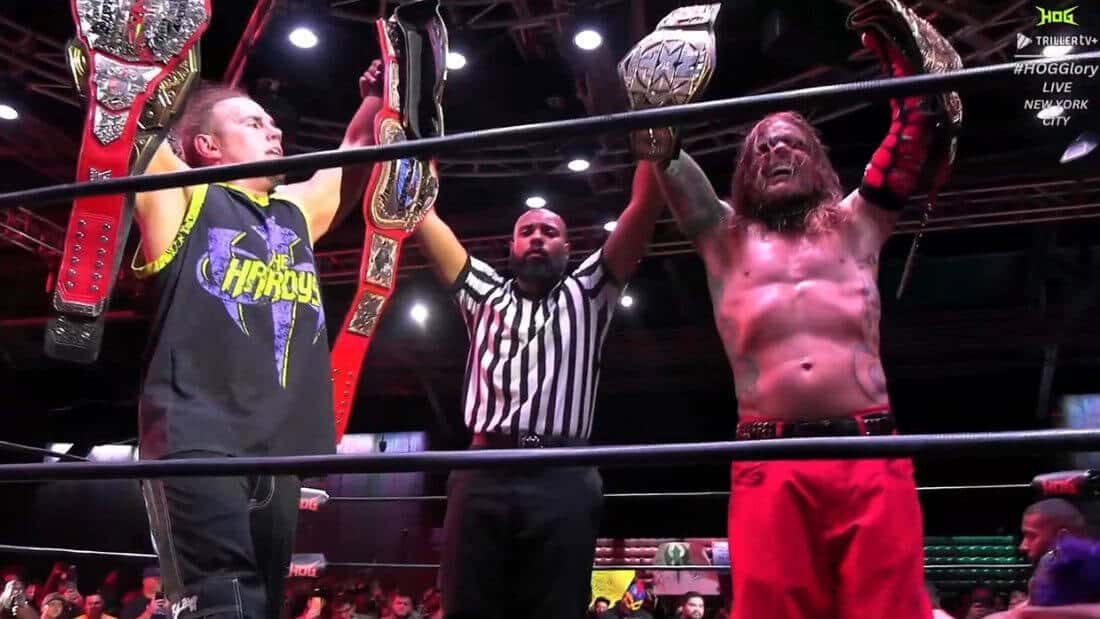
When you account for the 22 years Myers has been active, his perspective on the industry’s trajectory holds weight. He recently praised the return of The Hardys to TNA Wrestling, noting they have provided a stabilization force for the promotion. By Myers' estimation, their presence adds tangible value to a product that had struggled to recapture its identity for the better part of the decade.
Why the numbers don't add up for every veteran
Despite his optimism for his peers, Myers recognizes that the ceiling for an independent wrestler is lower than the peak of a major TV contract. The math is brutal: while an indie star might pull in $3,000 to $5,000 for a high-profile weekend loop, the overhead for travel, insurance, and gear maintenance—which was once subsidized by corporate offices—now falls entirely on the individual. This is why his recent interviews carry a hint of caution.
There is a flaw in the current model of the nomadic worker that few discuss: burnout doesn't have a recovery period when you are your own booking agent. Myers is now weighing his future against a 75% increase in the physical intensity of modern wrestling styles compared to what he was taught in 2004. He remains one of the smartest observers of the business, but his math implies that the golden era of the full-time indie veteran might be nearing its natural expiration date.