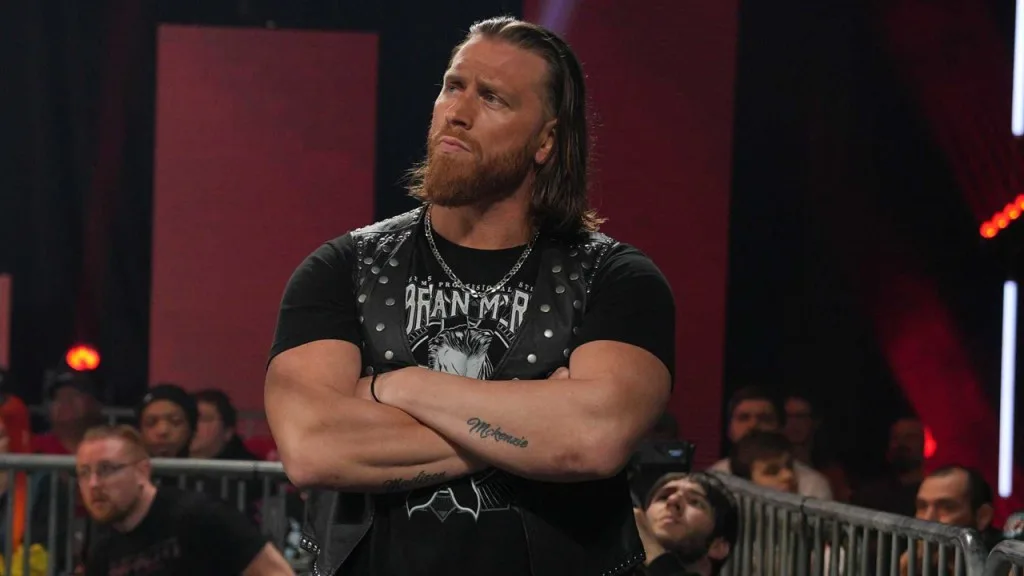
The transition from ring to reality
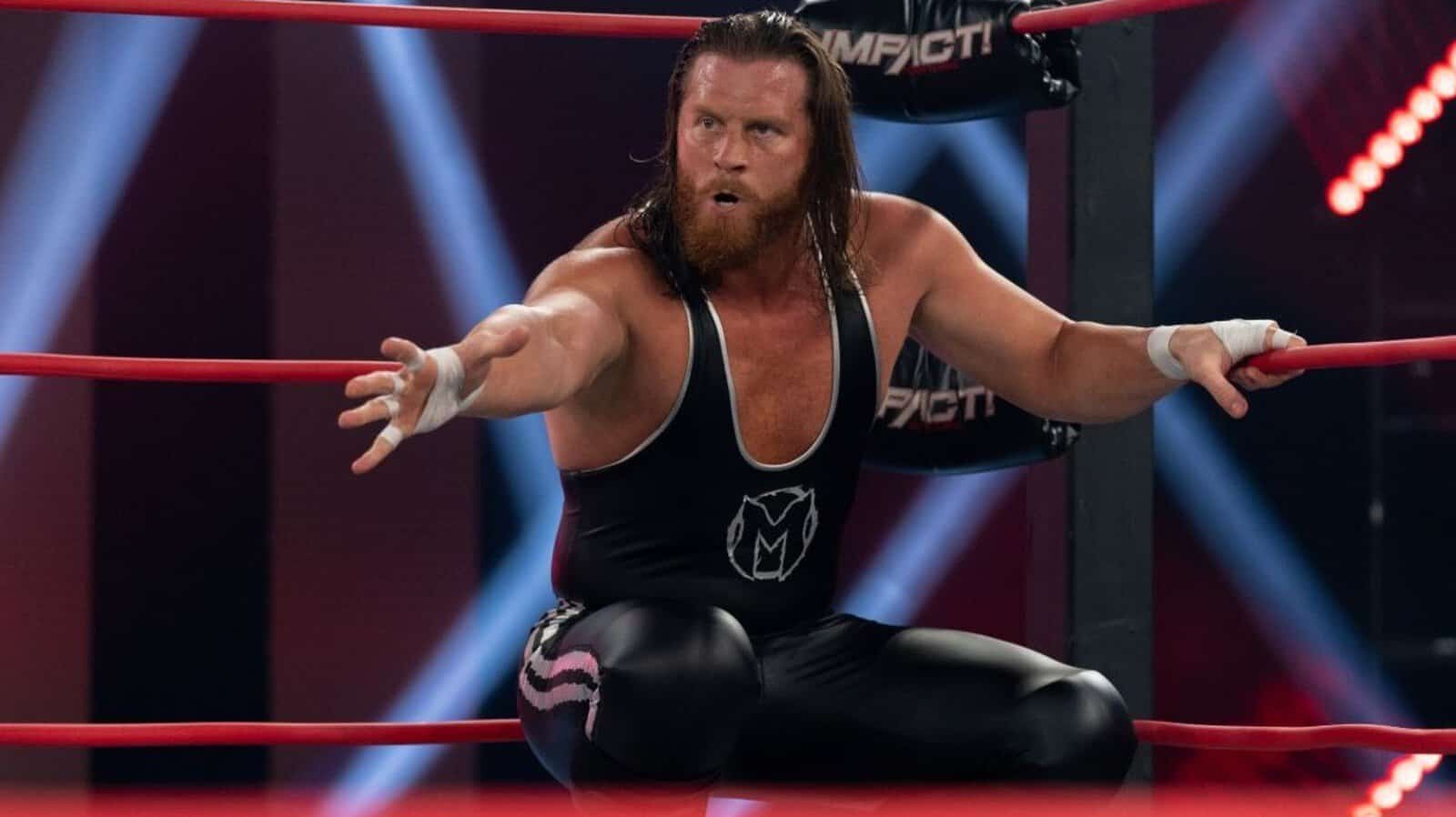
Professional wrestling does not offer a graceful exit for those who treat it as a lifestyle rather than a job. Brian Myers recently addressed his own longevity on INSIGHT with Chris Van Vliet, moving past the usual rhetoric about one more run. He is analyzing the physical toll and the logical conclusion of a career that spans over two decades.
Myers is a technician who knows his limitations. When veterans discuss retirement, the focus often drifts toward the ego behind the curtain. Myers seems to be prioritizing the preservation of his body over the pursuit of main event status. This is a refreshing shift from the industry standard of chasing checks until the knees finally surrender.
Tactical awareness in the ring
Watching Myers work is a masterclass in economy of motion. He avoids the reckless high-spots that define modern independent wrestling, leaning instead on corner clotheslines and a refined striking game. These choices are deliberate attempts to extend his shelf life by reducing unnecessary impact.
Despite his technical acumen, his recent booking has felt disjointed. He oscillates between mid-card enhancement and lower-tier tag team dynamics, failing to capture the momentum he once enjoyed. It is a classic case of a veteran lacking a cohesive narrative hook to elevate his positioning on the card.
The looming question of utility
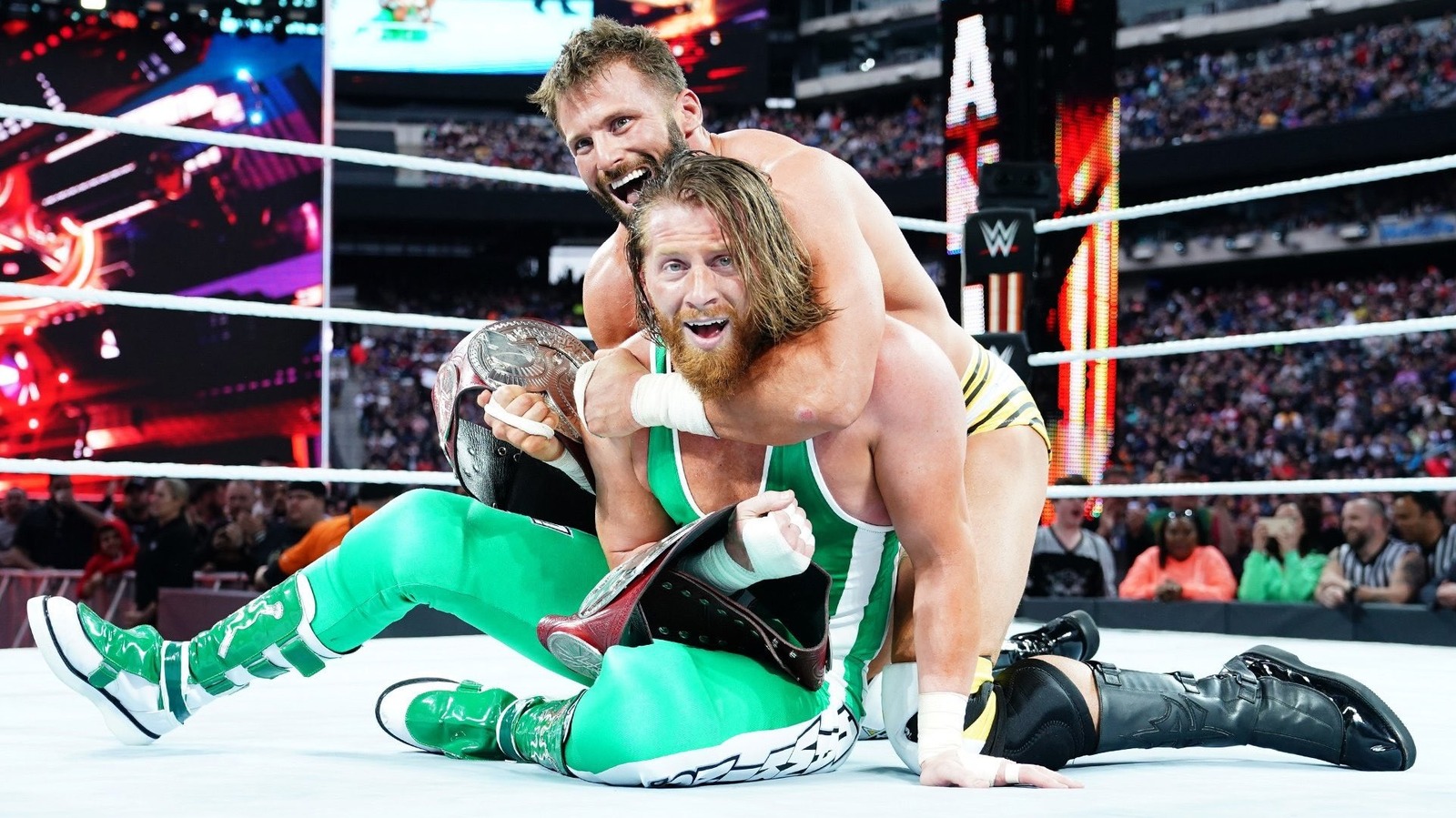
The recent legal issues surrounding Curtis Axel highlight how quickly the ground shifts for performers in their post-active years. Myers is clearly attempting to preempt a similar drift by planning his exit strategy while he still maintains agency over his career. It is the tactical play of a performer who understands the business side as well as the work-rate.
His lack of a major championship push in the last 18 months remains the most glaring oversight by booking. Myers possesses the ring psychology to carry a younger talent to a career-best match, yet he is frequently sidelined for performers with higher social media engagement but lower technical ability. Neglecting the utility of a veteran like Myers is a mistake that limits the depth of the mid-card.
The final stretch
Predictions in this industry are rarely ironclad, but Myers is showing the signs of a man counting down the days. I expect we will see a decline in his match frequency over the next year as he leans into coaching or behind-the-scenes production roles. The physical reality of 20 years in the business dictates that the frequency of his appearances must decrease to maintain the 90% performance accuracy he currently boasts.
My prediction for the remainder of 2026? Myers will transition to a semi-retired schedule before the end of the year, likely focusing on building his own promotion or training academy. He is too smart to burn the candle at both ends. He understands that for a veteran, the quality of the final three matches is more important than the quantity of the final thirty.